





Oncology

Cancer: Bringing clarity to complexity

The cancer journey is unique for every patient. That’s why solutions and services from screening to survivorship support care teams in providing the best possible care to their patients.
5min

Enhancing the patient experience

Patient centricity
More hope
Reduced anxiety

Behind every cancer diagnosis is a patient striving to retain their identity. Patient-centric solutions bring relief, hope, and satisfaction. They help clinicians deliver more compassionate care that connects with the patient, not just the diagnosis.

The photo shows cancer patient Charlotte Kessler and Brenda Hubley, Chief Program Officer of Cancer Care Alberta, sitting on a couch talking.

AI in cancer care: Transforming the patient journey

In Alberta, Canada, care teams are using artificial intelligence to make cancer care faster, fairer, and more personalized. See how innovation is empowering patients and care teams to improve outcomes and transform the cancer journey.


Charlotte Kessler, cancer patient and patient advocate

More and more countries are introducing lung cancer screening. Motivating eligible people to participate, however, remains challenging. Healthcare experts have identified five barriers to screening acceptance. Here, they share their strategies for increasing participation.
Eleanor Wheeler, associate director of research and policy at The Health Policy Partnership, highlights how early detection and better care pathways can make lung cancer manageable. Her insights show how thoughtful, patient‑focused strategies offer clarity, reassurance, and a more human connection.

A global perspective on lung cancer screening
0:000:00
23 minutes left
Hear from experts about the importance of early detection, the programs that have been recently rolled out to increase lung cancer survival rates, and some of the exciting new advancements in the field.

Enabling personalized care

Diagnostic & treatment precision
Tumor targeting
Every cancer patient requires care as unique as they are. Greater personalization throughout the patient journey makes cancer care more targeted and effective, and improves patient outcomes.

At Radiochirurgia Zagreb in Croatia, Ivo Pedišić, MD, and his team use AI to help them tailor each patient’s treatment more precisely. See how this hospital makes cancer care more focused and effective.

With adaptive radiotherapy, doctors can adjust treatment to a patient’s changing body. This allows them to target tumors more precisely and protect healthy tissue. Experts explain how this approach can make therapy both safer and more effective.

Valery Lemmens, PhD, Member of the Board of Directors, Maastro Radiotherapy Clinic, Maastricht, The Netherlands

Adaptive radiotherapy personalizes cancer care
0:000:00
18 minutes left
Learn how adaptive radiotherapy has the potential to reduce the side effects of typical radiological treatments by focusing on a more precise target, therefore allowing patients to better maintain their quality of life.

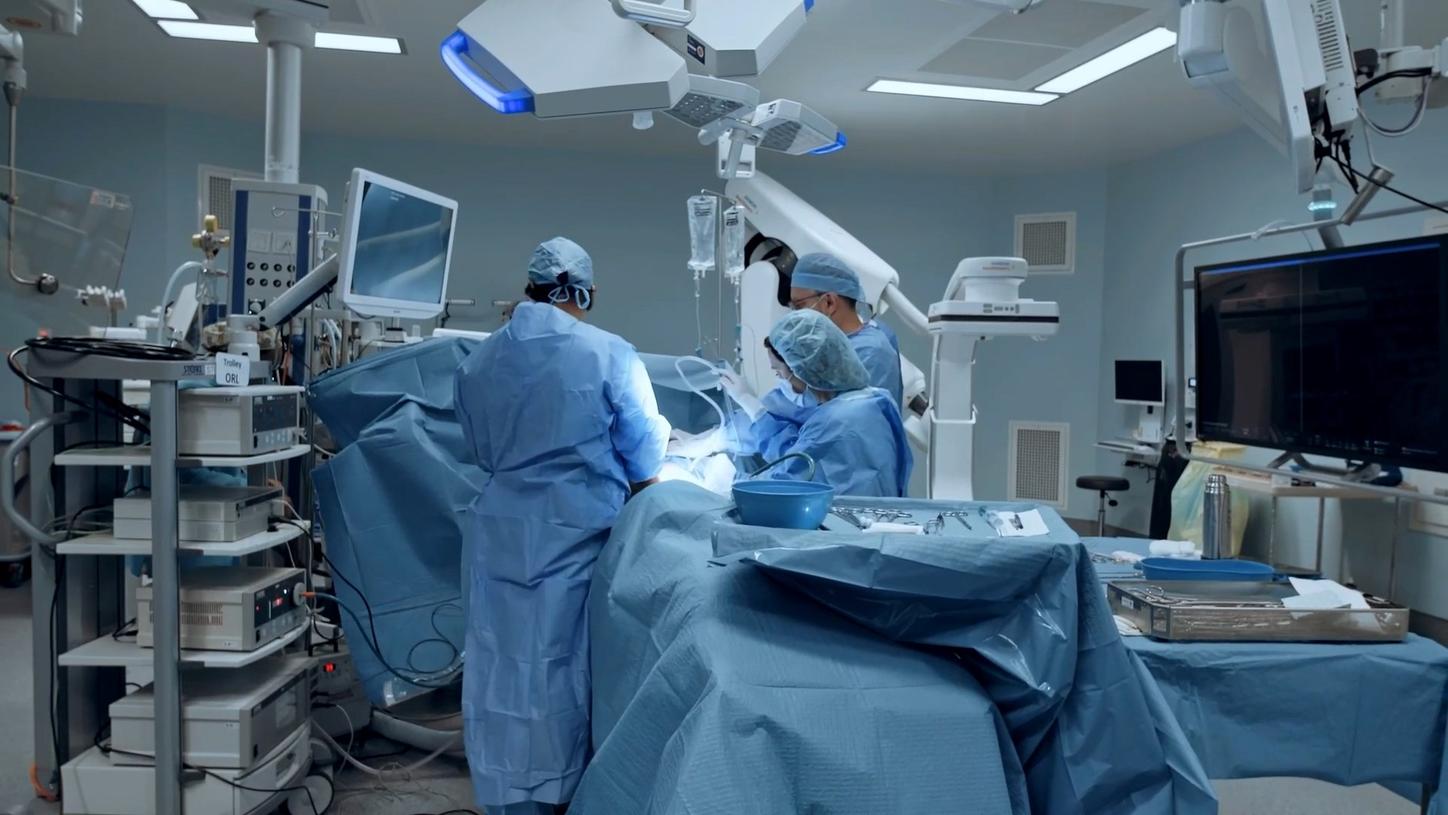
At Hospital da Luz in Lisbon, Portugal, neurosurgeon Domingos Coiteiro, MD, uses the Hybrid OR to remove complex brain tumors with greater precision. The Hybrid OR also benefits Fernando Martelo, MD, his team, and the lung cancer patients they treat.

Surgeons operating a cancer patient in the hybrid room of Hospital da Luz in Lisbon, Portugal.

Radiation physicist Elena Nioutsikou works on MR imaging to help doctors see tumors more clearly. “I think what really matters is not just living longer, but living well,” she says. This belief that guides her work on creating more precise and gentler cancer therapy.

Streamlining the clinical workflow

Workflow operations
The complexity of cancer care demands expertise at every point in the journey. Breakthrough innovations create greater efficiencies and ease, relieve operational burdens across departments, and enable more patients to receive the care they need when they need it.
Thanks to a Value Partnership, Oulu University Hospital in Finland can adopt new digital tools and smarter workflow technologies faster. These improvements make care more efficient, reduce stress for staff, and enable care teams to treat the growing number of cancer patients with confidence.


Value Partnerships are long-term, performance-oriented collaborative engagements. By combining clinical insight, medtech innovation, strategic vision, implementation expertise, and operational excellence, we help you formulate and achieve your strategic goals and increase enterprise-wide value.
Learn more

AI in cancer care is making daily work easier by automating routine steps and reducing pressure on busy teams. These innovations streamline workflows across departments, helping hospitals treat more patients without delay. It all adds up to smoother operations, less stress for staff, and faster access to care for those who need it most.

Johannes Haubold, MD,  Senior Physician for Clinical AI Integration, University Hospital Essen, Germany


Adam Strzelecki develops smarter imaging tools that make radiotherapy planning faster and easier, and help care teams work more efficiently. “When we create clinical workflows that are more efficient, that allows more patients to be treated,” he says.

Fernando Vega wants to end long waiting times for cancer patients. “When it comes to cancer, time is a crucial factor,” he says. His planning tools help teams work faster and with less pressure so that more patients can start treatment sooner.

Making innovation accessible

Technology accessibility

Solutions and services designed to deliver and sustain high-quality cancer care mean that exceptional care is always within reach for patients, clinicians, and cancer centers everywhere.
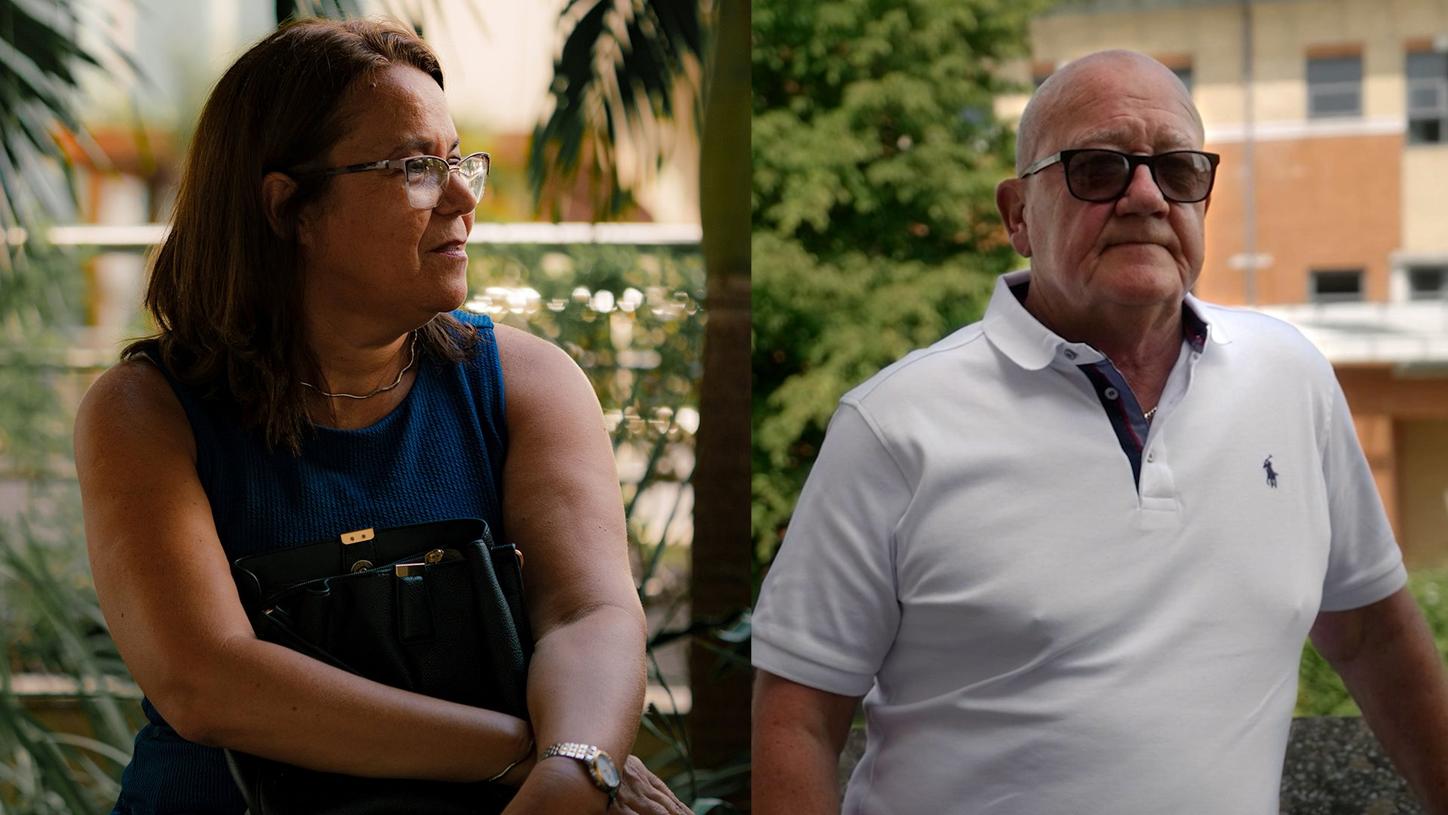
Cancer patients Jane Eyre Viana de Souza (Brazil) and Philip Bennet (UK)

Scaling healthcare access

Targeted collaborations are transforming access to healthcare globally. From expanding access to lifesaving radiotherapy with infrastructure and training in Brazil, to pioneering and scaling lung cancer screening across the UK, these collaborations are helping to build a world without fear of cancer.

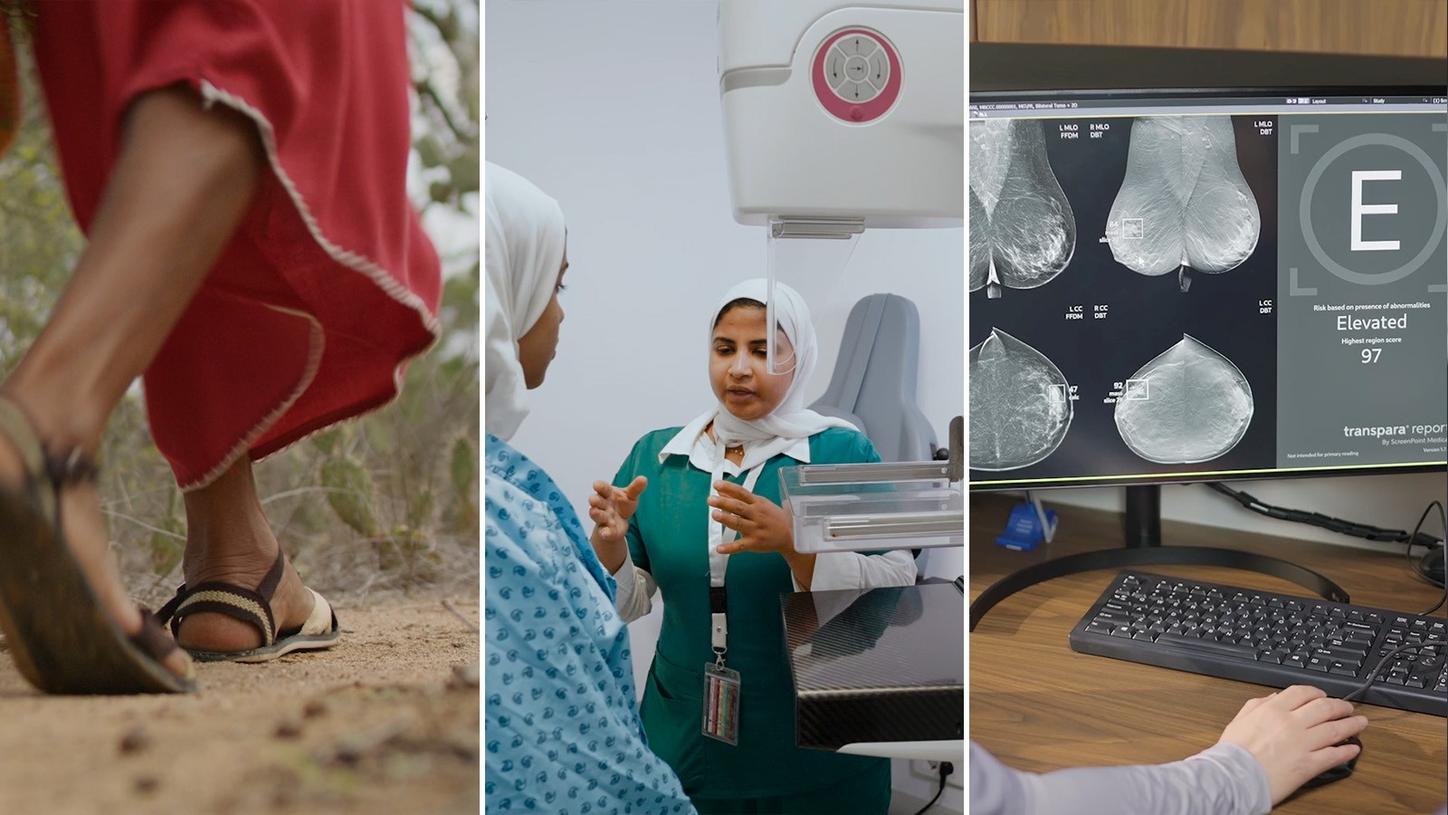
Innovation only works when people can use it: Local leaders discussed how to make cancer care more accessible by focusing on simple, practical solutions that fit real-life needs. Read how innovation becomes inclusive when it starts on the ground.

The image shows the feet of a walking women, a mammography exam situation, and AI interpreation of mammography images
New ideas built for real people and real places: Accessible medical solutions are bringing better care to rural communities. Discover how practical innovation is creating hope and improving lives.


car driving a street in a rural area

Isabel Mestres, CEO of the City Cancer Challenge Foundation (C/Can), Geneva, Switzerland

From earlier detection and improved radiotherapy services to enhanced training programs and a growing network of specialists, cancer care is becoming more accessible. These developments are bringing lifesaving treatment closer to home and offering hope to underserved populations.

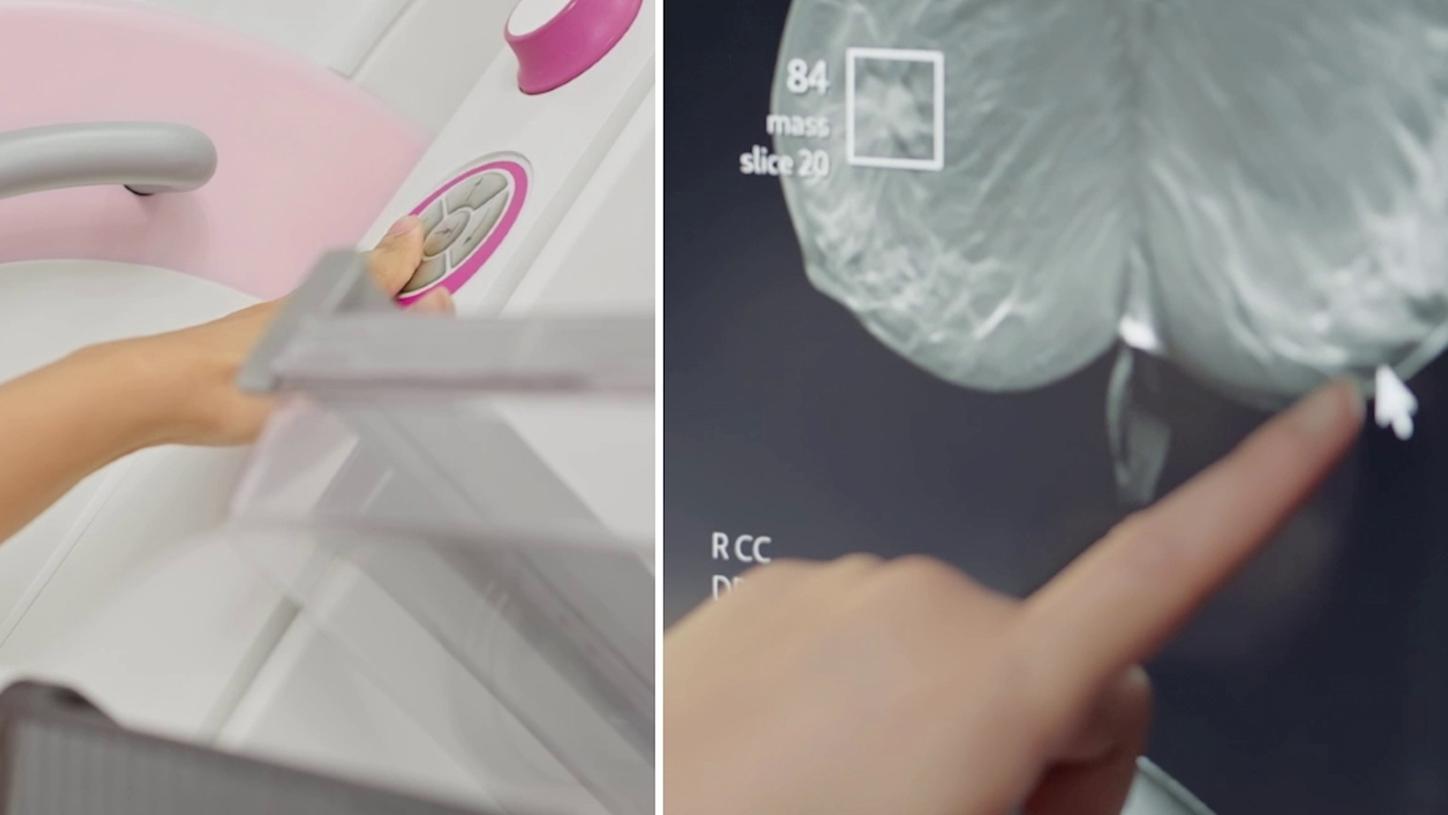
Smart tools and local partnerships help bring early breast‑cancer detection to more women around the world. A hopeful look at how access can grow when technology is paired with commitment.

Photo composition of a close-up photo of a mammography system and respective clinical image.

A holistic view

The future of radiotherapy
0:000:00
23 minutes left
Data and AI can enable highly personalized cancer therapies and improve outcomes in radiation oncology. Hear how patients already benefit today and learn how radiotherapy will evolve in the future.