





#Futureshaper

Building bridges between humans and medical technology
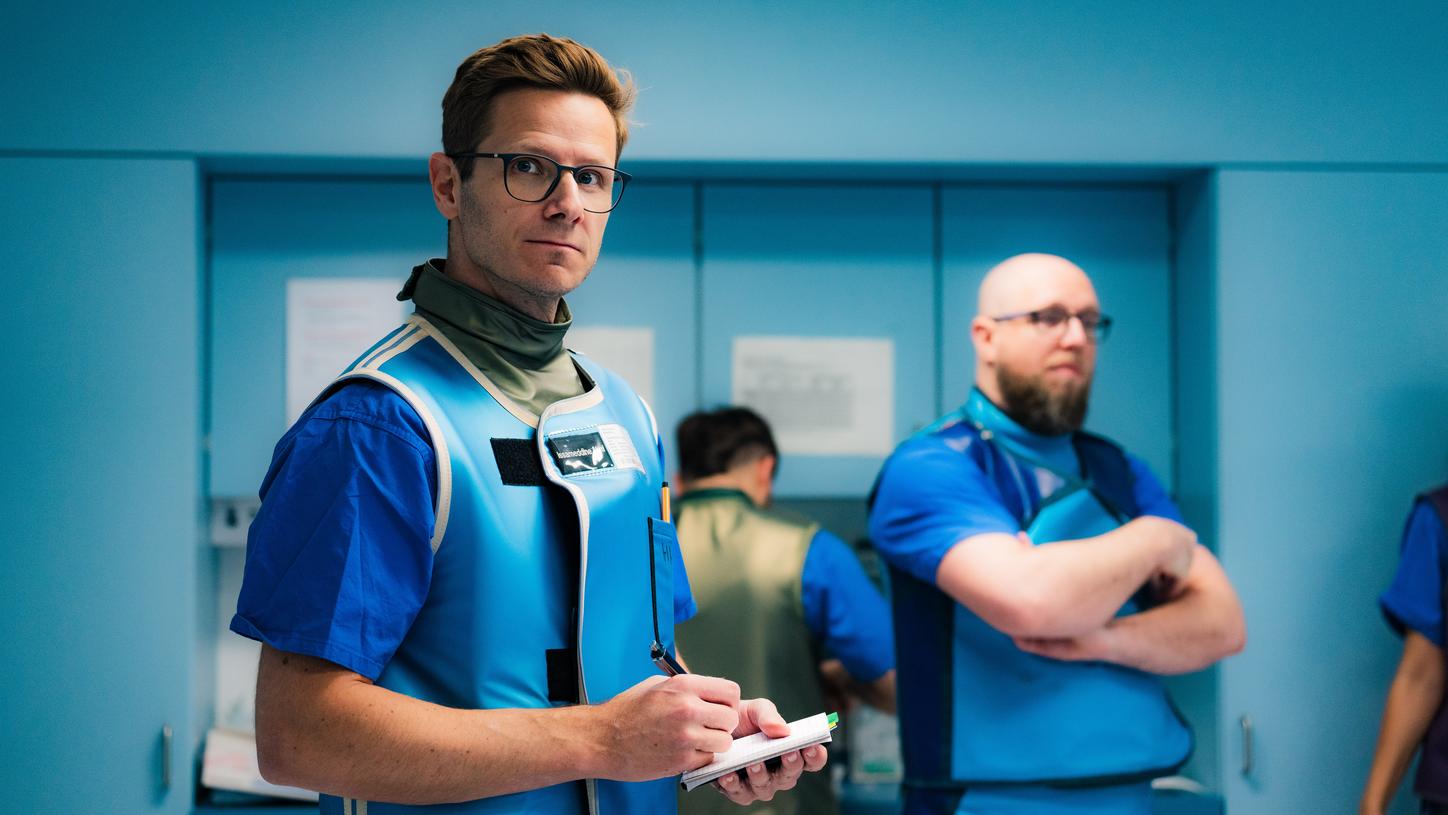
By rethinking workflows and designing intuitive digital solutions, UX designer Timo Röhrig helps make everyday clinical practice easier so clinicians can focus on what matters most.
4 minutesmin
Rebecca Murr
Published on March 27, 2026
In clinical environments, every second matters – and technology can play a decisive role. But its true value unfolds only when it empowers the people who rely on it. That is where UX (user experience) designer Timo Röhrig makes an impact: working closely with interdisciplinary teams and clinical staff, he develops digital solutions that improve workflows and meaningfully support those delivering care.

Back when he was studying Product Planning and Design, Timo Röhrig deliberately chose to focus on medical devices: “When everyday clinical practice doesn’t run smoothly, design can create real added value by making technology user-friendly and easy to understand.” 

For Röhrig, this means gaining a precise understanding of the needs of users and applying well-considered design methodologies to create solutions that fit seamlessly into clinical workflows.

A person in medical scrubs holding a glowing digital “UX” hologram, surrounded by dynamic circular and linear graphic elements representing technology and user‑experience design.
“We help make ideas and concepts tangible earlier on by simulating the product experience. This shows, quickly and with minimal effort, how customers will respond to the solution and how it will influence the workflow.” Throughout this process, Röhrig collaborates closely with R&D and product management to create better products together. “We bring teams together, deepen collaboration across departments, and help create a shared vision.”

Research shows that digital applications in healthcare are most widely accepted when the user experience (UX) is positive [1]. That’s why UX teams must be involved from the very beginning, because user experience is shaped at every interaction: Is the system intuitive? Can information be found quickly? Does the application convey a sense of safety? And does it respond fast enough when it matters?

The term user experience (UX) refers to the attitude and perceptions of users when interacting with a product or service. Good UX design makes complex systems easier to understand, actively supports users, and helps them work safely and efficiently.
Find out more

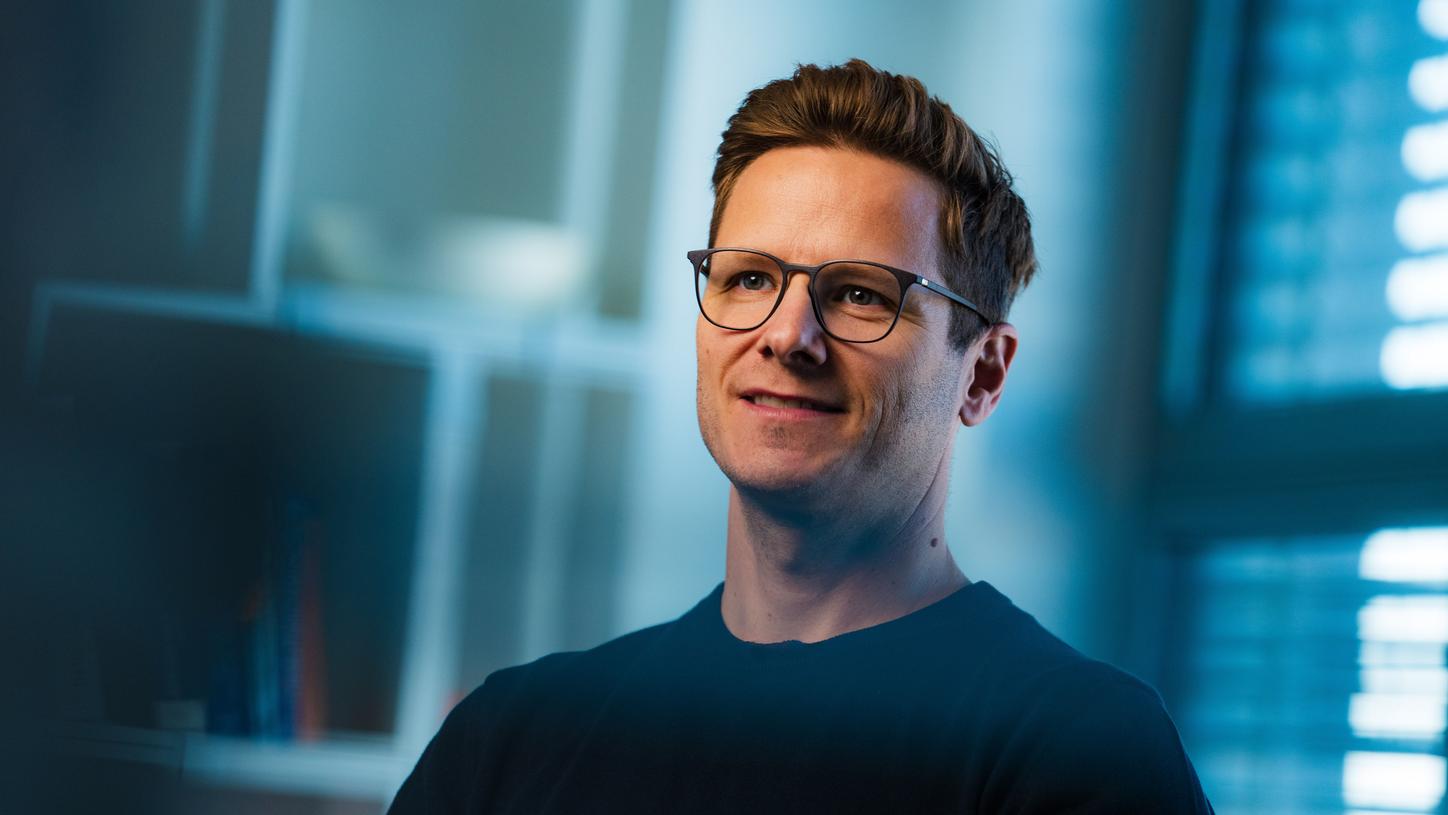
Timo seated indoors, wearing a dark shirt with soft blue lighting and a blurred office background.

For Röhrig, one thing is clear: the sooner real users are involved in the development process, the easier it becomes to make adjustments – and the greater the savings in time and resources. At Siemens Healthineers, UX is not an afterthought but an integral part of product development. Röhrig works with a global team of UX experts across user research, strategy, interaction design, industrial design, and other design disciplines. This expertise is applied exactly where it matters – in real clinical environments, together with the people who use our solutions every day. 

Want to see it in action? Röhrig walks you through it in the video.

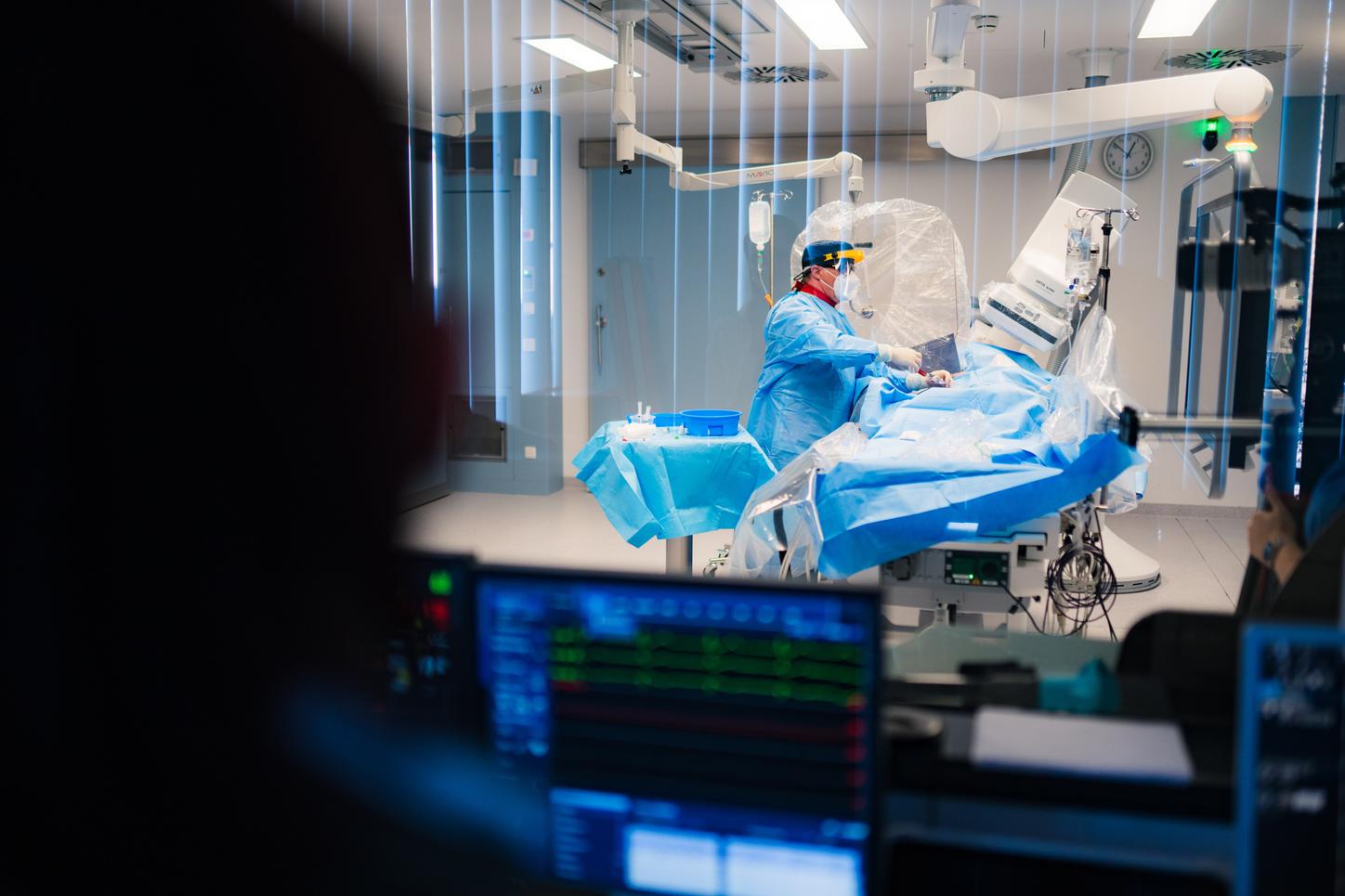
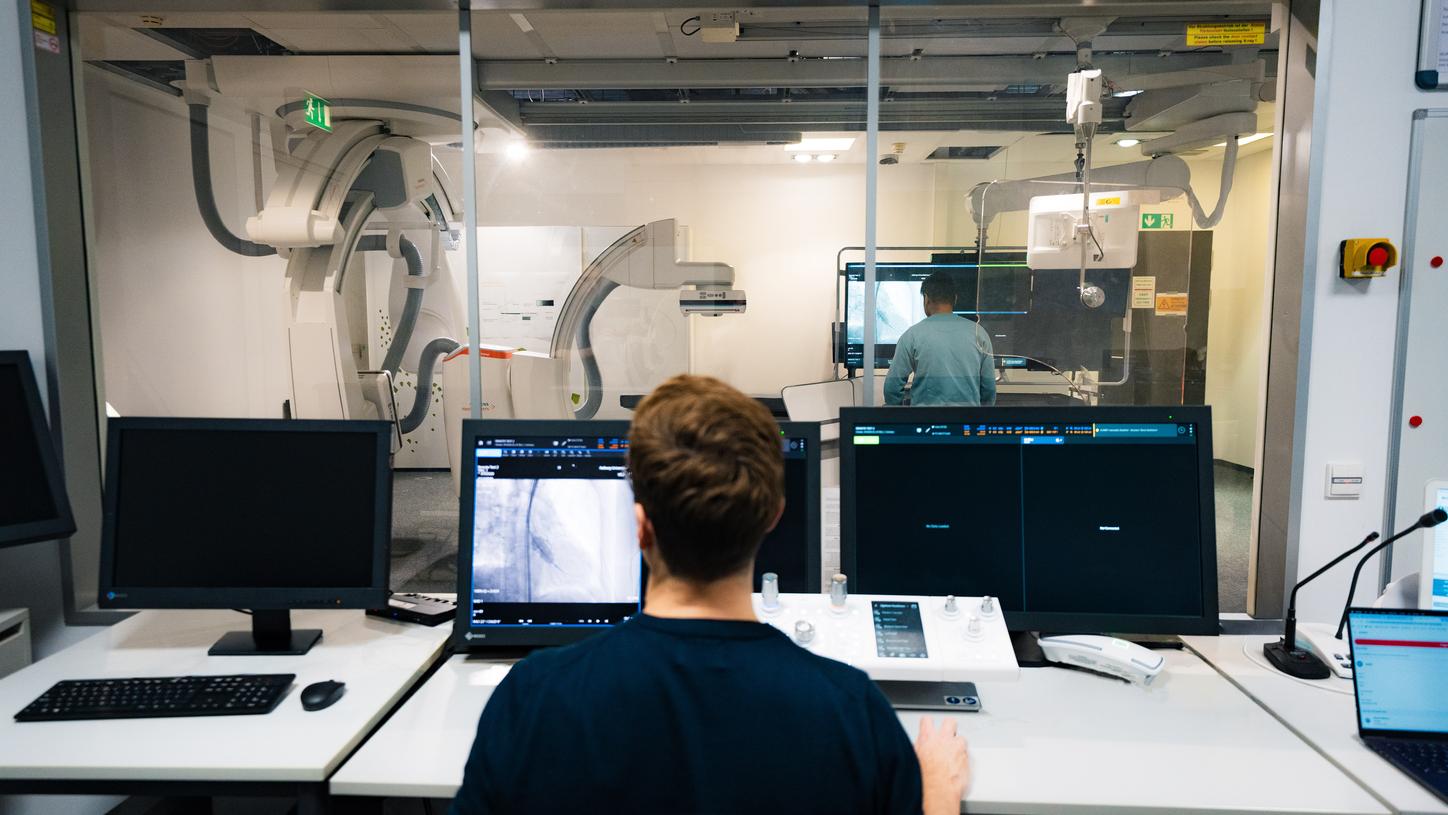
In interventional procedures, every second counts – especially when external expertise is needed at short notice. Yet bringing in specialists quickly is cumbersome, time-consuming, and dependent on many intermediate steps. That’s why Röhrig is working closely with clinical teams on a digital solution that enables external experts to join the interventional suite or hybrid operating room (OR) remotely and without delay.

The platform is intended to be built on a secure, encrypted video architecture and enable high-quality image transmission. “We plan to use an existing solution that connects our ARTIS systems with modern audio-video functionalities to further enhance image guidance and digital connectivity in the cath lab,” Röhrig explains. This opens new opportunities for patient care, supported by digital interaction. “Our aim is to coordinate complex procedures even more efficiently in the future and thereby improve treatment outcomes.”

Another example of his work is a digital dashboard that provides physicians with all crucial information at the start of a catheter procedure. Röhrig’s vision is clear: the moment the team enters the cath lab, the patient’s full medical history, current and prior lab results, as well as relevant imaging data such as computed tomography (CT) and magnetic resonance imaging (MRI) scans, should be instantly available. “We designed the prototype so that you can dive right in. The first level displays exactly the information relevant to the specific clinical question. Additional details can be accessed with a single click. The solution is meant to feel like a consumer product and seamlessly fit into everyday clinical practice,” he explains.

Although both solutions are still future concepts, Röhrig is convinced that tomorrow’s medicine will not work without digital tools that reduce complexity and make information available exactly when and where it’s needed.

Today’s clinical practice is already marked by complexity and vast amounts of data. “Our job is to design solutions that enable clinical staff to work with clarity and efficiency,” says Röhrig. At the same time, hospitals are undergoing a technological shift. Artificial Intelligence (AI) will further transform care–from precision medicine to streamlined workflows. “To make this shift successful, we need to understand how to guide teams through it,” explains Timo.

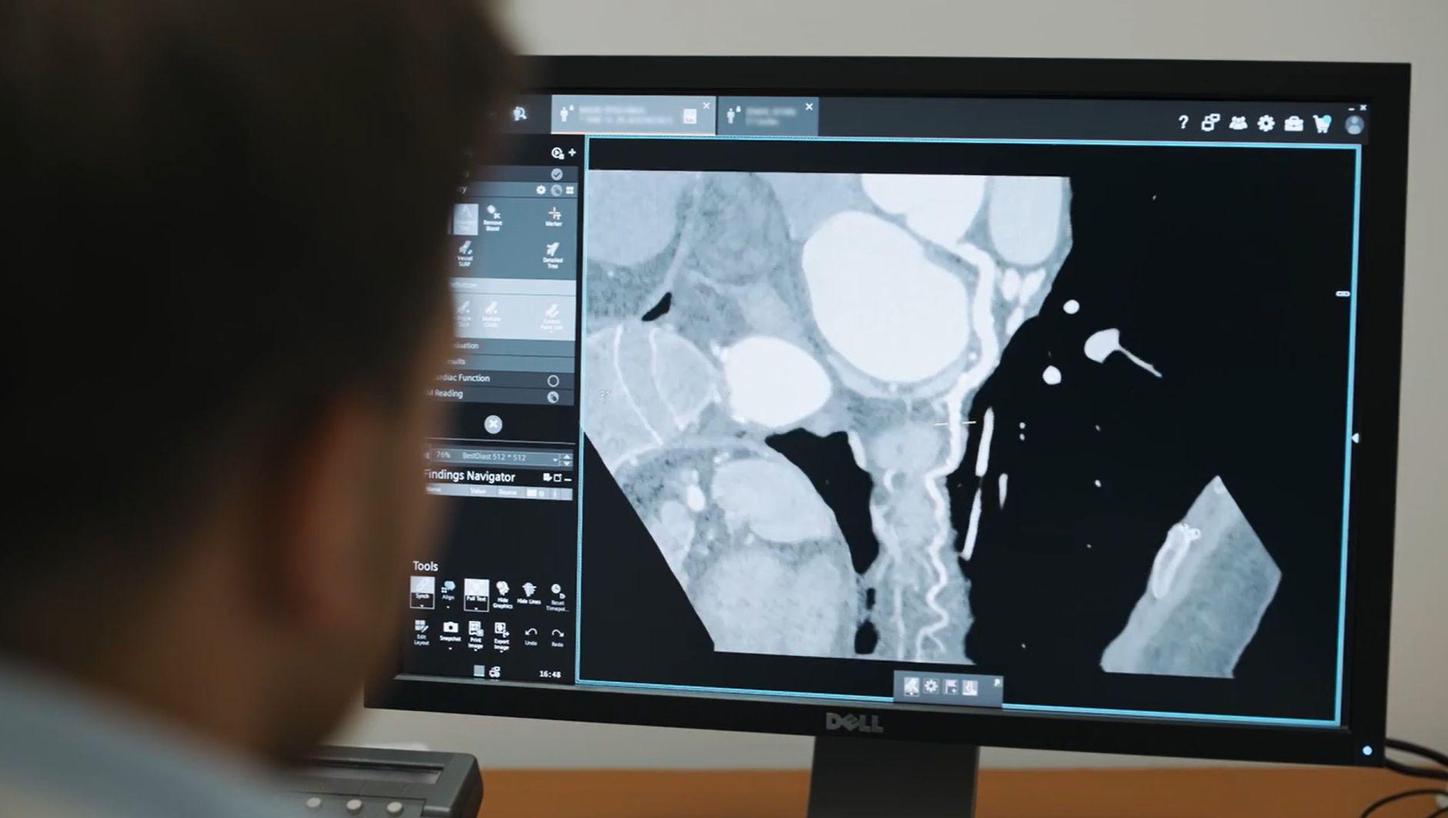
A strong example is Syngo.CT Coronary Cockpit1 from Siemens Healthineers. The software supports clinicians in diagnosing and treating coronary artery disease by enabling automated, AI driven plaque analysis and the planning of percutaneous coronary interventions (PCI) using coronary CT imaging. The goal is to make plaque characteristics visible and to support decision making along the entire care pathway.

A person viewed from behind looks at a computer monitor displaying a medical imaging software interface. The screen shows a grayscale CT scan with anatomical structures, tools, and navigation panels surrounding the image.
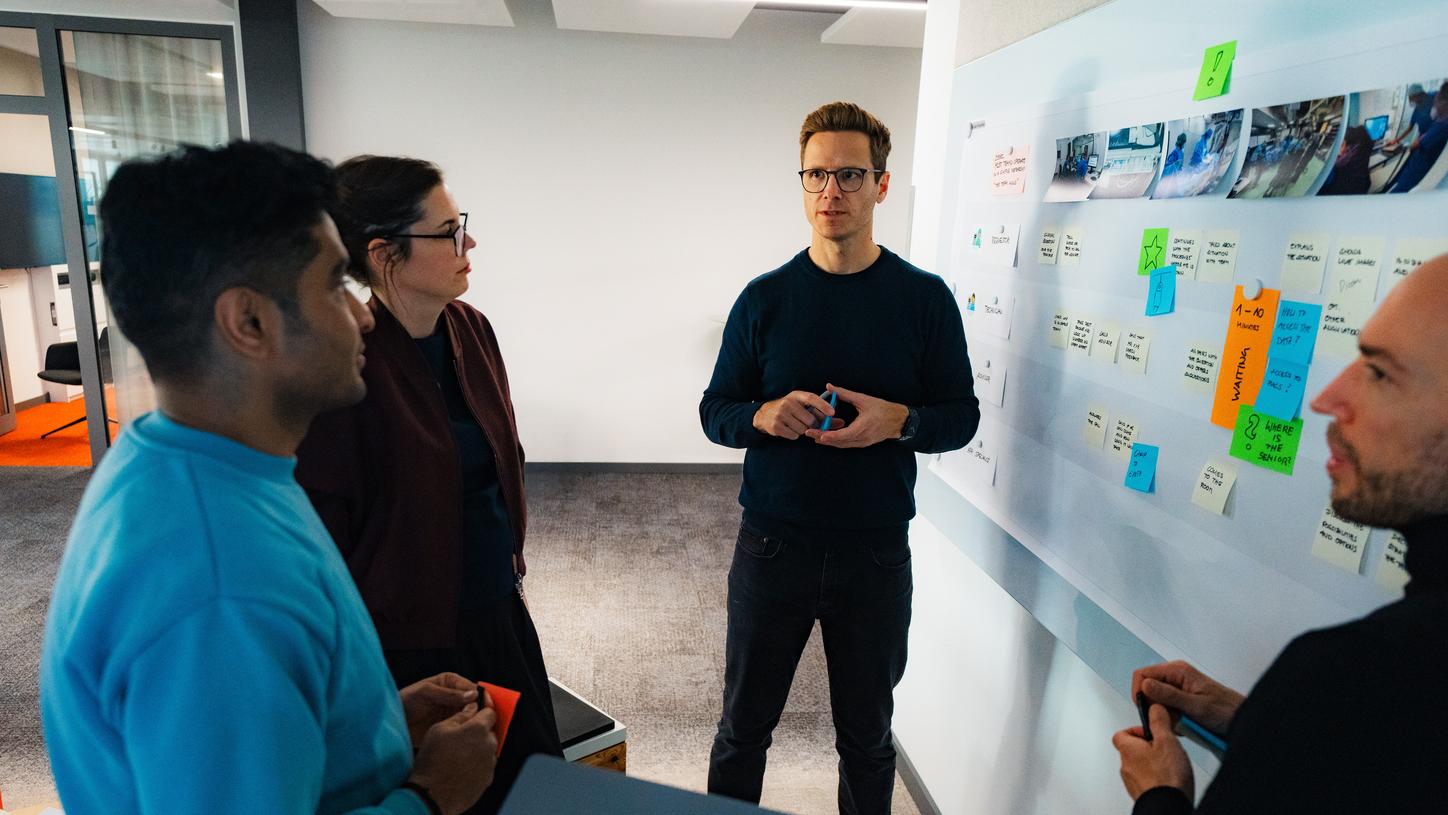
From the very beginning, cardiology and radiology professionals were actively involved. Requirements and ideas were gathered through workshops, translated into prototypes, and iteratively tested with users. This collaborative process resulted in an intuitive user interface and a system that can help increase diagnostic confidence.

“We can only make assumptions about what works. It’s only through dialog with physicians and nursing staff that we learn how AI will truly be accepted,” says Röhrig. UX design brings concepts to life early on, enabling joint validation and laying the foundation for technical implementation and economic feasibility.

For this to succeed, he values interdisciplinarity, diverse perspectives, and strong clinical understanding within his team. “Only those who understand daily clinical practice can develop relevant solutions.” And mistakes are part of the process: “We want to quickly understand what doesn’t work so we can learn from it.”
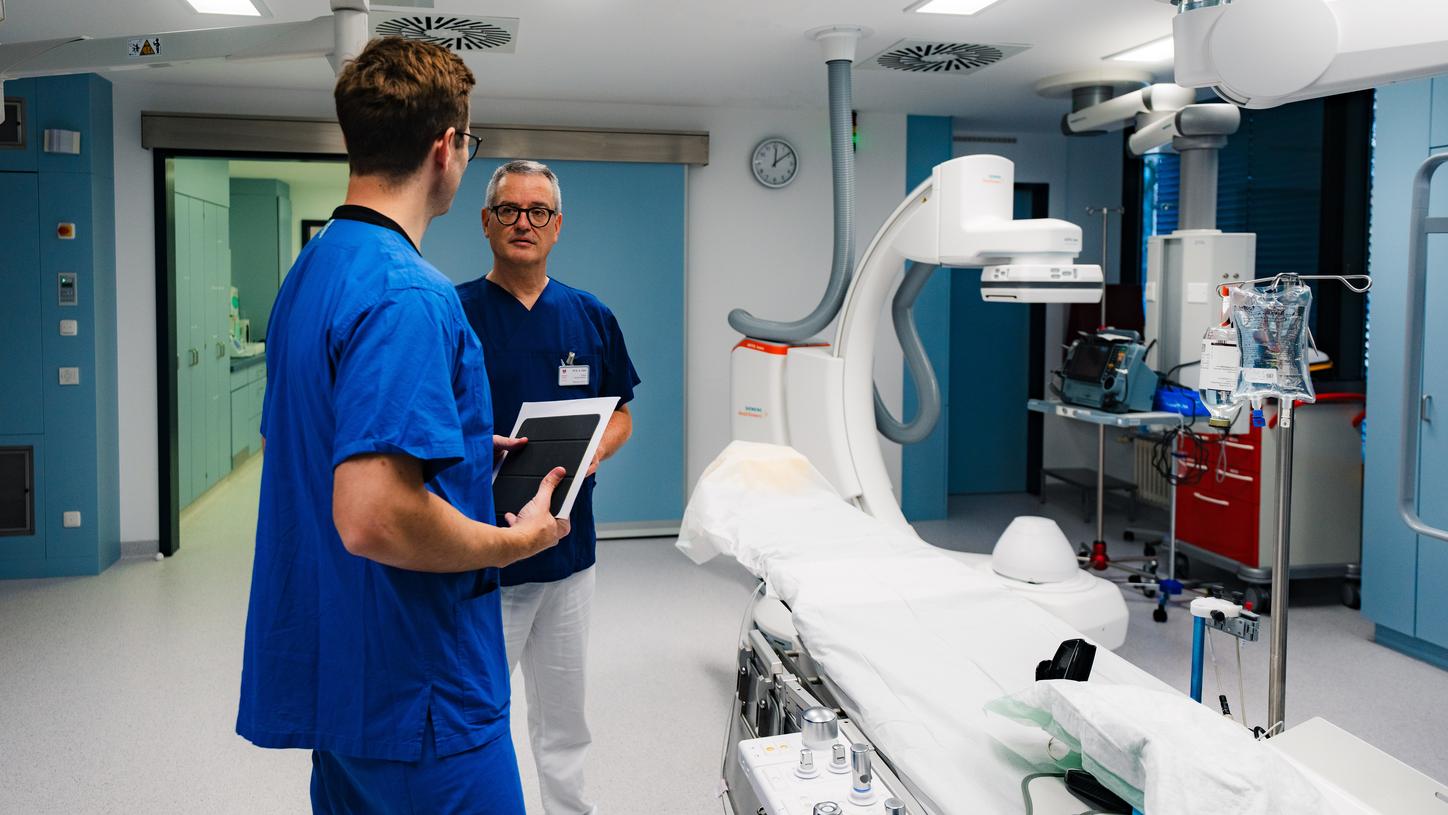
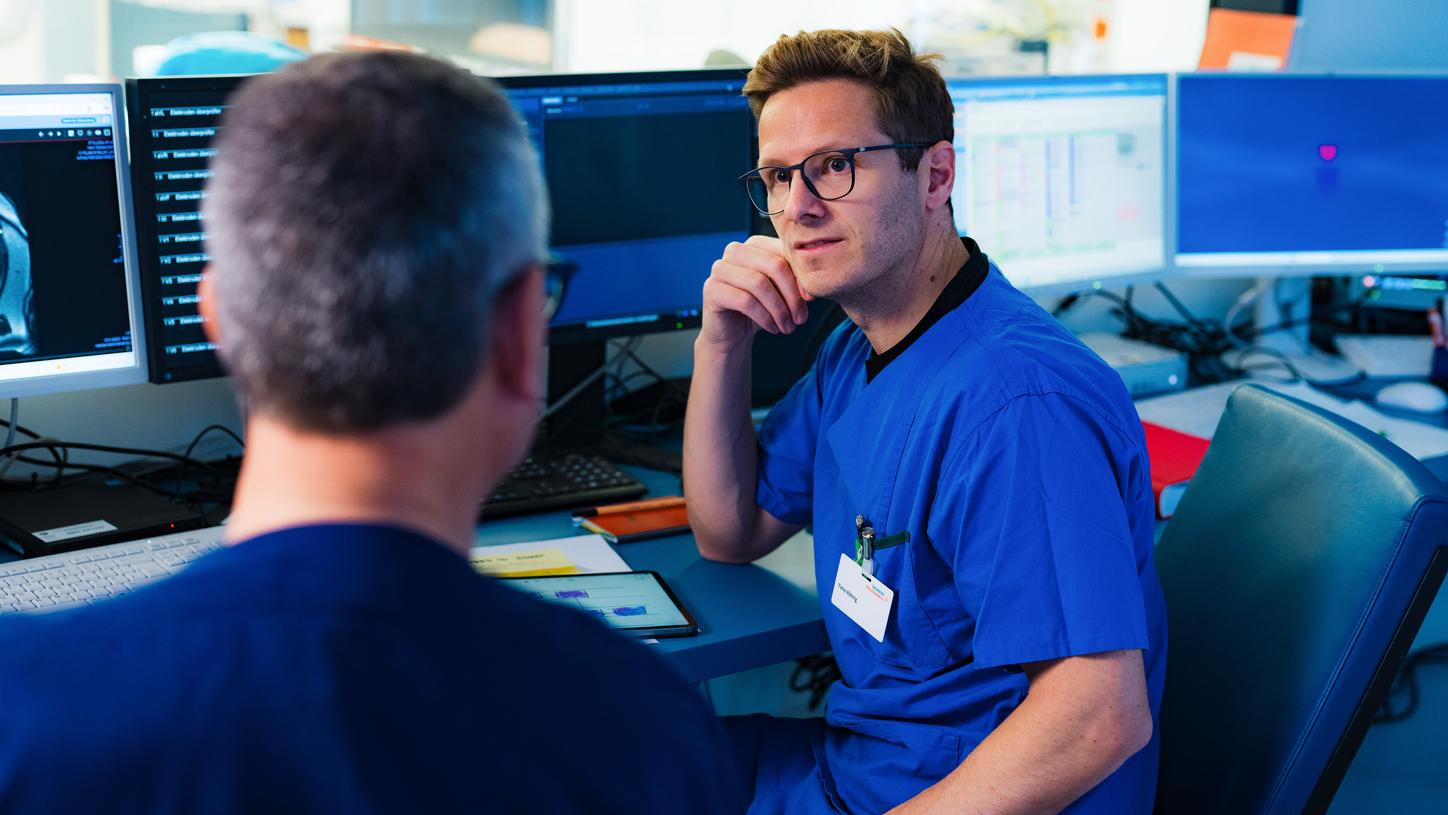
Become ​part of the team

Are you passionate about healthcare? Join us, one of the largest employers in the medtech industry, and become part of team Siemens Healthineers.

What keeps him motivated during lengthy projects? “I love diving into complex problems and explaining them in simple terms. Working with physicians and nursing staff is incredibly inspiring. You’re constantly learning, always with the goal of helping people.” 

In his free time, surfing teaches Röhrig to read the ocean, choose the right moment, and commit. He brings the same mindset to UX design: by observing carefully and spotting opportunities, he explores new paths together with clinical teams and colleagues. With this human-centered approach, Röhrig creates solutions that improve workflows in healthcare and build trust–a vital foundation for tomorrow’s medical technology.


By Rebecca Murr
Rebecca Murr is an editor at Siemens Healthineers, specializing in career, technology, and innovation topics.