






Sustainability

No compromises

How a Finnish healthcare provider is investing with sustainability in mind.
Julia Donhauser-Bach
Published on October 31, 2025
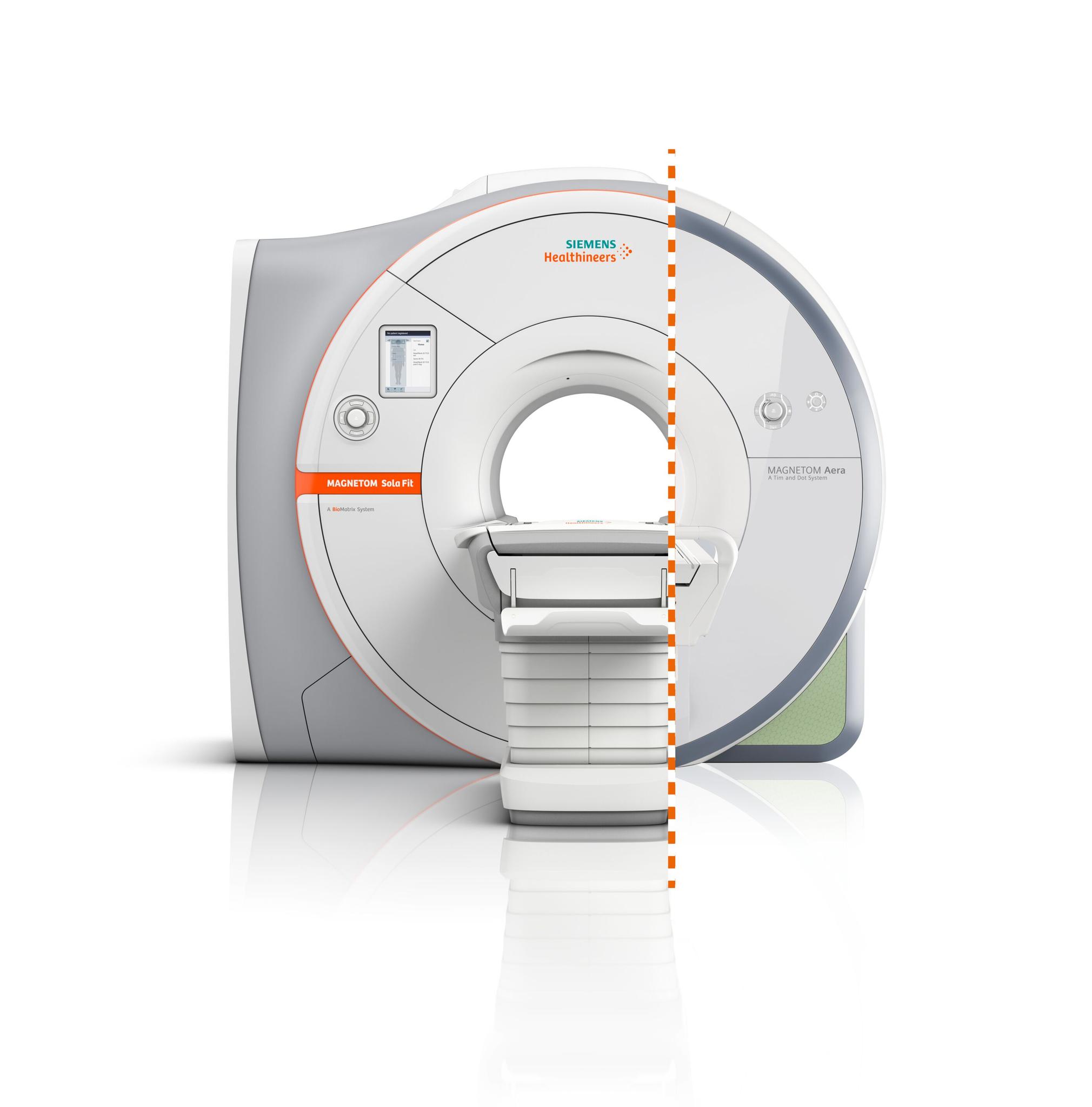
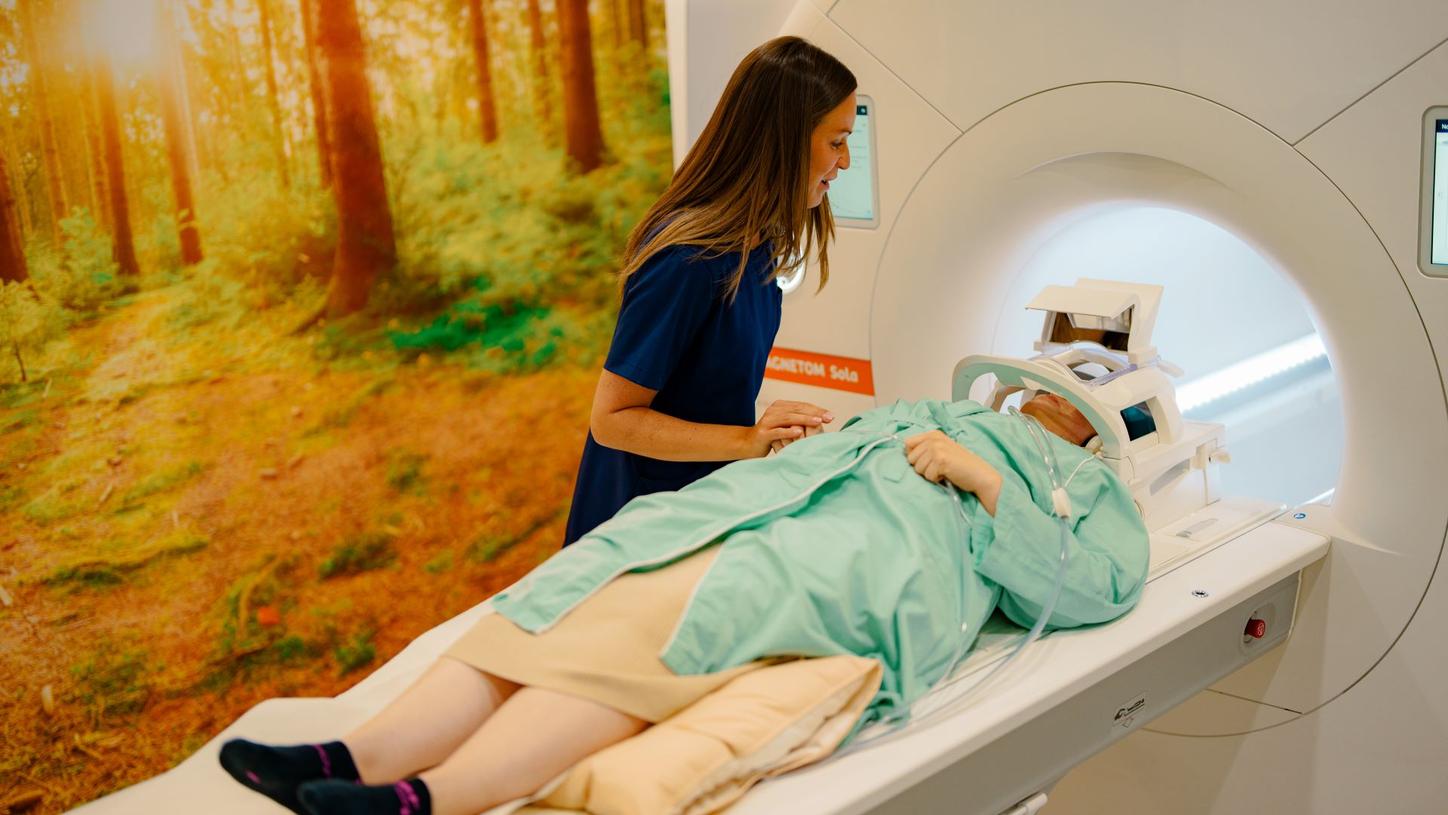
The latest investment at a healthcare center in Tikkurila, Finland, looks like a state-of-the-art magnetic resonance imaging (MRI) system: a flawless white casing, clean lines, and an intuitive user interface. And that’s exactly what it is – except that it’s not brand-new. This is precisely why it was chosen.

This MRI system is a refurbished product of the ecoline portfolio from Siemens Healthineers – pre-owned equipment that has been thoroughly overhauled to a level as good as new. For the private Finnish healthcare provider Terveystalo, with a network of hundreds of clinics and medical centers, this was a decisive factor. Sustainability is at the heart of the company’s philosophy. The choice of Siemens Healthineers as their supplier was no coincidence; it reflects a shared commitment to responsibility – for the climate, for healthcare, and for the future.


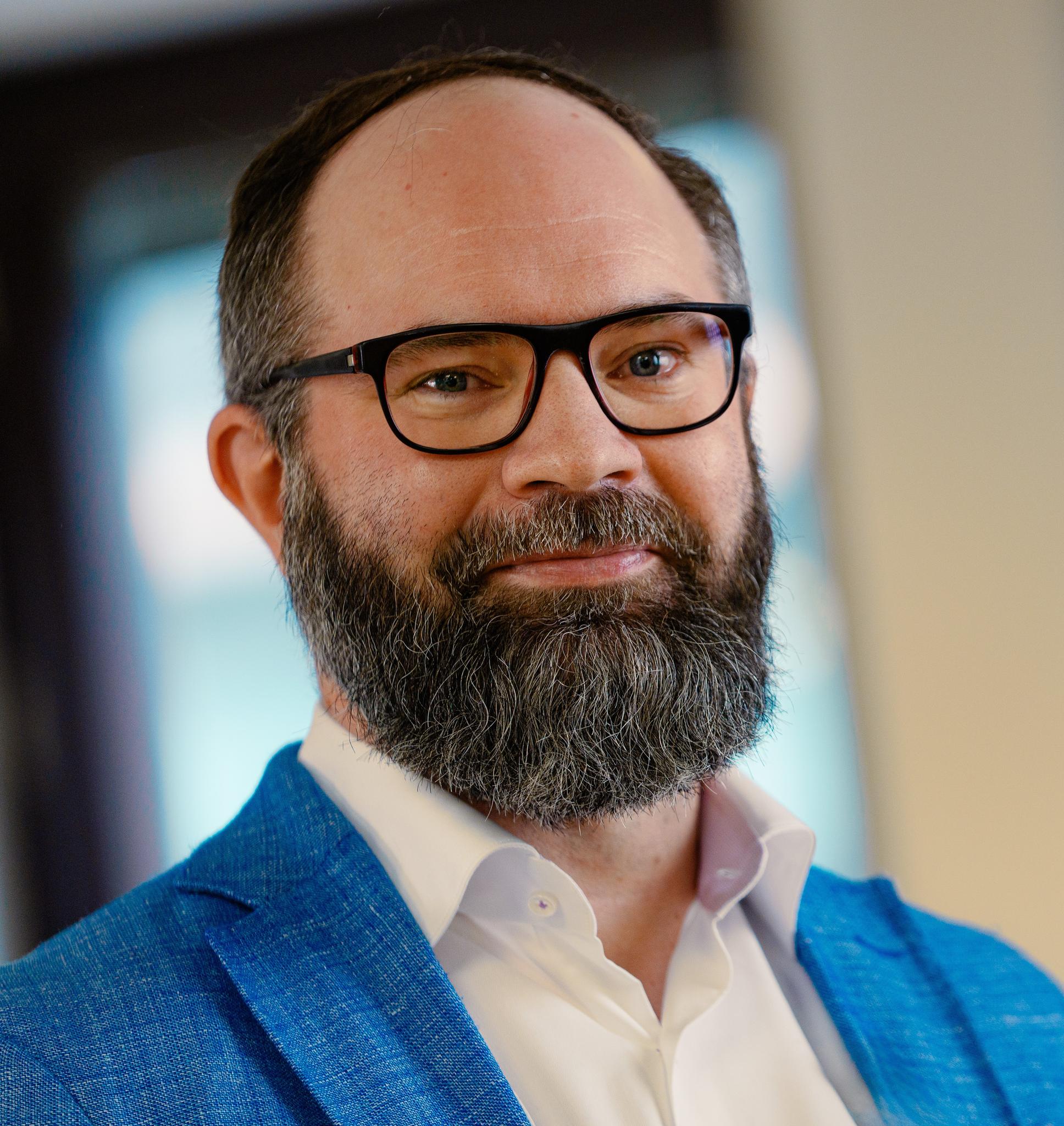
Kati Kaksonen, Vice President Investor Relations and Sustainability

For Kati Kaksonen, Vice President Investor Relations and Sustainability at Terveystalo, this is more than simply a statement – it’s a firm conviction that sustainable action is key to long-term business resilience. “Only companies that integrate ecological and social factors early on will remain economically successful over time.”

Terveystalo’s sustainability goals focus, on the one hand, on environmental responsibility. This includes energy efficiency, reducing CO₂ emissions, conserving resources, and promoting circularity. On the other hand, the healthcare provider emphasizes ethical business practices across the entire value chain. In addition, Terveystalo is committed to people-centered care by supporting employee engagement and wellbeing, enhancing the patient experience, and improving care effectiveness.

Every investment is systematically evaluated across these dimensions. When it comes to medical technology, circularity, longevity, and efficiency are not nice-to-haves – they’re the baseline.

These are precisely the areas that Siemens Healthineers also pursues strategically and has deeply embedded within its own processes. That made Siemens Healthineers an ideal partner. The company draws on 25 years of expertise in refurbishment. In addition, the company offers innovative upgrades, comprehensive maintenance, and stable service parts availability. “Refurbished systems and upgrades aren’t second-best options for us,” says Kaksonen. “They are smart, sustainable, and clinically equivalent solutions. For us, it’s a no-brainer business case.”

The days when refurbished systems were simply budget-friendly alternatives are long gone. Today, they are given equal consideration with new medtech systems during investment decisions.


Erika Aallonvuori, Director of Procurement, Premises and Technology at Terveystalo, Finland.

This total cost of ownership calculation goes far beyond the purchase price, factoring in maintenance, service, spare parts, and software updates over the product’s entire life cycle.

Maintenance and service play a vital role. “A system is only as good as the quality of its maintenance; but true strength lies in the ability to leverage data for continuous improvement. Regular servicing, rapid response times, reliable parts availability, and analytics-driven upgrades allow for long-term performance across multiple life cycles,” says Jarno Suominen, Technology Manager at Terveystalo. Refurbished systems and upgrades also come with service options – a critical factor for long-term investment confidence.

It’s important to understand that sustainability is a multi-layered concept: “It’s not just about whether something can be recycled at the end of its life cycle. What really matters is how we can extend the life cycle and optimize performance through intelligent utilization, maintenance, and upgrades,” says Suominen.

Another commonly used option are system upgrades. Instead of replacing entire systems, only specific components are modernized with the latest technology. In MRI systems, for instance, the particularly resource-intensive component, the magnet, remains on-site while the components around it are updated to a state-of-the-art system.

“Upgrades are a prime example of circular thinking in action,” says Suominen. “We retain the durable, material-intensive core – and replace what’s necessary through a combination of hardware and software updates. That means saving materials, cutting transport emissions and CO₂ emissions, while maximizing full performance.”

For Suominen, technology is not a value in itself, but rather a tool. He thinks transparent measurability and assessments are key factors in decision-making without forgetting the perspectives of patients and staff. Every purchase is assessed on cost-efficiency, long-term maintainability, physical and digital safety, usability – and above all – clinical value. 


Jarno Suominen, Technology Manager at Terveystalo, Finland.

This is where cutting-edge technologies like artificial intelligence (AI) come into play: both refurbished systems and upgrades can be equipped with the latest software solutions.

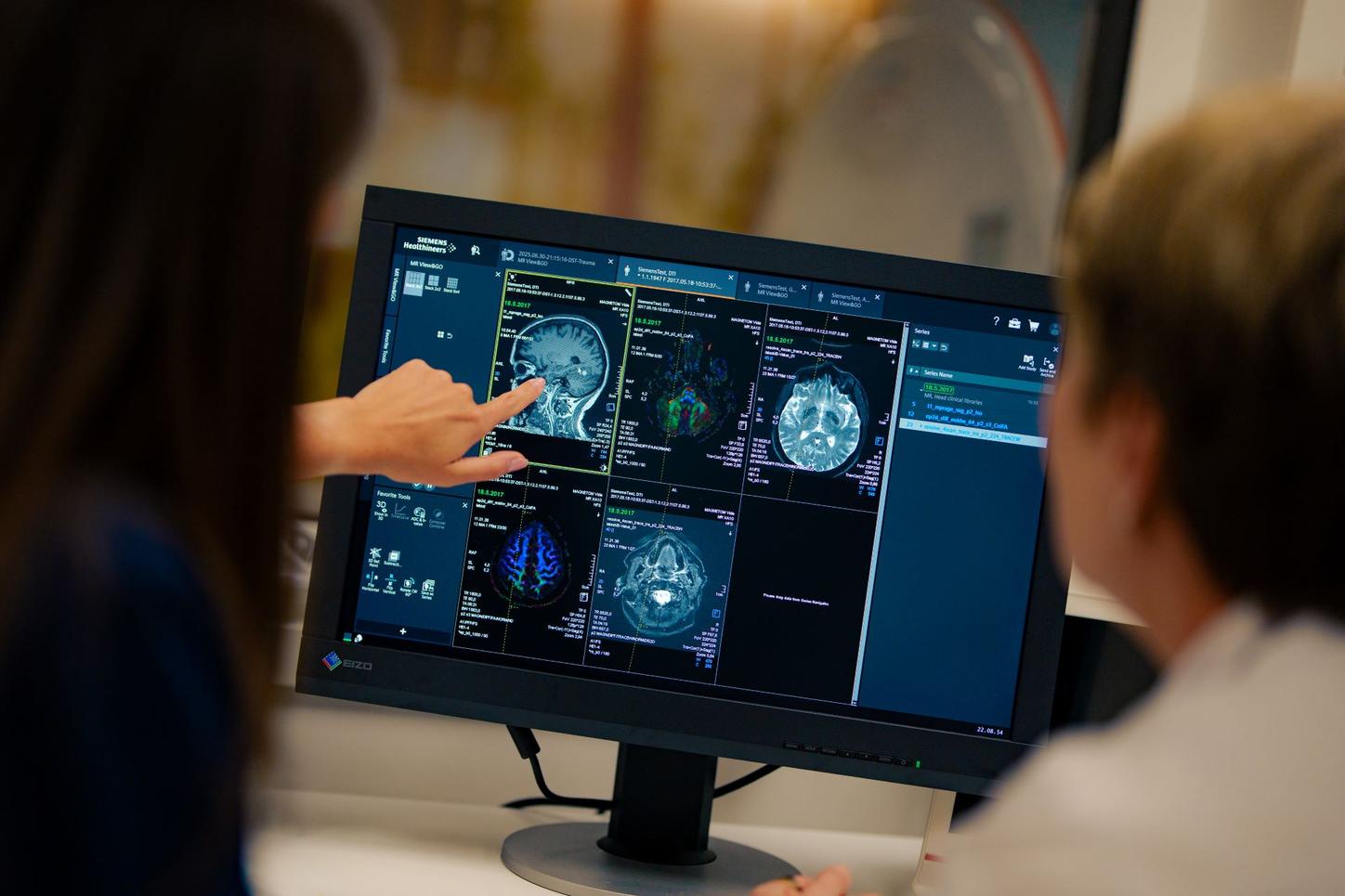
Technologies such as the Deep Resolve software application demonstrate what’s possible when sustainability and innovation are approached together. Developed by Siemens Healthineers, the AI-powered MR image reconstruction tool enables shorter scan times and enhanced image quality – and is fully compatible with MRI ecoline refurbished systems as well as MRI Fit Upgrades. This translates into tangible benefits for all stakeholders. Patients spend less time in the scanner – a major comfort advantage, particularly for children, older, anxious, or sensitive individuals. Radiologists gain access to sharper images and smoother workflows. Hospitals can save time, increase efficiency, and reduce energy usage.


Jukka Erkkilä, Director for Medical Imaging and Screening at Terveystalo.

The takeaway: artificial intelligence isn’t the exclusive domain of new systems. It’s a performance promise – even within a circular economy.

By giving equal consideration to new systems, refurbished systems, and upgrades in investment decisions, and by making targeted use of intelligent technologies, Terveystalo demonstrates that sustainability, cost-effectiveness, and medical excellence can go hand in hand.

“It’s about creating long-term value, using resources responsibly, and maintaining the highest clinical standards,” Kaksonen concludes. “Sustainability is not a limitation – it’s the path to better healthcare.”


By Julia Donhauser-Bach
Julia Donhauser-Bach is press officer and editor at Siemens Healthineers.