








Oncology
Beyond cancer care: Why the heart must be part of the plan
At La Paz University Hospital in Madrid, cardiology and oncology specialists work side by side to monitor one of the most serious side effects of cancer therapy: cardiotoxicity. Their experience shows that AI-supported reproducible ultrasound imaging and structured collaboration are essential to protect patients’ hearts without compromising treatment.
Published on May 8, 2026
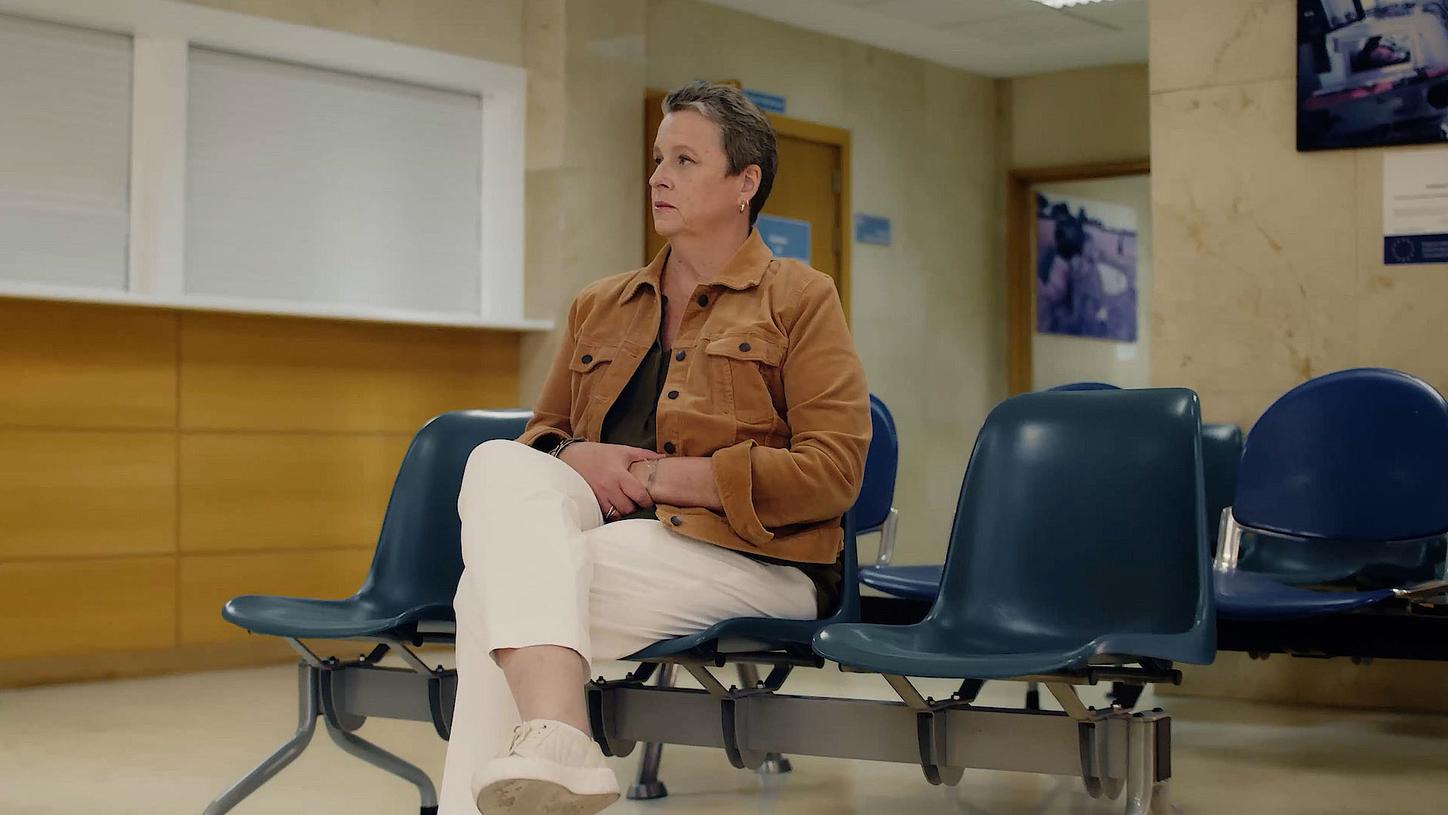
Cancer care is not only about treating cancer, it’s also about protecting the heart. For breast cancer patient Kathy S. Compton, this became reality during her treatment. At La Paz University Hospital in Madrid, cardiologists and oncologists work together as a dedicated cardio-oncology team to monitor and manage cardiotoxicity throughout therapy. Compton’s heart was not treated as a secondary concern. It was part of the plan from the very beginning.
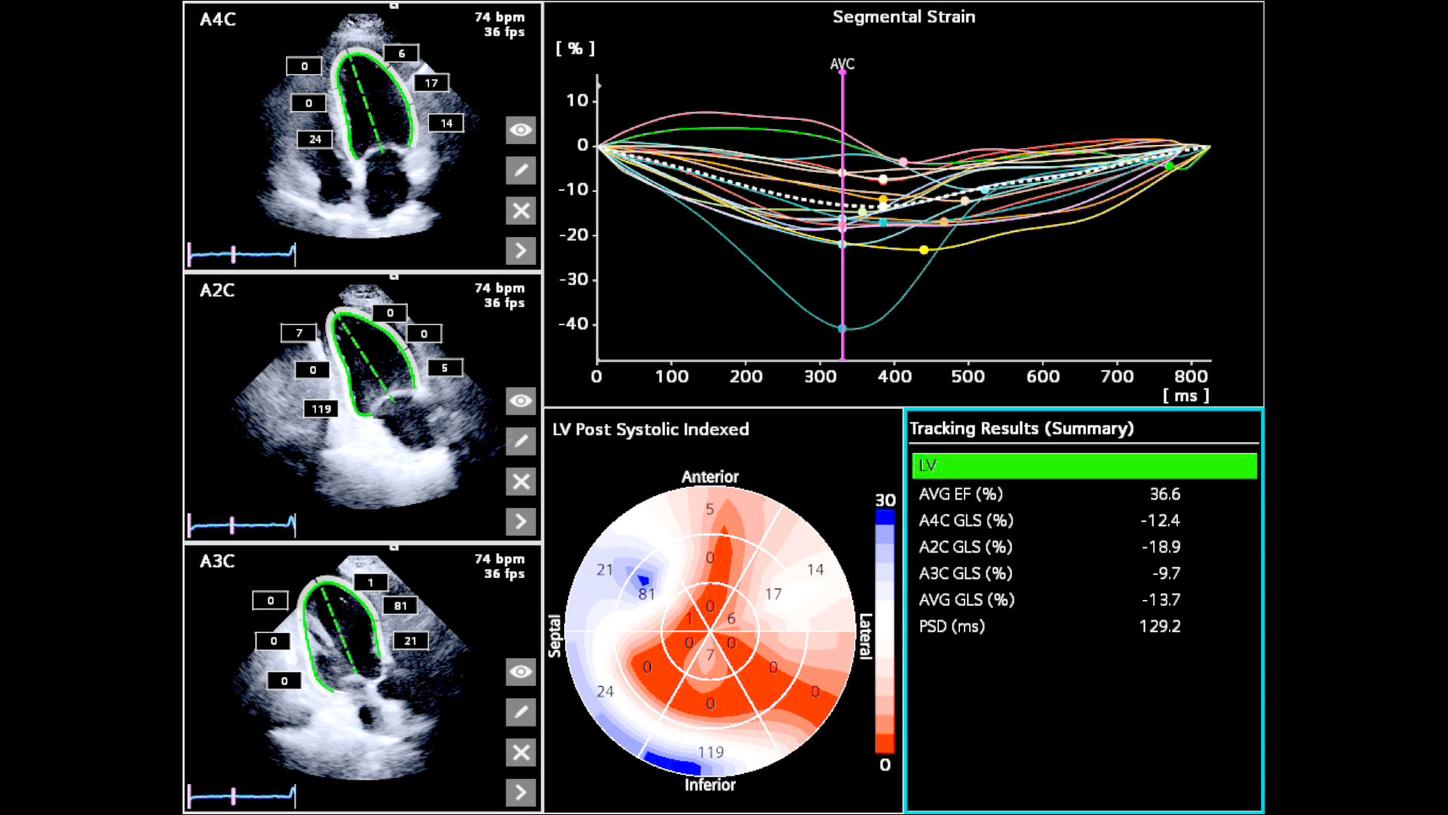
Abnormal strain pattern with ischemic cardiomyopathy with GLS -13 percent.


1. The products/features (mentioned herein) are not commercially available in all countries. Due to regulatory reasons, their future availability cannot be guaranteed.- The statements by customers of Siemens Healthineers described herein are based on results that were achieved in the customer's unique setting. Because there is no “typical” hospital or laboratory and many variables exist (e.g., hospital size, samples mix, case mix, level of IT and/or automation adoption) there can be no guarantee that other customers will achieve the same results.