








Artificial Intelligence
How AI is already improving healthcare today
When we use AI, it builds on real clinical and operational data to support better decision-making. Our team of experts develops, trains, and validates our AI algorithms while upholding data privacy and prioritizing data quality. From radiation therapy planning to hospital operations and treatment monitoring, these three examples show how AI is already helping care teams in everyday practice.
Published on March 3, 2026
AI-supported organ contouring

AI for simulating hospital operations
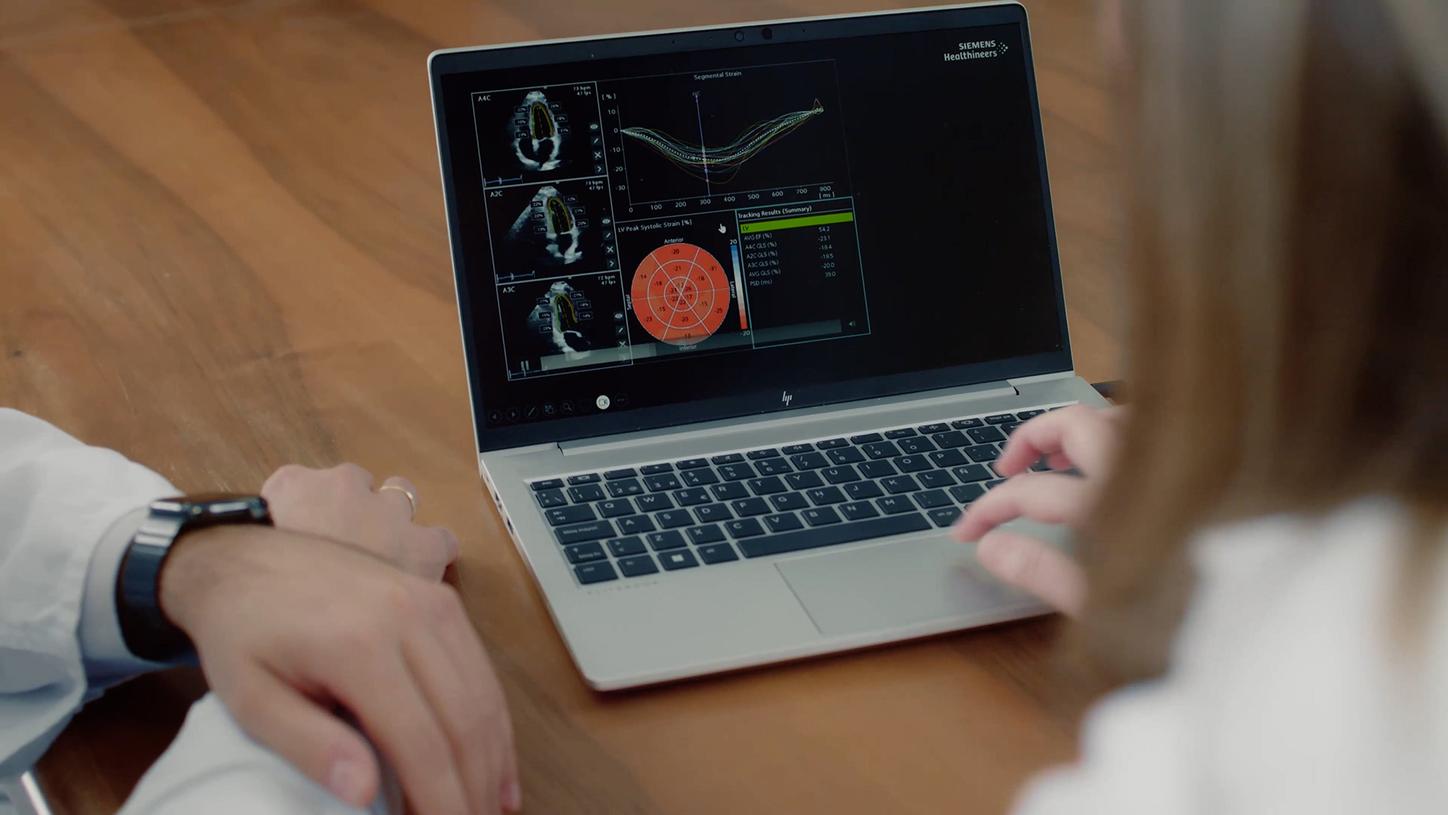
AI in cardio-oncology monitoring


The products/features and/or service offerings mentioned here are not commercially available in all countries. If the services are not marketed in certain countries due to regulatory or other reasons, availability cannot be guaranteed. Please contact your local Siemens Healthineers organization for further details.
The statements by customers of Siemens Healthineers described herein are based on results that were achieved in the customer's unique setting. Because there is no “typical” hospital or laboratory and many variables exist (e.g., hospital size, samples mix, case mix, level of IT and/or automation adoption) there can be no guarantee that other customers will achieve the same results.