








Press release
Siemens Healthineers Invests 70 million Euros to Expand Kemnath Site
Published on July 15, 2026
Image gallery
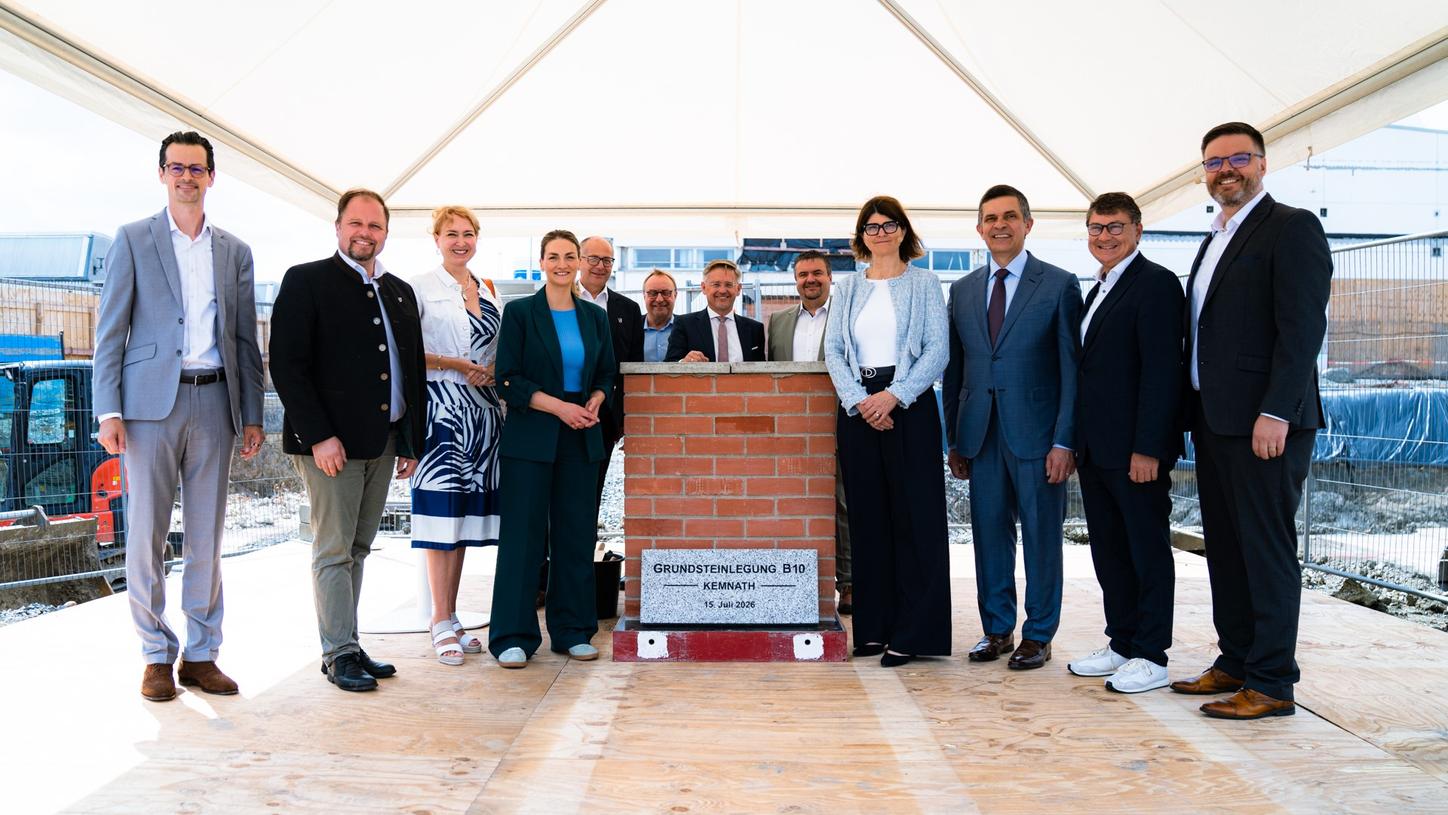
Ceremonial groundbreaking in Kemnath: Guests included the Bavarian Minister of Health Judith Gerlach, Tirschenreuth District Administrator Hubert Schicker, Kemnath Mayor Roman Schäffler, and Siemens Healthineers Managing Board Member Elisabeth Staudinger.
Download image

Download this press release
(pdf, 244.49 KB)Contact

Siemens Healthineers 2026
Siemens Healthineers pioneers breakthroughs in healthcare. For everyone. Everywhere. Sustainably. The company is a global provider of healthcare equipment, solutions and services, with activities in more than 180 countries and direct representation in more than 70. The group comprises Siemens Healthineers AG, listed as SHL in Frankfurt, Germany, and its subsidiaries. As a leading medical technology company, Siemens Healthineers is committed to improving access to healthcare for underserved communities worldwide and is striving to overcome the most threatening diseases. The company is principally active in the areas of imaging, diagnostics, cancer care and minimally invasive therapies, augmented by digital technology and artificial intelligence. In fiscal 2025, which ended on September 30, 2025, Siemens Healthineers had approximately 74,000 employees worldwide and generated revenue of around €23.4 billion. Further information is available at siemens-healthineers.com.