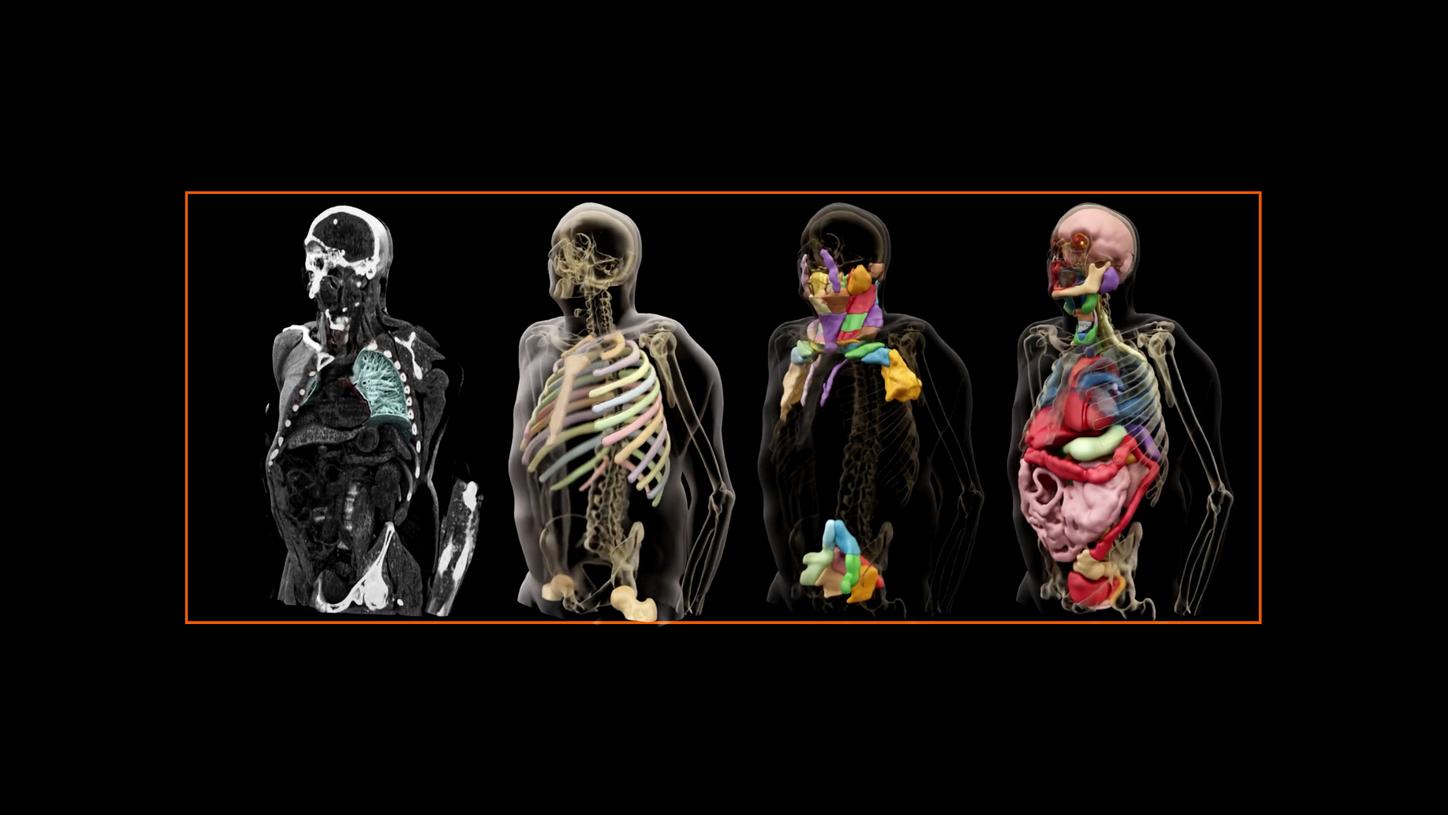
- Fully integrated for use with the Varian Eclipse treatment planning system to automate routine contouring
- Designed to help reduce manual effort and contouring variability, support more consistent and efficient planning and to streamline clinical workflow
- Enables clinicians to focus on patient-specific decisions while keeping full clinical control
The Siemens Healthineers business area Varian announced today that AI contouring capabilities for use with the Eclipse treatment planning system have received CE mark, representing an important step in the use of artificial intelligence to support radiation therapy planning. Seamlessly integrated into the clinical workflow with the Eclipse treatment planning system, the AI contouring device provides automatic contouring of more than 200 pre-defined structures based on CT and MR images, including organs of interest, lymph nodes, and known (diagnosed) brain metastases. The solution offers clinicians a standardized, high-quality starting point for review and refinement, with the aim of improving efficiency and contour consistency while preserving clinical oversight of treatment planning decisions.
In routine clinical practice, contouring of organs of interest and target structures remains one of the most manual, time-intensive, and variable steps in radiation therapy planning. Differences in interpretations, workload pressure, and increasing case complexity can introduce variability across care teams, adding planning effort and contributing to the overall burden on radiation oncology departments.
AI contouring is designed to reduce repetitive manual work in radiation therapy treatment workflows by providing a guideline-based starting point within existing clinical environments. By helping limit variability across cases and care teams, the solution supports more consistent, and efficient planning while preserving full clinical oversight. As a result, care teams can spend more time on decisions that require human judgment for truly personalized care.
“The promise of artificial intelligence in cancer is not about replacing clinical judgment, it’s about creating the conditions for it to thrive,” said Ashley Smith, head of Digital Oncology at Siemens Healthineers. “By taking friction out of routine processes, we allow clinicians to focus more fully on the decisions that shape each patient’s care. That is how we move toward cancer treatment that is more consistent, more efficient, and more human.”
“Building on our experience with AI contouring, we are integrating this capability into radiotherapy workflows, enriching treatment planning with Eclipse, and helping to broaden actionable access to AI-enabled precision consistently throughout the entire workflow,” said Rebecca Schuster, head of Cancer Therapy Imaging at Siemens Healthineers.
AI contouring capabilities for use with the Eclipse treatment planning system will be showcased at the annual congress of the European Society for Radiotherapy and Oncology (ESTRO 2026) in Stockholm, Sweden, where Siemens Healthineers will highlight intelligent-workflow innovations that streamline treatment planning and support more consistent clinical practices, enabling care teams to focus more on personalizing patient care and elevating cancer care across the entire patient journey.
Further information on ESTRO 2026 can be found here.