





Sustainability

A smart move for energy efficiency

How Luz Saúde and Siemens Healthineers are reducing MRI energy use and CO₂ emissions while improving operational efficiency and maintaining a high quality of care.
10min
Andrea Lutz
Published on July 10, 2026
What if your clinical team could scan up to 50 percent more patients — without adding more scanners or technical resources? The impact would be transformative: greater operational efficiency, lower costs, and faster, more seamless patient care. 

Together, Luz Saúde in Portugal and Siemens Healthineers are proving that sustainability is far more than an environmental goal: It can also be a powerful driver of innovation and transformation across hospital operations.

Healthcare accounts for nearly four percent of global CO₂ emissions — putting growing pressure on hospitals to rethink how they are built, run, and monitored.

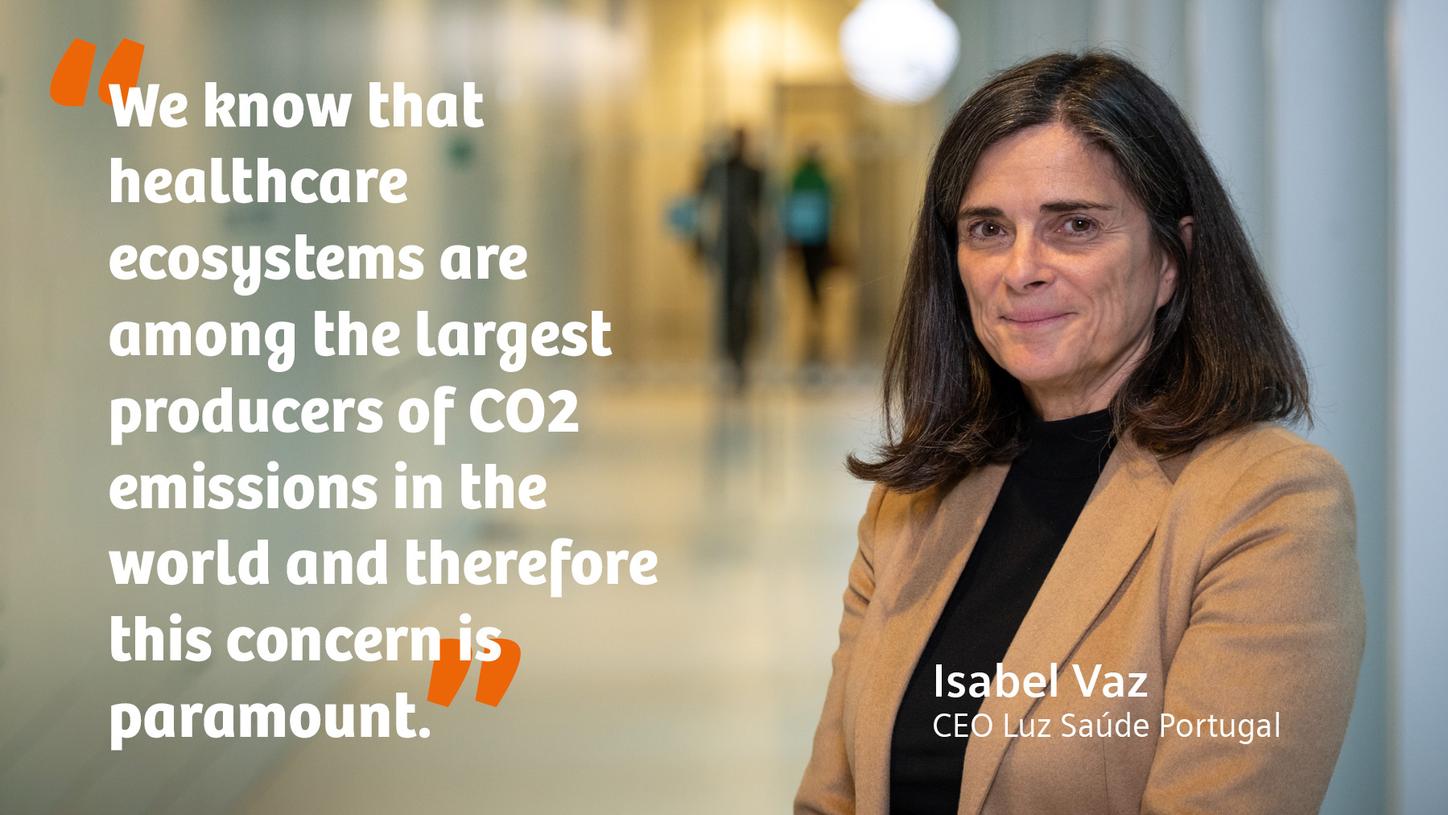
In Portugal, the transition toward a more sustainable healthcare sector is already gaining momentum. For Isabel Vaz, CEO of Luz Saúde, sustainability is no longer just an environmental responsibility — it has become a strategic priority, deeply embedded in the core values of Luz Saúde: “Our mission is to deliver high‑quality healthcare while ensuring the long‑term sustainability of both our organization and the wider health system.”

Portraite Isabel Vaz with quote

Increasing patient throughput doesn’t always require new equipment or additional medical staff. Often, the real opportunity lies in taking a closer look at existing workflows and finding smarter ways to use the infrastructure already in place. A joint project between Siemens Healthineers and Luz Saúde, which is based on ActGreen Energy Efficiency Services demonstrates how advanced technology, data-driven insights, and intelligent energy monitoring can significantly reduce energy consumption and emissions while improving operational efficiency in large, modern hospitals.


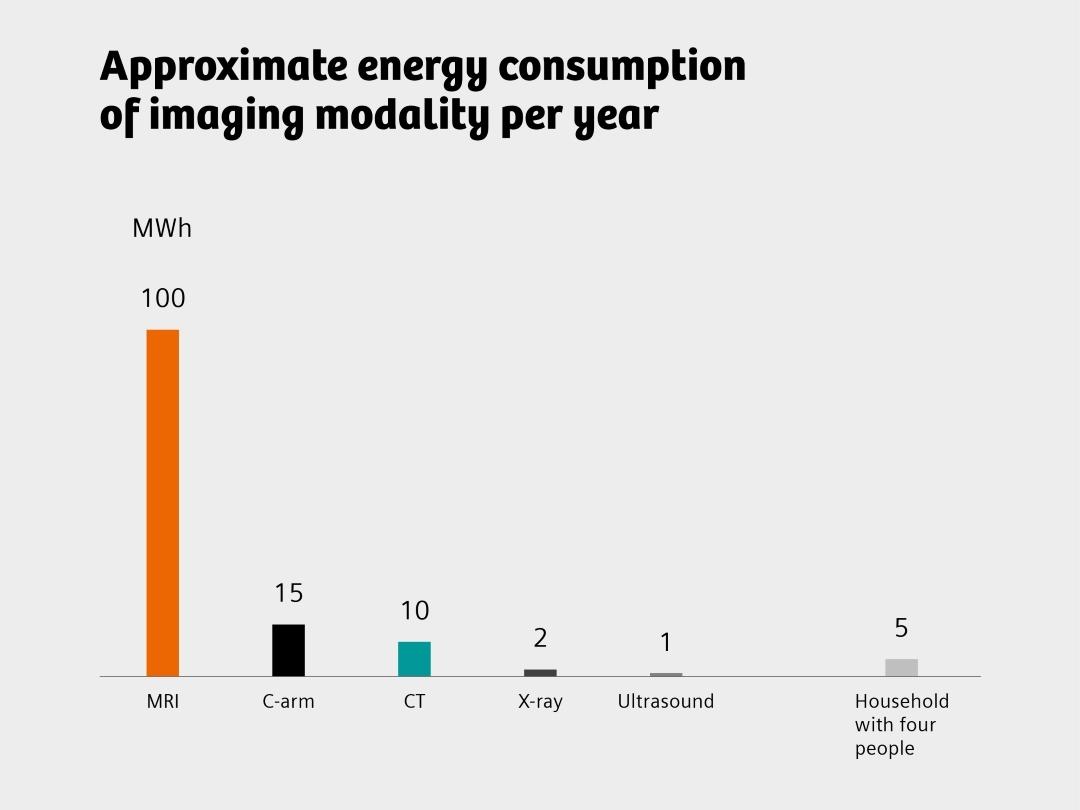
In its initial phase, the pilot project focused on medical imaging — a major source of hospital energy consumption. Roughly 7.5 percent of a hospital’s total energy demand comes from radiology, with MRI being the most energy intensive imaging modality [1].


Graph of energy consumption of different imaging modalities

The initiative began with an in-depth analysis of 10 MRI systems and their chillers, combining intelligent monitoring with practical measures such as Eco Power Mode and automated shutdown protocols. 
The impact of AI-powered image reconstruction was also evaluated to assess its potential to accelerate MRI scanning. In parallel, solutions designed to reduce energy consumption during idle periods were assessed for their effectiveness.

The approach revealed potential hidden inefficiencies, enabled better forecasting of consumption patterns, and supported data‑driven operational decisions. The fact that the energy consumption of an MRI scanner was cut in half simply by shutting it down properly at the end of the day is just one example. Pedro Gonçalves, operations manager for Enterprise Services at Siemens Healthineers Portugal, shares the numbers: “We were able to identify clear energy savings of around 46 percent during MRI non‑productive periods, which translated into a highly meaningful reduction in overall consumption. We’re talking about nearly 200 MWh of energy saved. When looking at the full scalability potential for the entire group, this equates to roughly 92 tons of CO₂ avoided each year. For the 10 MRIs analyzed, the reduction equals the annual consumption of two to three typical four‑person households.”

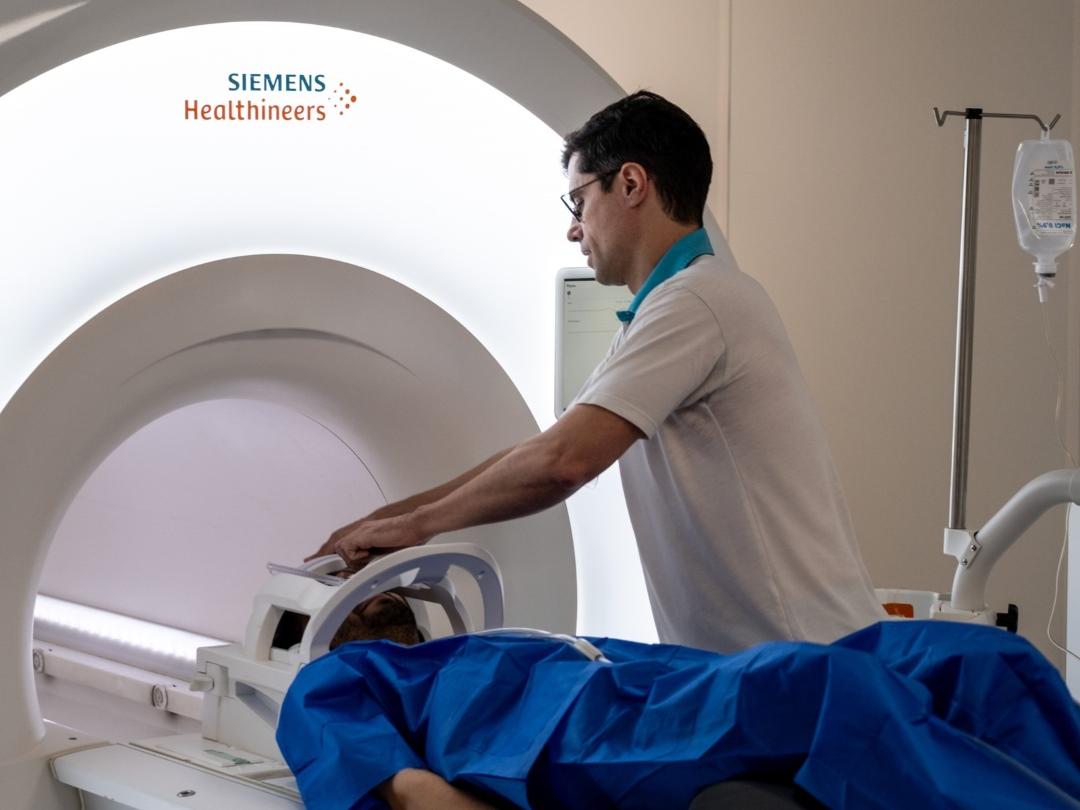
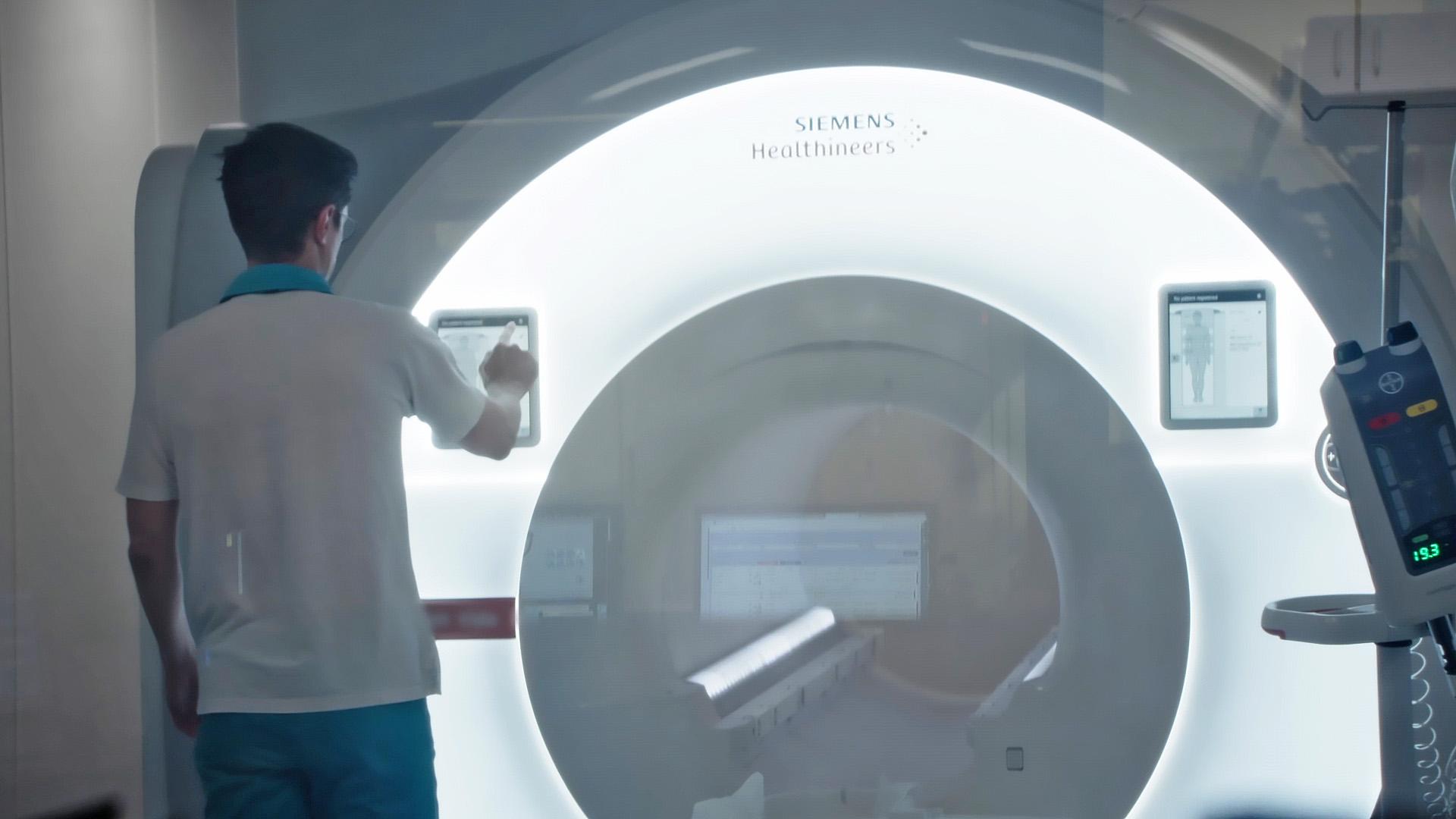
MRI system with lit display
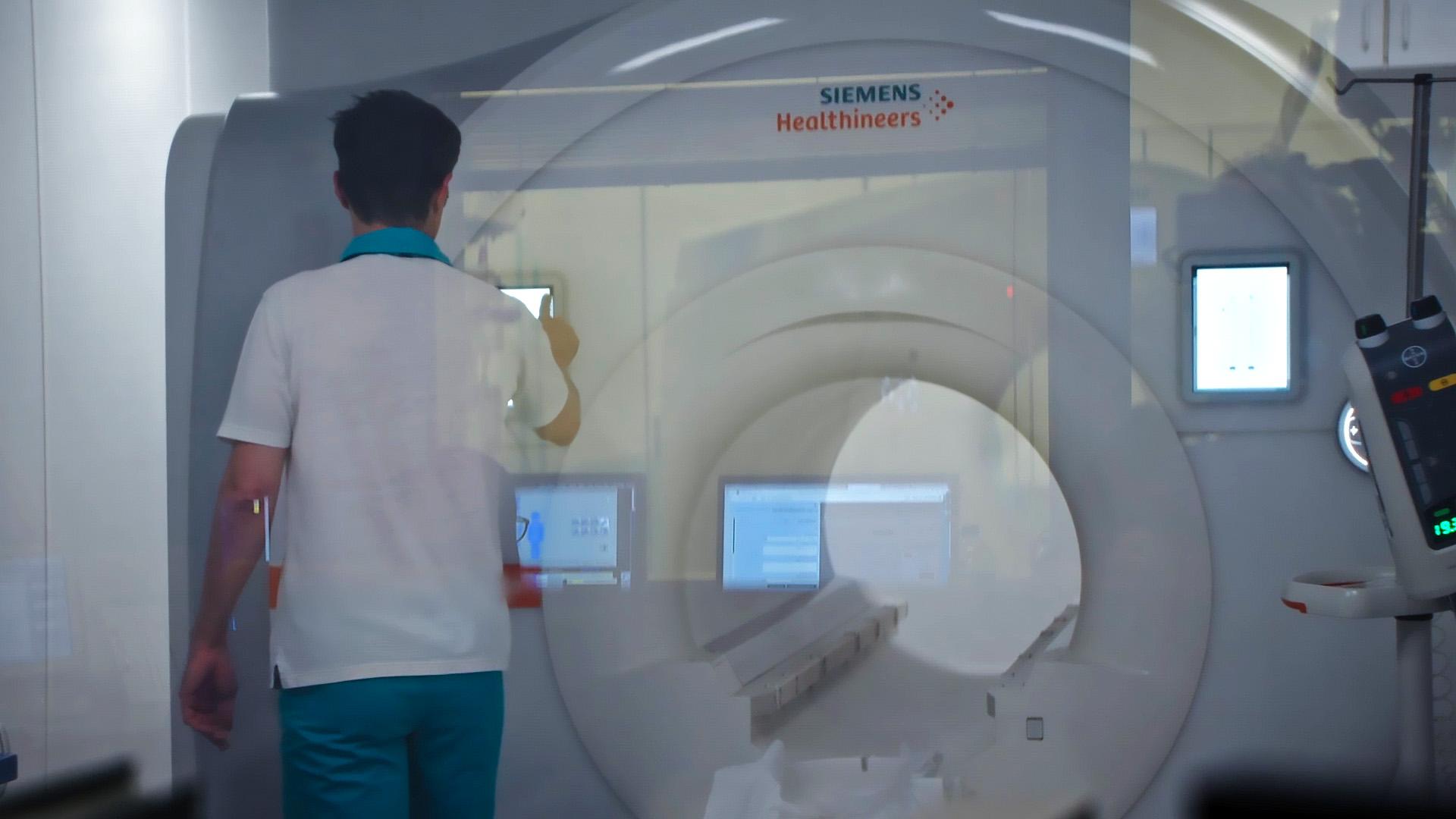
MRI system without lit display in Eco Power Mode

 A simple switch. A measurable impact.

Eco Power Mode and Turn Off cut energy use during non‑productive periods. The effect: a 46 percent reduction in MRI energy use during idle periods at Luz Saúde.

Artur Vaz, who is responsible for sustainability at Luz Saúde, confirms: “We are not among those who think that buying carbon credits solves the problem [...]"


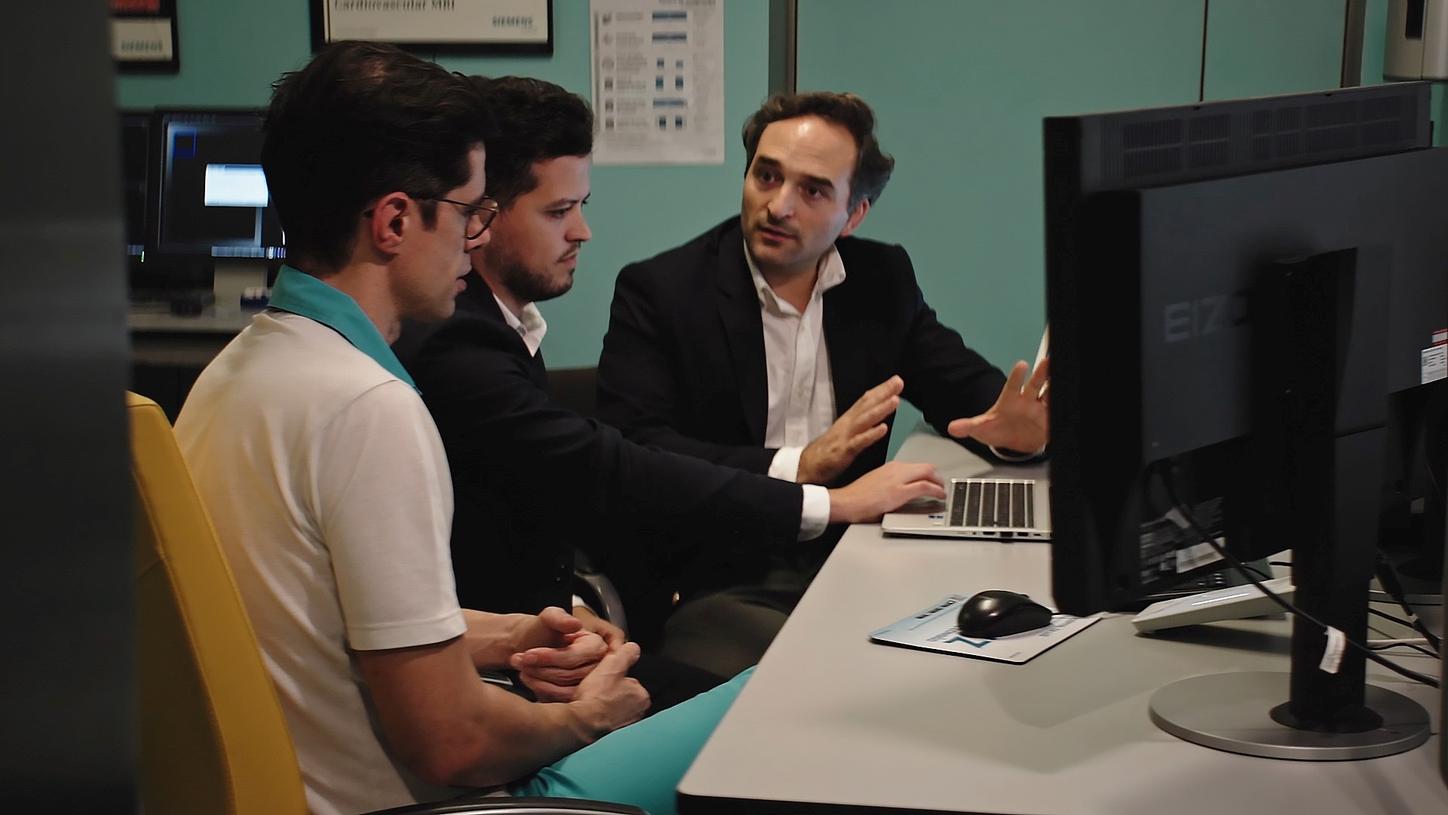
Artur Vaz from Luz Saude, Portugal, talking about Sustainability

As a second step, Deep Resolve was installed in some equipment. Deep Resolve is an AI-powered MRI image reconstruction technology that uses convolutional neural networks to enable shorter scan times while improving image sharpness and reducing noise. Some examination protocols were adjusted, and a blind test was conducted with Luz Saúde physicians to evaluate image quality and diagnostic confidence. Gonçalo Leal, head of medical imaging strategy and operations at Luz Saúde, observed: “The image was as good or even better than the image we had before, with the added advantage that the patient spent less time inside the machine, thus improving the patient experience.”

A convolutional neural network is a type of artificial neural network designed to automatically detect patterns in data, especially images. 

The long-term strategic collaboration between Siemens Healthineers and Luz Saúde reinforced a shared conviction: Sustainability and access to healthcare are not competing priorities — they are mutually reinforcing. “Our commitment to a more sustainable future is driven by creating value for customers like Luz Saúde, with a focus on reducing carbon footprints and improving energy efficiency. Through ActGreen Energy Efficiency Services, we deliver better performance and greater energy efficiency based on real energy consumption,” says Natalia Korchakova-Heeb, global lead for sustainable healthcare infrastructure at Siemens Healthineers.

By consistently implementing solutions across technology optimization, energy monitoring, and performance improvement — the three interconnected pillars of ActGreen Energy Efficiency Services — the project team in Portugal demonstrated that the energy transition in healthcare is not a distant ambition. It is already happening, and its impact can be measured, monitored, and optimized in real time.


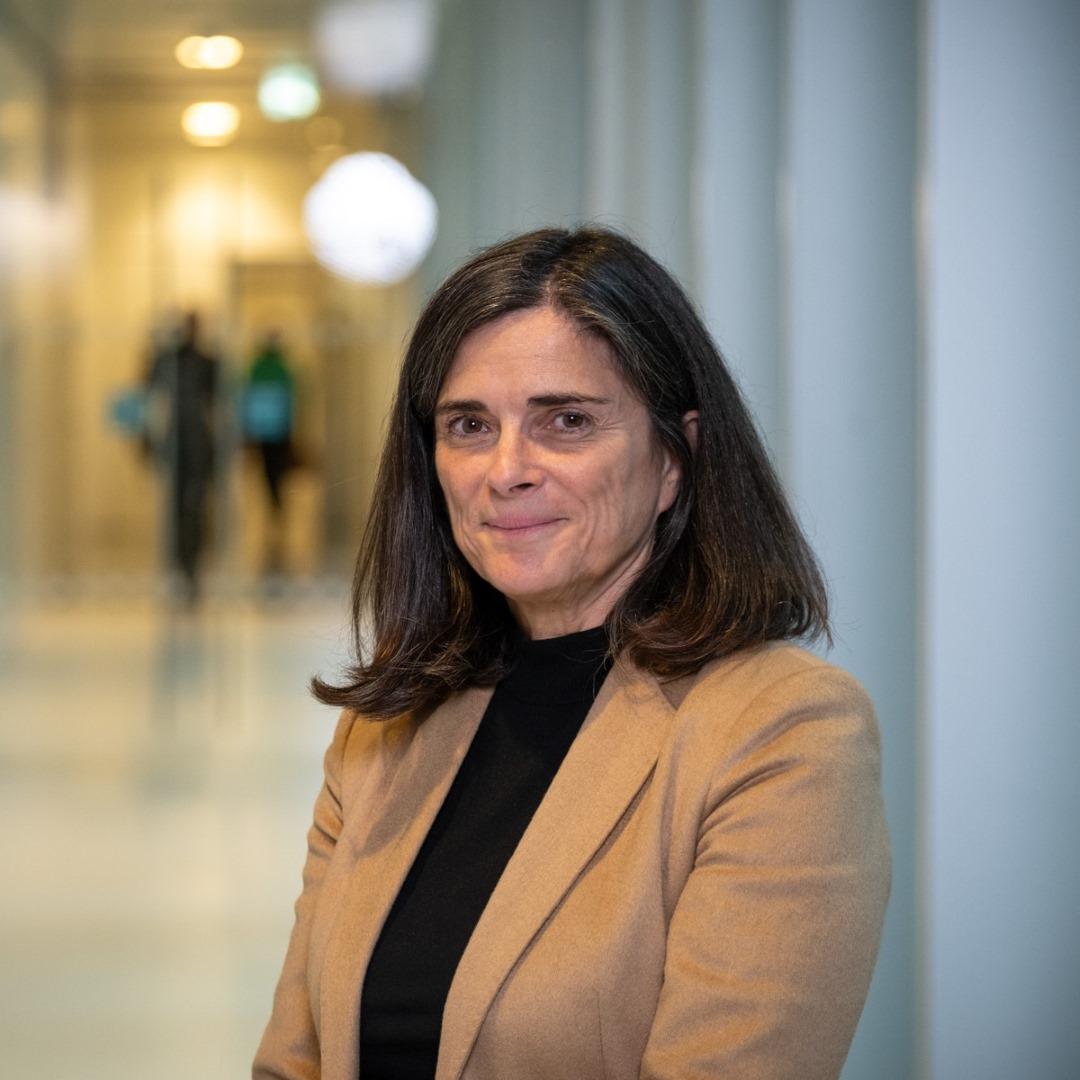
CEO of Luz Saúde, Isabel Vaz, standing in hallway of her institution.

For Gonçalo Leal, the initiative proved that this technology delivers both energy and financial efficiency: “It gives us confidence to scale the project across other infrastructure systems like heating, ventilation and air conditioning (HVAC), heavy medical equipment, and other major energy consumers.”

One of the project’s key goals is to now serve as a benchmark. The aim is to build a replicable model that can be deployed across hospitals and laboratories that have different profiles but are facing similar challenges, allowing the solution to scale across the healthcare sector.

By Andrea Lutz
Andrea Lutz is a journalist and business trainer specialized on medical topics, technology, and healthcare IT. She lives in Nuremberg, Germany.