





#Futureshaper

From HIV to Alzheimer’s: 
A life dedicated to developing blood tests

Whether for a routine checkup or a critical diagnosis, the chances are you’ve had a blood test developed by him or his team. Meet Jim Freeman, the innovator behind in vitro diagnostic tests that improve outcomes for countless patients worldwide.
10min
Carolin Gietl
Published on November 21, 2025
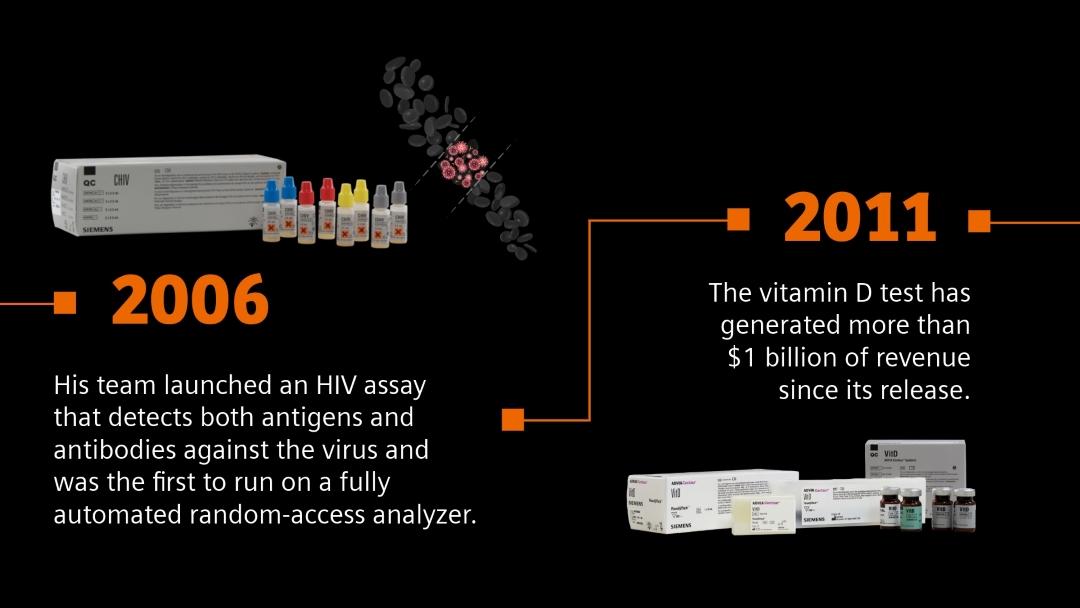
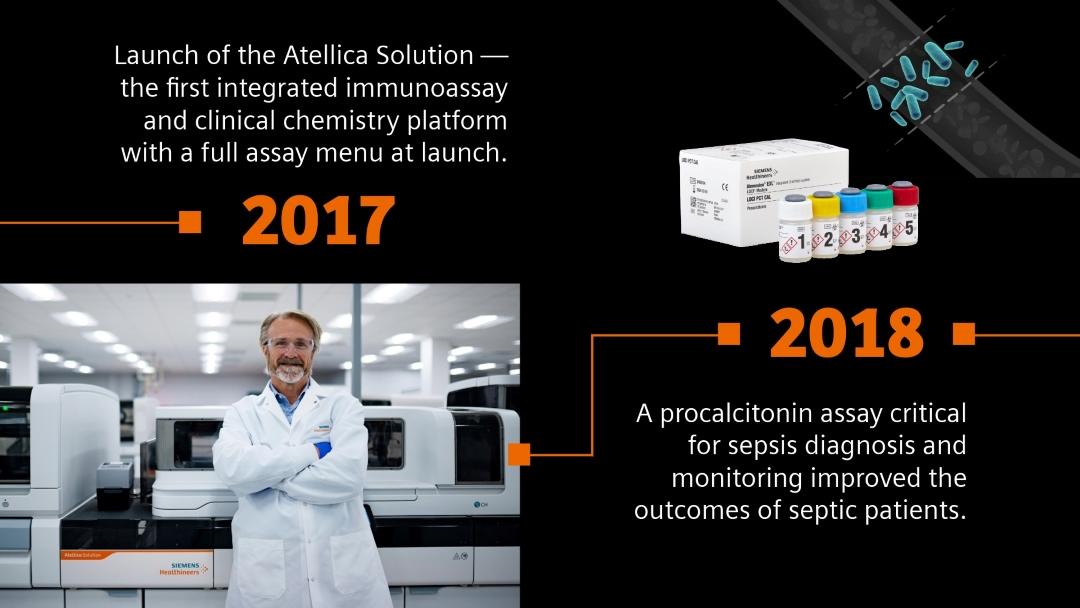
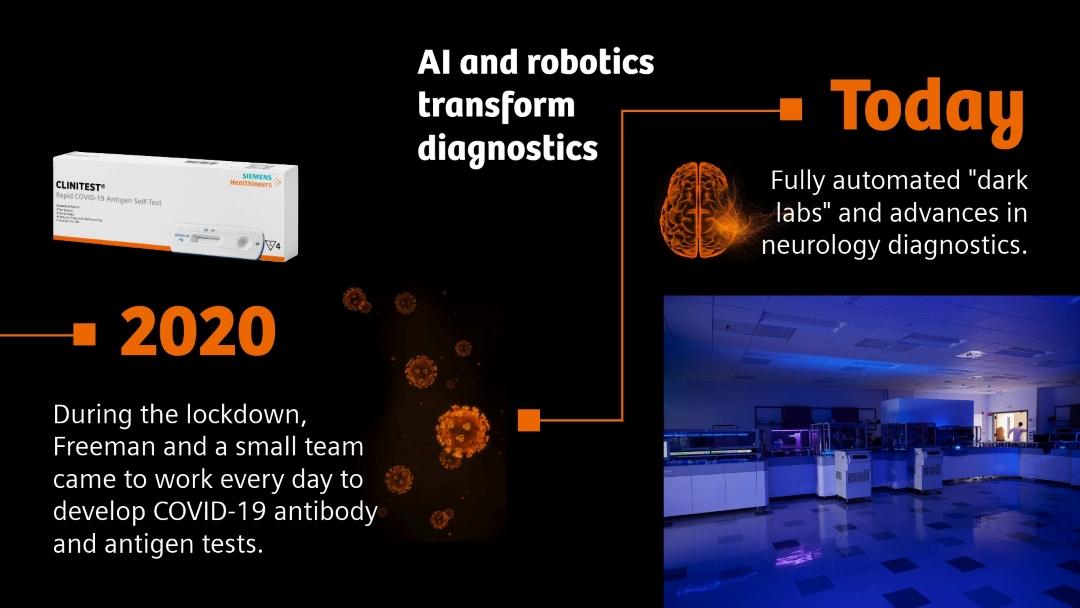
If there was an Oscar for Lifetime Achievement in Assay Development, the Head of Core Lab Solutions R&D at Siemens Healthineers would be a top contender. From assays for drugs of abuse, HIV, cancer markers, vitamin D, and COVID-19 to Alzheimer’s tests, Freeman has made a significant impact on global healthcare during his 40-year career at Siemens Healthineers and its legacy companies.

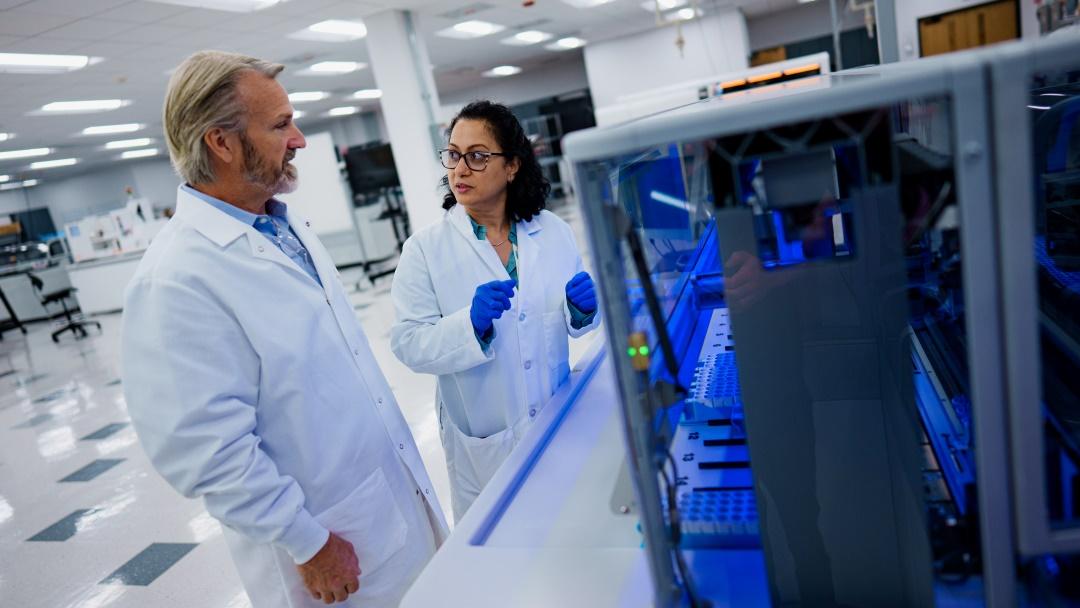
We met Freeman in Tarrytown, NY, where he leads a team managing more than 60 active assay projects. These include improvements to existing assays, projects driven by government regulations, and new, innovative products. “We’re working on assays for thyroid disease, therapeutic drugs, infectious diseases, anemia, oncology, women’s health, and neurology — it’s a vast variety of tests,” Freeman shares. One area they’re especially focused on right now is Alzheimer’s diagnostics, and for good reason.

As the global population ages, the need for Alzheimer’s diagnostics becomes ever-more urgent. Worldwide, more than 57 million people are living with Alzheimer's disease or other forms of dementia [1]. Since 2023, two new drugs targeting beta-amyloid plaques in the brain have brought renewed hope to patients. Additionally, new treatments are being developed for tau protein changes — another indicator for the disease.

“As therapies become available, it’s crucial to have a good diagnostic test to detect Alzheimer’s early,” Freeman explains. “Then you can still intervene with medication to stop or at least significantly slow down the progression of severe cognitive decline.”

are accumulations of protein fragments that form between nerve cells in the brain. They may interfere with cell communication and trigger inflammation, contributing to memory loss and cognitive decline.

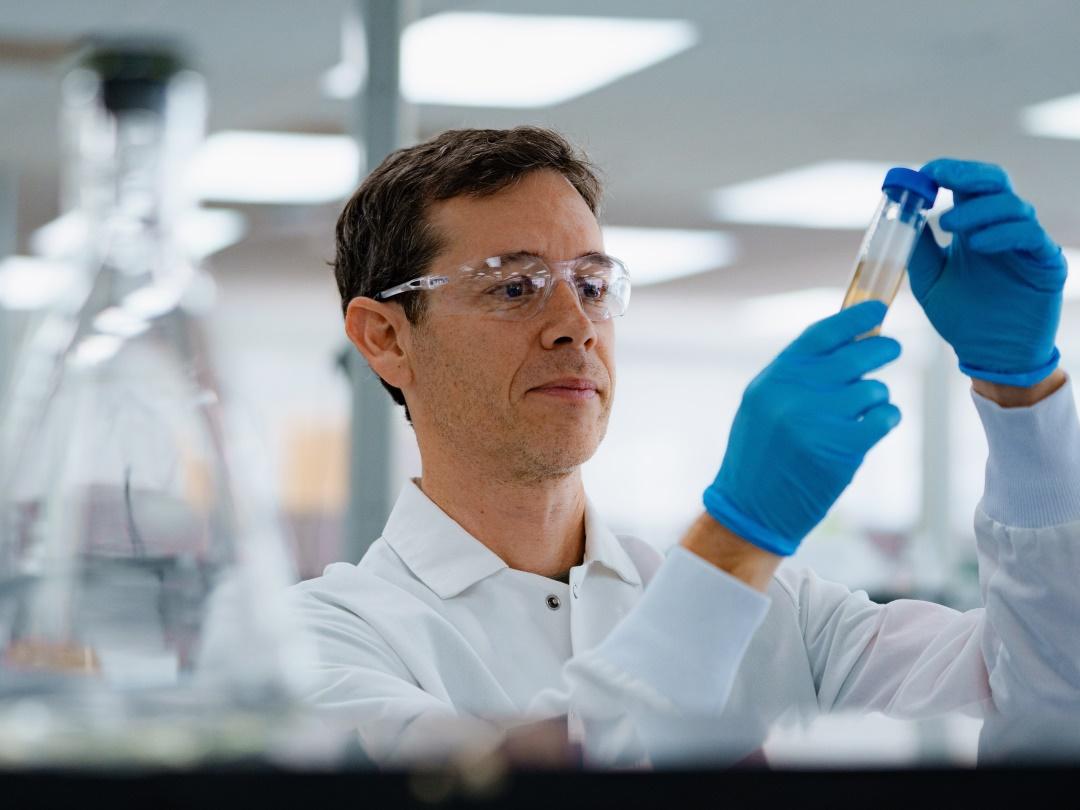
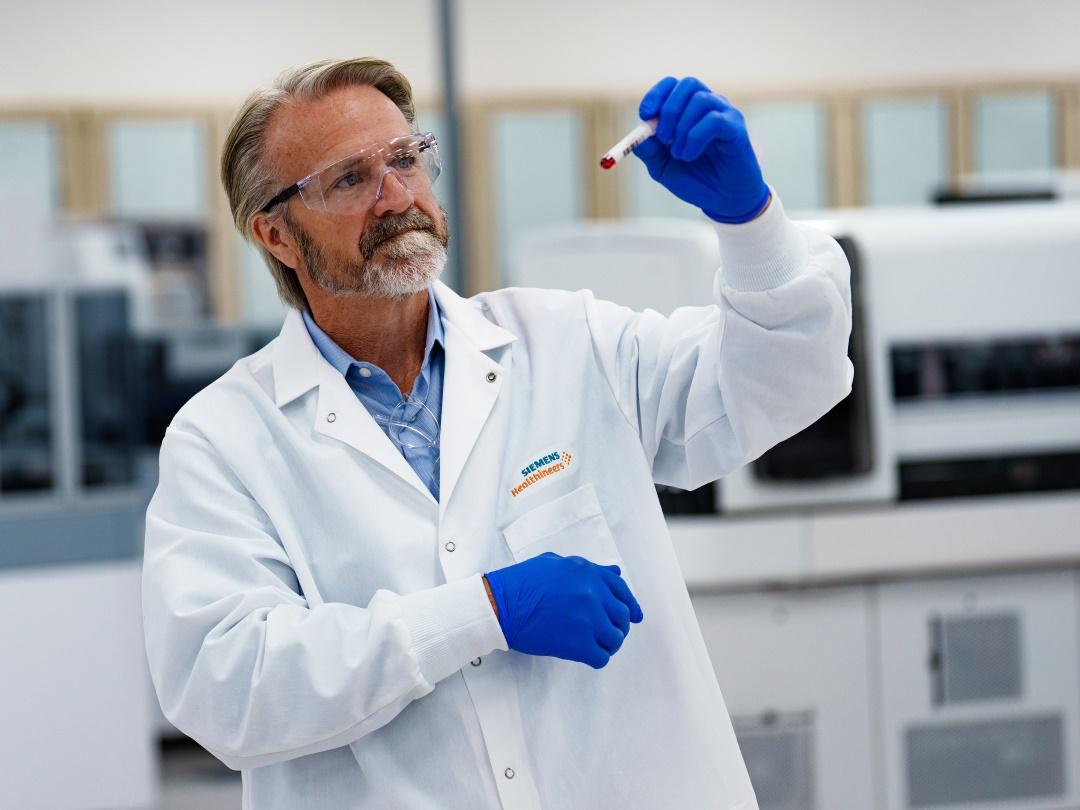
Portrait of Jim Freeman smiling.

Current diagnostic tests for Alzheimer’s disease mostly rely on cerebrospinal fluid, which requires a lumbar puncture — a procedure that is both invasive and difficult. In contrast, the assays being developed by Freeman’s team use blood samples. “This could become just another routine part of your annual physical, alongside the standard blood panel,” Freeman says. “It’s a major advancement, not only for clinics and healthcare staff — who benefit from a faster, easier process that requires less specialized expertise — but also for patients, who are spared the discomfort and complexity of a lumbar puncture.”

is a procedure where a needle is inserted into the lower back to collect a sample of cerebrospinal fluid — which surrounds the brain and spinal cord — for lab testing.

Freeman’s team partners with laboratories that run their assay on cohorts of Alzheimer’s and cognitively impaired non-Alzheimer’s patients to understand where the assay best fits within the diagnostic journey. While PET imaging remains a critical modality for visualizing beta-amyloid plaques in the brain, a simple blood test could provide a more affordable and accessible method for gaining first insight into an individual’s risk of cognitive decline.

PET imaging (Positron Emission Tomography) uses injected radioactive markers to visualize metabolic activity in the body. The scanner detects gamma rays from positron emissions, helping identify abnormal function or disease.
More about Molecular Imaging

Freeman is not only responsible for assay development, he also oversees engineering, informatics, automation, and software for various laboratory testing platforms. “My job is a lot about strategy and preparing us for the future,” he explains. “Which assays do we want to bring to market and what will the next-generation platform look like? We need to prioritize so we can make the biggest impact.”

With up to ten meetings a day covering completely different topics, he thrives on the diversity of challenges. He draws on decades of experience to solve today’s problems — but he’s quick to point out that innovation doesn’t happen in isolation.


Portrait of Jim Freeman smiling.

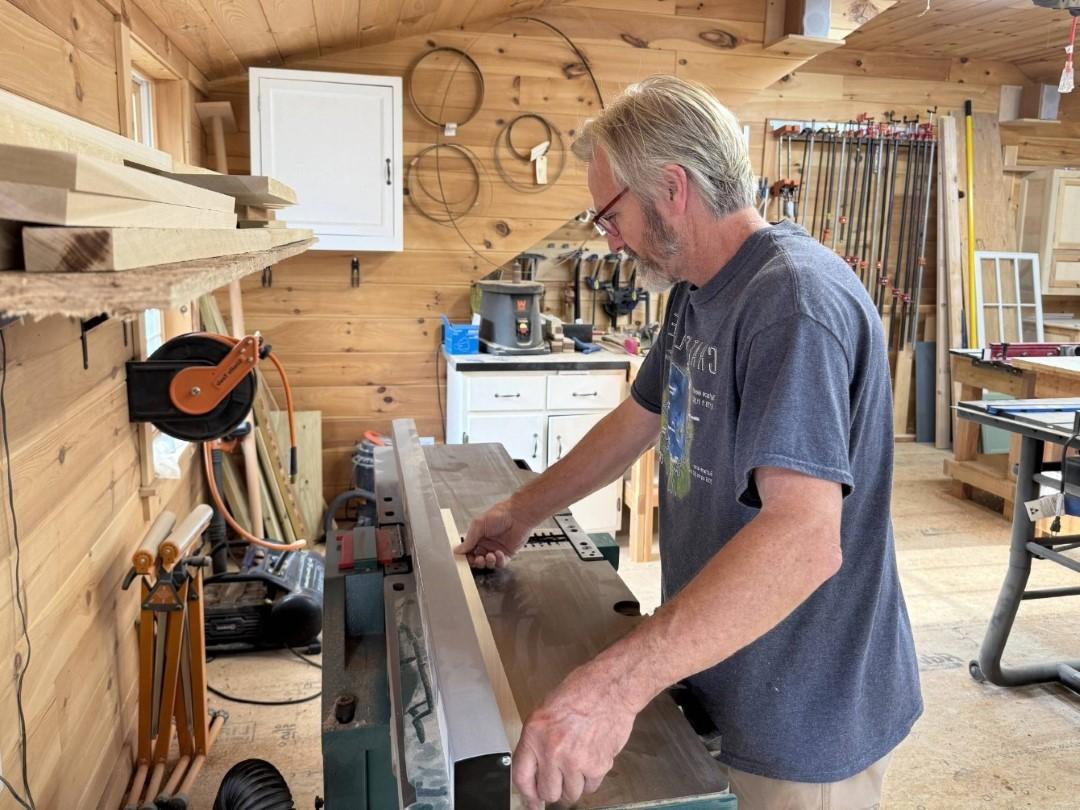
Outside work, Freeman is a family man and craftsman. He spends as much of his free time as possible with his two grandchildren. “They live just five minutes away, so I see them a lot. It’s fantastic — and a lot of fun,” Freeman shares. When he’s not with them, you’ll likely find him in his woodworking shop, crafting cabinets and furniture. “In recent years, my work hasn’t involved much hands-on stuff,” he says. “Early in my career, I was in the lab all the time — formulating reagents and running studies. So now, it’s incredibly satisfying to head up to my wood shop, work with my hands, and take a step back from the busy days.”

Freeman’s affinity for science and biology began in high school and led him to study biochemistry in college. Today, he enjoys mentoring young people and helping shape their diagnostics careers. Reflecting on his 40-year career, Freeman shares a guiding principle: “It’s about following your passion, understanding what you’re good at, and finding a place where you can thrive. I love my work, and that drives me to develop the best assays we possibly can.”

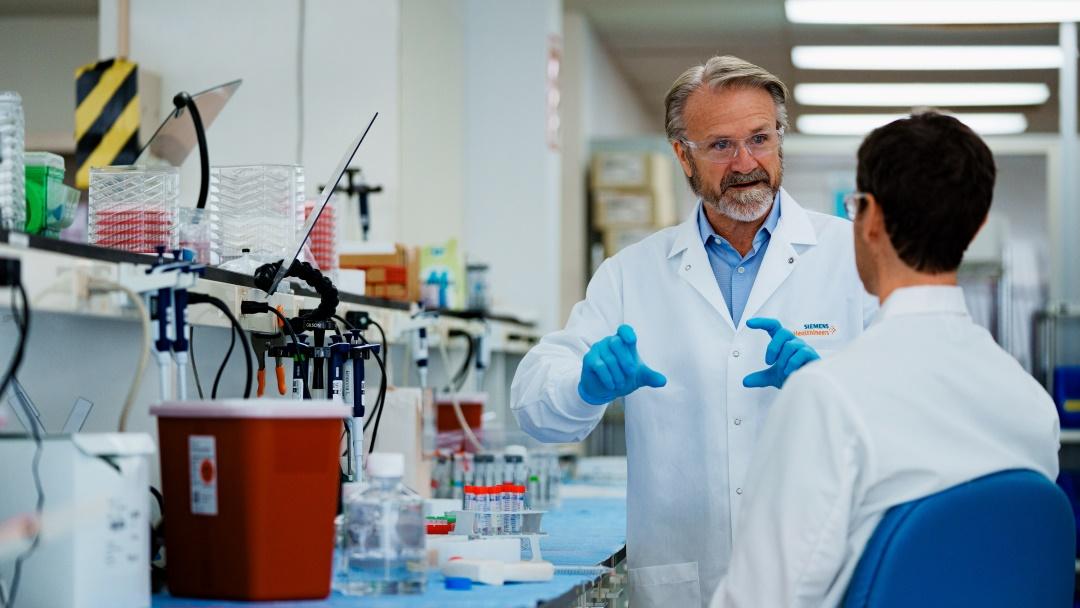
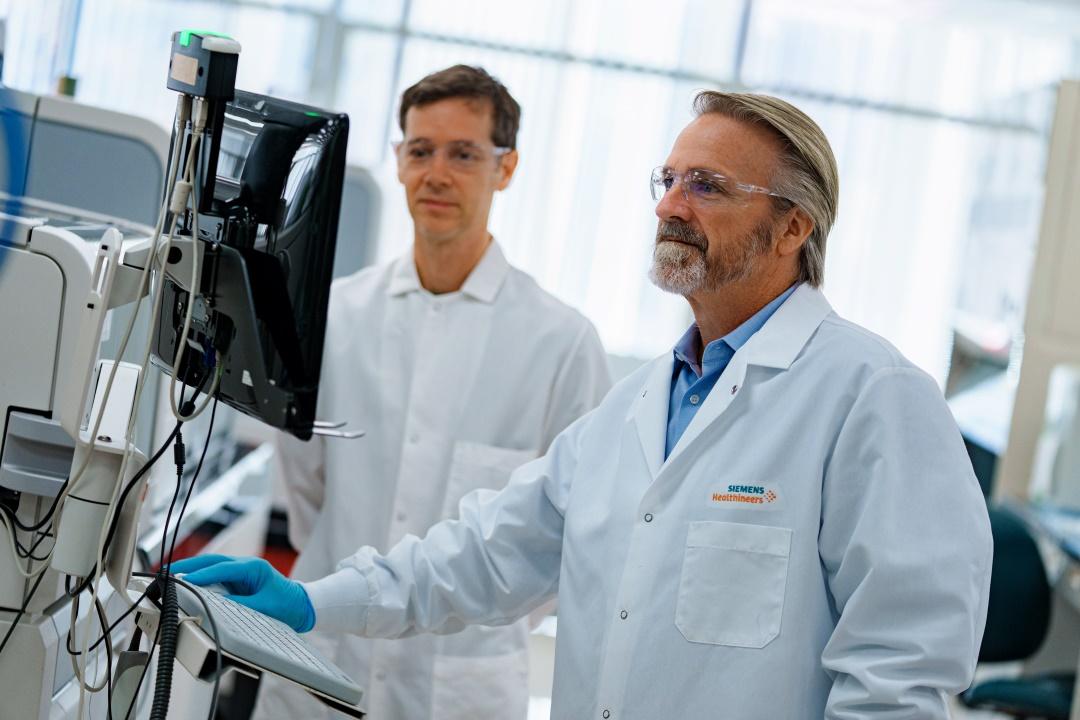
Jim Freeman and three colleagues are sitting in a meeting room.

Become part of the team

Inspired by Freeman’s story? Join us, one of the largest employers in the medtech industry, and become part of team Siemens Healthineers.

Lab test results are one data point among many that inform patient care decisions, though the value they offer healthcare professionals is not lost on Freeman. “What we do is extraordinarily important for diagnosing and monitoring diseases, and that’s very fulfilling to me,” Freeman says. In the U.S., 98 percent of physicians report having modified a diagnosis or treatment plan based on lab test results [2]. Siemens Healthineers provides global labs with over 16 billion in vitro diagnostic tests each year.

But as the global population grows, so does the number of patients and required tests. At the same time, staffing shortages are making it increasingly difficult for labs to meet this rising demand. Laboratories must operate with fewer staff and lab professionals admit that errors may be made as a result: 14 percent reveal having made a high-risk error due to feeling overworked or burned out [3].

Freeman and his team are always looking for ways to optimize the workflow for clinical labs. “Some tasks, such as sample and reagent loading, still demand time and skilled hands,” Freeman shares. “Now imagine the analyzer could detect when it’s running low on a reagent, and signal to a robot to retrieve a new pack from the cold room and load it into the analyzer.” Find out more about our robotic solutions in this previous Futureshaper episode.

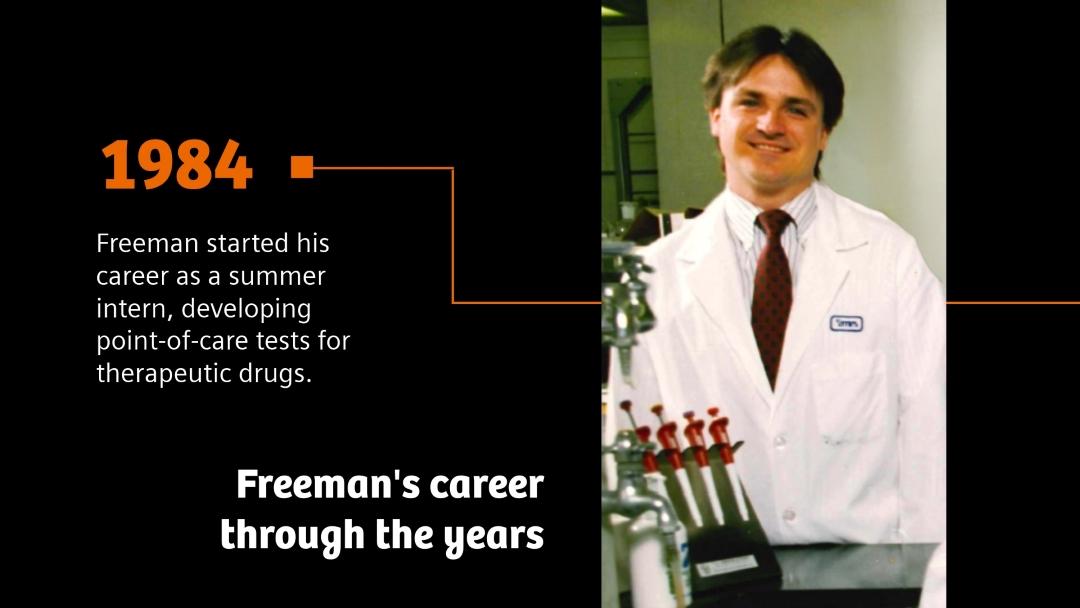
Freeman’s career is a testament to lifelong learning and development within one company. He has worked in R&D and assay development his entire career. “I can very accurately state that I’ve done everybody’s job in assay development — I was a summer intern, a contractor, a bench scientist, and I worked my way up in assay development,” he says.

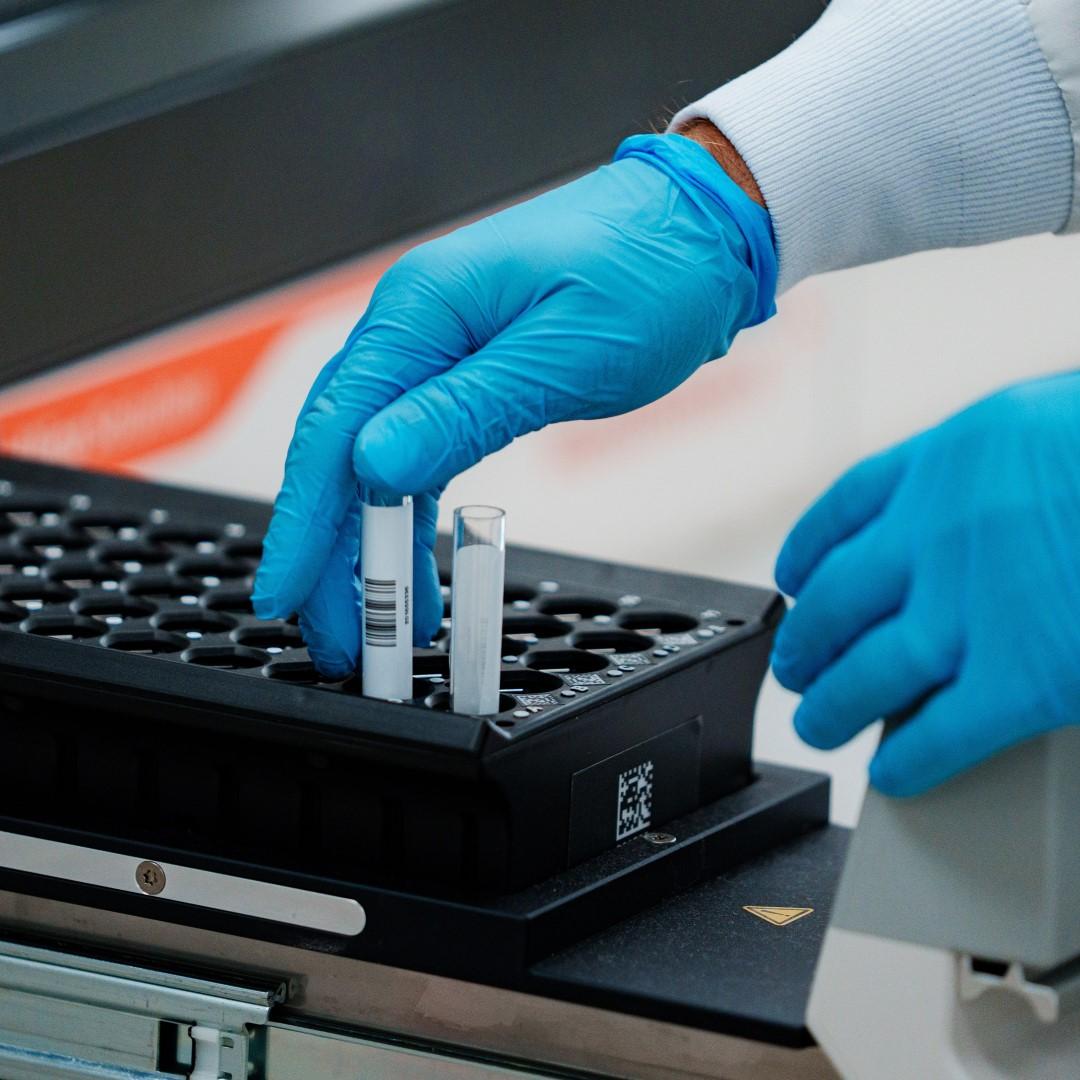
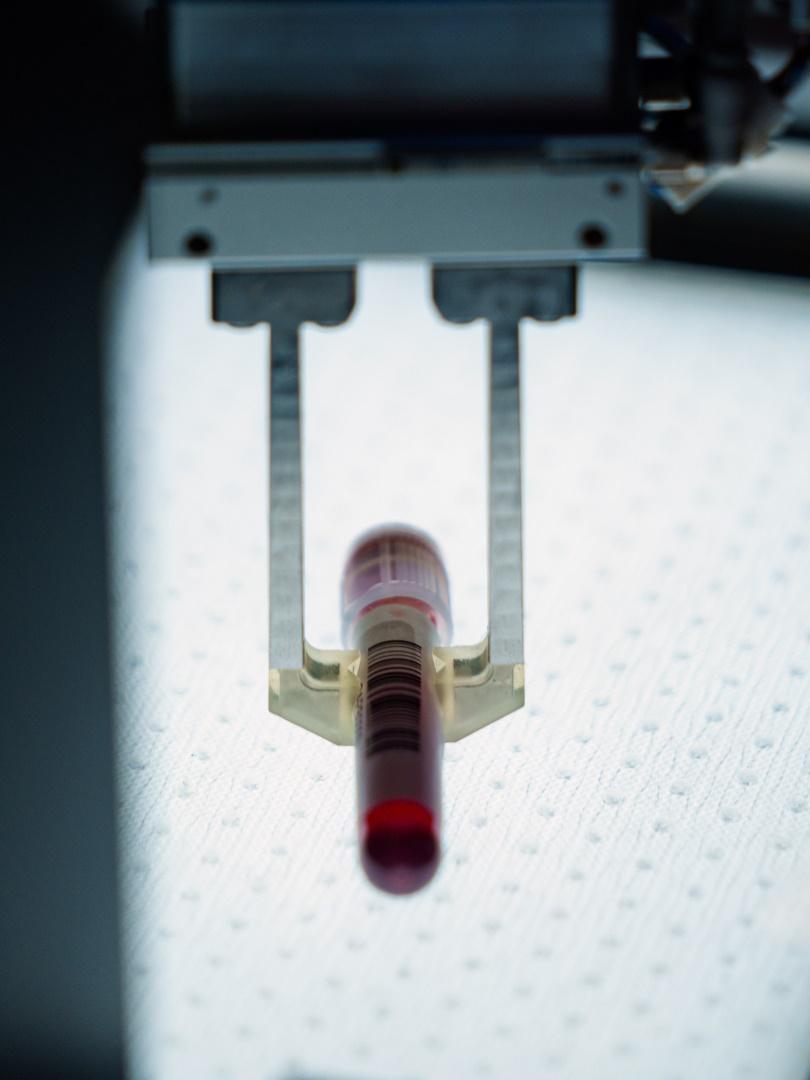
Over the past four decades, Freeman has witnessed a remarkable transformation in the diagnostics industry — from manual testing to fully automated laboratories. In the early days, clinicians and lab professionals had to manually add reagents and samples, then measure reactivities using a spectrophotometer. “Today, we have fully automated labs where the only person touching a blood collection tube is the phlebotomist,” Freeman explains.

Freeman understands only too well the importance of developing tests that are accurate and precise. About five years ago, after a routine physical, a CT scan revealed nodules on his thyroid. After an inconclusive biopsy, the right side of his thyroid was removed. Throughout the process, blood tests were done to monitor his TSH and free T4 levels — assays that Freeman himself helped develop and run on a platform his team built.

“For many of us in assay development, it can become a very personal experience,” he says. “I know these tests are being used on my friends and family, on me, and on millions of people around the world. The quality standards by which we need to develop our reagents are very personal to me. It’s incredibly gratifying to look back on a career where I’ve helped develop so many tests that have shaped healthcare — in the past, present, and into the future.”


By Carolin Gietl
Carolin Gietl is an editor at Siemens Healthineers. She enjoys creating stories about innovation and careers.