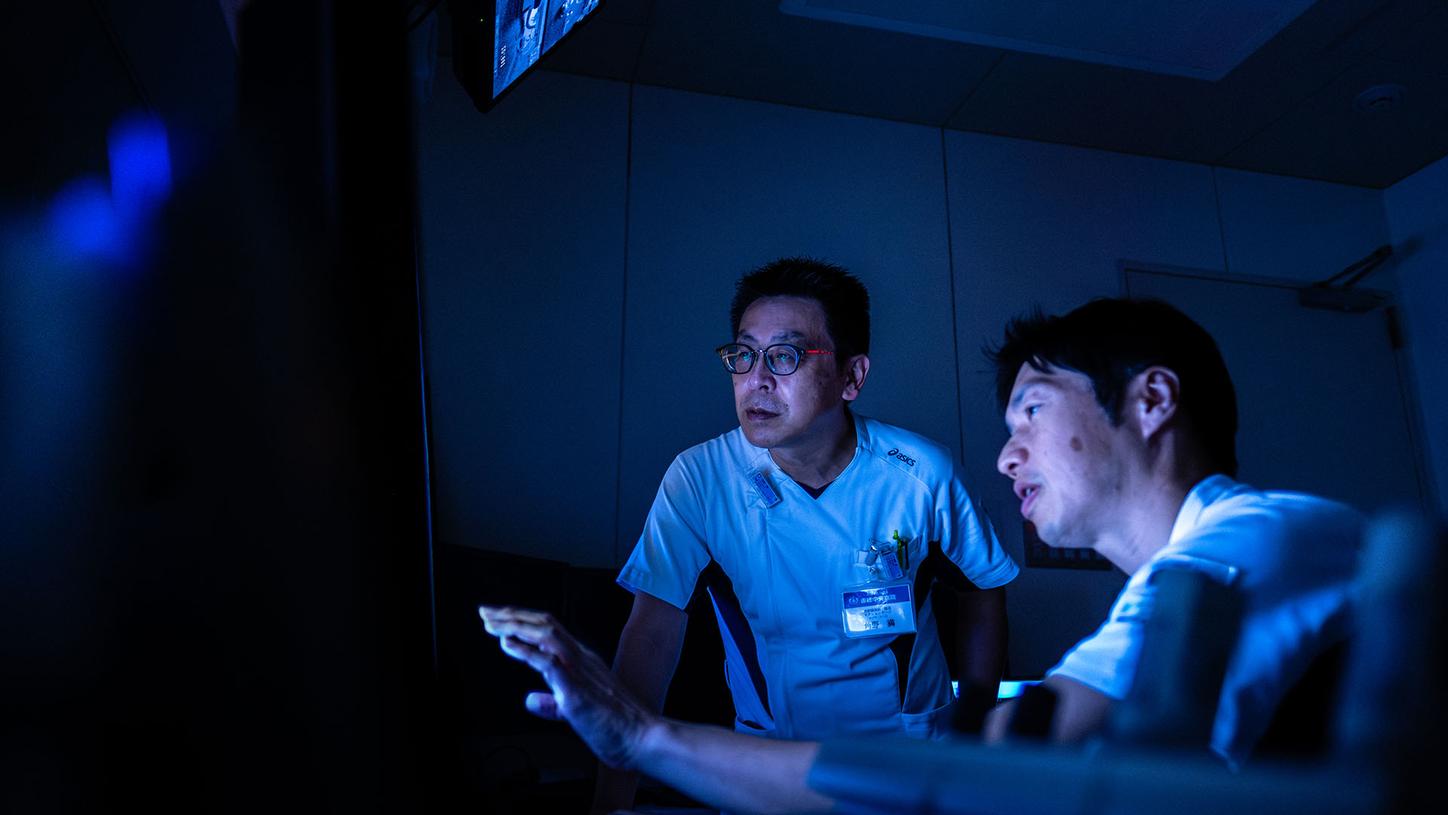






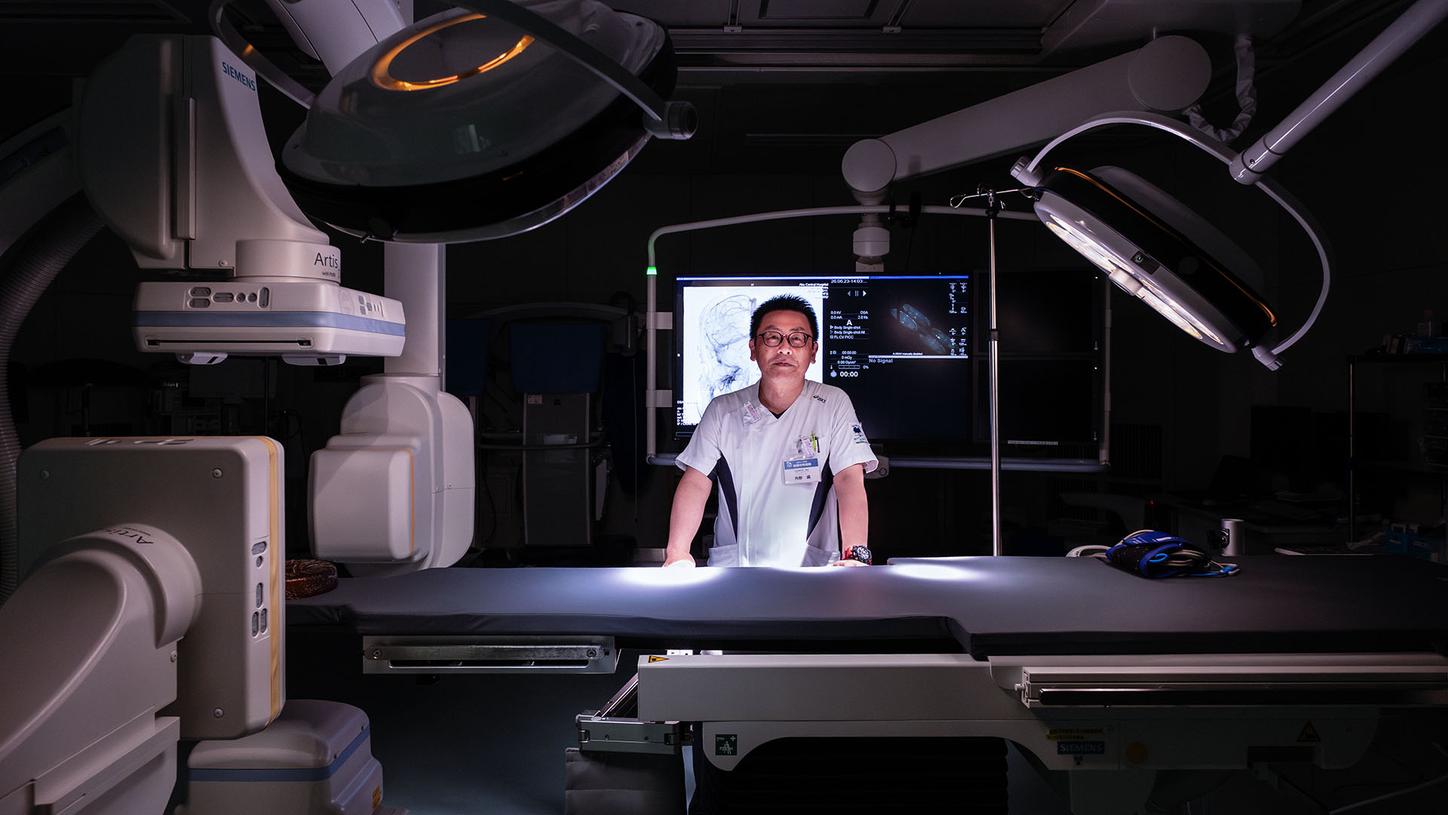
Healthcare professional behind an examination table in a darkened medical imaging room.
Sustainability

How Hakuhokai Group is advancing circular medtech in Japan
By combining refurbishment, upgrades, and renewable energy initiatives, Hakuhokai Group is demonstrating how circularity can support sustainable healthcare.
8min
Mareike Rath and Marcus Klein
Published on November 6, 2026
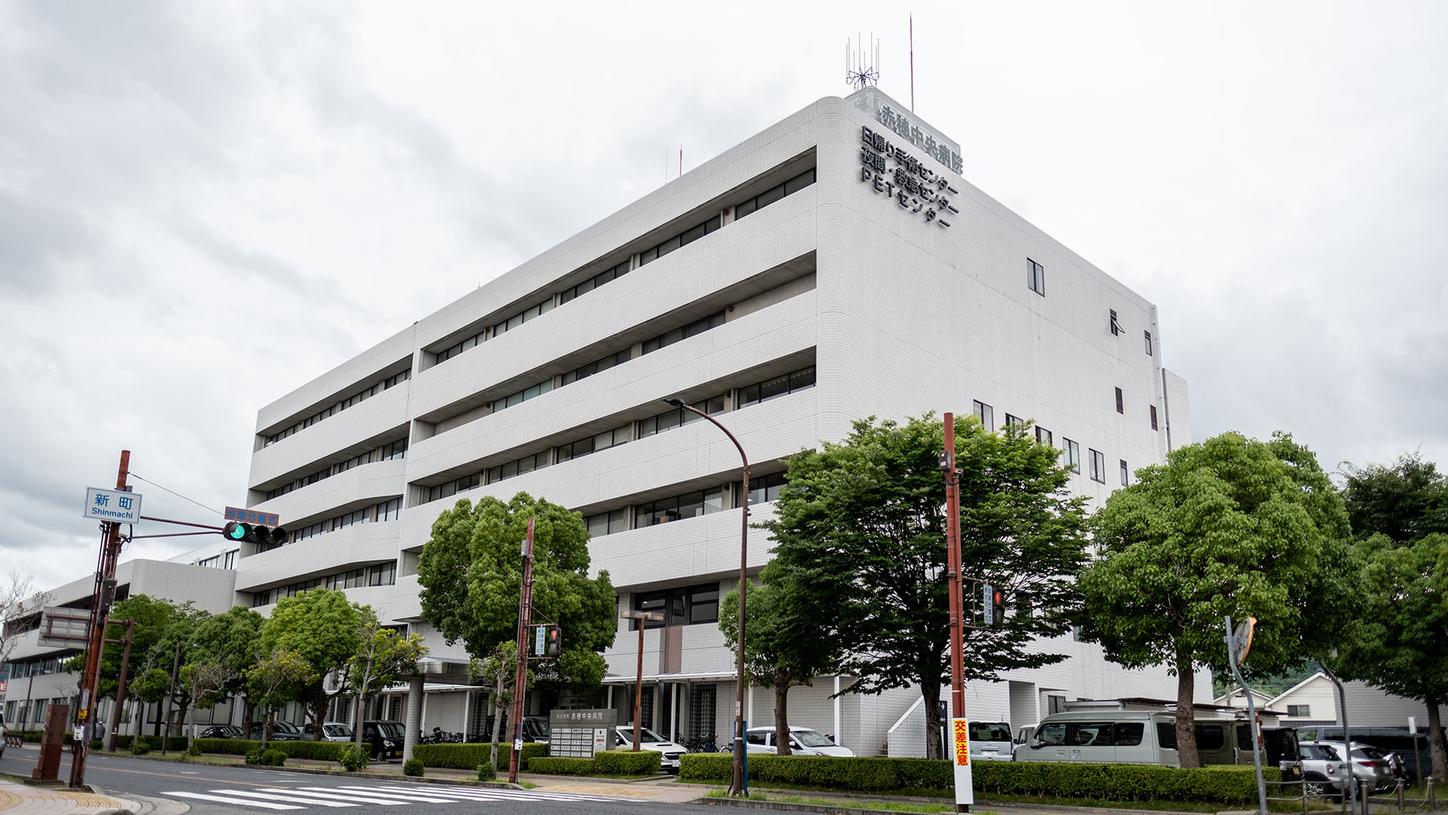
From centuries-old temples to high-speed rail networks, Japan is often described as a place where tradition and innovation coexist. In the coastal city of Ako, this balance can also be seen at Hakuhokai Group, one of Japan’s leading healthcare providers. Founded in 1962 in Ako, the organization has spent more than six decades serving communities across the country. While its commitment to patient care remains unchanged, the organization continuously looks for new ways to address the challenges facing modern healthcare, including resource efficiency, environmental responsibility, and long-term resilience. 

Today, with Ako Central Hospital serving as its flagship facility, Hakuhokai Group is exploring how existing resources, advanced technology, and long-term thinking can work together to support high-quality care while reducing environmental impact. This mindset is also reflected in the organization's healthcare strategy, as Chairman Motohisa Kojo explains: "Our essential mission and philosophy are to provide timely, appropriate, and optimal care while protecting the health of the communities we serve. That is why sustainability is not separate from healthcare, but part of it."

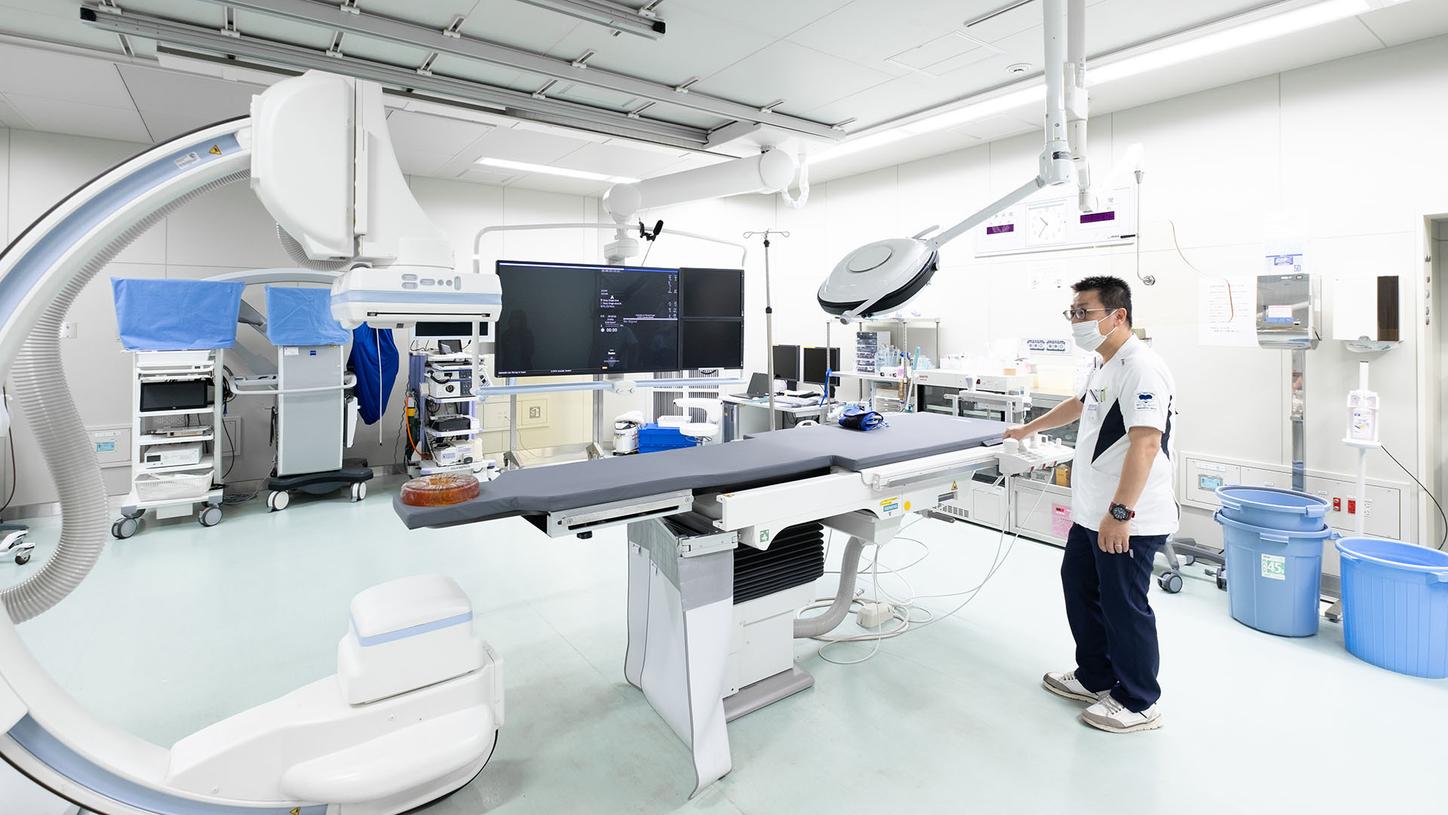
This philosophy also shapes how Hakuhokai Group evaluates and invests in medical technology: sustainability has become an important procurement criterion alongside output, speed, and imaging performance. Medical technology is therefore evaluated based on both clinical needs and environmental impact. One recent example is the adoption of a refurbished Artis zee floor angiography system from Siemens Healthineers. In addition to clinical performance, Hakuhokai Group considered lifecycle factors such as material reuse, energy consumption, and resource efficiency, which contributed to its decision to select the refurbished version.


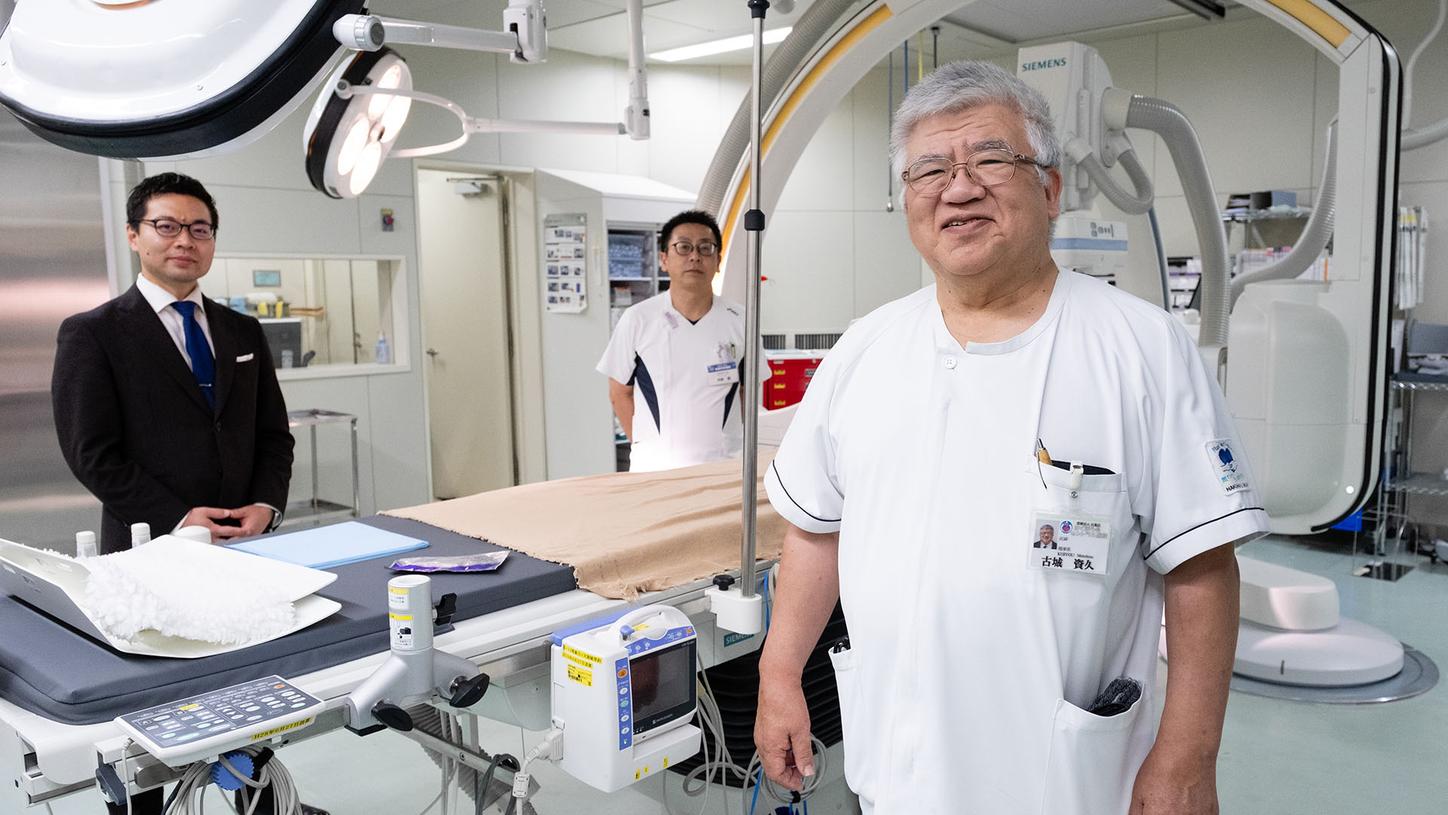
Yusuke Sakurai, Head of Communications and Sustainability at Hakuhokai Group

According to Mitsuru Kadono, Chief of Radiology at Ako Central Hospital, the Artis zee floor eco has proven fully capable of meeting everyday clinical requirements, demonstrating that refurbished technology can deliver the performance needed in routine clinical practice.

Medical imaging system with an examination table and a healthcare professional.

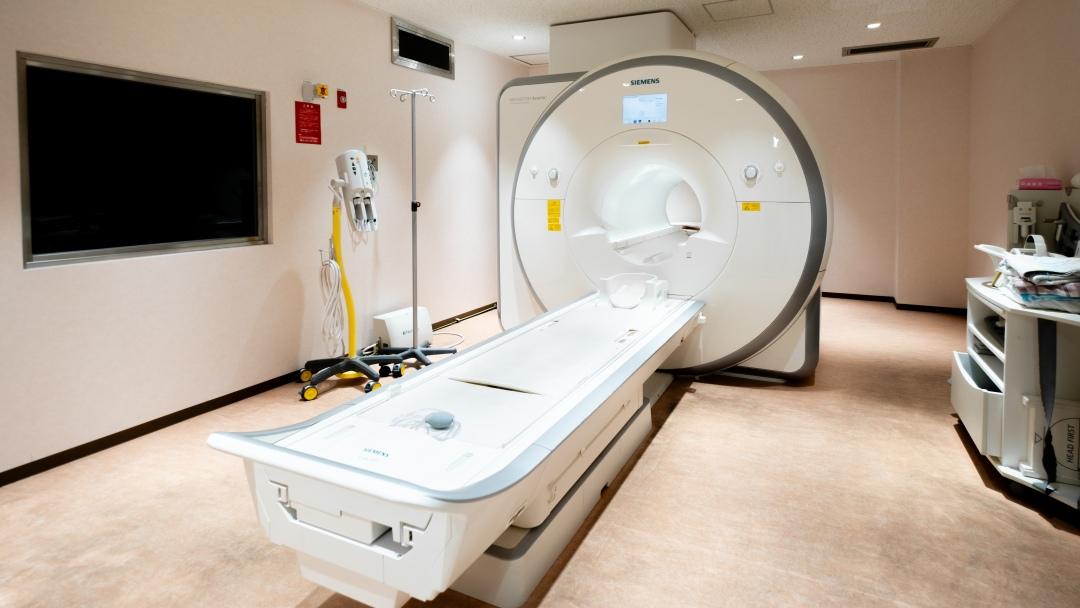
In addition to purchasing refurbished systems, Hakuhokai Group also extends the lifecycle of existing equipment through system upgrades where clinically appropriate. Upgrading existing equipment is another key element of the organization’s approach to responsible resource management, allowing it to improve performance while making efficient use of existing assets. One example is the MAGNETOM Avantofit upgrade, which enhanced an existing MRI system rather than replacing it. By extending the system’s useful life, the hospital was able to gain access to updated functionality.

MRI system with a patient table in a bright examination room.

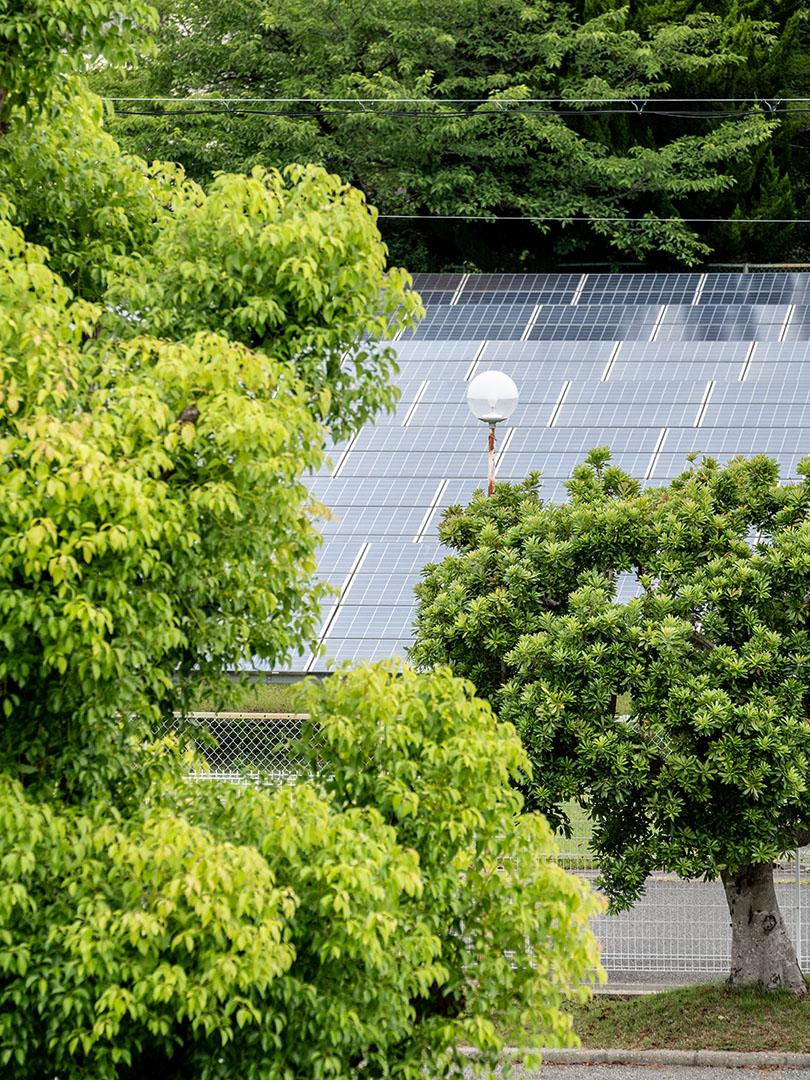
For Hakuhokai Group, sustainability extends far beyond the purchase of refurbished or upgraded medical equipment. The organization is also working to reduce the environmental impact of its facilities and operations. One example is another care facility that operates entirely on renewable electricity generated through a large-scale solar installation, with remaining emissions offset through reforestation projects. “Healthcare exists to improve health, but it must do so without compromising the health of the society and environment patients return to,” says Kojo. “Protecting people’s health also means protecting the environment in which they live.”

Solar panels behind densely foliated trees on the grounds of a medical facility.

While sustainability is becoming an increasingly important consideration for healthcare providers, healthcare systems today continue to lack widely accepted standards for evaluating environmental impact when purchasing medical technology. For Hakuhokai Group, environmental performance data helps translate sustainability ambitions into measurable procurement criteria and more informed purchasing decisions. For example, Lifecycle Assessments (LCAs) show that refurbishing an Artis zee floor system can reduce materials-related CO₂e emissions by up to 36 percent compared with manufacturing a new system.[1]

“If we also receive data showing, for example, the amount of work or emissions reduced by introducing such a system, we can present the decision not as buying a cheaper machine, but as selecting equipment that considers the environment and is appropriate for the medical level needed in the region,” explains Sakurai.

Through its collaboration with Siemens Healthineers, Hakuhokai Group uses advanced medical technology designed with circularity in mind to meet clinical needs and sustainability goals. Siemens Healthineers also helps identify ways to use systems for longer and make more sustainable decisions.

“Siemens Healthineers allows us to supply every department with equipment that meets a certain standard, including world-class imaging equipment. It’s important for us to maintain a high standard of medical care while keeping procurement costs within reasonable limits,” points out Kojo.

For Hakuhokai Group, sustainability has become part of everyday operational decision-making. From medical technology procurement to facility operations, the organization is demonstrating how circularity can support a more sustainable healthcare system. For Hakuhokai Group, circularity is therefore not an isolated objective, but one way of supporting high-quality healthcare over the long term.


By Mareike Rath and Marcus Klein
Mareike Rath is Global Marketing Manager at Lifecycle Products, focusing on Refurbished & Reconditioned Systems and Circularity.

Marcus Klein is an editor at Siemens Healthineers, specializing in technology and sustainability.