




Home
Perspectives
- Between AI and anthropology: how Ullaskrishnan Poikavila transforms workflows
Between AI and anthropology: how Ullaskrishnan Poikavila transforms workflows
The terms “interdisciplinary” and “international” describe Ullaskrishnan Poikavila’s biography particularly well. Driven by curiosity and a researching spirit, he moves between different worlds: from everyday office life and global innovation projects at Siemens Healthineers to the Nilgiri Hills in southern India. This is where he spends his free time exploring ways in which AI can help preserve the knowledge and traditions of the indigenous Toda community.
Ullaskrishnan Poikavila, whom everyone calls “Ullas,” is originally from India but he grew up in Qatar. That environment, he says, shaped his openness to different cultures and ways of thinking early on. He first studied computer science and information technology in India, then mathematics and operations research in the Netherlands. This combination laid the foundation for his current work on complex, data-driven systems.
How Ullaskrishnan Poikavila improves workflows with AI — watch the video:
When AI-powered solutions handle routine tasks
Become part of the team
Are you passionate about healthcare? Join us, one of the largest employers in the medtech industry, and become part of team Siemens Healthineers.
How AI-based solutions for workflows are created
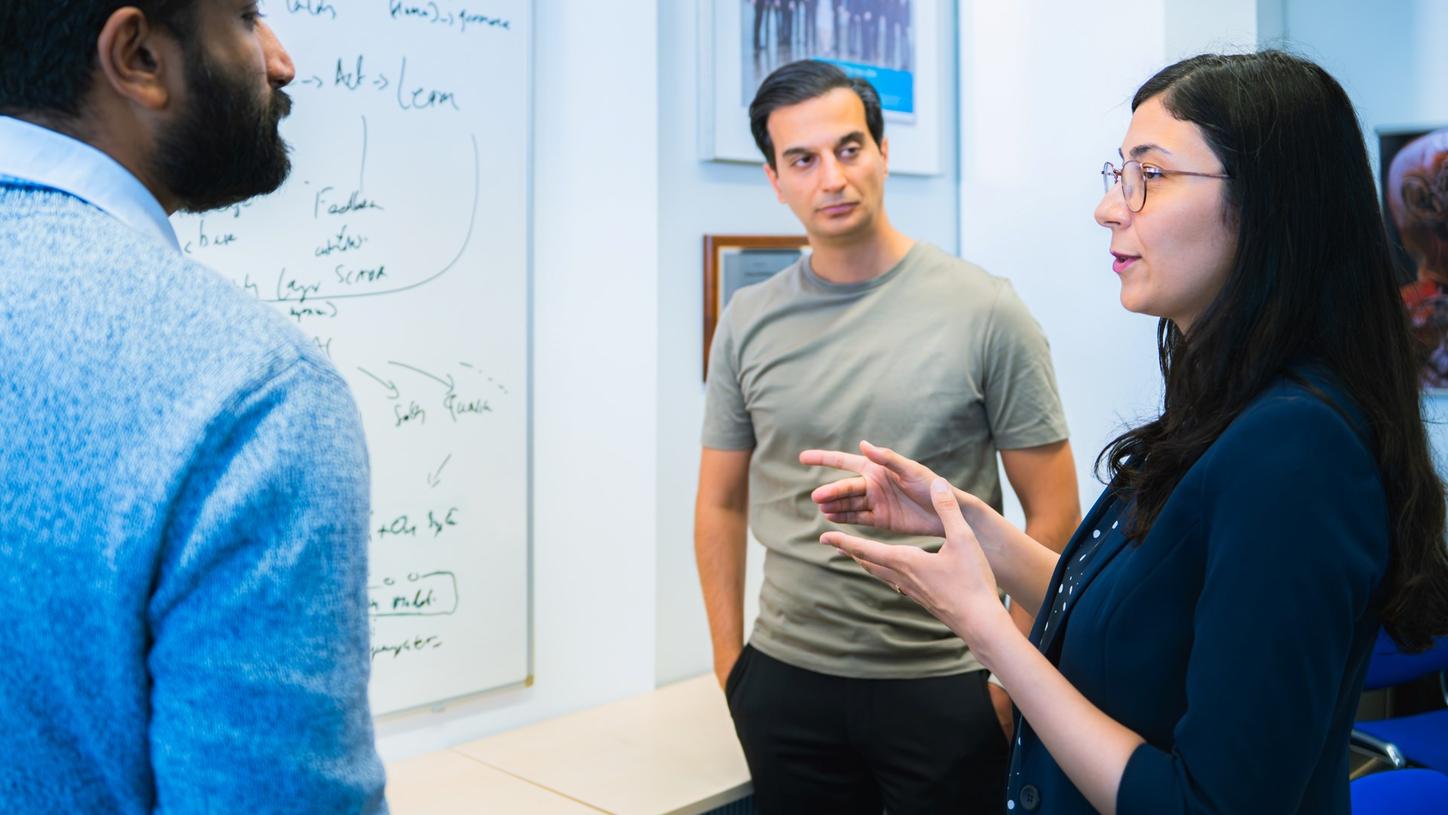
Every AI-based solution starts with a close look at the current situation. In discussions with the specialist departments, Poikavila and his team analyze existing processes, identify time-consuming manual work steps, and investigate where processes come to a standstill. Only then do they evaluate where AI could be reasonably implemented — not only determined by technical feasibility but also considering actual advantages in everyday life.
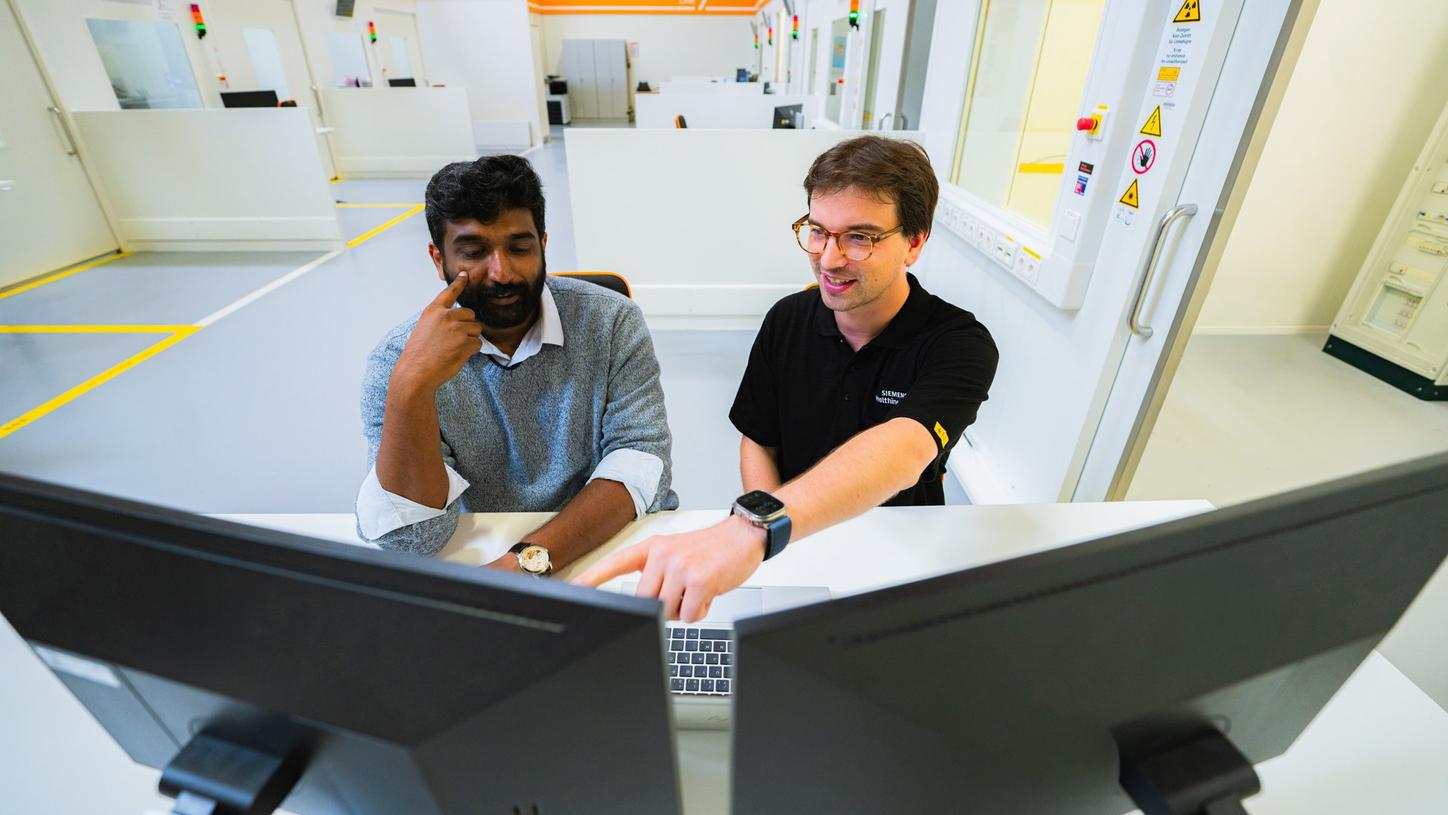
In terms of technology, the development follows a step-by-step approach. First, AI helps search for information across vast fragmented data sources. In further stages, AI is used to recognize patterns, analyze correlations, and then derive suggestions or forecasts. Finally, the team create individual, easy-to-use tools. These are integrated into existing work environments and tested by the specialist departments at an early stage. Their feedback flows in continuously, so that the solutions evolve iteratively.

Internal AI-powered applications with measurable impact
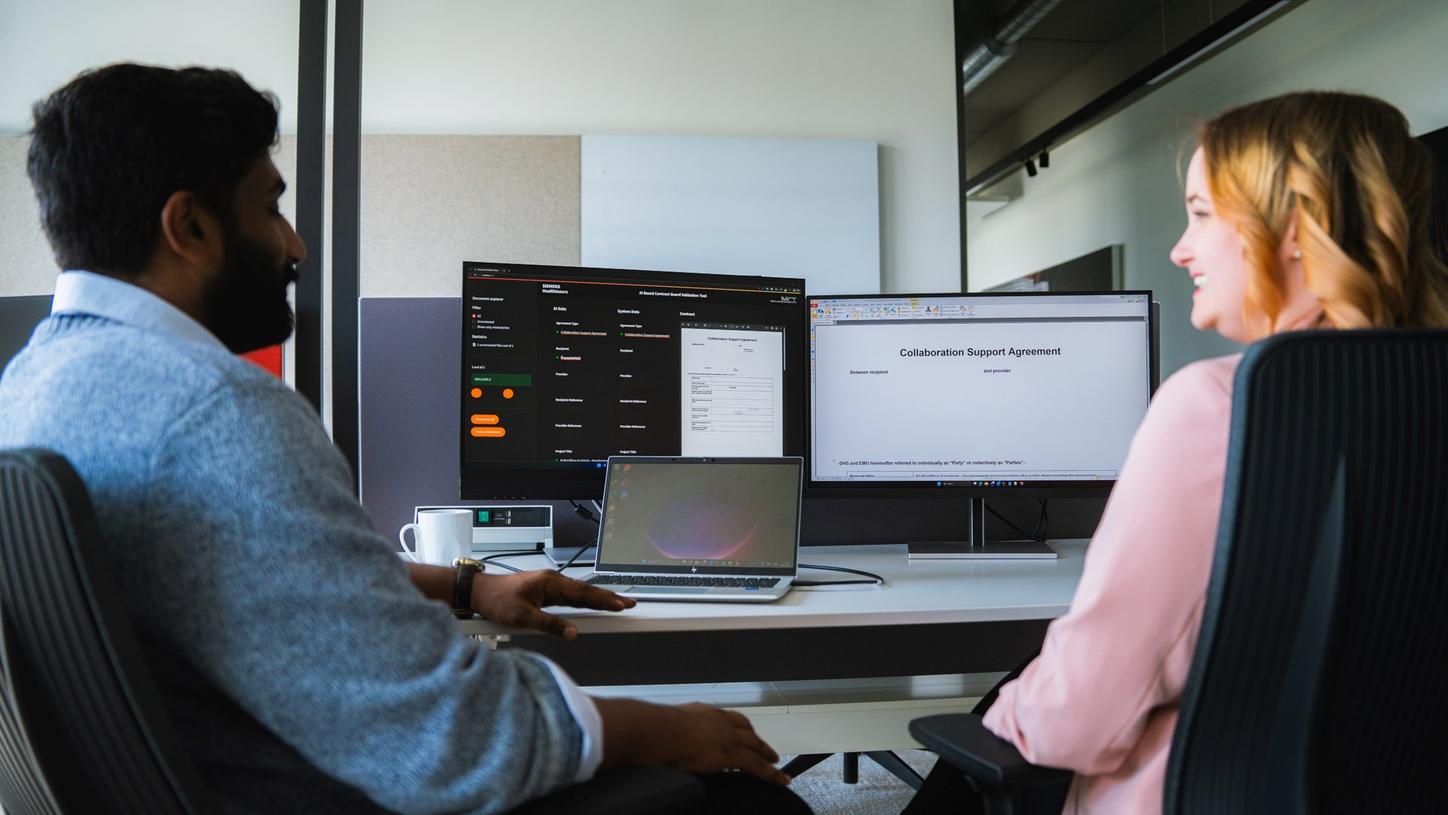
Poikavila and his team have already developed a series of internal AI-powered applications that show how operational complexity can be mastered with concrete added value. In regulatory affairs, an AI assistant analyzes previous feedback from authorities and approval documents. As a result, the average submission time has reduced from around 120 to 21 days, helping products reach the market much faster [1].
In the legal and finance environment, digital contract twins and AI-based quality tools enable content searches across more than 100,000 contracts. What used to take up to two months of research time for one person is now possible within minutes [2]. In manufacturing, an AI assistant helps employees identify recurring errors more quickly by bundling previous solutions and service tickets. In this way, production processes can be kept more stable.
These are just a few examples. The potential applications are enormous, Poikavila emphasizes. All solutions are based on the same principle: making knowledge accessible from fragmented data silos and shortening decision-making paths, thereby supporting people in their work in a targeted manner.
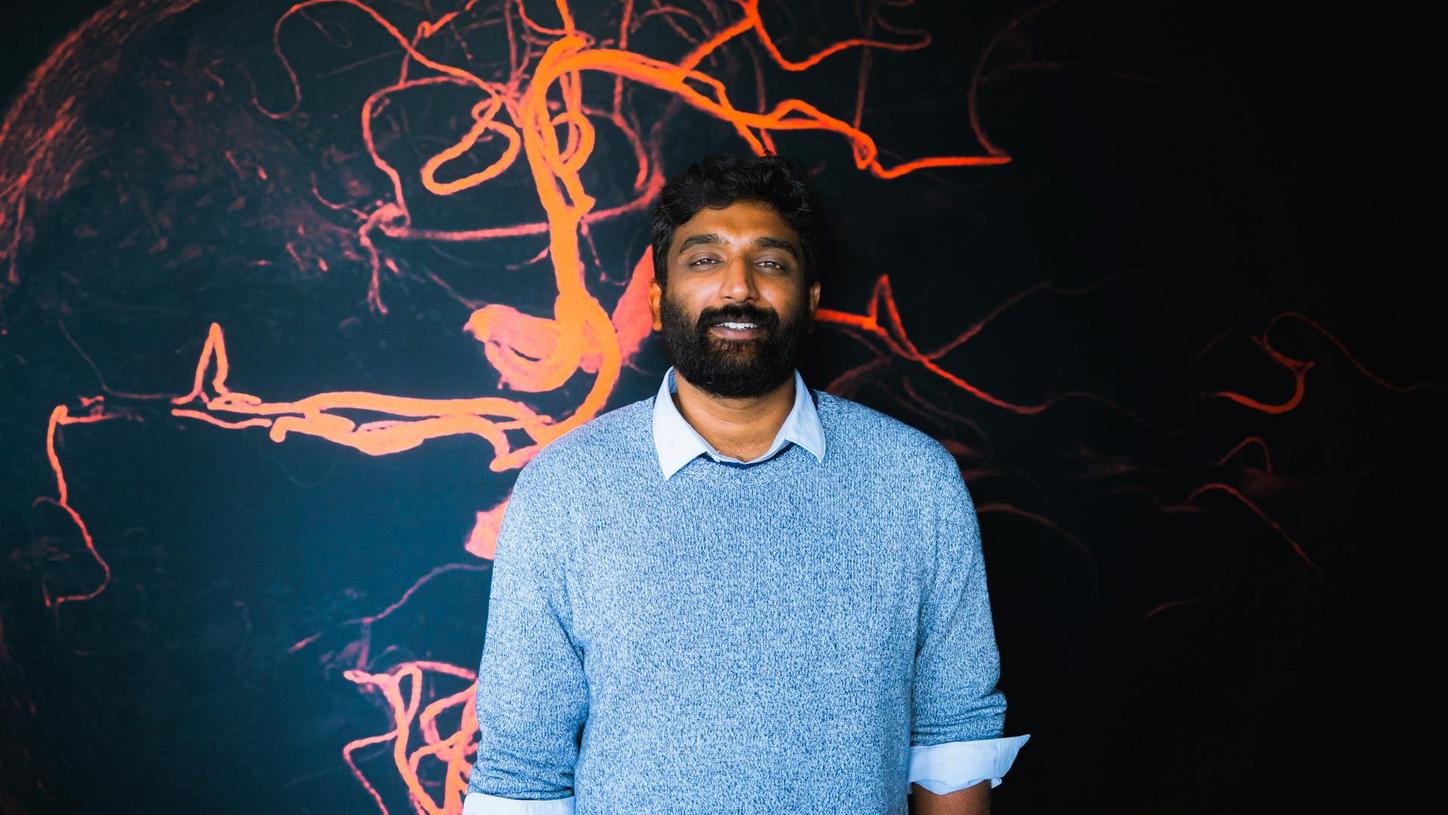
- Ullaskrishnan Poikavila’s work has already led to more than 30 inventions and corresponding patent applications and granted patents. In this process, the experts in the Intellectual Property Department at Siemens Healthineers follow the same guiding principle as in Poikavila´s field: “operations matter.” Through ongoing dialogue with inventors, Business Units, and, ultimately, the granting authorities, their goal is to develop and implement the optimal protection strategy for each innovation. In this way, the innovative ideas of Poikavila’s and his co-inventors make a valuable contribution to the strategic intellectual property position of Siemens Healthineers, particularly in Healthcare AI. With more than 1,100 active patent families, Siemens Healthineers is a global leader in this field.
Internal processes as a blueprint for hospitals
For Siemens Healthineers, optimizing internal processes is not an isolated efficiency project. Poikavila and his team use the company as a real-life experimental space, so to speak, to test AI-supported approaches for complex organizations. Their goal is to transfer the knowledge gained to hospitals.
The parallels are greater than they may seem at first glance: Both companies and hospitals are highly specialized systems with many interfaces, fragmented data, regulatory requirements, and interdependent processes. Whether a contract review, workforce planning, or capacity management, the challenge is to make information available at the right time and to support decisions under uncertainty. Internal process optimization can therefore be seen as a bridge between the corporate world and healthcare.
For me, AI is not just a technical tool, but a powerful mediator of knowledge, visibility, and decision-making. It helps decide whose perspectives count and how systems are controlled.
Ullaskrishnan Poikavila, AI researcher for workflow optimization and operational twins
A digital twin for better clinical processes
And so Poikavila is also involved in one of the key research projects at Siemens Healthineers: the operational twin. AI scientists, engineers, and consultants around the world are collaborating on this ambitious initiative. The operational twin is an AI-powered model that learns to recommend actions by simulating near-real hospital processes as holistically as possible and at scale. The concept is deliberately aimed not only at physicians, but also at those responsible for planning, management, and administration in hospitals.
The operational twin can digitally simulate processes, resources, and patient flows — from scheduling and personnel deployment to the utilization of medical equipment. With the help of AI and the high-performance computing infrastructure of Siemens Healthineers, including the “Sherlock” computing cluster, billions of possible scenarios can be simulated in parallel. This is similar to how a chess grandmaster thinks several moves ahead. The AI-powered model analyzes which decisions lead to the best results under certain conditions before changes are implemented in actual hospital operations. “This corresponds to a simulated experience of millions of years,” explains Poikavila.
The operational twin — learn more:
Rethinking everyday hospital life
Hospital managers receive data-based recommendations for action to make their processes more efficient. The benefits are obvious: shorter waiting times, more efficient use of resources, more predictable processes, and, ultimately, better care for patients. This is especially true in face of global challenges such as staff shortages or increasing demand from an aging world population.
The operational twin is currently being tested in pilot projects with several hospitals. These projects are still focused on individual outpatient and inpatient departments, Poikavila explains. In future, the company plans to scale up to entire clinics or even hospital chains.
From hospital processes to indigenous knowledge
Even complex AI development in the healthcare sector, however, doesn’t satisfy Poikavila’s thirst for research: Alongside his work at Siemens Healthineers, he’s doing a PhD in anthropology and working closely with the Toda community in southern India.
The Toda indigenous community lives in the Nilgiri Hills in the state of Tamil Nadu. With only around 1,500 people, it is an indigenous minority that is particularly in need of protection. Today, the community is facing existential challenges, Poikavila says: Traditional rights to land and forests are increasingly restricted by government regulations, cultural knowledge is often only passed on orally, and administrative procedures are complex and difficult for many to manage.
“The Toda are now seeking recognition for rights to land that they have used for generations. I’m interested in how AI can support them in concrete terms,” says Poikavila. His research focuses on the questions: How can AI be used to document the knowledge of the Toda, simplify administrative processes for them, or help with the recognition of land rights?
His approach is similar to when developing AI solutions for Siemens Healthineers: He regularly spends time on site, talks to families, elders, and local representatives, trying to understand their processes and challenges: “I even had the honor of hiking with members of the Toda community to their most sacred temple, Konawsh, in the Nilgiri forest,” he says.
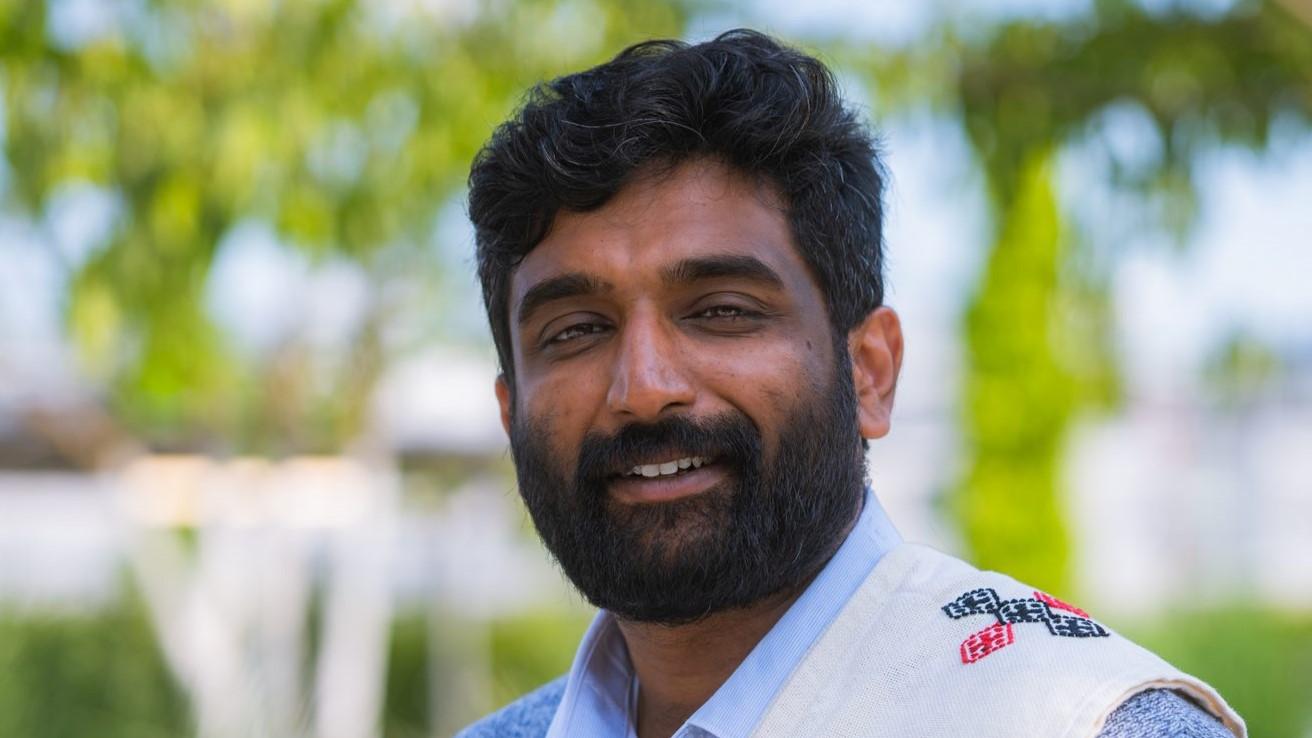
As a thank-you for his support, the Toda gave him a cape made in traditional poothkuli embroidery. Poikavila emphasizes how grateful he is that his managers at Siemens Healthineers give him the freedom to pursue an academic career alongside his everyday work and even see it as an enrichment of his work.
AI in the service of humans
Ullaskrishnan Poikavila’s professional and private research work exemplifies a shift that goes far beyond individual AI solutions: At a time when algorithms are becoming more and more powerful, the value of those who can identify connections, join up disciplines, and place technology in a larger context of meaning is growing.
AI can analyze and optimize; however, responsibility and an eye for the big picture remain deeply human. This is arguably one of the most important skills for the future — not developing technology for its own sake, but rather for the good of organizations, society, and people. This is exactly what Poikavila’s work is all about.
© Video: Lisa Fiedler (camera and editing), Alexander Hehn (camera and sound), Katja Gäbelein (concept and direction)
© Photography and image processing: Willi Amtmann
© Graphics and motion graphics: Stefanie Schubert
The presented information is based on research results that are not commercially available. Future realization and availability cannot be guaranteed.
References:
[1] Based on data from nine regulatory submission packages; data on file.
[2] Based on tests conducted by seven employees; data on file.
Share this page