Not for publication in the U.S.
- AI and automation innovations to be brought together in CT and MRI
- Builds on established technologies, new capabilities planned for upcoming software generation
- Designed to support efficiency, consistency, and confidence across imaging workflows
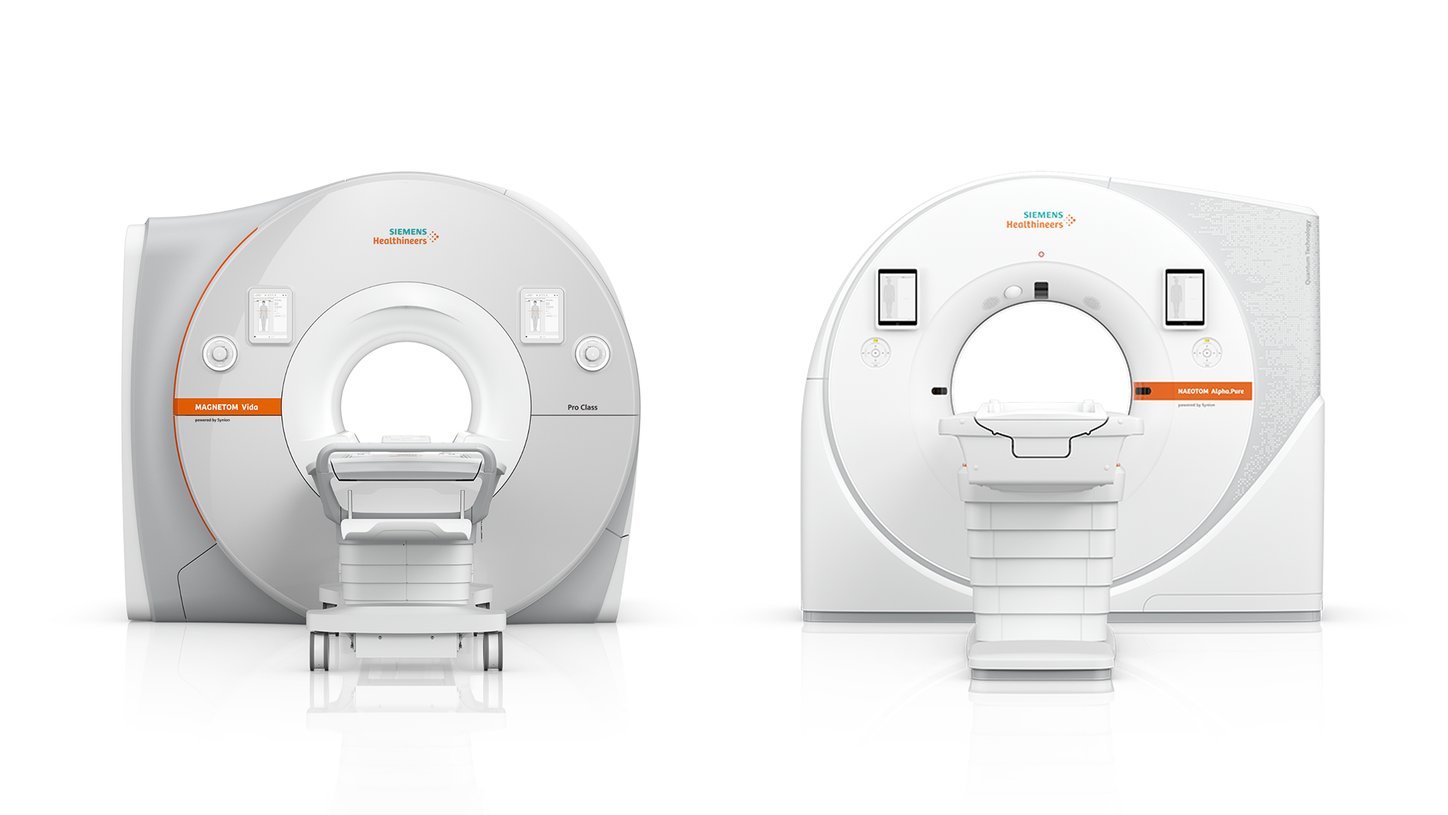
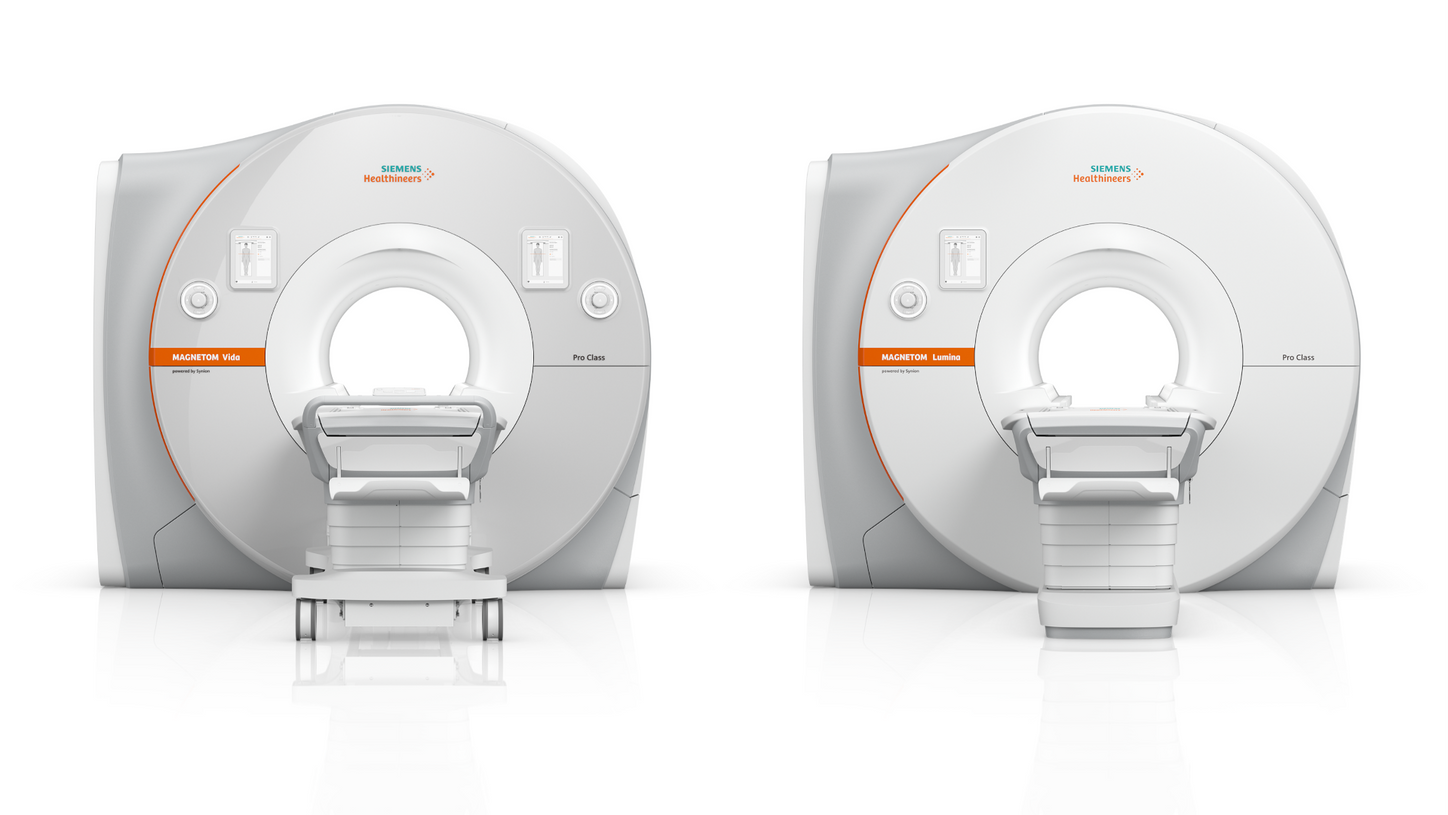
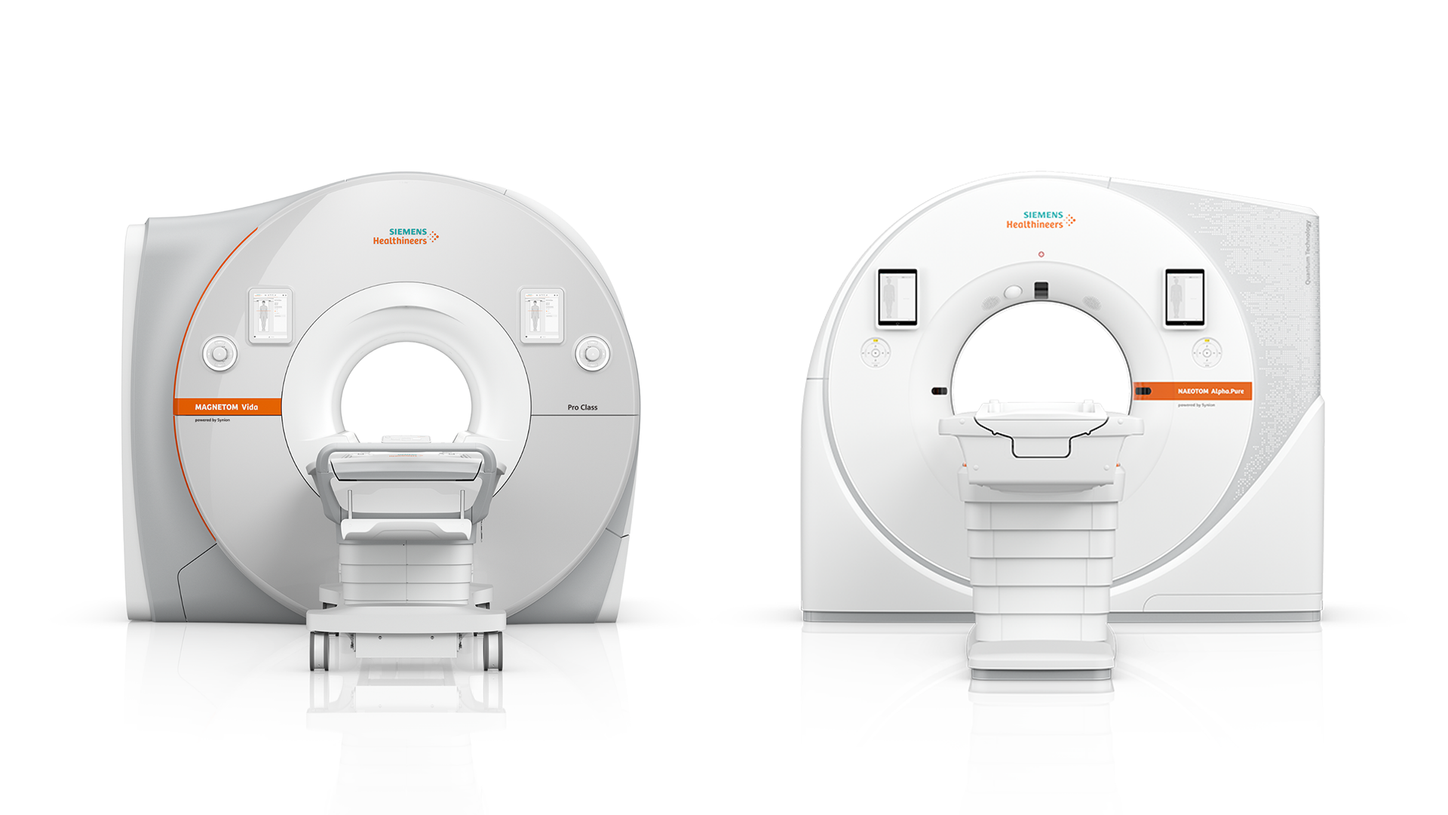
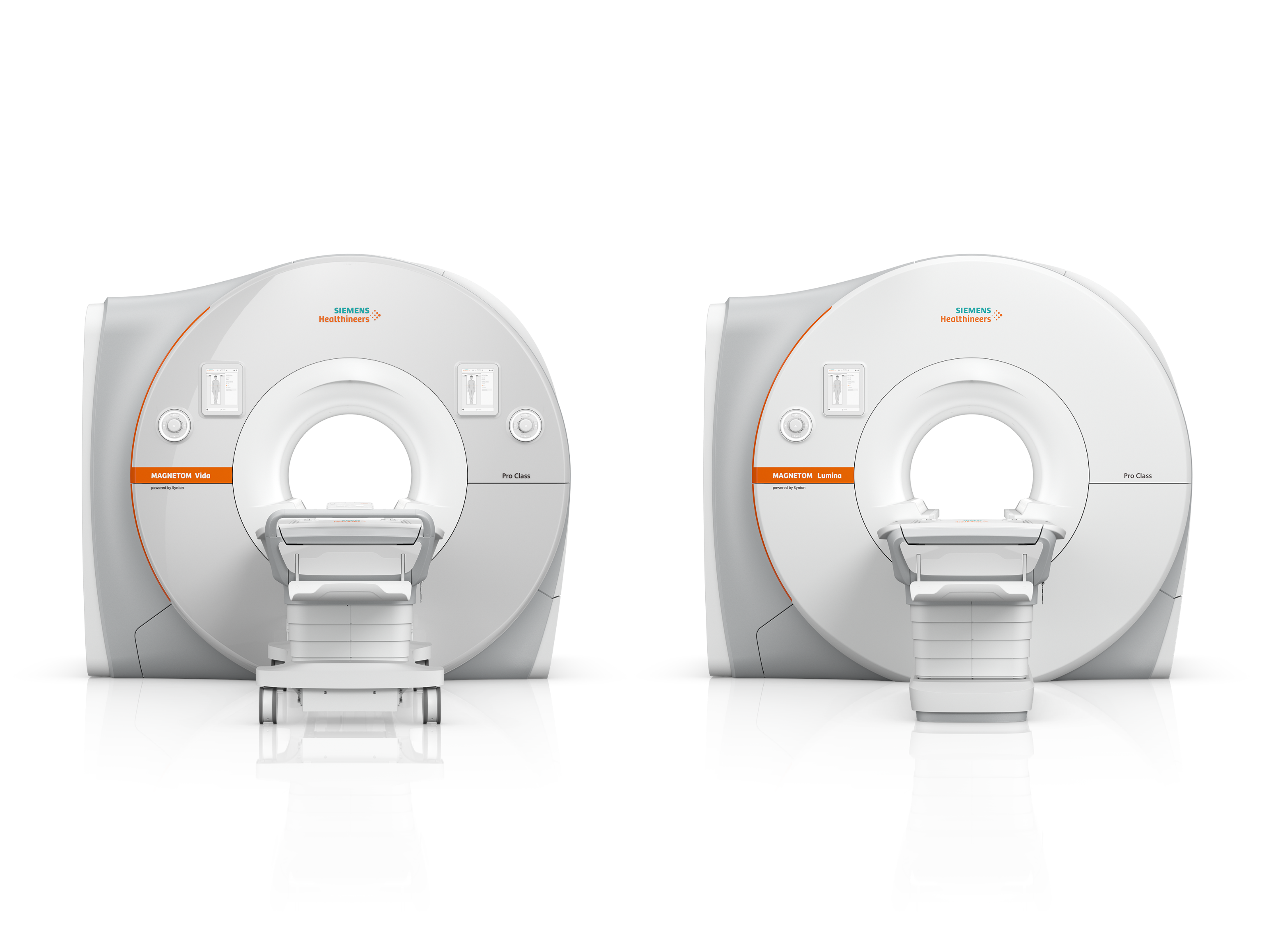
Siemens Healthineers is introducing Synion1 at RSNA 2026, a new portfolio of solutions planned to synchronize artificial intelligence (AI), automation and human expertise across CT and MRI. Designed to bring existing and future automation and AI-powered capabilities together in a unified approach, Synion1 is intended to help imaging departments work more efficiently, support physicians in clinical decision-making, and optimize operations across scanner fleets. Synion1 is planned to be introduced on CT and MRI systems, including new installations and existing systems upgraded to the latest software version3.
Radiology plays an increasingly important role in clinical pathways, supporting diagnosis, guiding treatment decisions, and monitoring disease progression across a growing range of conditions. At the same time, imaging providers around the world must serve more patients with limited staff, constrained budgets, and growing clinical complexity. These challenges are creating demand for more efficient workflows and technologies that help standardize and expand access to advanced imaging and reduce operational burden.
Many imaging tasks that once required manual interaction are already supported by intelligent assistance and AI. Synion1 is planned to build on a portfolio of innovations from Siemens Healthineers that help standardize CT and MR workflows and automate individual workflow steps, spanning AI-powered and intelligent capabilities from patient positioning and adaptive imaging technologies to workflow guidance, image reconstruction, and post-processing solutions. By connecting these capabilities with future innovations, Synion1 is designed to advance imaging workflow steps from assisted to more automated operation.
Looking ahead, Siemens Healthineers envisions increasingly intelligent and adaptive workflows in which systems recognize situations, make data-informed decisions, and initiate appropriate actions while maintaining human oversight. “Healthcare providers are not looking for innovation for its own sake,” said Andreas Schneck, head of Diagnostic Imaging at Siemens Healthineers. “They are looking for ways to address growing patient volumes and workforce shortages, and to make sure their organizations remain resilient while maintaining high standards of care. We believe the future of imaging lies in the intelligent combination of technology and human expertise. By bringing both into sync, we pave the way toward a more autonomous future.”
A dedicated institute at the University of Tuebingen, Germany, is helping bring clinical AI into practice across the hospital and medical faculty. “We have already seen how intelligent technologies from Siemens Healthineers can improve image quality and support more efficient workflows,” said Konstantin Nikolaou, MD, professor and chairman of the department of diagnostic and interventional radiology at Tuebingen University Hospital. “The real potential of artificial intelligence lies in connecting the entire imaging pathway, from planning and acquisition to reconstruction and reporting. Bringing these capabilities together can help standardize quality, reduce complexity, and free up more time for patient-centered care.”2
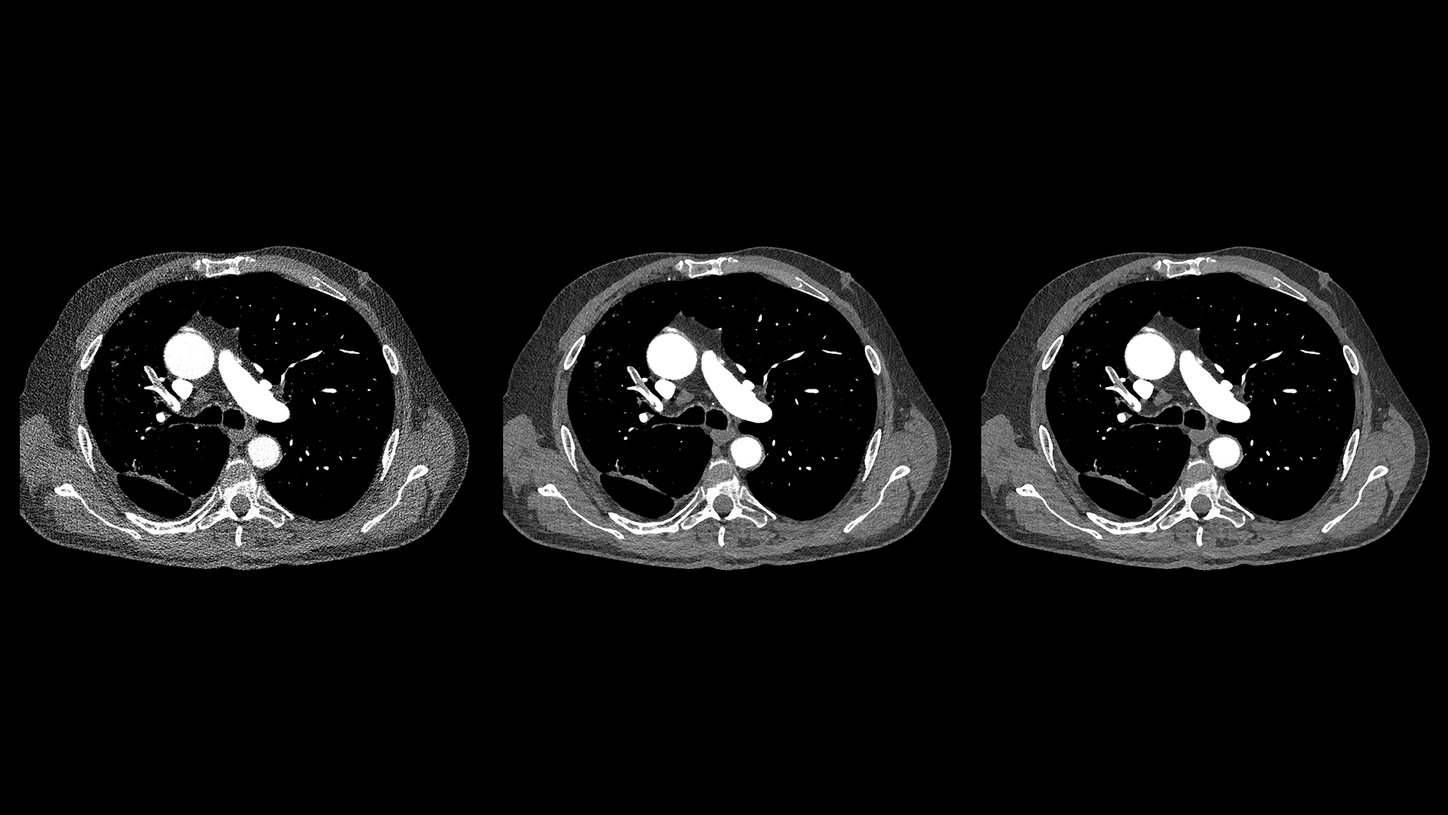
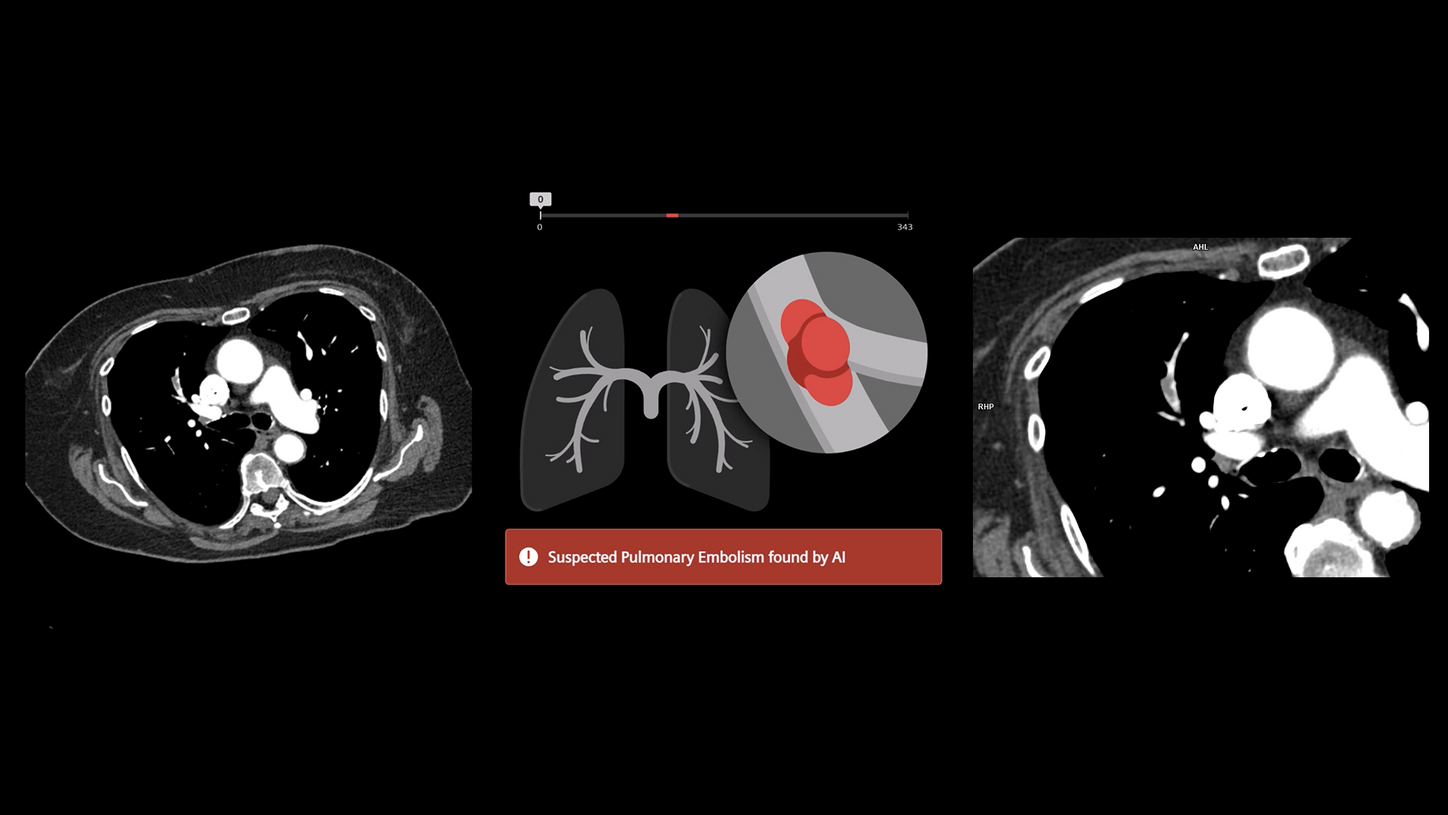
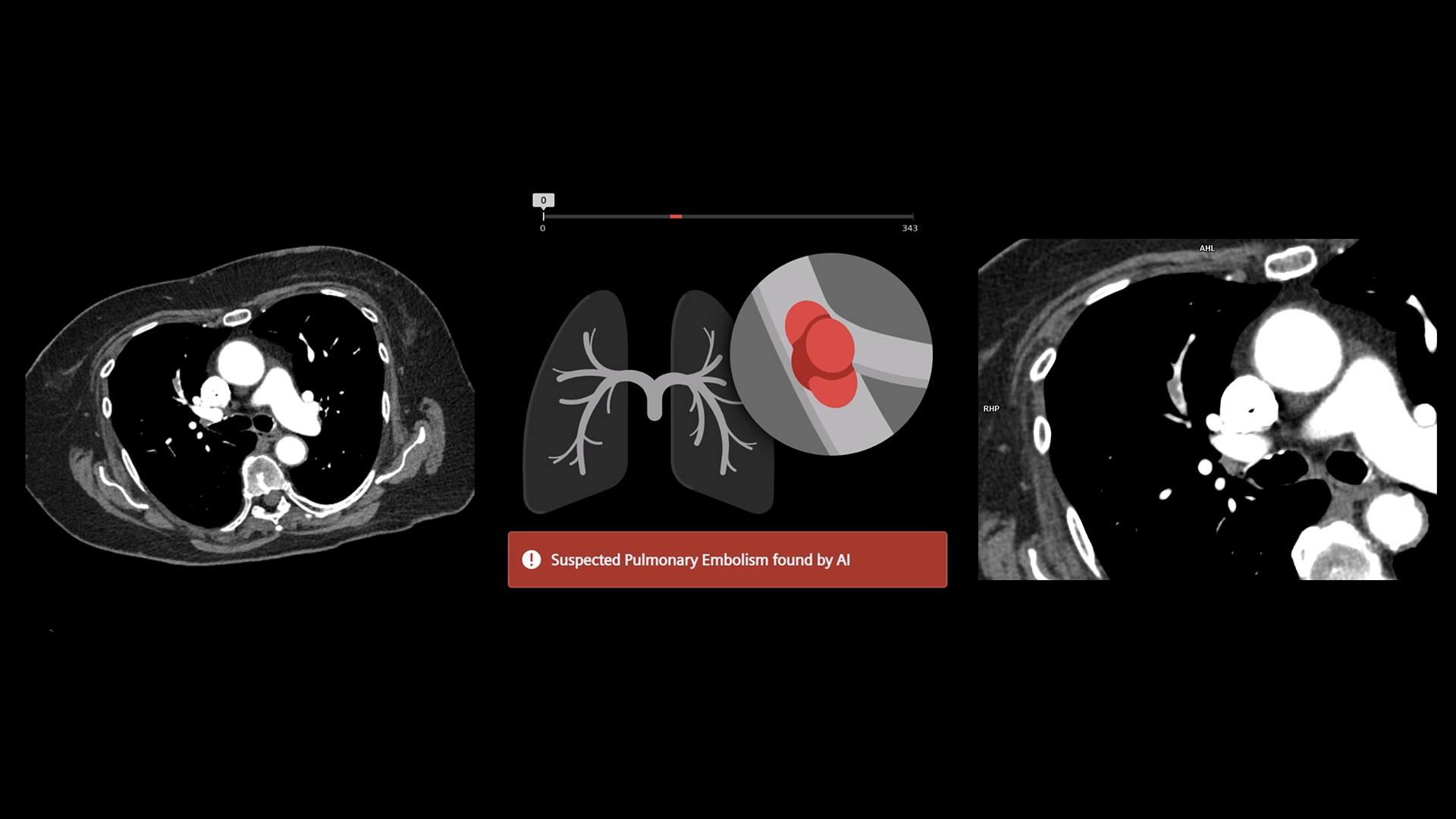
As part of upcoming software generations1,3, Synion1 is designed to expand through new capabilities in both CT and MRI. In CT, Deep Resolve1 is planned to bring deep-learning reconstruction to the Siemens Healthineers photon-counting CT and CT portfolio. It is designed to reduce noise and preserve details at the same time. New post-processing AI detection features are planned to support patient triaging, which could be particularly valuable in fast-paced emergency care settings.4 Workflow guidance with myExam Companion5 is set to expand to contrast-enhanced examinations through the upcoming software version1: myExam Contrast6, developed with Bayer Radiology, is intended to synchronize the CT scanner and contrast media injector, helping to reduce manual coordination.
In MRI, the planned steps toward greater autonomy focus on reducing manual interaction along the workflow. One example is Cerebriu's AI-powered neuroimaging solution, which can be integrated through Open Workflow7 to provide real-time decision support during the exam, helping to get the image right the first time. For image reconstruction, the established Deep Resolve technology is planned to cover additional clinical applications and protocols3 beyond routine MRI, making AI-powered reconstruction part of the workflow for 75 percent3,8 of sequences. This is expected to help deliver high-quality, reproducible images, enable shorter scan times and reduce manual effort. At the same time, intelligent guidance with myExam Companion is planned to extend to additional body regions3 and guide users through 96 percent1,8 of exams, helping enable consistent results across users and sites. Given the complexity of MRI exams, with numerous protocols, sequences, and parameters to manage, bringing automation into these steps could help make advanced MRI easier to perform in daily clinical routine.
With the solutions bundled under Synion1, fleet-wide standardization and software harmonization are intended to help organizations deploy innovations consistently across CT and MRI systems, users, and sites while simplifying operations at scale.