







Press release
Siemens Healthineers to Bring Photon-Counting CT to More Patients
Congress of the Radiological Society of North America (RSNA) 2026, Booth #2529, South Hall
Published on November 29, 2026
Image Gallery
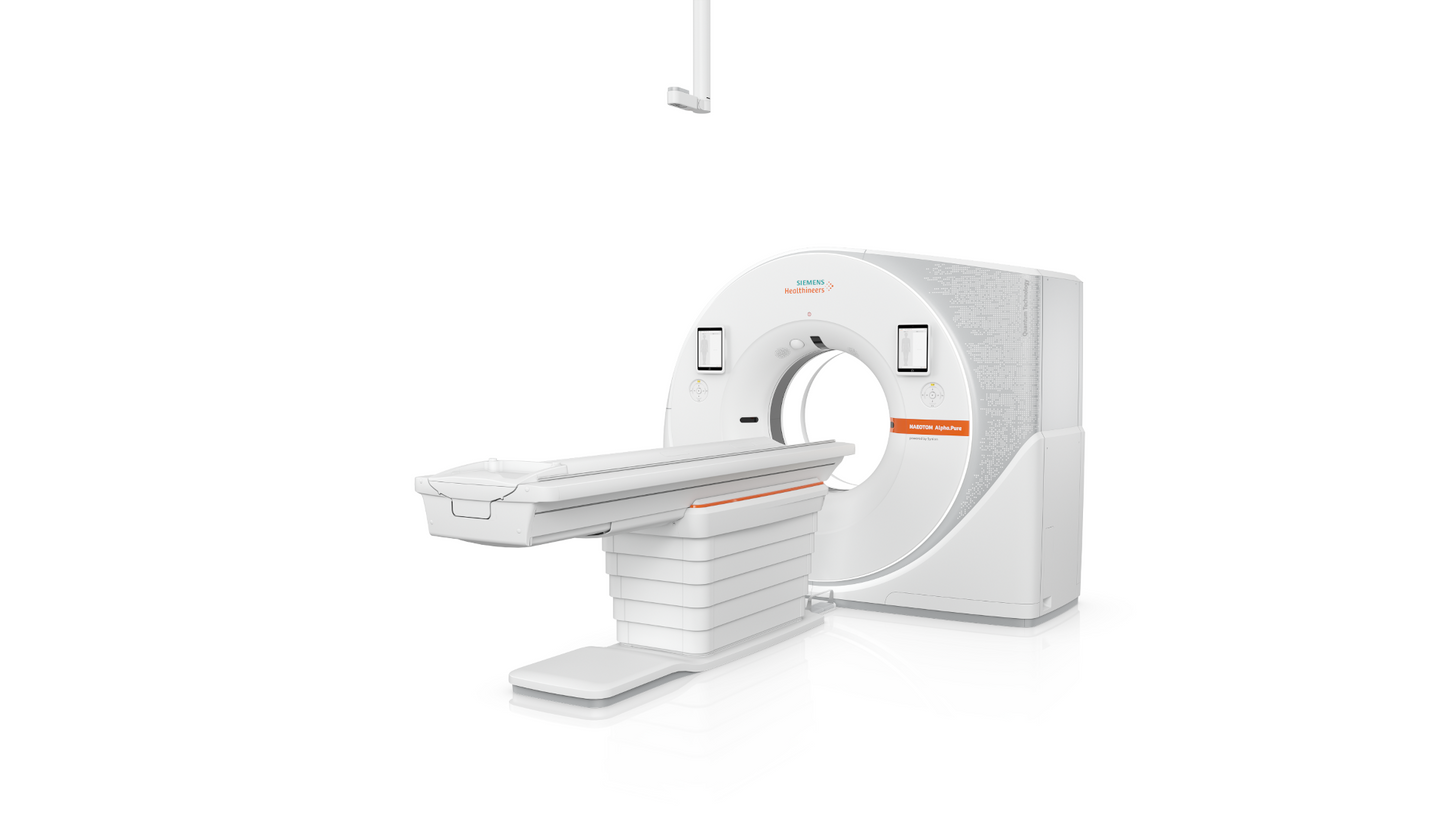
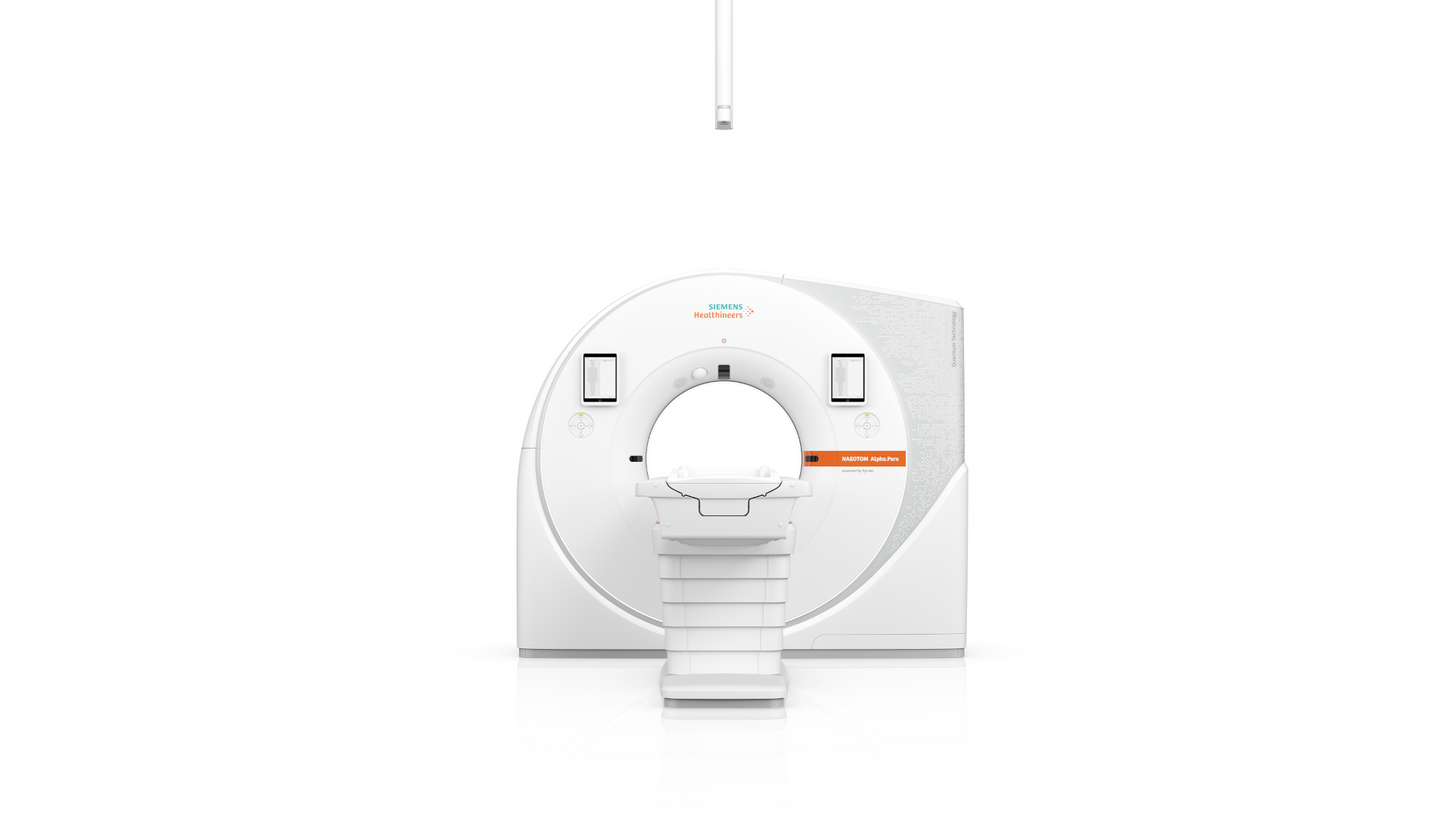
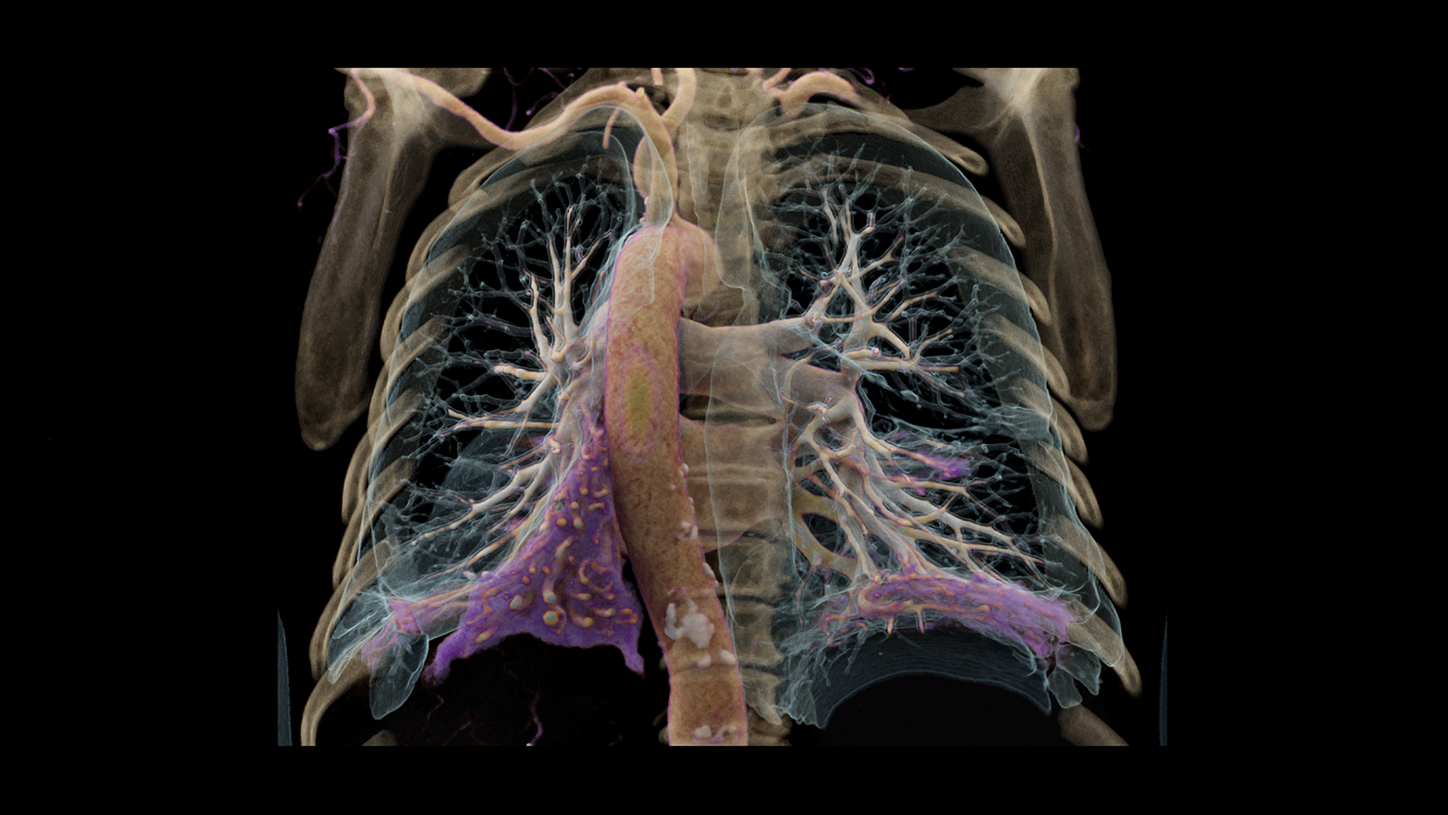
Siemens Healthineers introduces Naeotom Alpha.Pure1 at RSNA 2026, a planned addition to its photon-counting CT (PCCT) class that is intended to bring the technology to a greater range of healthcare providers and patients.
Download image




Download this press release
(pdf, 256.63 KB)Contact

Stefanie Haug
Magnetic Resonance Imaging, Computed Tomography and X-ray
1The product is under development and not commercially available. It is not available for sale in the USA. Its future availability cannot be ensured.
2Synion - Imaging intelligence will be available for Somatom and Naeotom Alpha scanners. The products/features mentioned herein are not commercially available in all countries. Their future availability cannot be guaranteed. Some of the applications mentioned within Synion are individual medical devices. Registrations are country specific and availability depends on country approval. Synion for CT is currently under development and not commercially available. It is not available for sale in the U.S.A. Its future availability cannot be guaranteed.
3Naeotom Alpha.Prime, Naeotom Alpha.Pro, and Naeotom Alpha.Peak are not commercially available in all countries. Their future availability cannot be guaranteed.
4Data on file.
5The statements by customers of Siemens Healthineers described herein are based on results that were achieved in the customer's unique setting. Because there is no “typical” hospital or laboratory and many variables exist (e.g., hospital size, samples mix, case mix, level of IT and/or automation adoption) there can be no guarantee that other customers will achieve the same results.
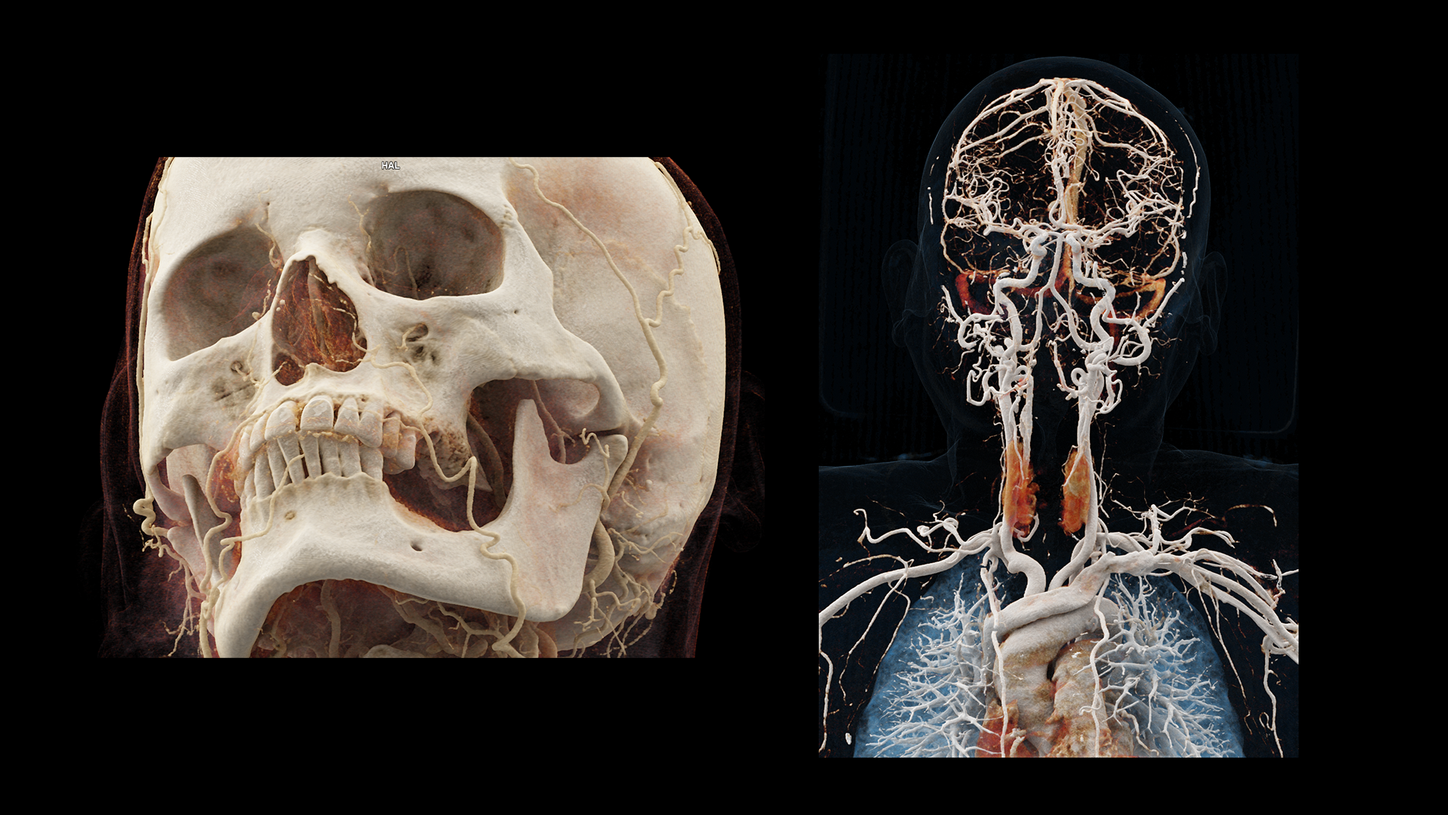
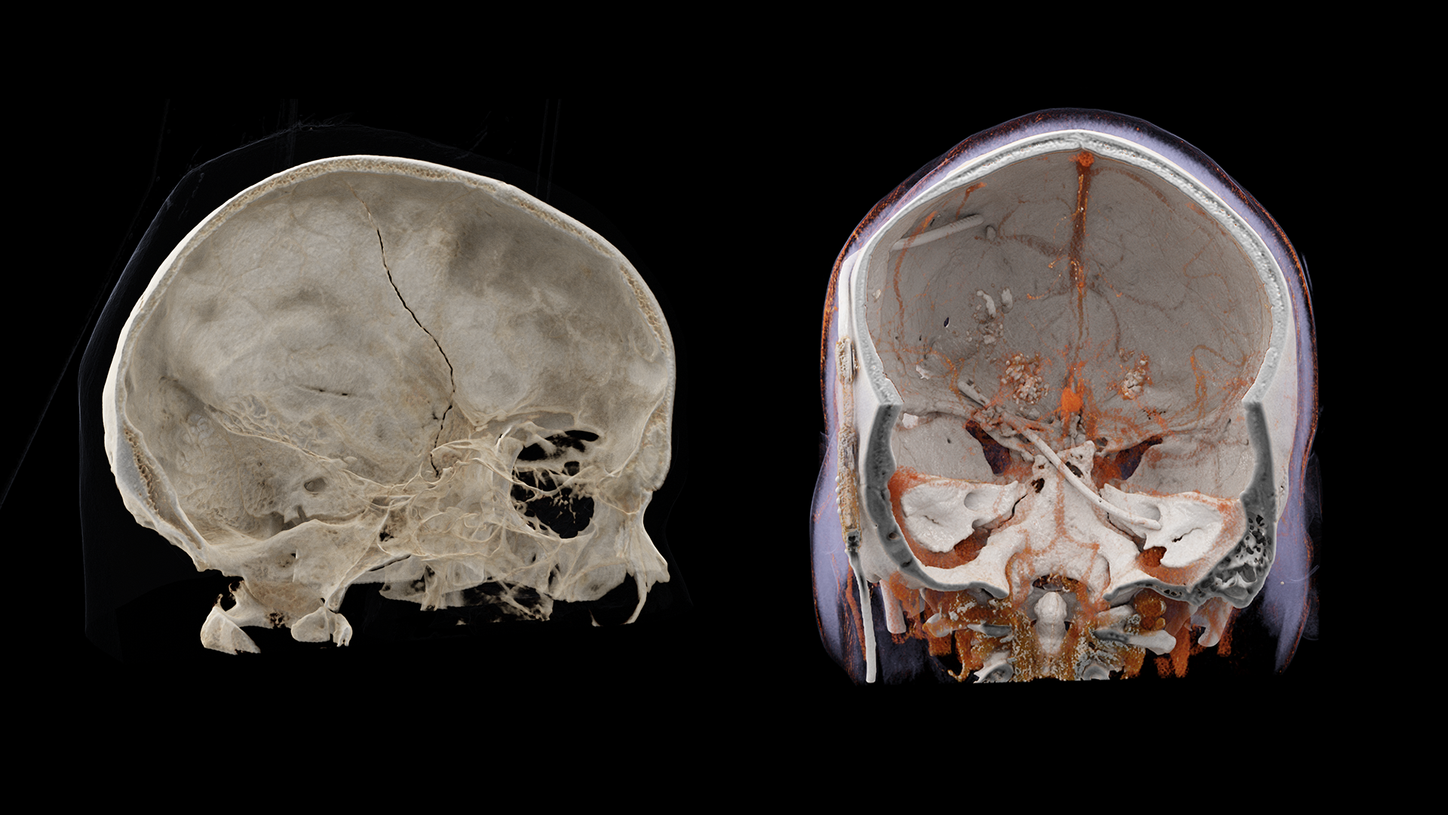
6All clinical images were acquired using Naeotom Alpha.Pro operated in Single Source mode. Naeotom Alpha.Pure is planned to be based on the same photon-counting technology. Acquisition and reconstruction parameters may differ between the systems. The images are 3D cinematic renderings or fused MPR with bone marrow (hand with pathology in middle finger).
Siemens Healthineers 2027
Siemens Healthineers (DAX: SHL) pioneers breakthroughs in healthcare. For everyone. Everywhere. Sustainably. A leader in healthcare technology, Siemens Healthineers aims to elevate health globally by striving to overcome the most threatening diseases – cancer, stroke, cardiovascular and neurodegenerative diseases – and to improve access to care for underserved communities worldwide. We are active in imaging, cancer care, minimally invasive therapies, in-vitro diagnostics and radiopharmaceuticals, backed by healthcare AI solutions that enable personalized care at scale. Siemens Healthineers does business in more than 180 countries with direct representation in more than 70, partnering with healthcare providers to address their most pressing challenges. In the fiscal year ending September 30, 2026, Siemens Healthineers had around 75,000 employees worldwide and generated revenue of around €23.6 billion. Further information is available at siemens-healthineers.com.