



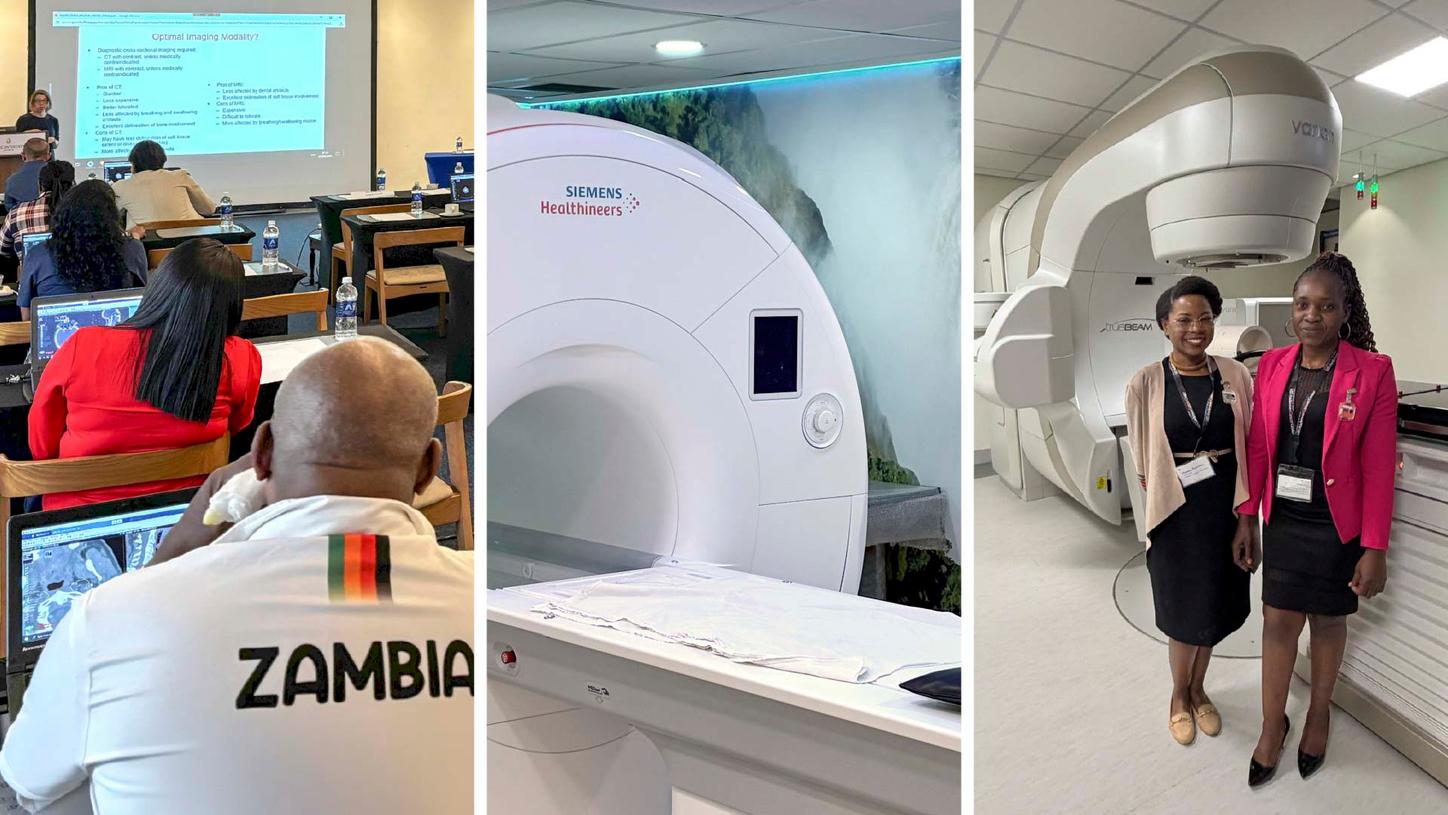
Three-part image showing a medical training session, a Siemens Healthineers MRI scanner, and two people standing in front of a radiotherapy system.
Access to care

Restoring access to cancer care in Zambia

Early clinical education helped prepare healthcare teams in Zambia to turn renewed treatment capacity into patient care.
3min
Shelley Pascual
Published on November 20, 2026


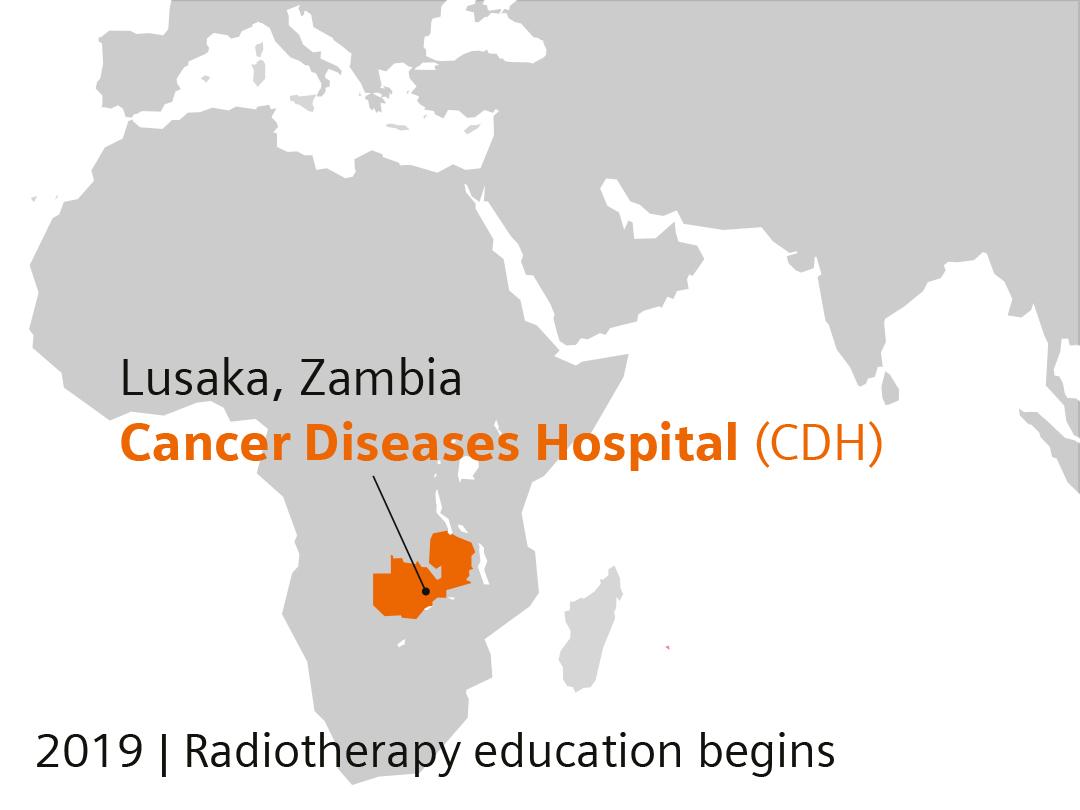
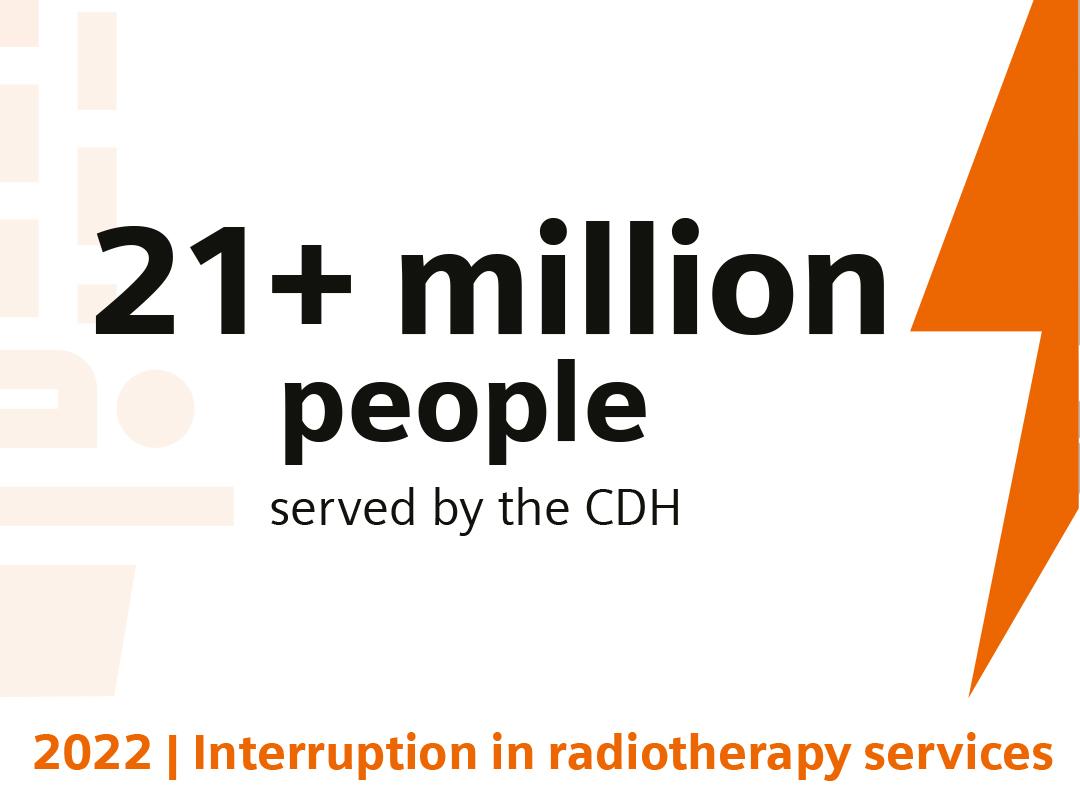
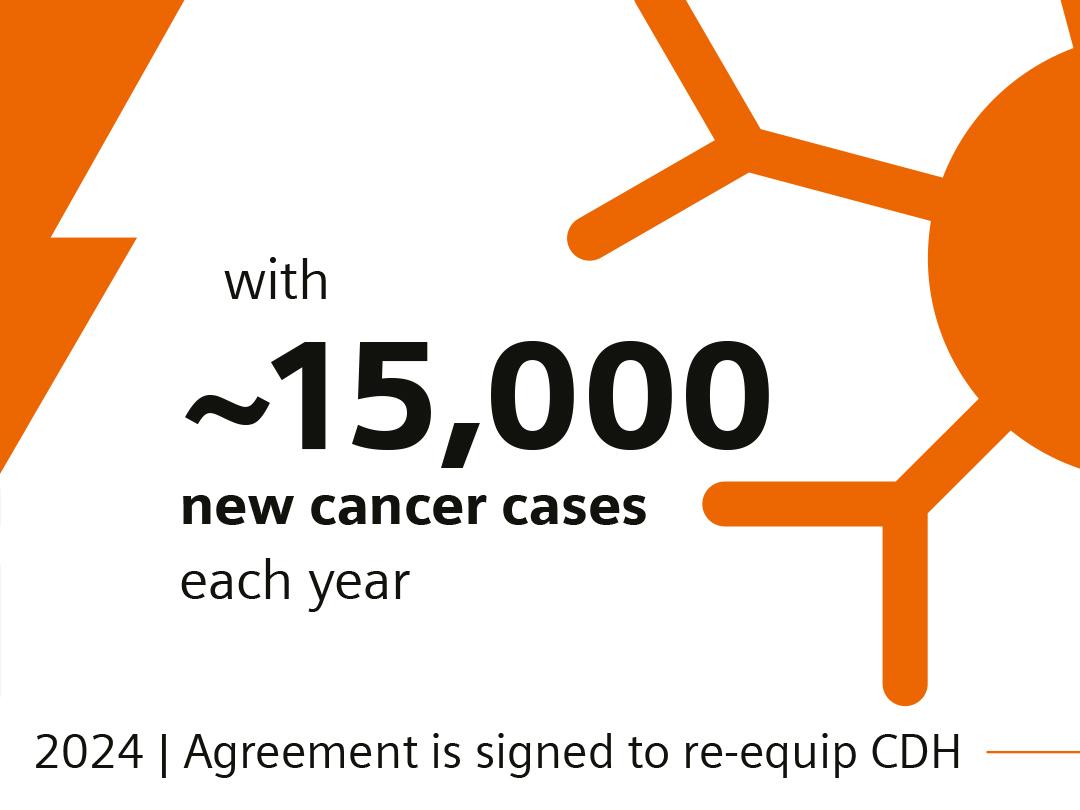
Radiotherapy services in Zambia had long been concentrated at the Cancer Diseases Hospital (CDH) in Lusaka, the country’s capital and largest city. As Zambia’s national radiotherapy center, the hospital serves a country of more than 21 million people, with an estimated 15,000 new cancer cases each year.

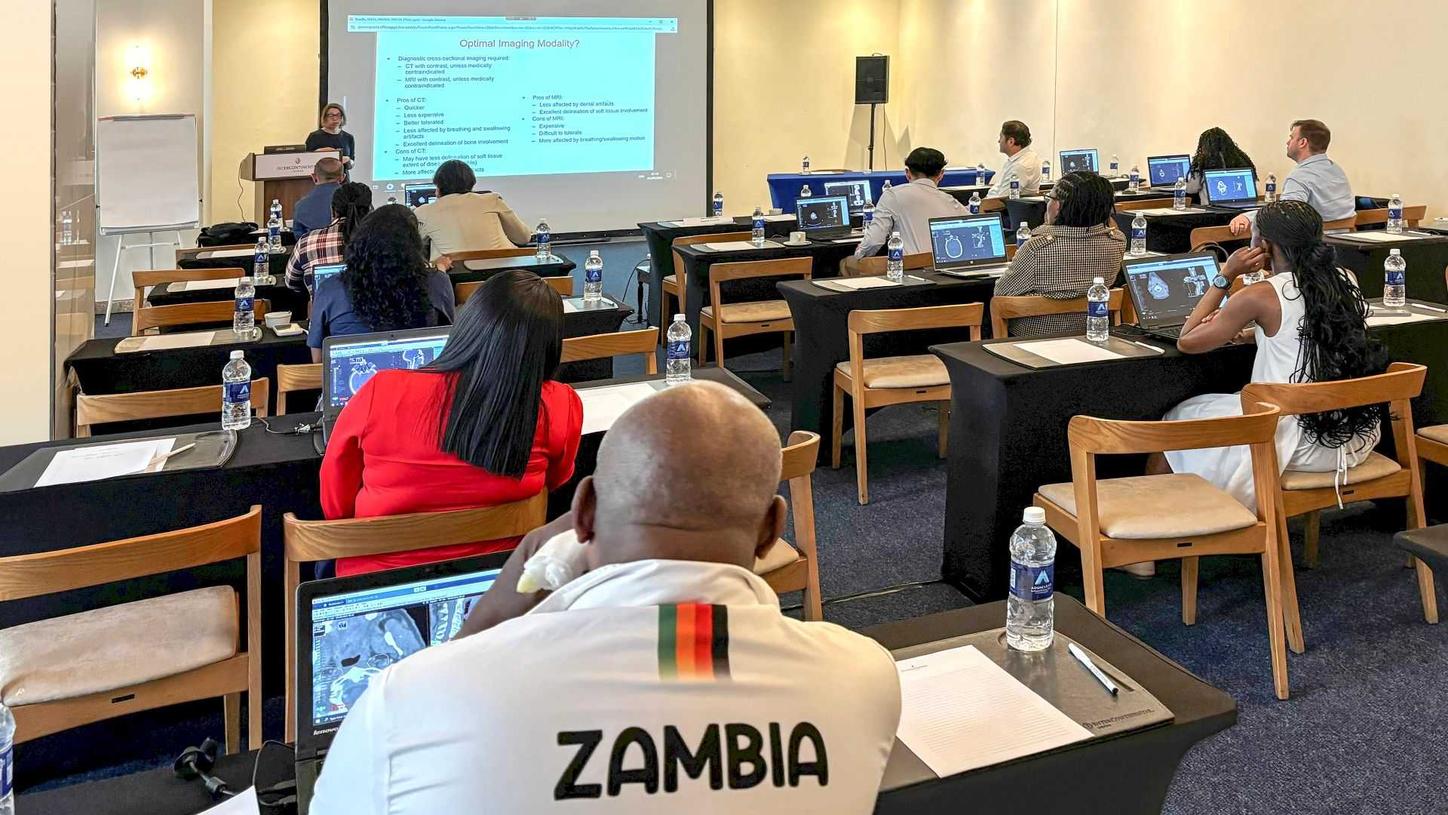
In 2019, healthcare professionals in Zambia began participating in foundational and advanced radiotherapy education supported by Varian, now part of Siemens Healthineers. That early investment helped clinical teams begin building the knowledge and skills that would support Zambia’s later restoration and modernization of radiotherapy services.

From 2019 to 2026, hospital staff participated in more than 140 days of education. The program covered radiotherapy practice, treatment planning, medical physics, contouring, pediatric care, and multidisciplinary decision-making.

Engagement with government and healthcare stakeholders helped strengthen partnerships and align the program with Zambia’s national healthcare priorities. Together with clinical education, this work helped new infrastructure later deliver lasting clinical impact.

In 2022, the CDH’s aging treatment units had become obsolete and were decommissioned. With Zambia’s national radiotherapy service interrupted, patients were left with limited options for receiving treatment locally. Some patients had to seek care abroad.

The interruption highlighted the importance of the hospital’s national role. Restoring radiotherapy required rebuilding treatment infrastructure while continuing to develop the clinical expertise needed to use modern technology safely and effectively.

Zambia’s experience also reflects a wider challenge. Across many low- and middle-income countries, access to radiotherapy can be restricted by aging equipment, insufficient treatment capacity, workforce shortages, and long distances to care. Patients may face longer waits, extensive travel, or no local treatment option.

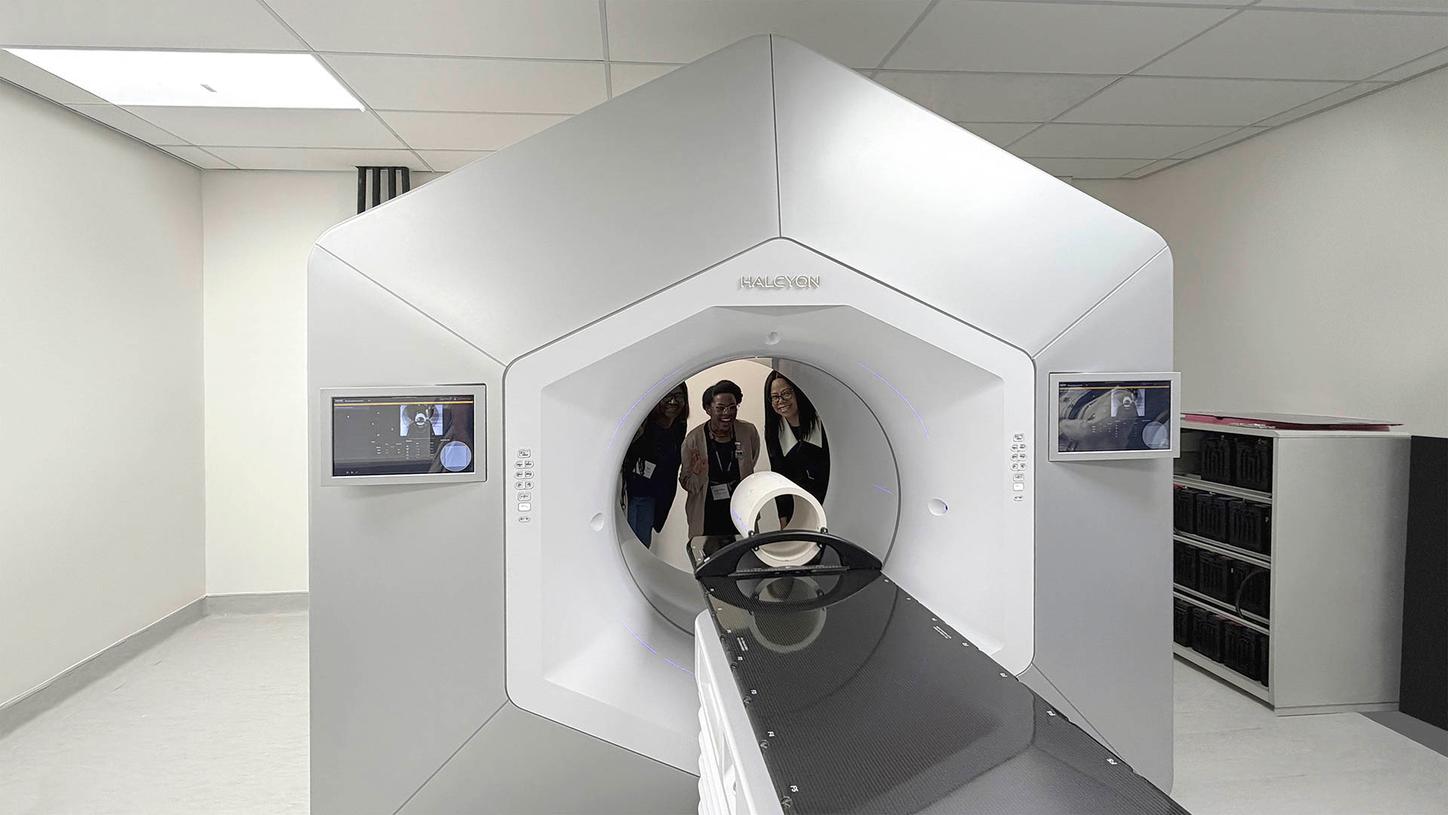
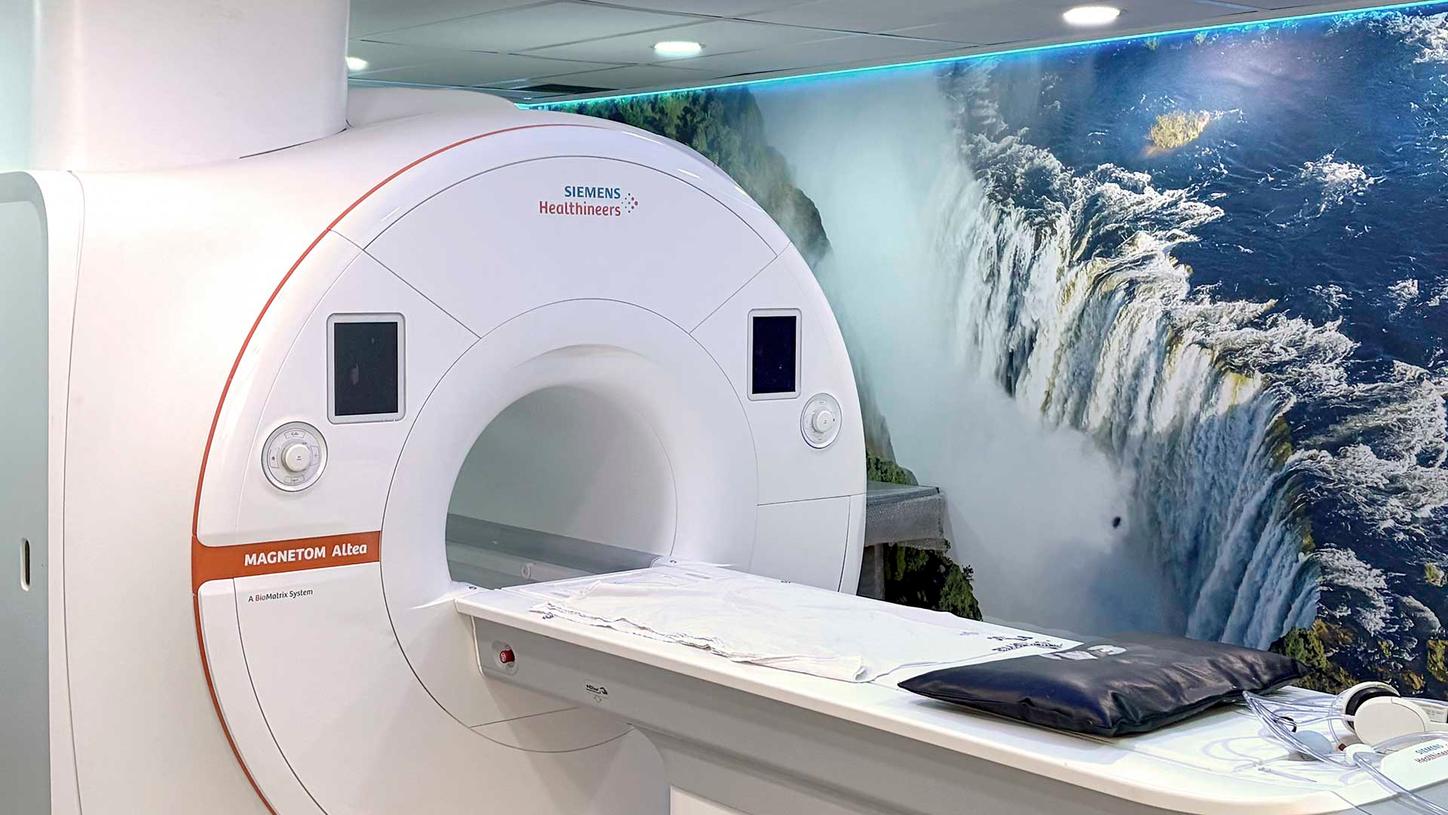
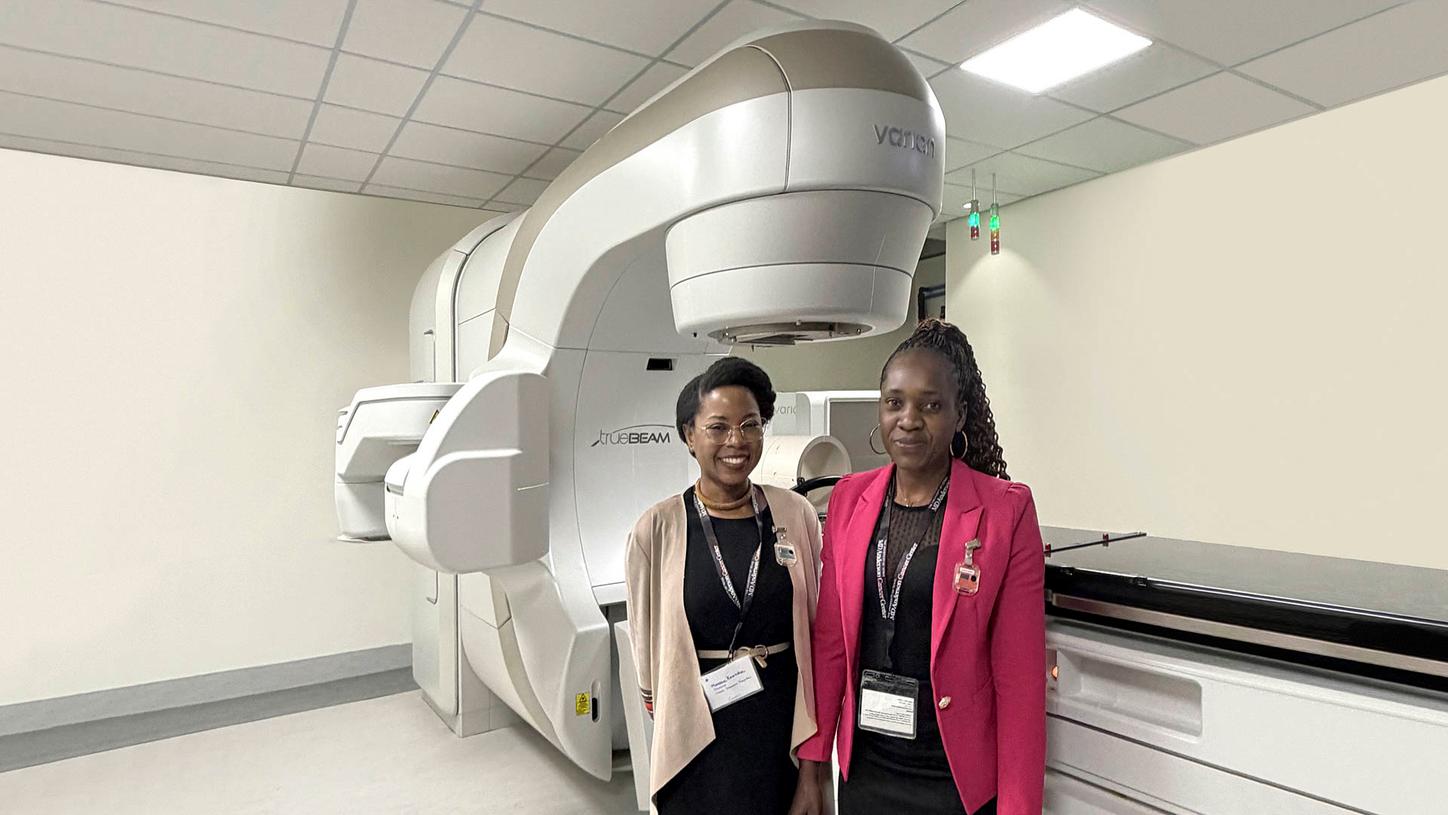
In 2024, the government of Zambia and Siemens Healthineers signed an agreement to rehabilitate and re-equip the CDH [1]. The project included four modern linear accelerators, two brachytherapy units, two computed tomography simulators, one magnetic resonance imaging system, one mammography unit, and a new treatment bunker.

Since clinical education was already underway when the new systems were installed, the project could build on knowledge and capabilities that healthcare professionals had begun developing years earlier. 

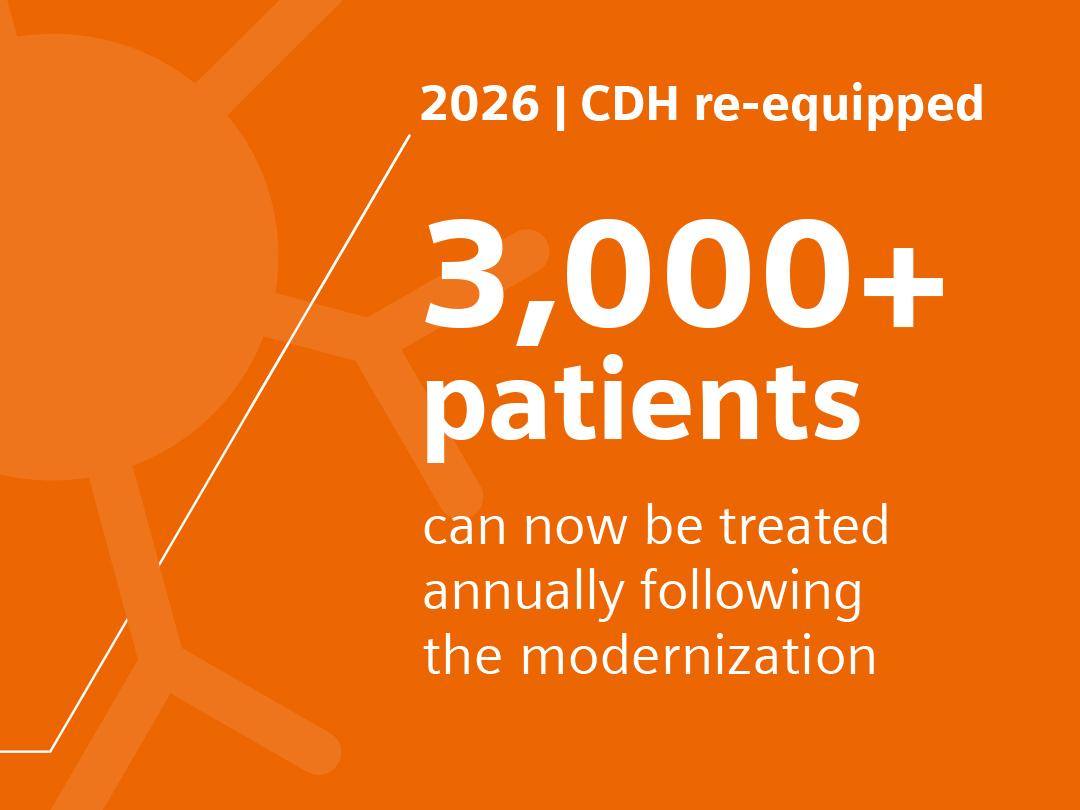
Following the installation of the new systems, patients could once again receive radiotherapy in Zambia. The resumption of treatment marked the return of a vital national service. Hakainde Hichilema, president of Zambia, described it as a "mark of hope" for people with cancer across the country [2]. Today, the CDH has capacity to treat more than 3,000 patients annually.

Zambia’s experience shows why workforce readiness should begin before new technology arrives. Early education can help healthcare organizations identify skills gaps, develop clinical capabilities, and prepare teams for safe adoption.

Education alone cannot guarantee the success of a modernization program. Combined with infrastructure investment, strong partnerships, alignment with healthcare priorities, and long-term support, it can help turn renewed treatment capacity into patient care.


Portrait photo of editor Shelley Pascual
By Shelley Pascual
Shelley is a former journalist and current Siemens Healthineers editor specializing in healthcare access.