





Access to care
How helium-independent MRI is transforming care in the Peruvian Andes
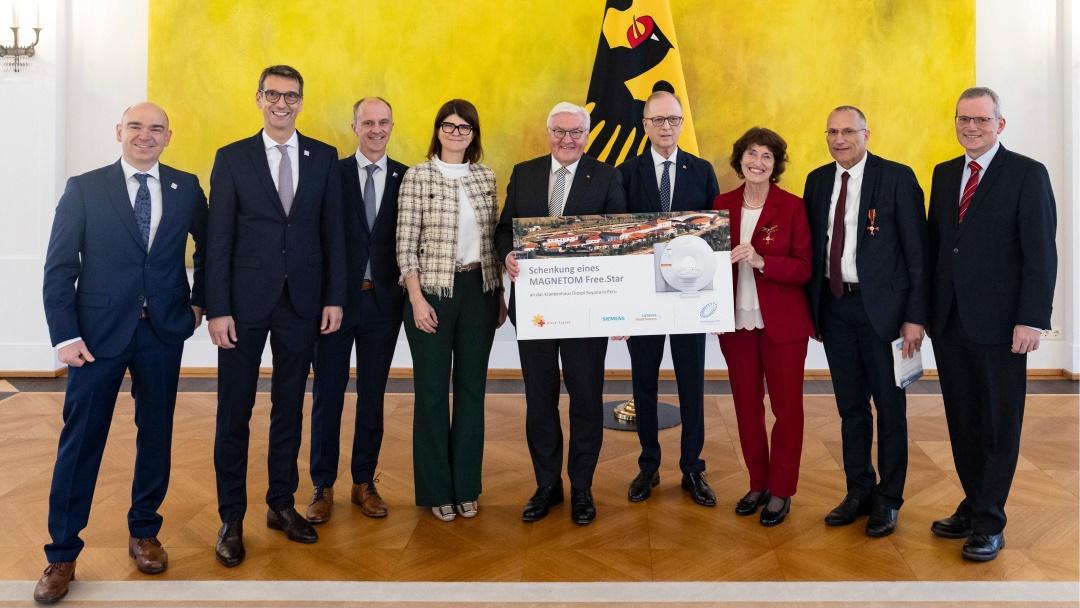
Thanks to a generous donation, innovative technology is bringing modern medical diagnostics to rural Peru, improving healthcare for indigenous and poor communities.
7min
Published on October 10, 2025
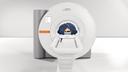
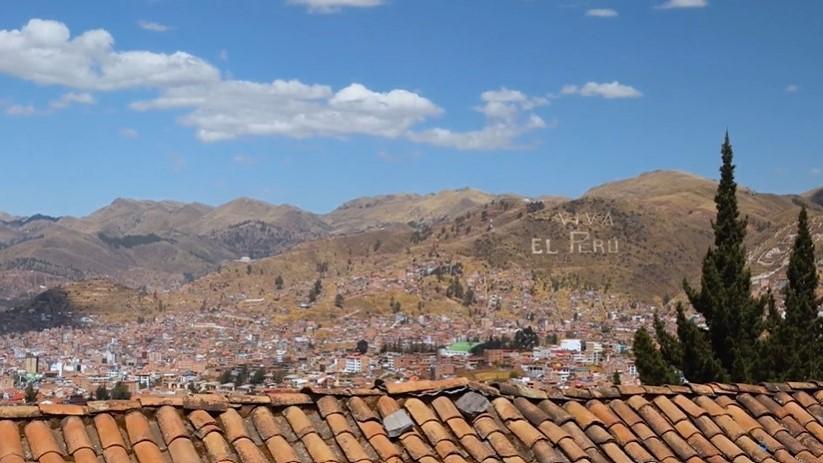
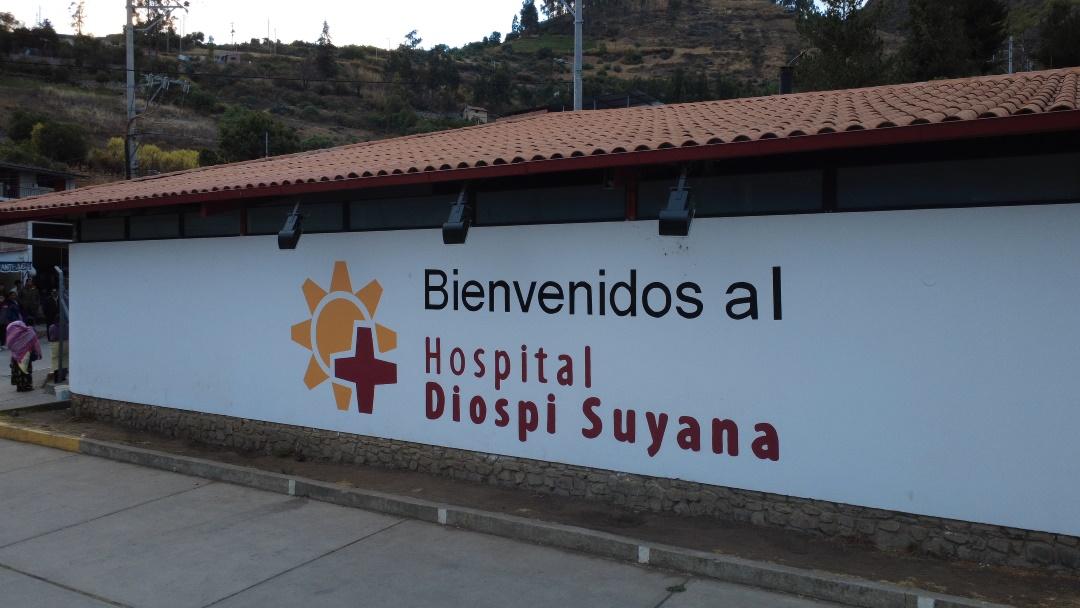
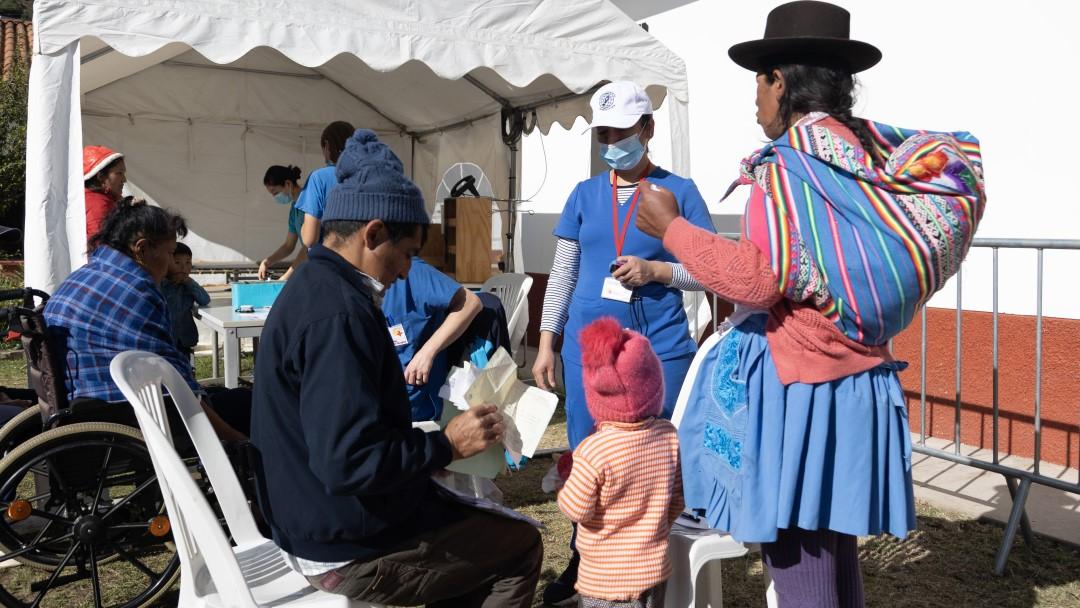
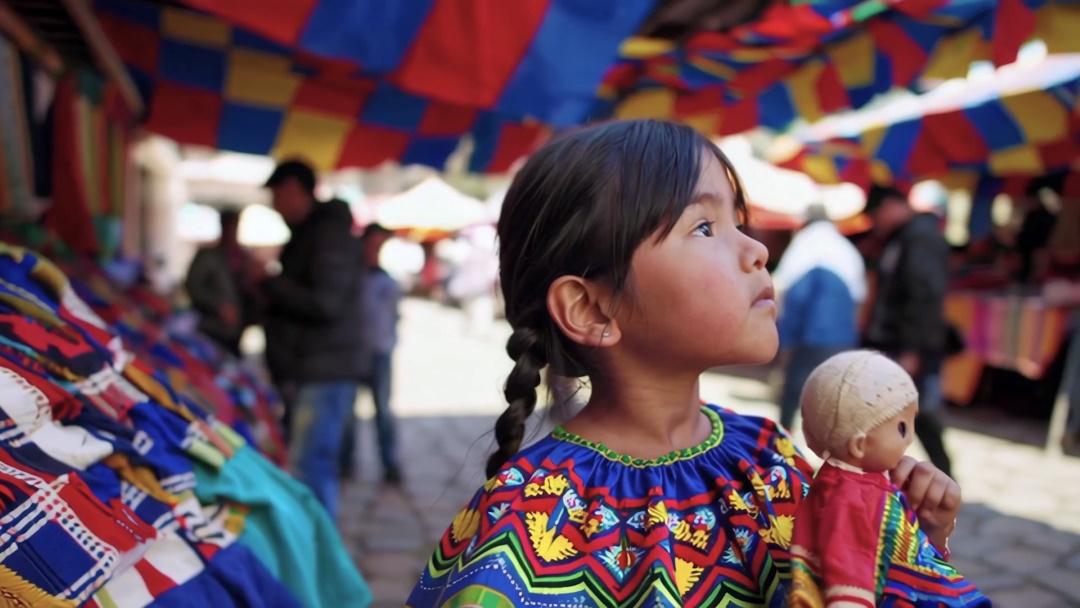
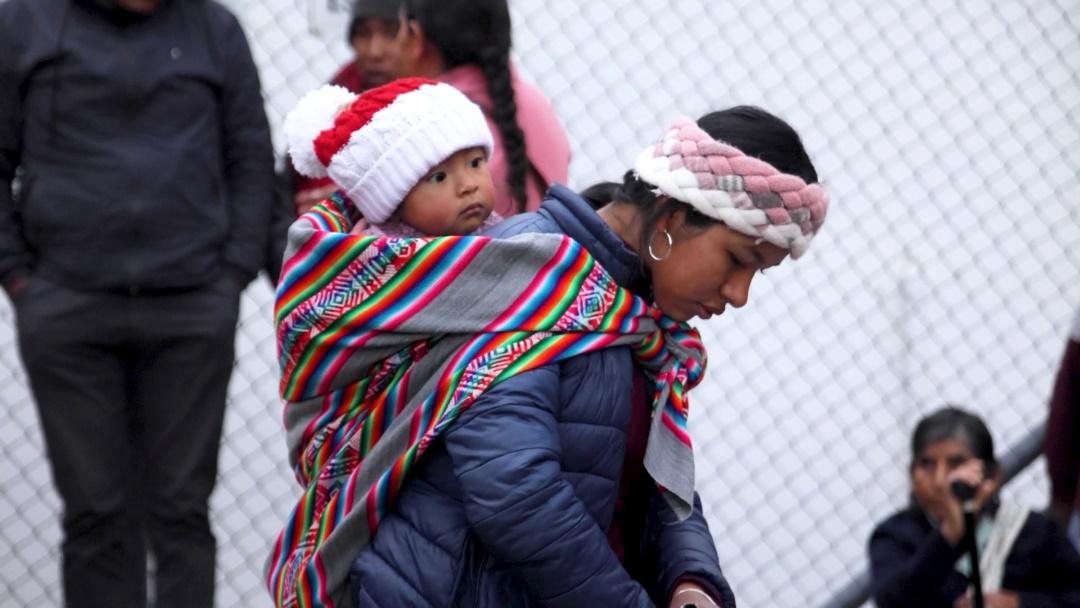
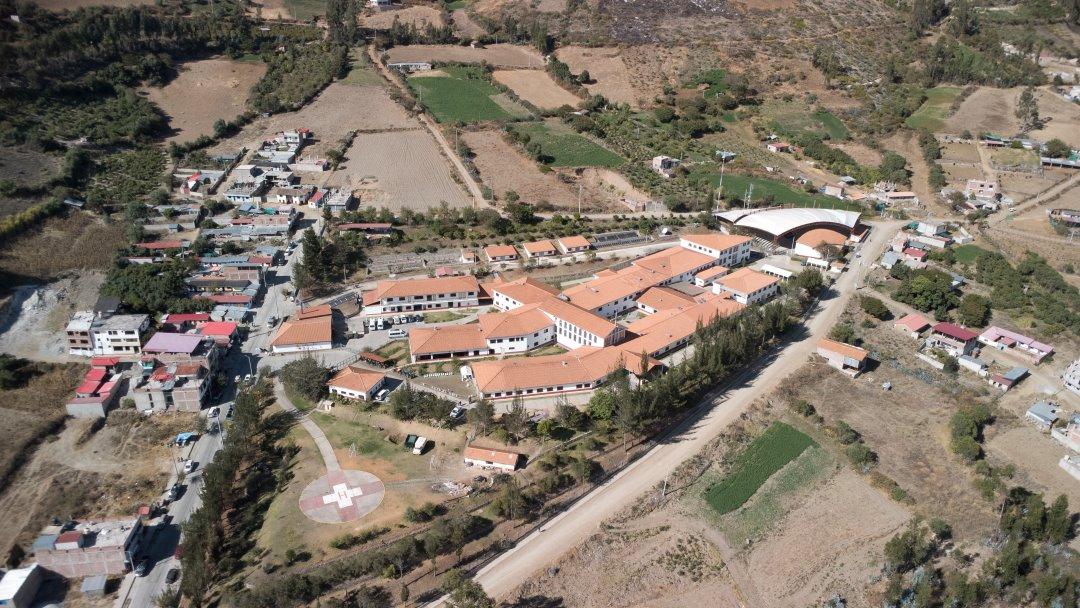
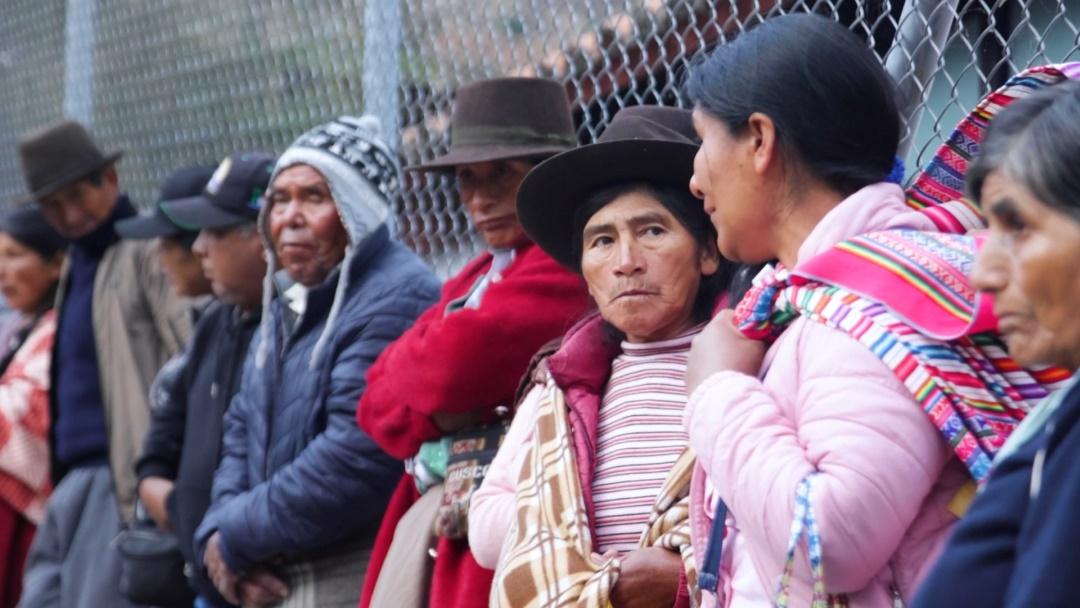
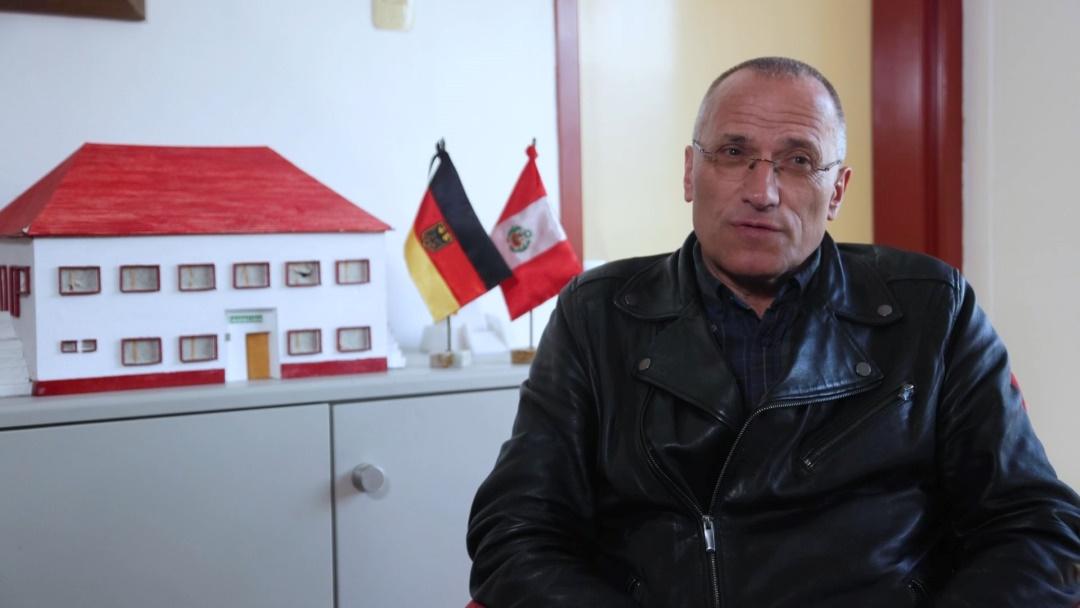
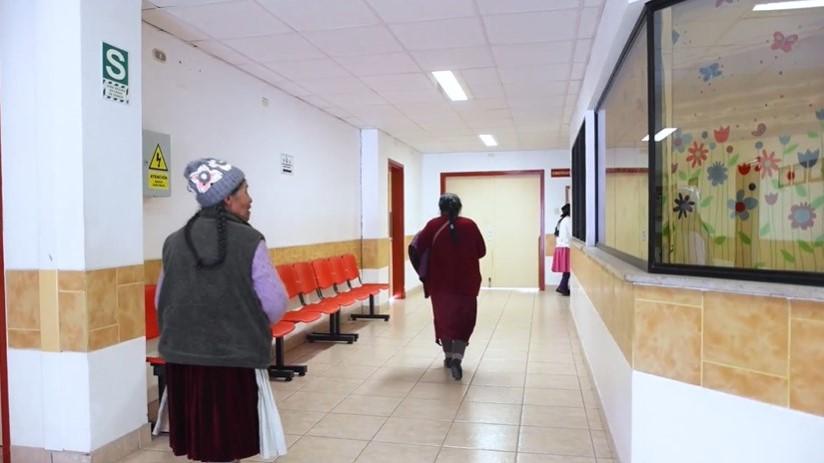
Access to healthcare in the rural and indigenous regions of Peru, like Apurímac, is difficult. Many families need hours to reach a basic health center, getting to a regional hospital can take days. In that context, the very idea of installing a magnetic resonance imaging (MRI) scanner would seem impossible, even though technology is vital for diagnosing many diseases. It took a great deal of innovation – and people thousands of kilometers apart, but with a joint vision – to help.
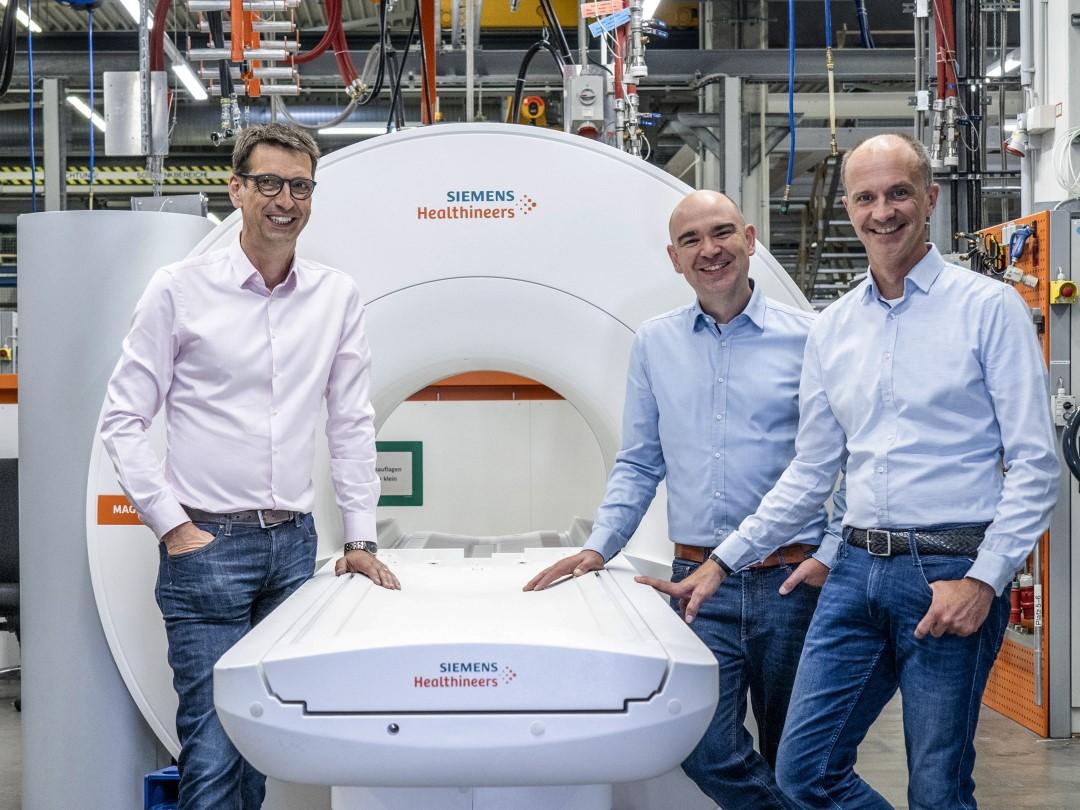
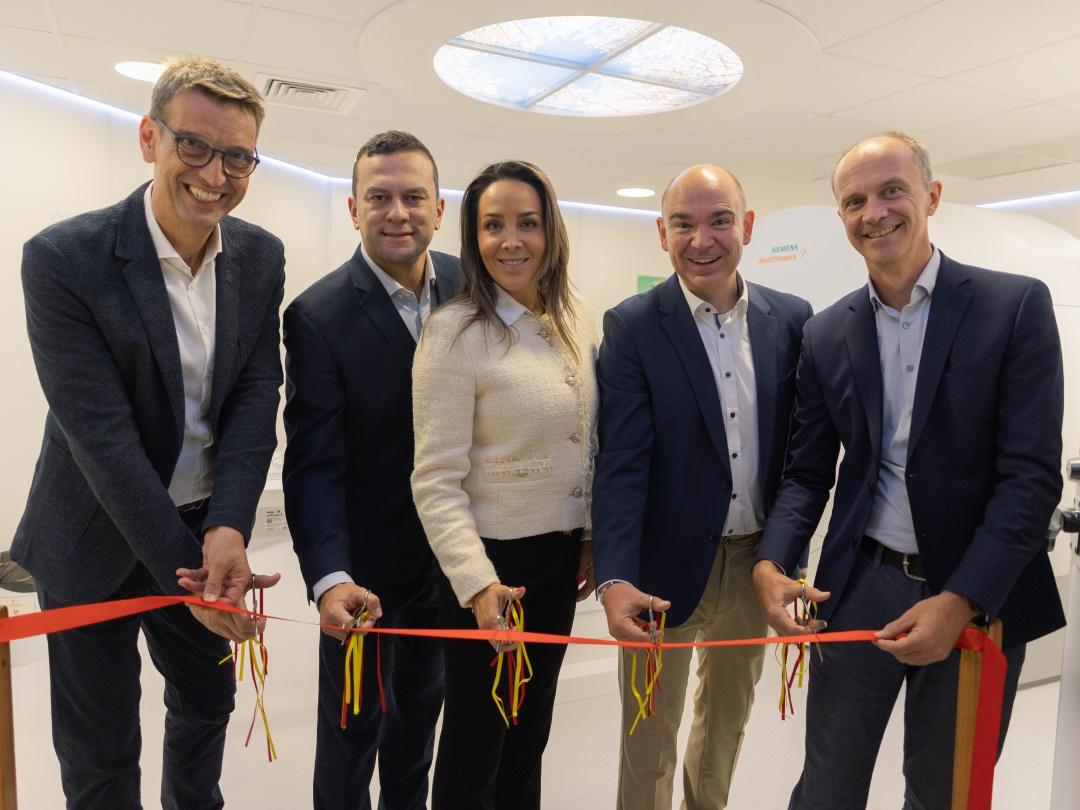
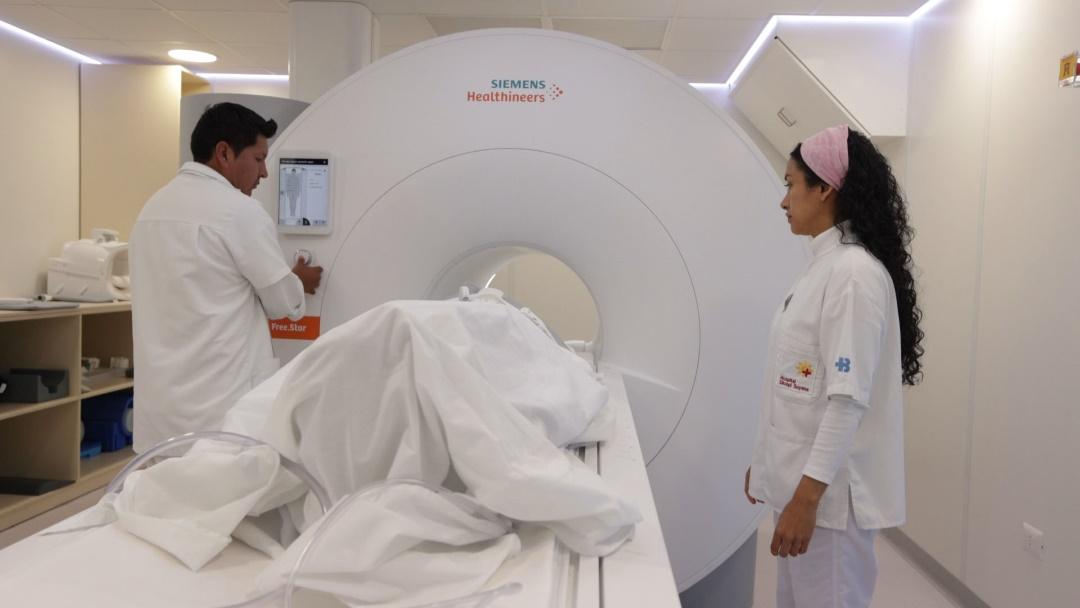
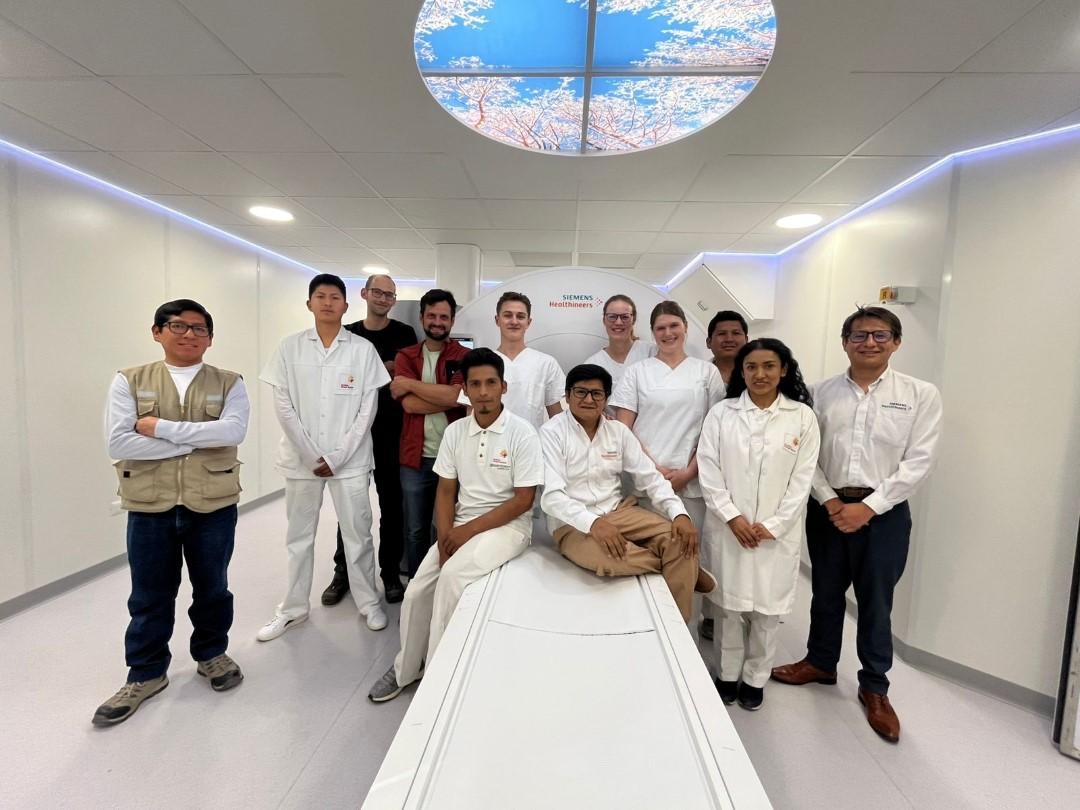
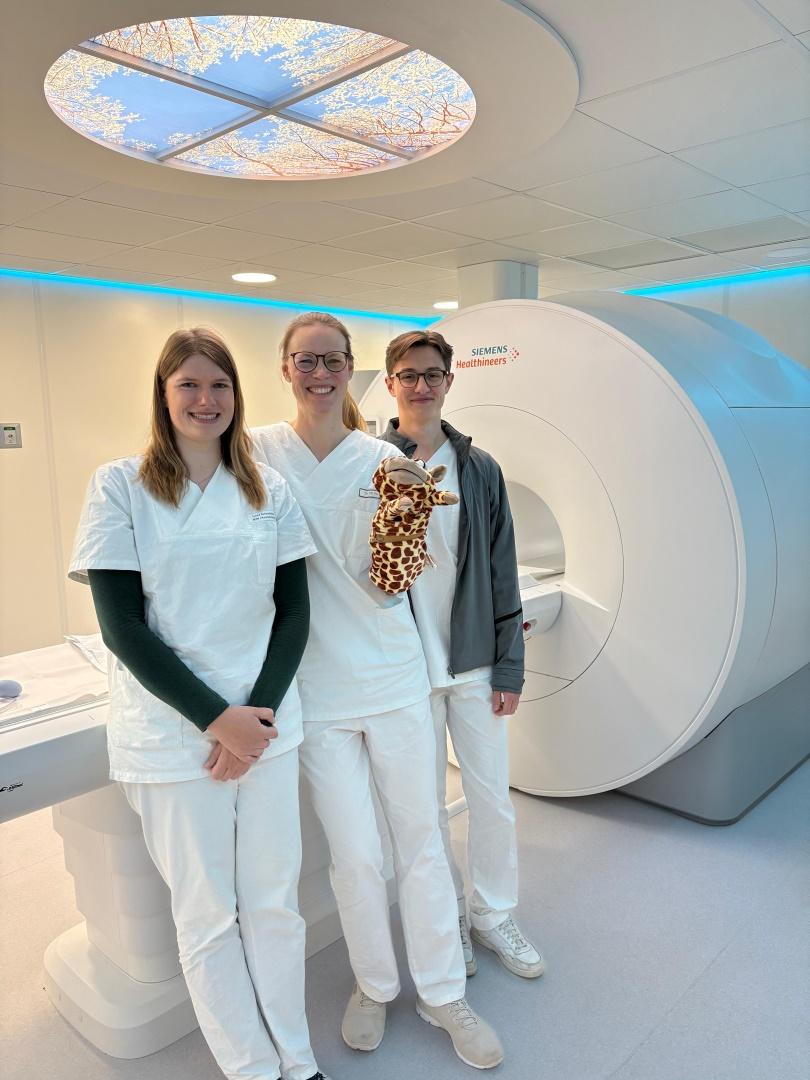
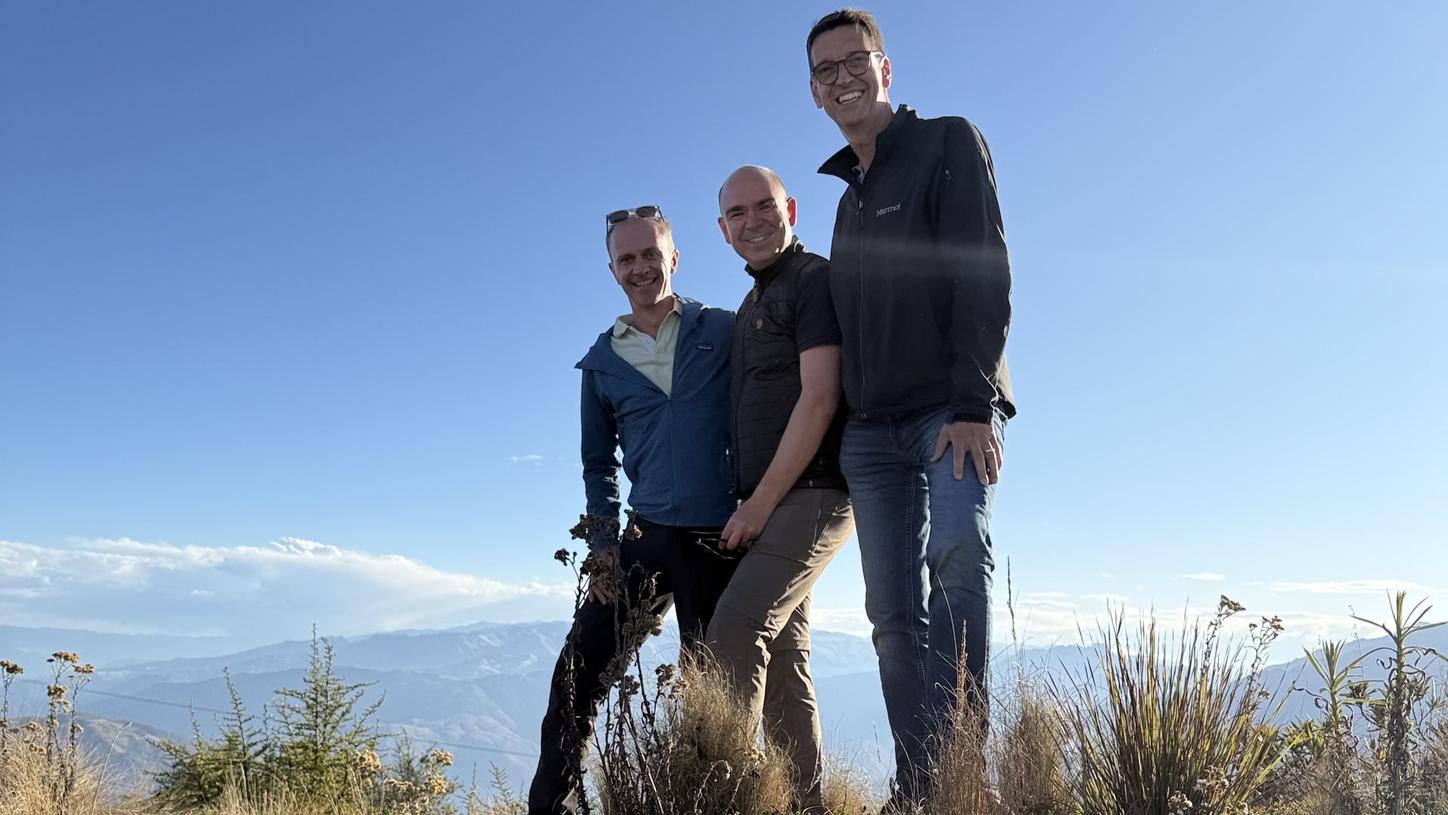
“Only half of the world's population has access to MRI. We wanted to change that. Here in Peru, we see that Magnetom Free is more than just an invention. It is a device that changes lives.”
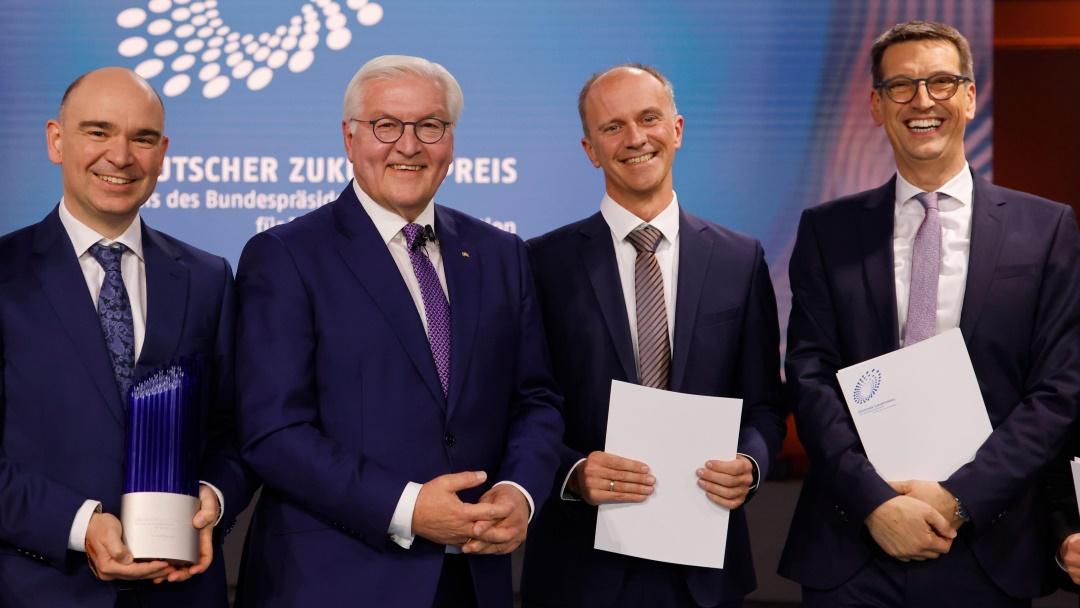
– Stephan Biber, David Grodzki and Prof. Michael Uder (Winners of the German Future Award 2023)