
Siemens Healthineers Healthcare efficiency header

Building efficient patient care Enabling healthcare efficiency to deliver personalized care at scale

Bridging the growing gap between rising healthcare demand and limited capacity requires a clear focus on building efficient patient care. This challenge calls for action across three key pillars: 

  • empowering the healthcare workforce, 
  • optimizing performance and costs,  
  • adopting intelligent systems. 

Discover practical approaches and real-world impacts to increase capacity, improve healthcare efficiency, and enable professionals to deliver high-quality care to more patients.
NCDs are reshaping global healthcare demand

Rising demand and structural capacity constraints are putting increasing pressure on healthcare systems. Non-communicable diseases (NCDs) already account for nearly 75% of global deaths1 and continue to drive long-term clinical and financial burden. As a result, workload is increasing and workforce resilience is declining, making healthcare efficiency more critical than ever.

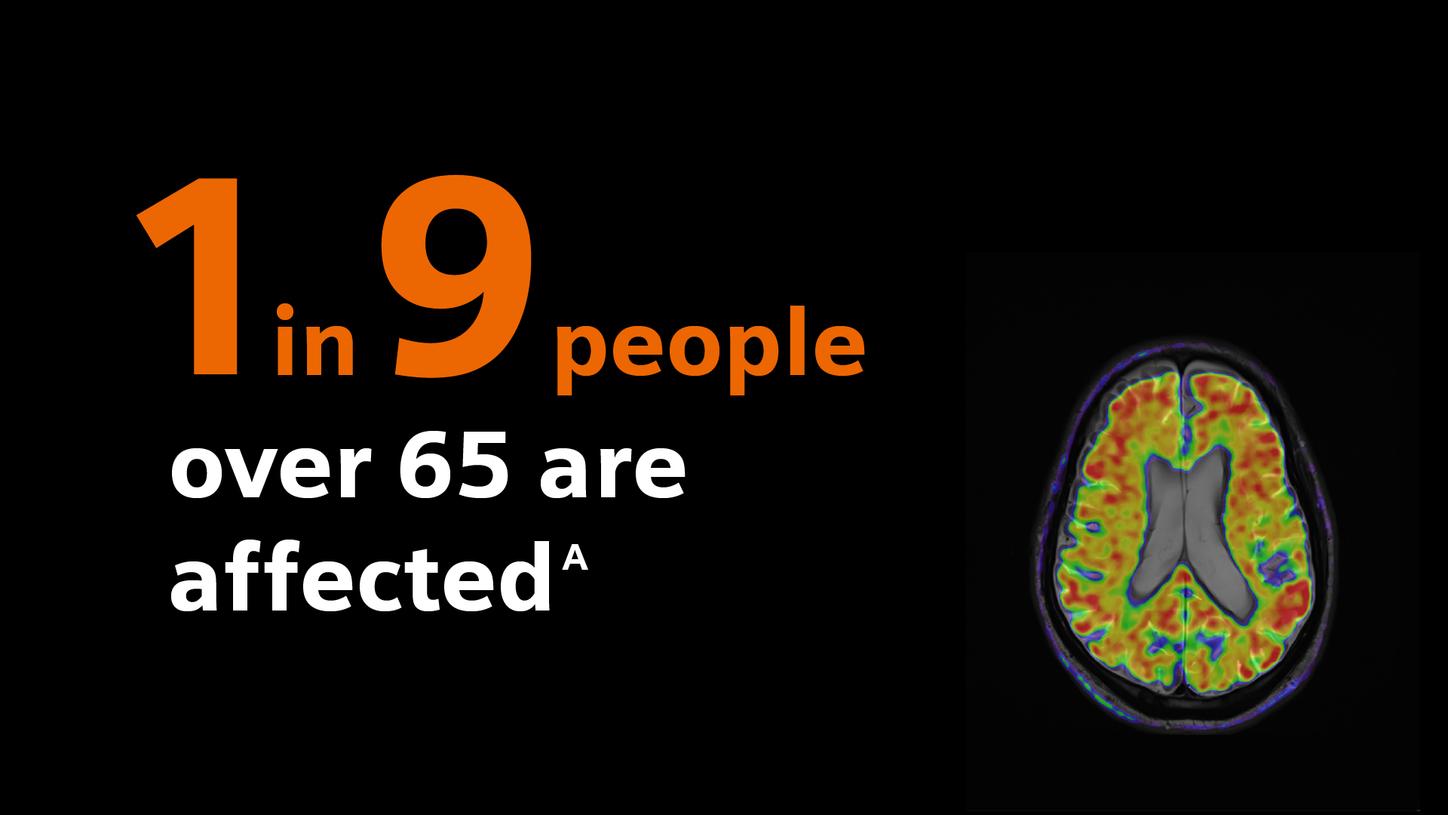
Infographic stating “1 in 9 people over 65 are affected,” alongside a colorful brain scan image.

Alzheimer's

Progressive decline and aging populations increase demand for diagnostics, imaging for therapy monitoring, and long-term care capacity.

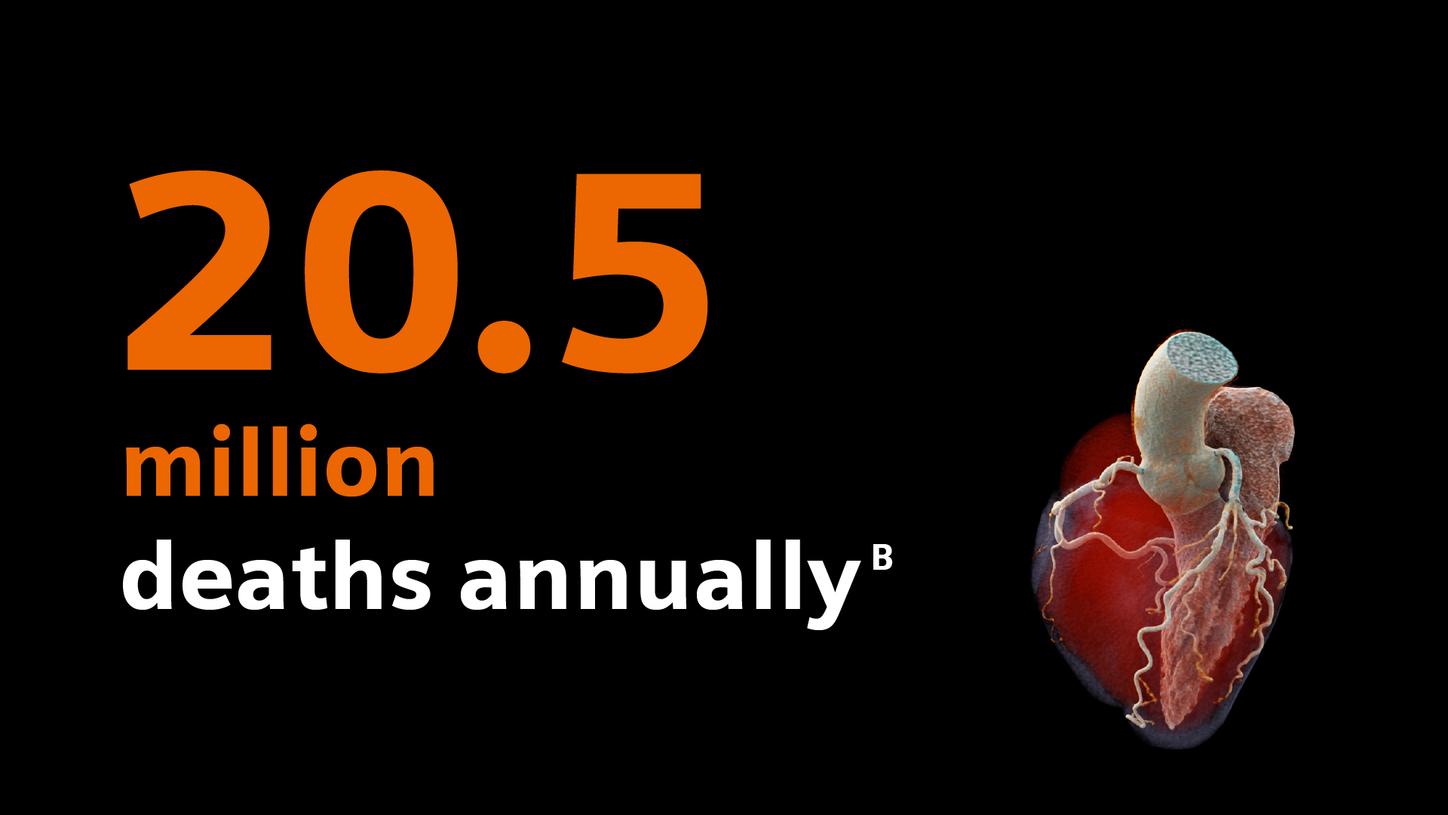
Infographic showing “20.5 million deaths annually” with a stylized heart illustration.

Cardiovascular

Lifelong management, monitoring and recurring interventions increase demand on imaging, interventional capacity, and specialized teams.

Infographic reading “12 million cases annually” with a brain scan image.

Stroke

Emergency intervention and follow-up care intensify pressure on acute capacity and imaging resources.

Infographic stating “20 million new cases annually” with a lung scan image.

Cancer

Rising incidence and increasingly complex, personalized therapies expand workload across diagnostics, multimodal treatment, and long-term survivorship care.

Fields of action to improve healthcare efficiency

Building efficient patient care to bridge the growing gap between demand and capacity by empowering the healthcare workforce, optimizing performance and cost, and expanding patient volume through intelligent systems. 

Augment human capabilities, advance lifelong learning, and improve the work experience – for greater capacity, higher engagement, and improved retention. 

Healthcare professional using a touchscreen medical device.

Augment human capabilities

Augmenting human capabilities through AI support and intuitive interaction can reduce cognitive load, simplify complex tasks, and ease daily pressures – enabling professionals to work at the top of their license, focus on meaningful clinical work while improving patient care efficiency.

Man wearing a virtual reality headset in a clinical setting.

Advance lifelong learning

Advancing lifelong learning through personalized education, simulation-based training, and remote expert guidance empowers clinicians to continuously build skills and confidence – driving patient care efficiency.

Healthcare worker wearing mask and gloves.

Improve the work experience

In demanding healthcare environments, improving the work experience strengthens retention and stabilizes care teams, helping professionals remain engaged and deliver high-quality patient care efficiently.

Leverage data-driven insights and partnerships to optimize operations and address staff shortages – for leaner, faster workflows contributing to cost savings and higher returns.

Person using a laptop displaying a healthcare analytics dashboard.

Leverage data-driven insights

Healthcare efficiency starts with greater transparency through systematic, continuous operational performance monitoring and data visualization, creating clarity, reducing inefficiencies, and enabling more informed decision-making and ongoing optimization.

People reviewing and sketching a floor plan on architectural drawings.

Partner for performance

External resources, ranging from targeted clinical support to long-term, performance-oriented, collaborative partnerships can provide access to clinical expertise, medical technology innovation, and operational excellence, helping optimize operational efficiency in healthcare and costs.

Deploy technology including robotics, remote solutions, and AI-powered automation – to automate mundane tasks and increase throughput to serve more patients.

3D medical scan showing heart and blood vessels on a monitor.

Automate mundane tasks

AI-powered automation and robotics support healthcare efficiency by reducing manual workloads and automating routine tasks, enhancing consistency, reliability, and precision while freeing clinical staff to focus on higher-value activties.
Blood sample tubes in a laboratory analyzer.

Increase throughput

AI-powered solutions, robotics, and remote technologies increase throughput by accelerating processes and improving system utilization – enabling faster workflows, higher patient volumes, and centralized oversight, all supporting healthcare efficiency.

Real-world impact for healthcare efficiency