
Article authors: Richard Safeer (Healthcare workforce well-being expert) | Julia Rosa | André Steinbuss
Reading time: 9 minutes
What you will learn in this article
A strong well-being culture is a core responsibility of healthcare organizations and an essential foundation for resilient teams and safe, high‑quality care. The six building blocks framework from Richard Safeer offers a practical approach for embedding well-being into everyday culture. As staff shortages persist and burnout rates remain high, well-being is not a nice‑to‑have but a differentiator that strengthens retention, stability, and organizational performance.
"Most people don’t know what a workplace culture of health is. And if you think you know, it’s probably a different definition than the person next to you."

Johns Hopkins Medicine in Baltimore
Global challenges
More affluent communities and countries are also affected. The causes are complex, yet the core challenges for providers remain recruitment and retention.
Healthcare worker burnout is rising globally. In 2024, almost half of all U.S. physicians suffered symptoms of burnout.2 In Europe, one in three clinicians experiences depression or anxiety. This trend affects systems worldwide.
As the 2030 SDG deadline approaches, providers embed SDGs in sustainability efforts, prioritizing well‑being and workplace culture. SDG3 needs a healthy, resilient workforce to sustain health systems, while SDG8 calls for fair, safe, and supportive work conditions.
Mental health difficulties are half as prevalent among doctors and nurses with frequent social support from colleagues and supervisors (17% vs 51% in those with no social support).3
The human and financial case for healthcare workforce well-being
Addressing these challenges requires strengthening healthcare working conditions to improve recruitment and retention – making it both a human imperative and a financial priority.
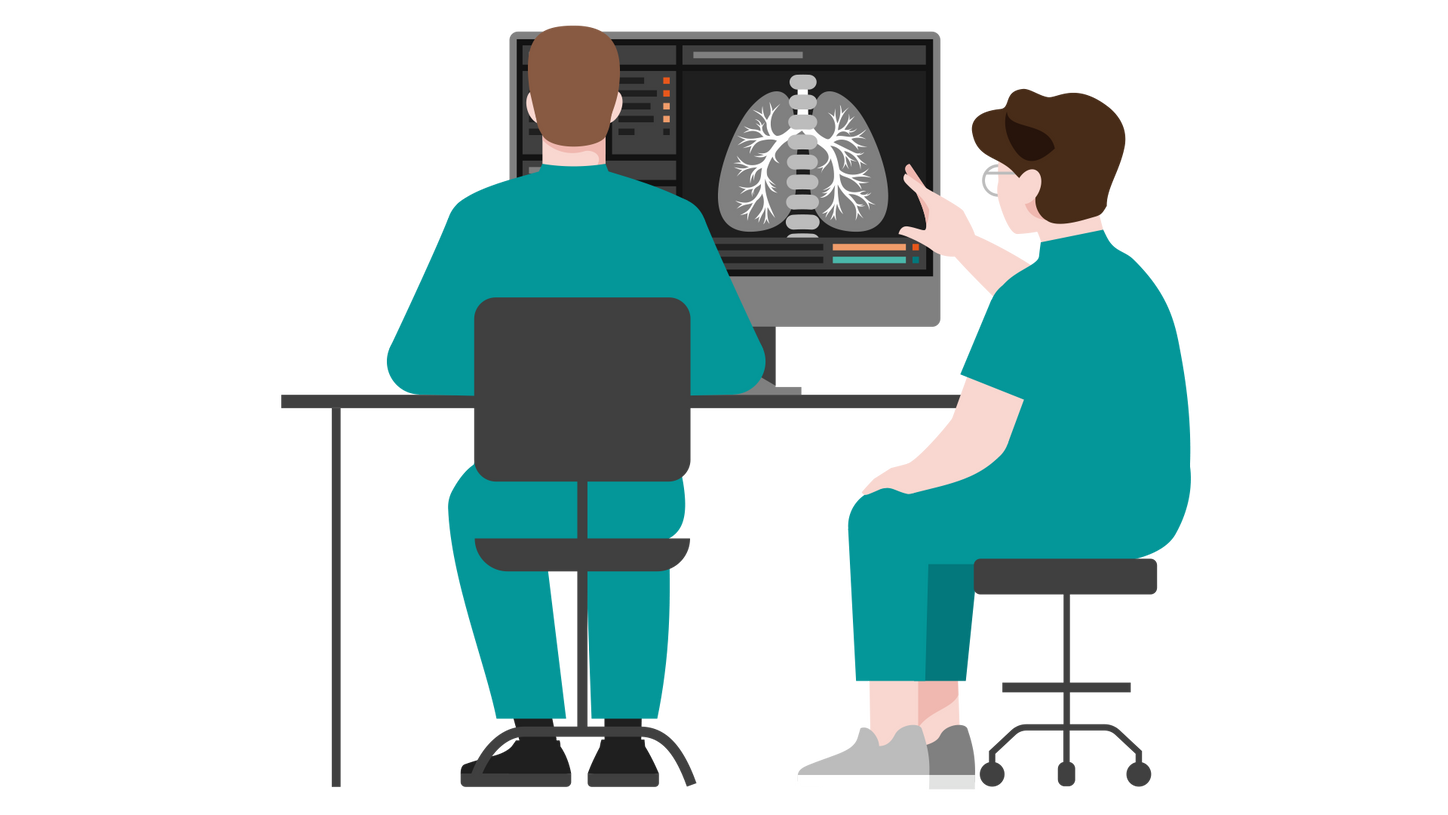
Richard Safeer, together with his colleague Judd Allen, has identified six factors that serve as the foundation for a workplace culture of well-being and with that support to retain healthcare workers.5
This framework, based on scientific evidence as well as decades of experience, offers a structured way for leaders to influence behavior, align priorities, and embed health into the daily life of their workplace and employees. It has served as a practical guide for organizations – including Johns Hopkins Medicine – seeking to establish and maintain a culture of well-being.
The six building blocks for a workplace well-being culture
This practical framework helps you to embed well-being into everyday healthcare institution's culture.

Culture connection points
Formal and informal organizational practices that link culture with daily actions.
1 Shared values
In many large healthcare organizations, the well-being of employees is frequently overshadowed by the pursuit of patient satisfaction, financial performance, or technological progress.
2 A positive social climate
A good social climate is essential for achieving a happier, healthier workplace with more resilient teams. Teams that work together for longer periods of time, collaborate, and trust one another can support each other’s well-being in ways that are not possible with colleagues who don’t share the same cohesiveness.
3 Establishment of norms
The behaviors that feel “normal” at work strongly influence how people act – and ultimately define an organization’s culture. In the workplace, norms shape whether employees feel comfortable taking a lunch break or feel compelled to answer emails after dinner.
4 Culture connection points
Culture connection points influence the actions of employees and can help to reinforce, or to undermine, behavior that contributes to health and well-being. These touchpoints, such as communication, storytelling, and policy, show up in everyday practices like cafeteria pricing or how meeting agendas are structured.
5 Peer support
Few employees can achieve their well-being goals on their own. Peer support – colleagues encouraging one another, listening, and holding one another accountable – helps to fulfill this need.
6 Leadership engagement
Leadership engagement is the fuel that powers all the building blocks. Leaders shape what is prioritized, how teams interact, and which behaviors are modeled. Their influence extends across values, climate, norms, peer support, and culture connection points.
"True, sustainable impact requires embedding well-being into the organizational culture."
About the authors


Richard Safeer, MD
Chief Medical Director of Employee Health and Well-being, Johns Hopkins Medicine
Richard Safeer is a leading expert on workplace well-being culture and organizational health. At Johns Hopkins Medicine, he leads the Healthy at Hopkins strategy to embed well-being throughout the organization. He co-developed a framework for workplace well-being culture identifying six essential building blocks and expanding it into a practical guide for building healthier, more resilient organizations in his book “A Cure for the Common Company” (Wiley, 2023). He continues to share insights on workplace well-being through LinkedIn, his website richardsafeer.com, speaking engagements and podcast appearances.

This thought leadership publication is part of the Siemens Healthineers Insights Series. It provides ideas and practical solutions on "Healthcare workforce". For more Insights, please visit siemens-healthineers.com/insights-series.
Take the next step

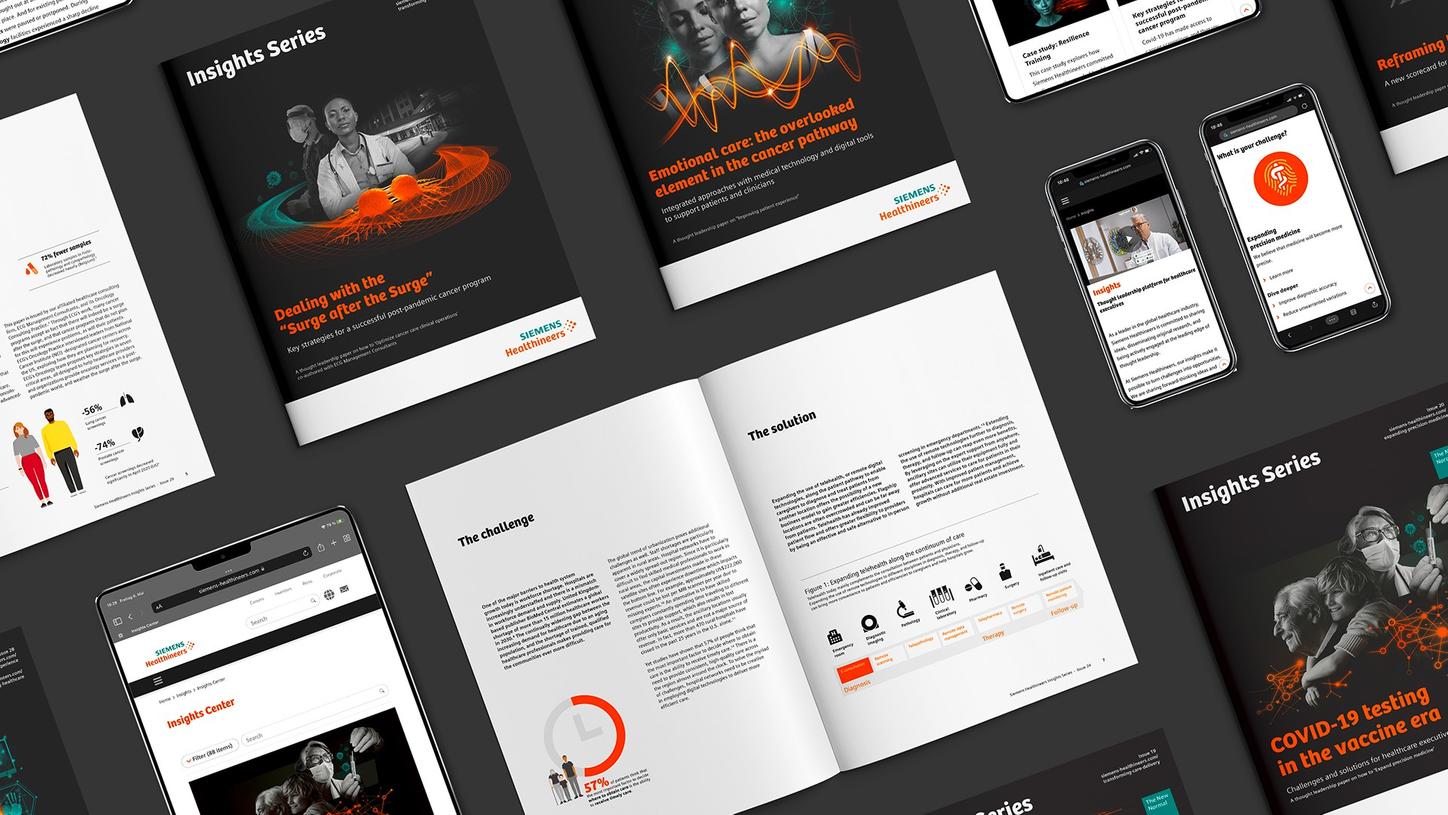
Stay ahead - subscribe for executive insights
Discover thought-provoking ideas and practical solutions to today's most pressing healthcare challenges, and receive our Insights Series.
More information for healthcare experts
- Workforce challenges in healthcare
- Perspectives article on 'Navigating the healthcare workforce shortage'
- EXPERT TALK: Nick Stavros on 'From innovation to impact: Making healthcare work at scale'
- Podcasts: Workforce recruiting and retaining in healthcare (2/3)
- Shape 24 Spotlight: Turn workforce challenges into opportunities
- Shape 25 Spotlight: Empowering today’s workforce for tomorrow