Sustainability in radiology rarely begins with a formal programme or strategic mandate. More often, it starts with a shift in perspective. For Dr. Michael Jackson, this shift came in the summer of 2018. Unusually high temperatures in the UK triggered wildfires near his home in Edinburgh, sending smoke into residential areas and disrupting daily life. At the same time, infrastructure failures, such as heat-damaged railway tracks, made the consequences of climate change tangible in a way they had never been before.
“I had been aware of the climate crisis for many years, but this was when it really came home to me: this was getting a bit too close for comfort.”
When sustainability becomes personal and clinical
This personal experience coincided with a professional realisation. Radiology, as a specialty, is deeply committed to minimising patient risk, particularly when it comes to radiation exposure. Yet when compared with the broader, long-term risks posed by climate change, Dr. Jackson began to question whether sustainability was receiving the same level of attention.
The conclusion was clear: environmental impact could no longer be viewed as external to clinical work. It had to be treated as part of healthcare delivery itself. By late 2023, this thinking translated into action: Dr. Jackson took on the role of Sustainability Lead for the Children’s Imaging Department. What followed was not a radical transformation, but a deliberate effort to integrate sustainability into everyday radiology practice, step by step.
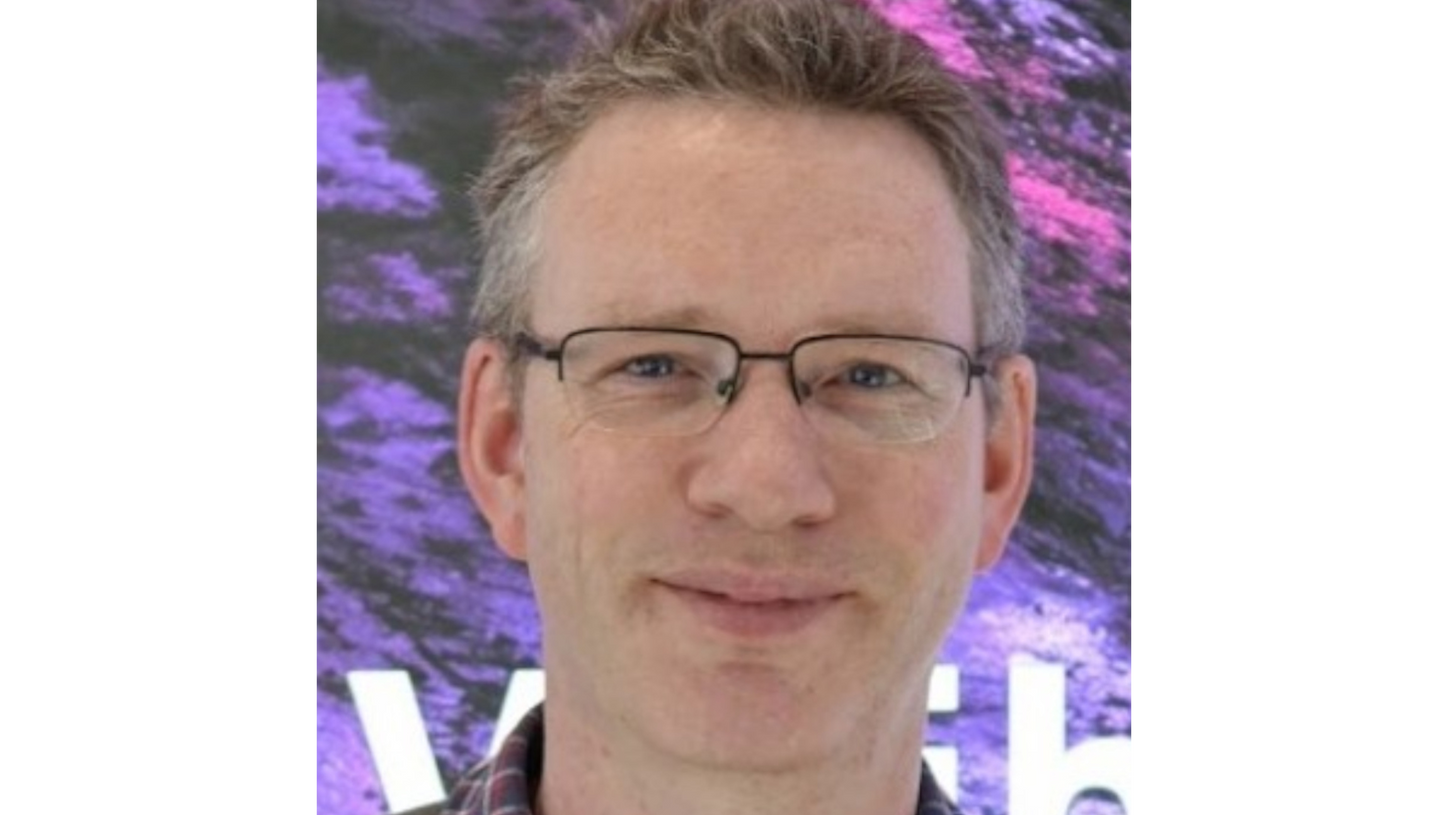
About Dr. Michael Jackson
Dr. Jackson is a consultant paediatric radiologist at the Royal Hospital for Children and Young People, Edinburgh. He is sustainability lead for the department and for the Scottish Radiological Society, and is chair of the Royal College of Radiologist’s sustainability working group, as well as a member of the European Society of Radiology’s sustainability subcommittee. He wrote the chapter on Sustainable Imaging for the ESR Modern Radiology eBook, and combined his interest in art and the history of radiology in his book Imagining Imaging.
A simple problem in a complex environment
The first challenge identified was not an advanced technological issue, but a familiar operational reality: computers left running long after they were needed.
In a modern radiology department, workstations are essential. Reporting workflows, PACS systems and imaging software all depend on constant digital access. As a result, machines are rarely switched off. In many cases, they remain active overnight, over weekends, or even for weeks without meaningful use.
“I'd read about potential energy savings and thought wouldn't be too hard to get started. But putting little sticker reminders on the computers and sending out reminder emails achieved limited success. I was still finding computers that had been left on for weeks at a time.”
Implementing change in a high-reliability healthcare environment
On the surface, this may seem like a marginal inefficiency. But across hundreds of devices, these idle periods accumulate into significant energy consumption without contributing to patient care.
Initial solutions focused on raising awareness. Reminder emails were sent and visual prompts placed on machines. While these measures led to some improvement, the overall impact remained limited. In a busy clinical environment, where priorities are rightly focused on patient care, relying on individual behaviour proved insufficient.
The next step, automation, introduced its own challenges: any intervention affecting clinical IT systems must address legitimate concerns around safety, workflow disruption and data integrity. Dr. Jackson recalls that there was initial pushback, particularly around concerns about potential data loss. What appeared at first to be a simple energy-saving measure quickly revealed itself as a broader organisational challenge: how to implement change in a high-reliability healthcare environment.
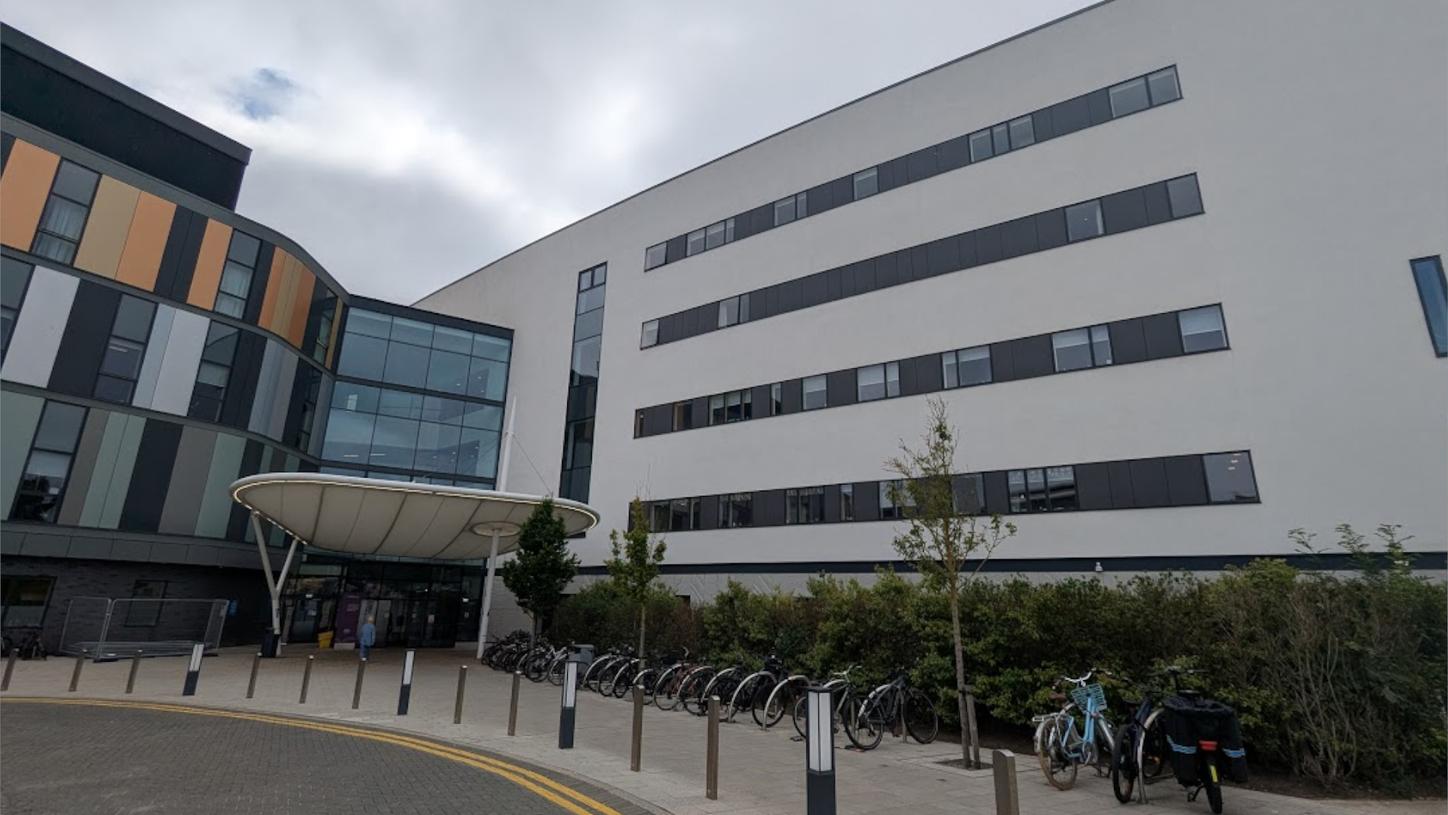
About the Royal Hospital for Children and Young People
The Royal Hospital for Children and Young People in Edinburgh is a leading specialist centre for paediatric healthcare in Scotland. Managed by NHS Lothian, it provides acute, general, and highly specialised care for children and young people from birth to around 16 years of age. As a teaching hospital with around 167 beds, it combines clinical excellence with education and innovation, serving as a hub for advancing paediatric medicine and imaging practices.
Turning strategy into practice
Like many successful initiatives in radiology, implementation followed a familiar model: test, validate, and scale.
Working closely with the IT team, a tailored solution for automated shutdown was developed – following clear phases and defined rules. The system was configured to power down workstations after a defined period of inactivity and outside clinical hours, ensuring that patient care and reporting workflows would not be affected. The turning point came through a combination of external inspiration and internal collaboration.
A colleague returning from a radiology conference introduced the concept of automated shutdown software already in use elsewhere. This highlighted the value of shared learning across institutions: an essential driver of innovation in healthcare environments. At the same time, the initiative expanded beyond a single intervention. Sustainability efforts were embedded within a broader framework, supported by close collaboration with IT teams, sustainability experts, and clinical colleagues across the organisation.
A key enabler in this process was the adoption of the Green ID framework, developed by the European Society of Radiology. Rather than focusing on isolated projects, the framework provided a structured way to address sustainability across multiple dimensions, from energy use and waste management to clinical workflows and resource utilisation. This structured approach helped transform individual ideas into a coordinated, department-wide programme, while also creating a foundation for long-term improvement and benchmarking.
"It was a good way to structure our sustainability work. It lays out quite an ambitious programme for departments to look at, and I wouldn't want people to be put off. Getting the basic accreditation, I think, is within reach for really every radiology department."
Starting small to learn and scale
Rather than rolling this out immediately across the department, the team started small. A pilot was conducted on selected low-risk devices, allowing the solution to be tested in real clinical conditions. As expected, initial challenges emerged, including unexpected shutdowns. These were addressed through iterative refinement, building confidence in the system among clinical and IT stakeholders.
Once validated, the solution was gradually expanded. It was deployed across additional departments, extended to other hospital sites, and eventually made available more broadly within the NHS Lothian network. Within a year, approximately 800 devices were equipped with the system, and the groundwork was laid for further expansion. Looking ahead, the team is working to make the software available as an open-access solution, enabling other institutions to adopt and adapt it to their own environments.
About the Green ID Certificate
Green ID is a sustainability certification framework developed by the European Society of Radiology (ESR) to support imaging departments in systematically reducing their environmental impact. The programme assesses a wide range of sustainability dimensions in radiology, from energy consumption and waste management to clinical practice and resource use. It provides a structured pathway for departments to improve over time.
Certification is awarded using an ‘8 leaves’ scoring system, which reflects the level of sustainability maturity achieved by a department. One leaf represents an initial level of engagement, while reaching eight leaves requires a comprehensive, fully embedded sustainability strategy across all areas of practice.
Rather than a one-time achievement, Green ID is designed as a continuous improvement journey, guiding departments step by step toward more sustainable, efficient, and responsible radiology services.
Measurable results and lasting change
The most immediate outcome of the initiative is clear and quantifiable. Over the course of roughly one year, the automated shutdown system helped save an estimated 30 megawatt hours of energy, a figure that continues to grow as the solution is further expanded. Yet the impact goes beyond measurable energy savings. Perhaps more importantly, the initiative has contributed to a shift in mindset within the department and beyond.
Sustainability is now part of everyday conversations. It is discussed in meetings, considered in decision-making, and increasingly embedded in clinical workflows. Collaboration across roles, including radiologists, radiographers, IT specialists and management, has strengthened, creating a shared sense of responsibility.
The journey has not always been straightforward. Progress required persistence, repeated engagement with stakeholders and a willingness to revisit ideas. ‘It has taken a little bit of perseverance,’ he acknowledges, ‘but it’s getting easier.’
"Although this work was conducted as a team effort, it felt good to be able to make a difference as an individual, and I believe if we all do our bit, it does add up."
A model for radiology departments everywhere
What makes this case particularly relevant for radiology professionals is not just the outcome, but the approach. This is not a story of disruptive innovation or large-scale investment. It is a story of recognising an everyday inefficiency, applying clinical quality improvement principles, and scaling a solution in a controlled, evidence-based way.
It demonstrates that sustainability in radiology does not require fundamentally changing how departments operate. Instead, it involves rethinking existing processes, aligning solutions with clinical workflows, and integrating sustainability into the fabric of daily practice.
Most importantly, it shows that even incremental changes, when implemented systematically, can create meaningful impact at scale. As radiology continues to evolve, balancing clinical excellence with environmental responsibility will become increasingly important. This case offers a clear and practical example of how that balance can be achieved: not in theory, but in real-world clinical practice.
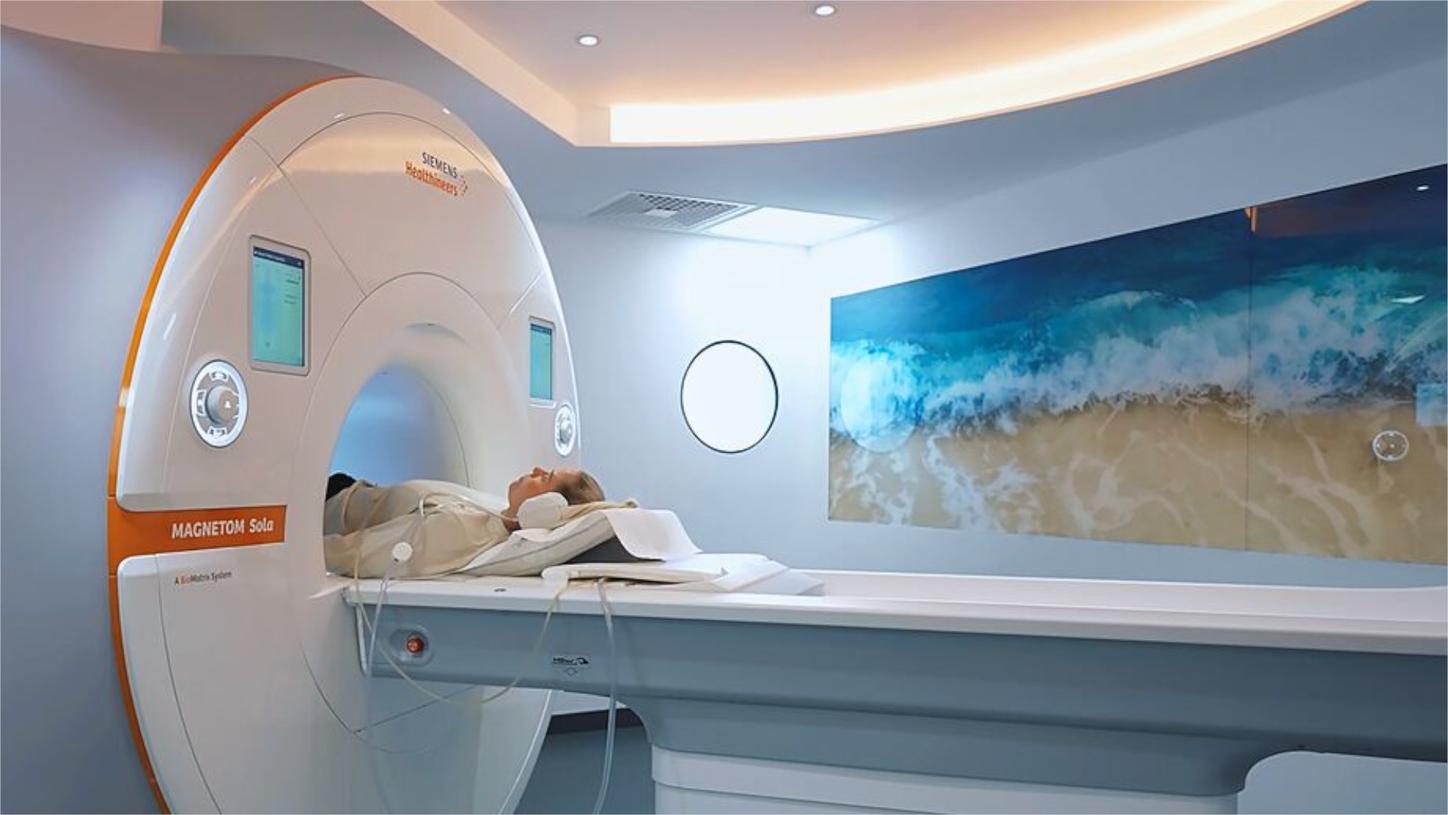
Advancing sustainability in radiology
Human health and the health of our environment are closely linked. We innovate green radiology solutions designed to reduce energy consumption, e.g. reducing MRI power consumption, and preserve resources to help healthcare providers achieve their targets for sustainability in radiology. Together, we thereby help protect our precious planet.