In head and neck cancers, accurate definition of both the target and nearby organs at risk (OARs) is critical due to the proximity of vital structures and the precision required by conformal treatment approaches. While CT is often the go-to modality for simulation and planning, its limited soft-tissue contrast can compromise contour accuracy—particularly in anatomically complex or infiltrative diseases. MRI provides enhanced soft-tissue differentiation and facilitates more accurate delineation of both tumor boundaries and nearby critical structures. Beyond superior anatomic definition, diffusion-weighted MRI (DWI) provides complementary functional information on tumor cellularity. By quantifying water diffusion through the apparent diffusion coefficient (ADC), DWI helps differentiate viable tumor from necrosis or treatment-related inflammation—an emerging advantage in image-guided radiation therapy planning and assessment. Increasingly, MRI is being integrated into both initial treatment planning and adaptive radiation therapy workflows, where its ability to capture evolving anatomy supports more accurate recontouring and reoptimization throughout the treatment course.
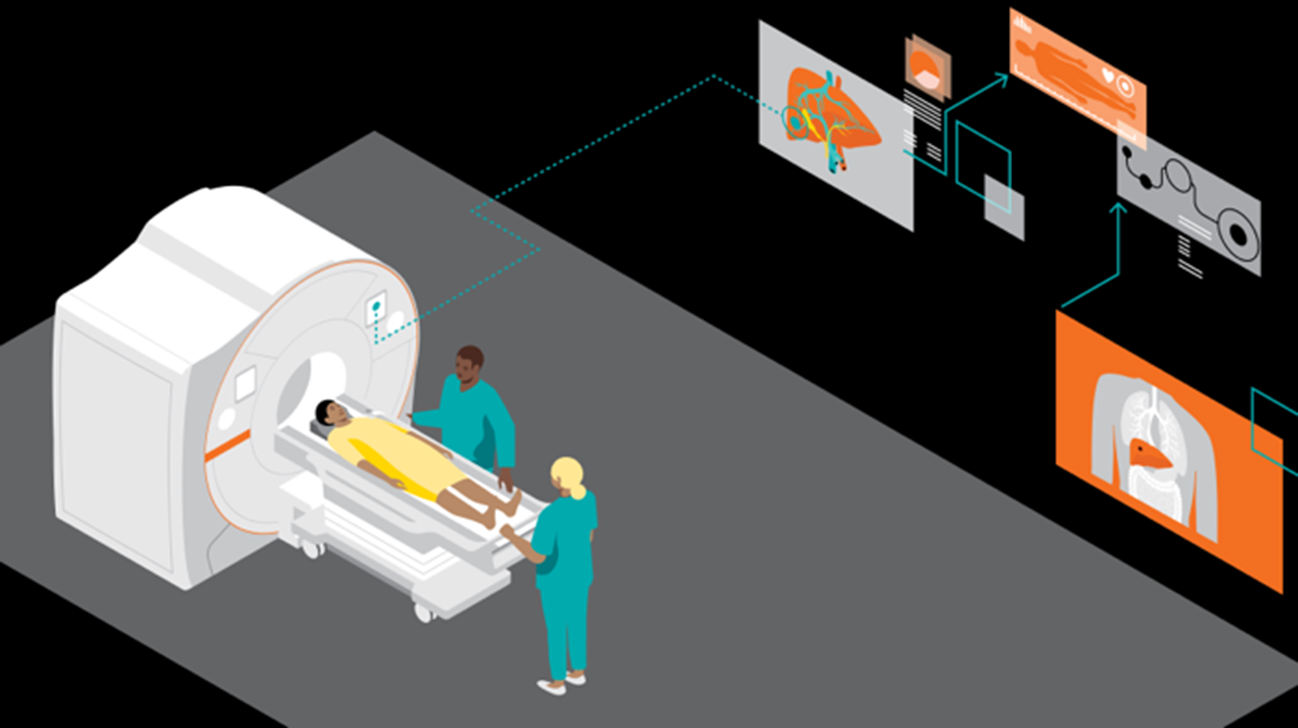
Accurate imaging is essential in liver cancer radiation therapy, where precise target definition directly impacts treatment safety and effectiveness. CT remains the standard for simulation and planning, but its limited soft-tissue contrast can hinder tumor delineation, particularly in a dense area of organs at risk and opportunity for tumor motion. MRI overcomes these limitations with superior soft-tissue contrast, improved lesion detection, and the ability to assess and characterize motion of both tumors and adjacent organs at risk. These advantages make MRI a powerful complement or alternative to CT, supporting more accurate gross tumor volume (GTV) definition and greater confidence in treatment planning.
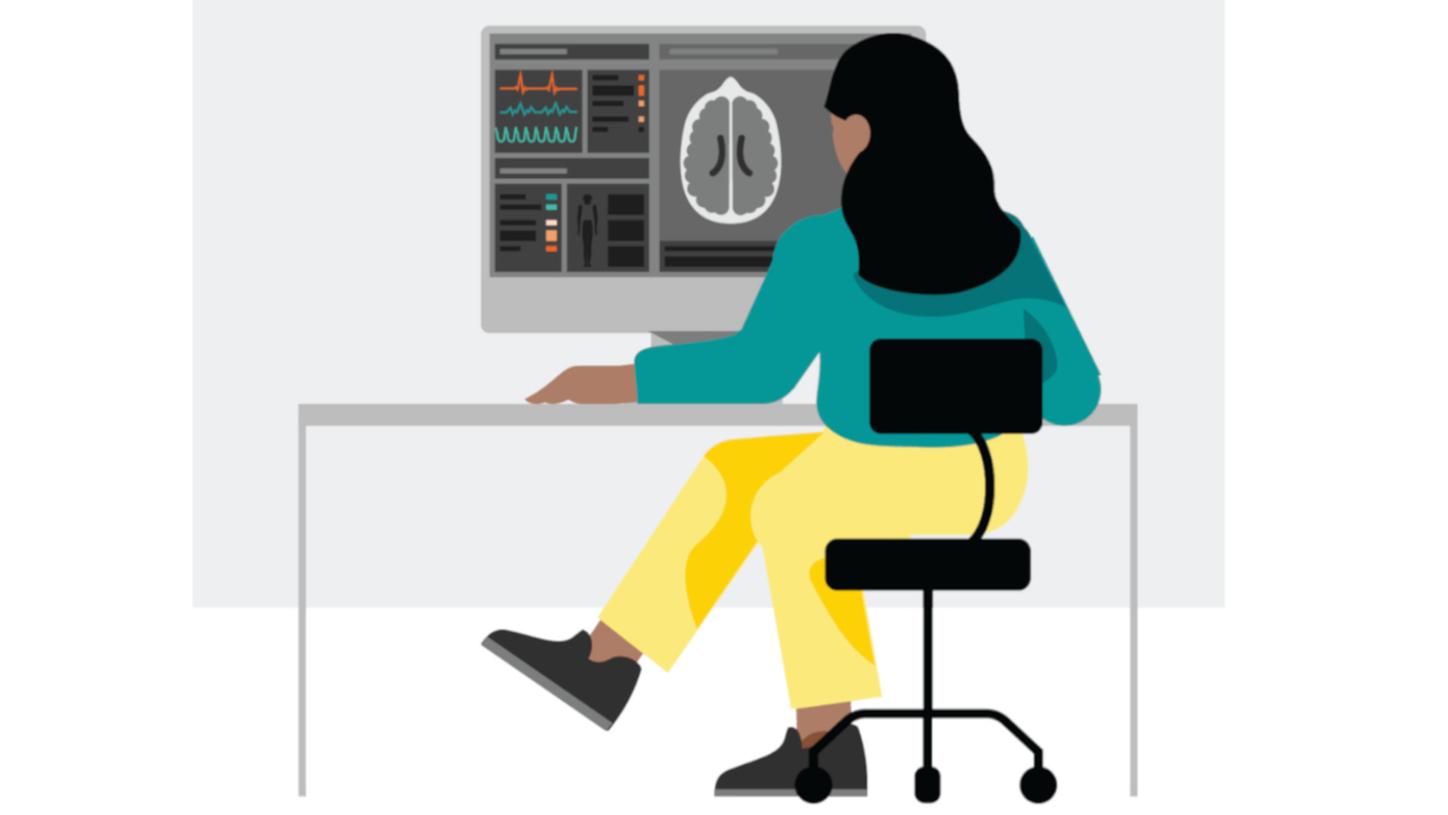
Precision is paramount in radiation therapy for brain tumors to ensure effective treatment while protecting healthy tissue. Magnetic resonance imaging (MRI) has become an essential tool in treatment planning, offering exceptional soft tissue contrast, superior anatomical detail, and functional imaging capabilities.
Subscribe to news from Siemens Healthineers UK and Ireland
Keep up to date on the latest trends in healthcare. Read about current developments, new products and upcoming events.