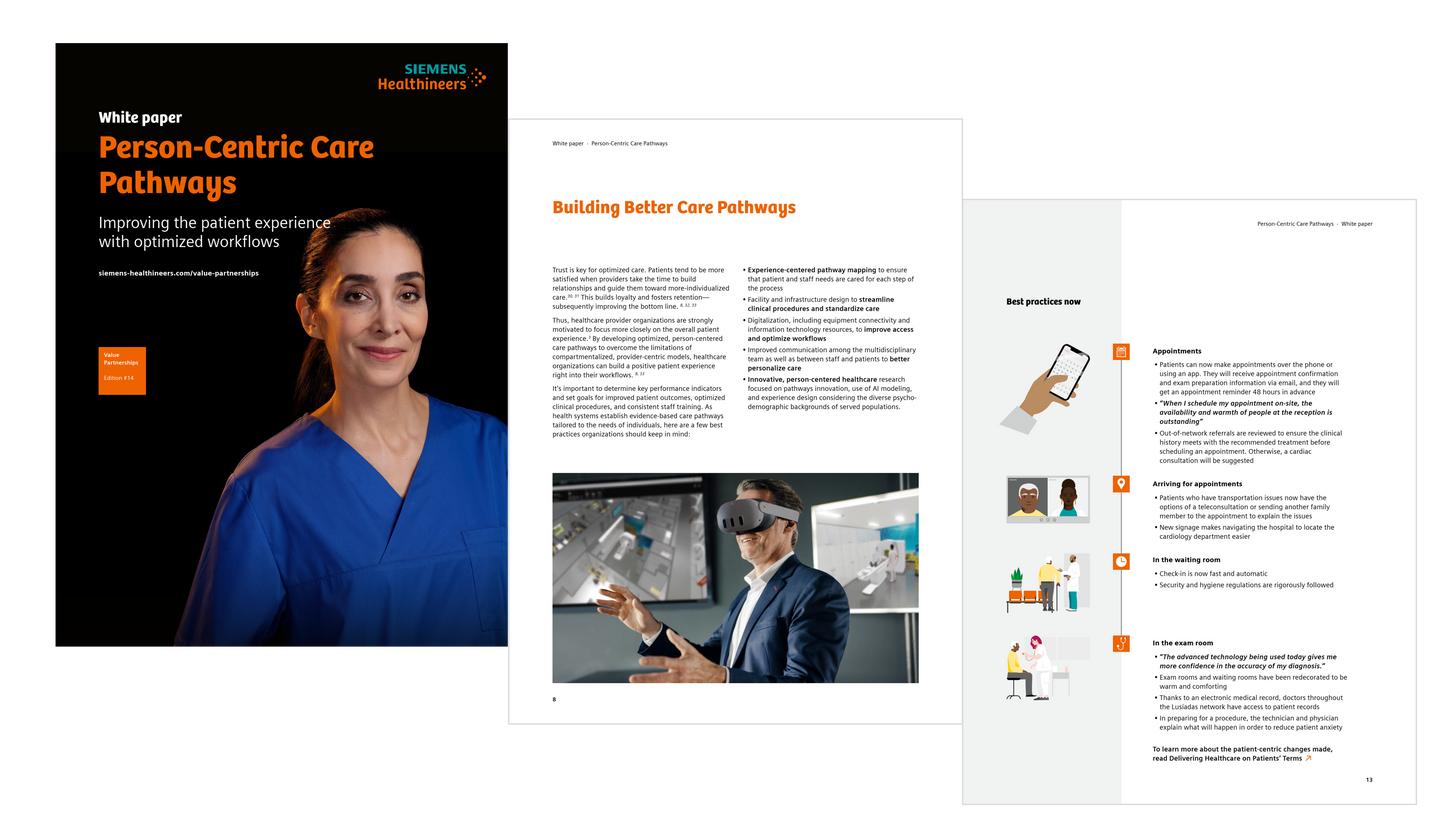
Siemens Healthineers Clinical Excellence header visual

Delivering clinical excellenceContinuously improving outcomes for patients

Delivering clinical excellence means consistently providing high-quality care that achieves the best possible outcomes for patients. We partner with our customers to bring the right technologies, data, and AI into everyday clinical practice - turning these priorities into real-world impact across the care continuum.

Discover practical approaches and patient success stories showing how to 

  • advance patient-centric care, 
  • accelerate confident diagnoses, 
  • deliver precision therapies.

NCDs are redefining clinical excellence

Non-communicable diseases (NCDs) account for nearly 75% of global deaths.As patients live longer and nearly one in three adults now manages multiple chronic conditions2, achieving clinical excellence depends on the intelligent use of advanced technologies, integrated data, and AI driven insights.

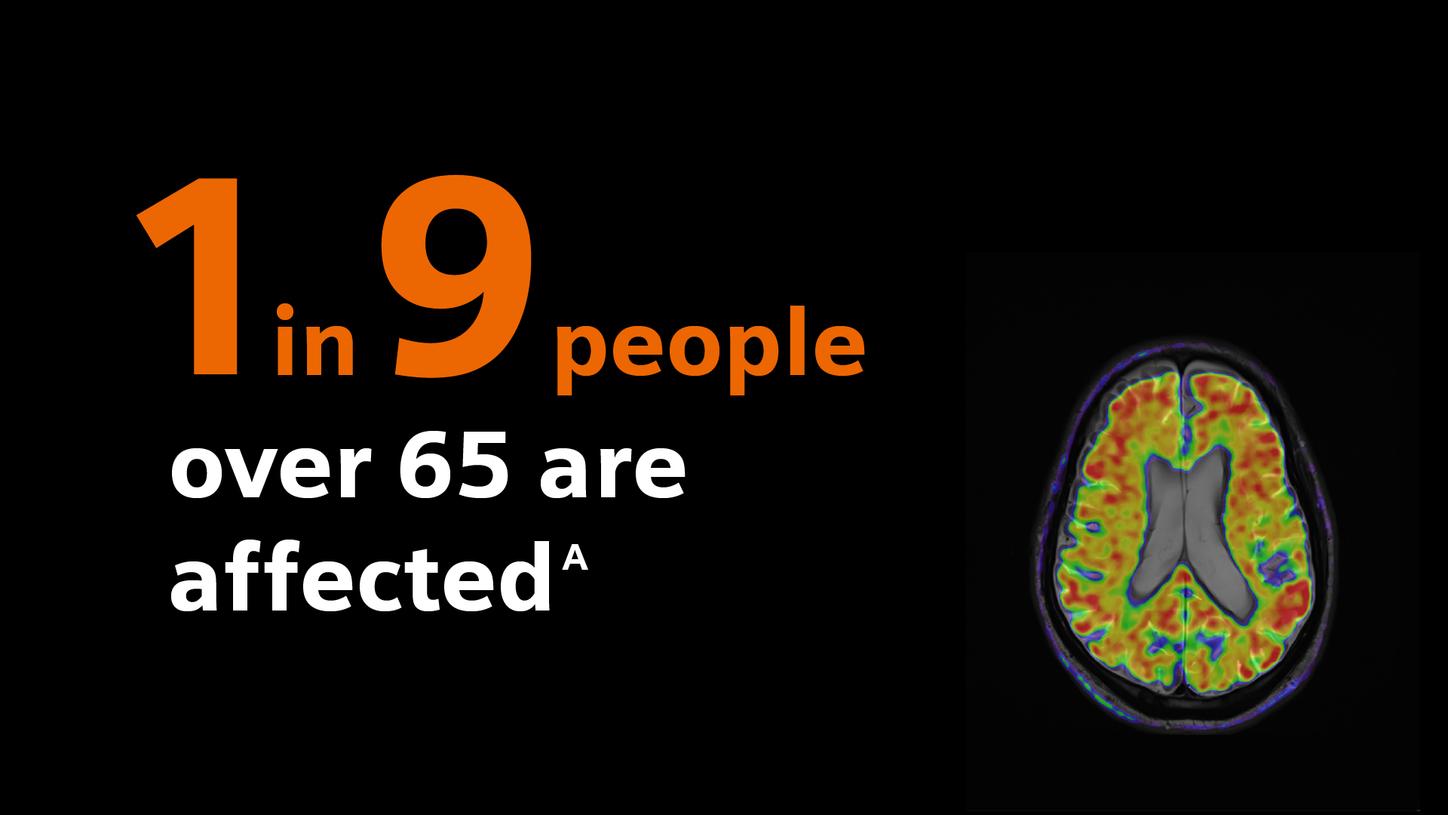
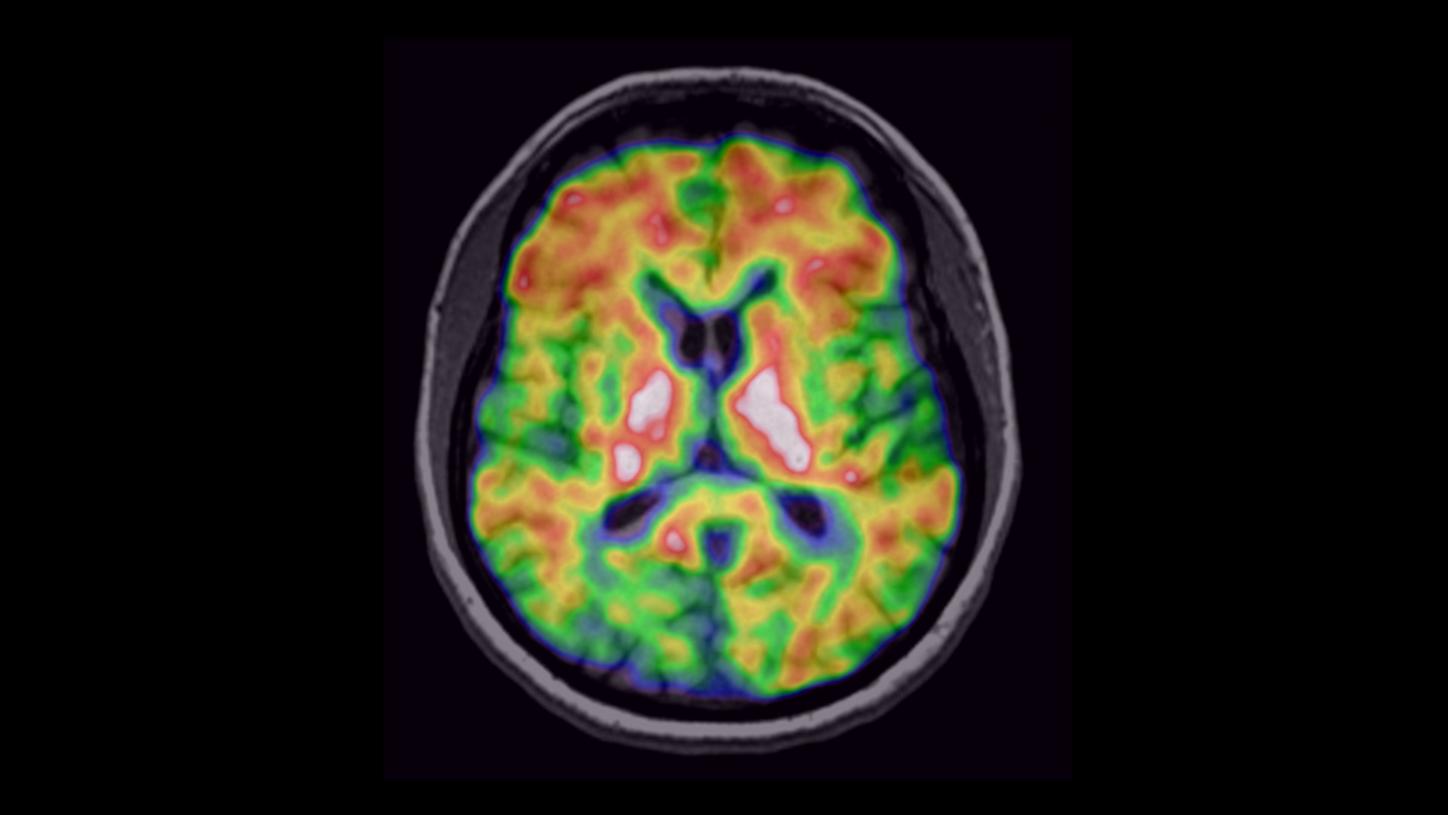
Infographic stating “1 in 9 people over 65 are affected,” alongside a colorful brain scan image.

Alzheimer's

With aging populations and progressive decline, earlier detection, confident diagnosis, and reliable monitoring are key to more personalized, proactive care.

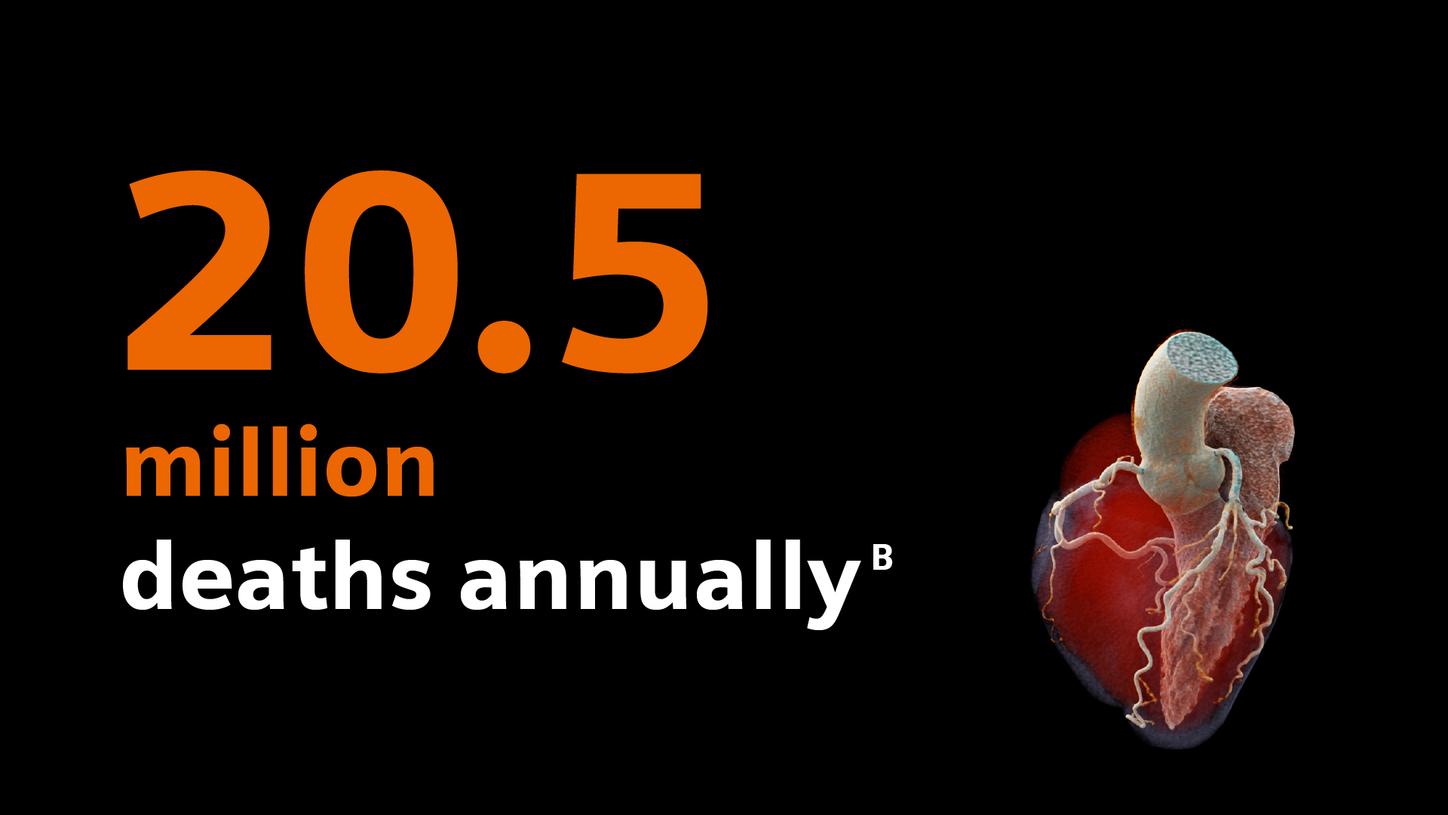
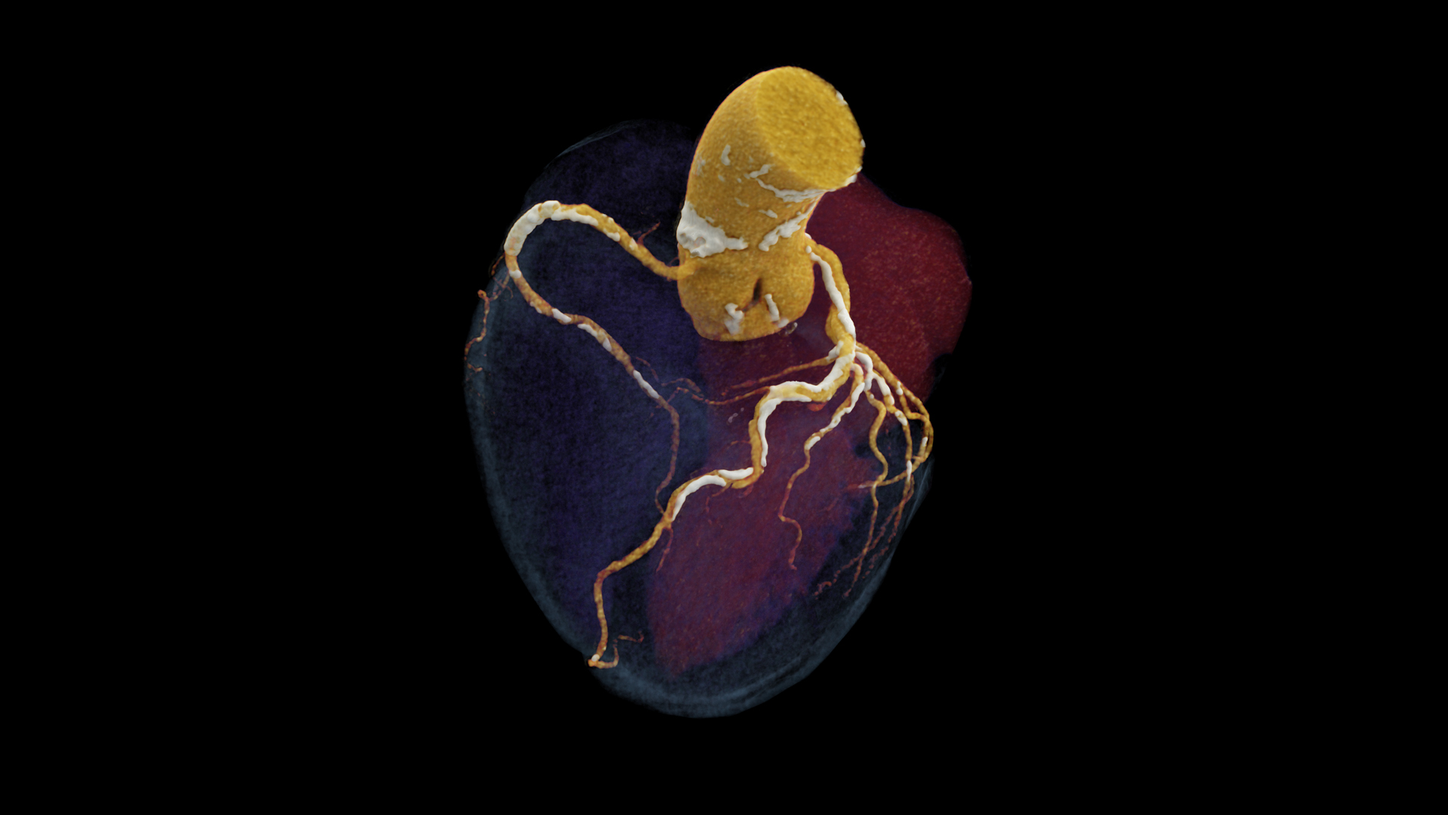
Infographic showing “20.5 million deaths annually” with a stylized heart illustration.

Cardiovascular

As chronic cardiac disease requires lifelong management, precise characterization and smarter risk stratification are needed to guide timely, targeted interventions.

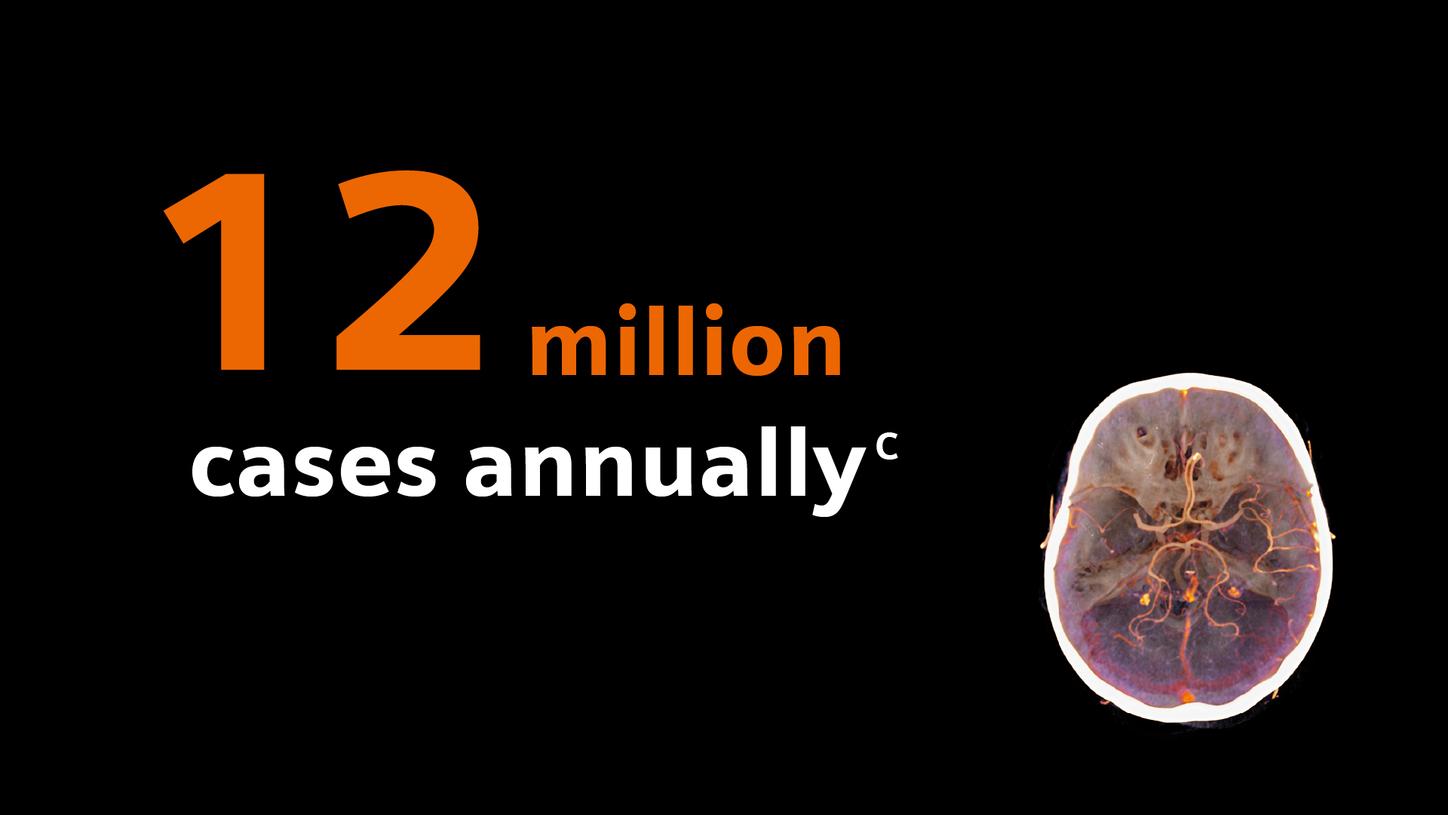
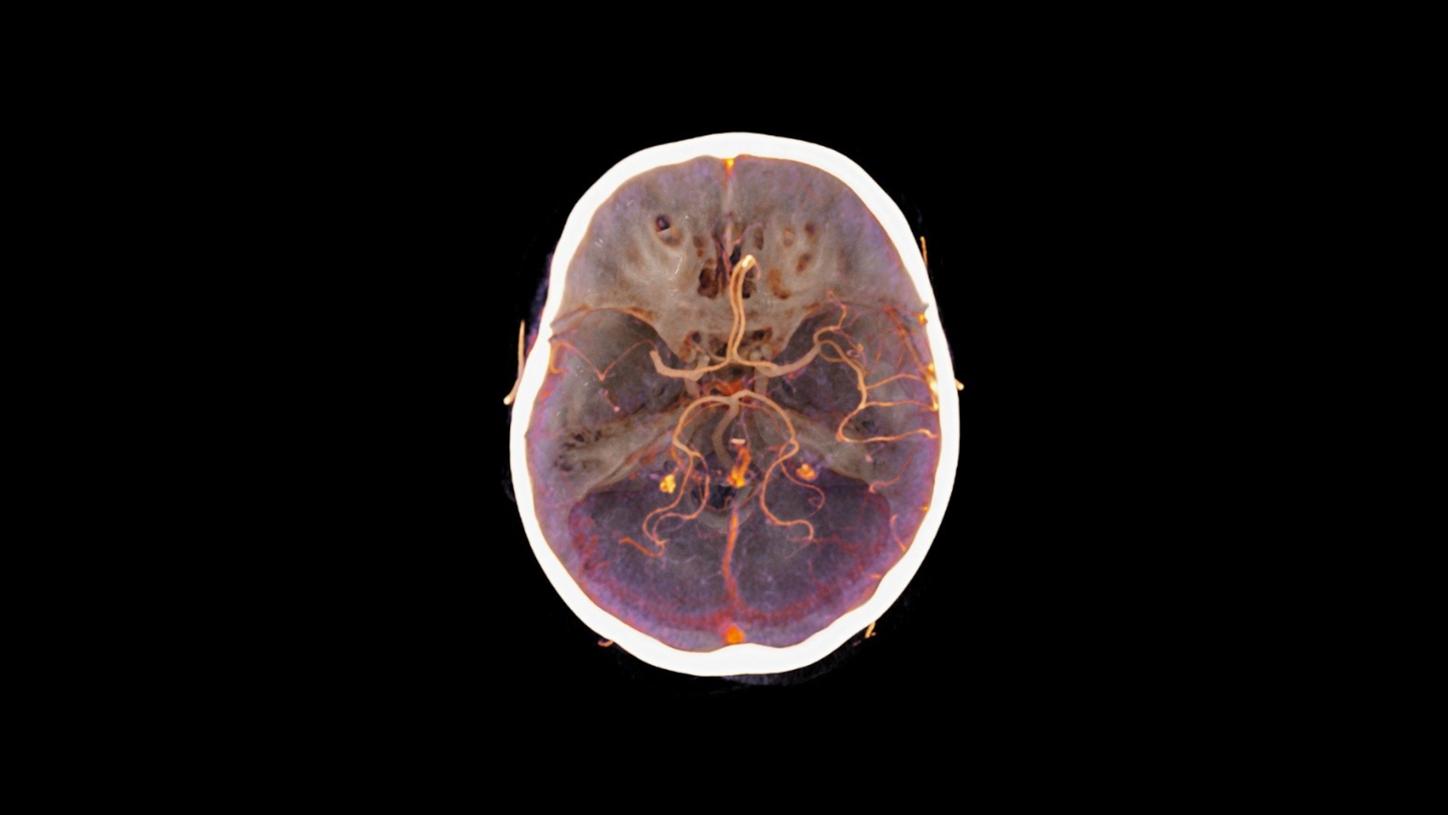
Infographic reading “12 million cases annually” with a brain scan image.

Stroke

In time-critical stroke care, rapid, accurate assessment is needed to select the right therapy quickly and improve outcomes.

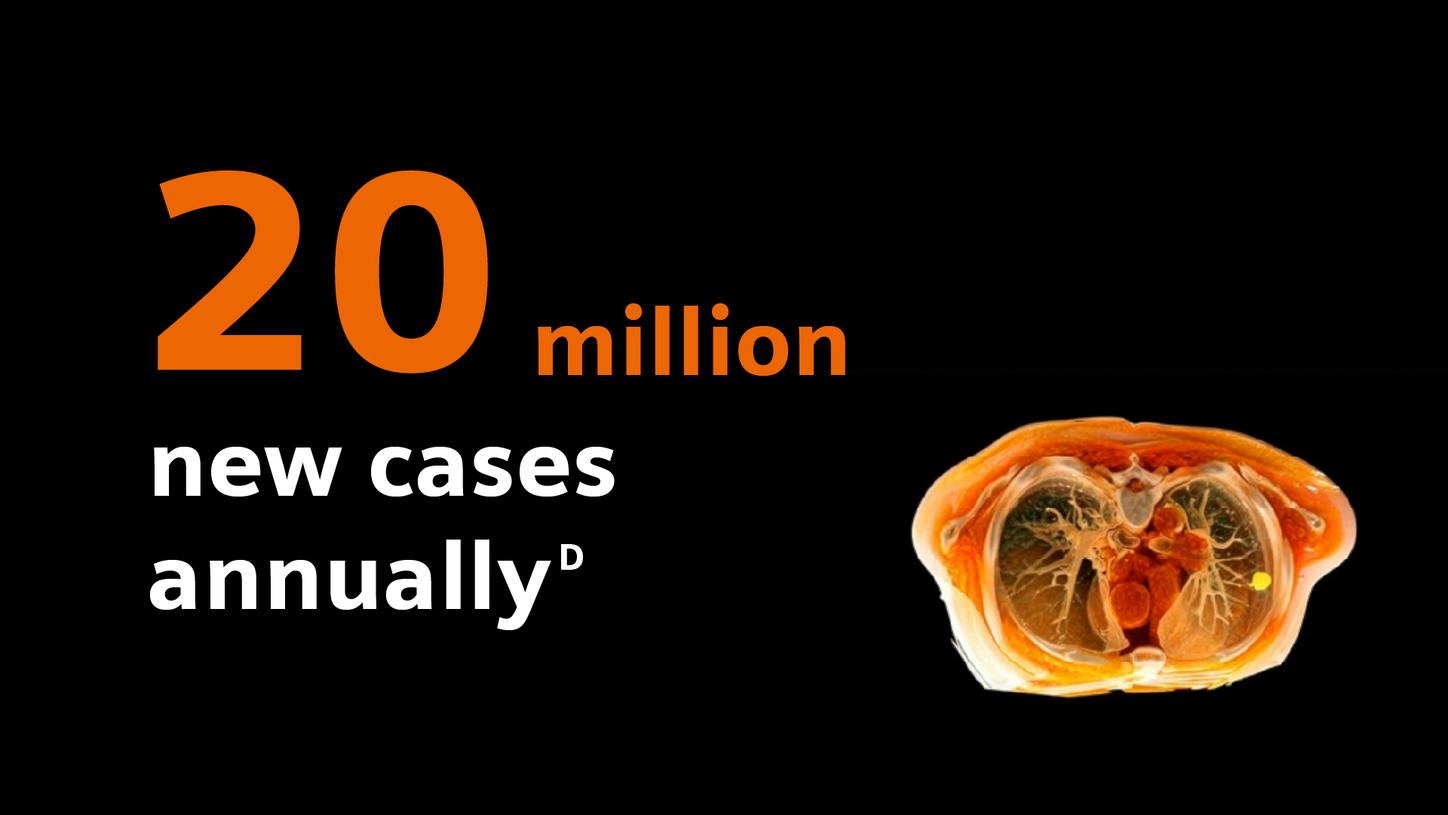
Infographic stating “20 million new cases annually” with a lung scan image.

Cancer

With rising incidence and increasingly personalized therapies, early detection and precise characterization are needed to enable better treatment selection and response monitoring.

Fields of action to improve clinical excellence

Advanced technologies, integrated data, and AI can enable earlier detection, faster disease characterization, and better clinical decisions. To translate these capabilities into impact across the care continuum - from early detection and diagnosis to therapy and follow-up - three priorities need to be tackled to support more precise, proactive, and minimally invasive care while improving outcomes and the patient experience:

Advancing patient-centric care

Lead the shift toward earlier detection while elevating patient experience, safety, and timeliness – redefining benchmarks in care delivery.

Accelerating confident diagnoses

Integrate imaging and AI-supported diagnostics and planning to move from data to decisive action – for earlier intervention and better patient outcomes across cancer, cardio-vascular diseases, stroke, and neurodegenerative diseases.

Delivering precision therapies

From treatment to follow-up, leverage advanced procedural imaging, radiation therapy, and AI guidance to make interventions faster, safer, and less invasive – improving survival, functional health, and quality of life.

Impact for clinical excellence

Solutions to advance clinical excellence