As one of Germany’s leading university hospitals, the Universitätsklinikum Erlangen operates in a highly demanding clinical environment. With a broad patient mix and a high number of complex cases, excellence in imaging is not optional – it is a prerequisite for confident diagnosis and high‑quality patient care.
For decades, women with endometriosis were told their pain was normal, often waiting years for answers and facing major surgery. Now, interventional MRI is changing that story. With excellent soft tissue contrast, no ionizing radiation, and real time guidance, physicians can treat lesions with high precision. Minimally invasive MR guided therapies such as cryoablation may target disease directly using only one or two needles.
For Joe, a former professional basketball player, MRI scans used to be a challenge. Chronic pain made it hard for him to stay still. His experience changed completely when he was scanned with Deep Resolve. Discover how Deep Resolve helps MRI patients like Joe get back faster to what matters most. Watch the video.
From 2.5 weeks to 2 days: MRI patient access transformed.
CMR will play an integral role in the evaluation of patients with cardiovascular disease. Compressed Sensing will shorten and simplify the CMR protocol increasing its utilization. AI strategies will improve workflow and will also help us extract previously invisible radiomic features that will better characterize cardiovascular disease.
Lung MRI is a powerful tool to assess and follow-up lung diseases without the use of ionizing radiation. Dr. Dournes summarizes recent advances in lung MRI and shows robust evaluation of both morphological and functional information from his clinical experience, focussing on the potential benefit of lung MRI for routine clinical use.
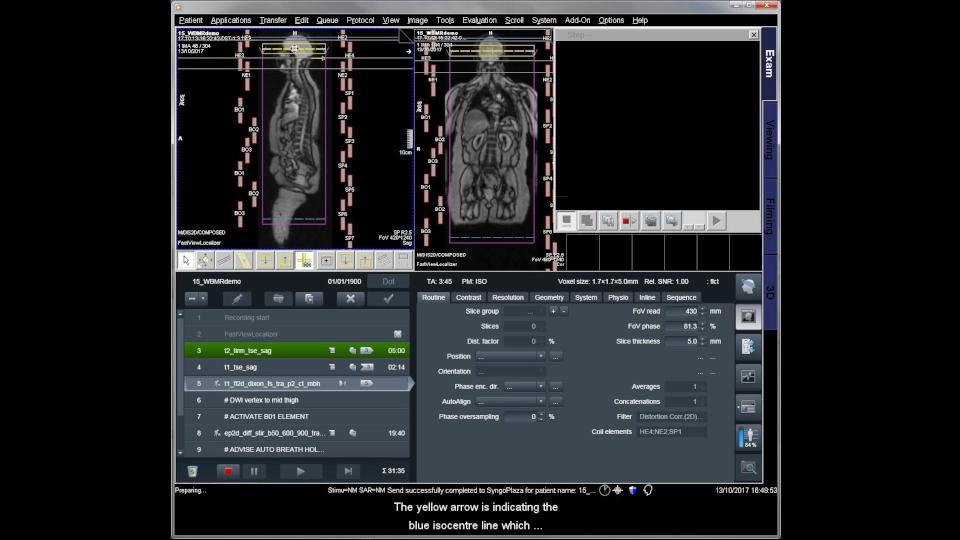
Whole-body MRI is a hot topic – you may have had enquiries from colleagues asking you if or when you might be able to offer the service. You may not know where to start or what is involved. The purpose of this video tutorial is to introduce and guide you through the implementation for successful completion of a MET-RADS compliant WB-MRI protocol.
MRF1 uses quantitative information to generate a more precise understanding of a patient’s condition. Based on reliable, absolute numbers, MRF data could increase objective comparisons in follow-up studies. Ultimately, aided by AI, quantitative measurements could lead to more personalized treatments.
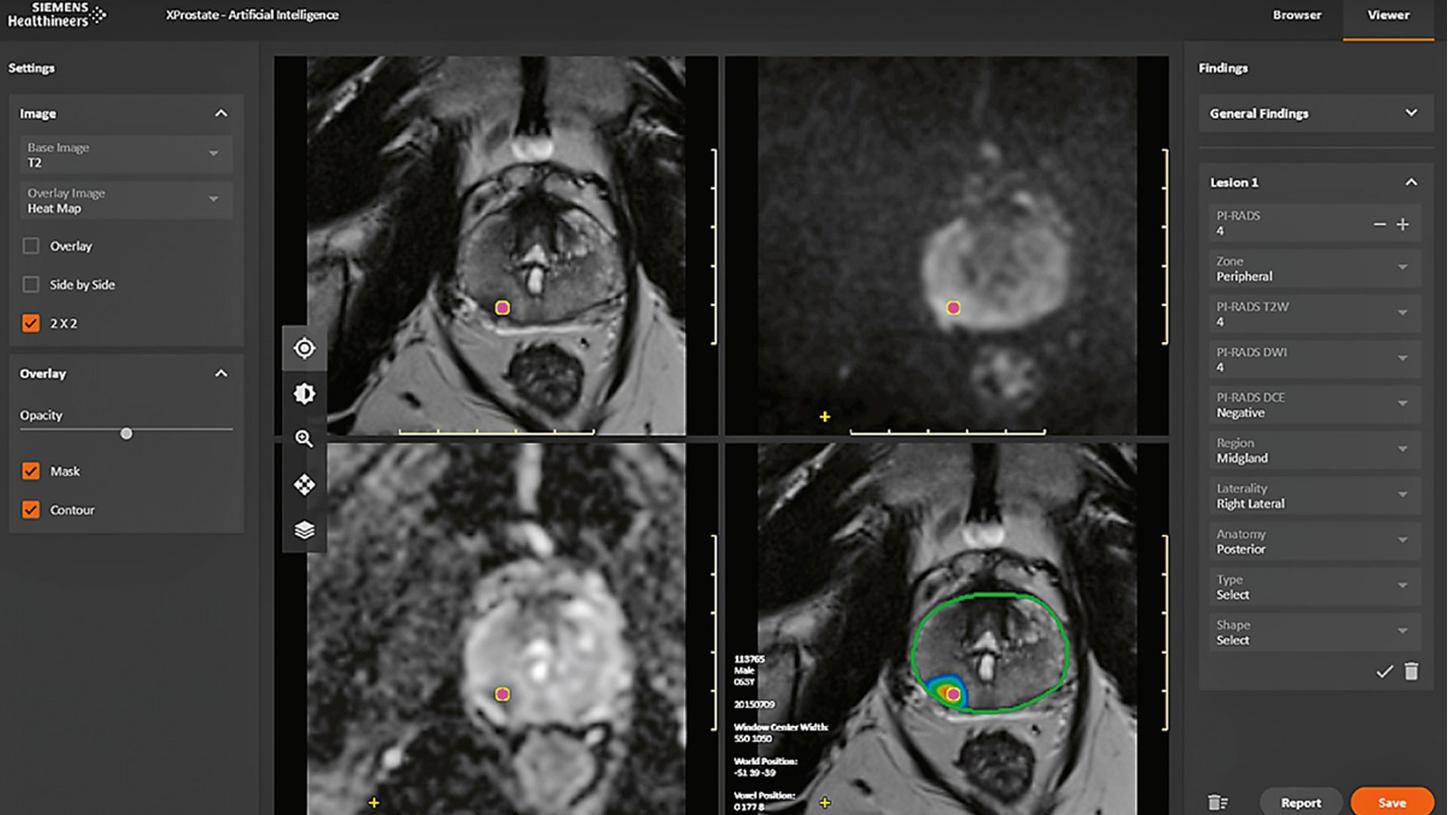
The developments in computational hardware and algorithms, in particular the advent of methods suitable for training complex neural networks (Deep Learning), have opened up new possibilities for machine learning [1] and automation in many applications. MRI, postprocessing and interpretation, in fact radiology in general, are no exception.
In recent years, the link between tumor therapies and cardiac disease has gained substantial attention. With improving survival rates of patients with various malignancies, potential detrimental effects on cardiac function and outcome including increased morbidity and mortality has become the center of such investigations.