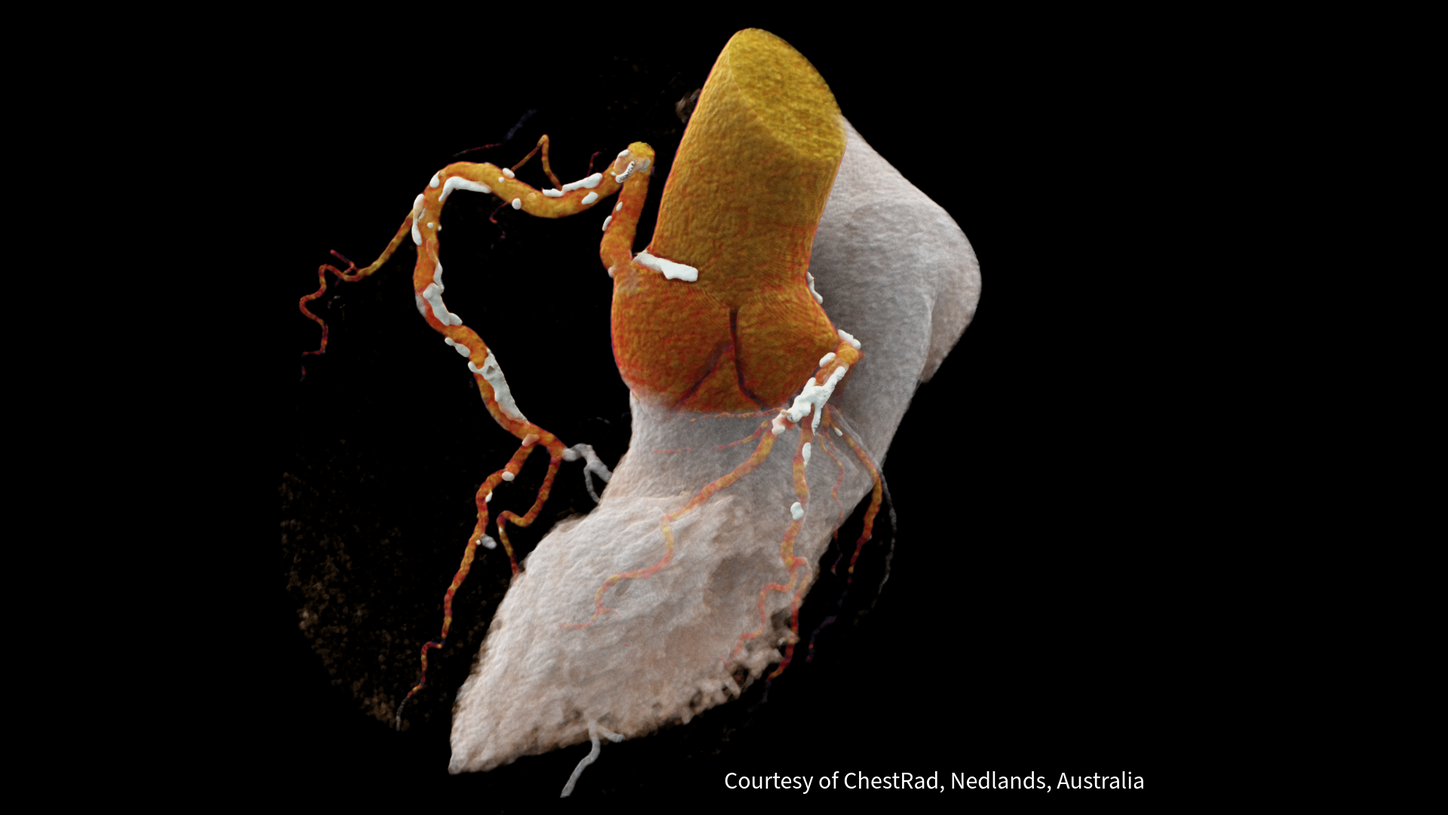
A plaque-focused view of risk, mechanisms, and imaging – highlighting clinically-relevant sex differences and implications for diagnosis as well as interventional planning and decision-making.
Acute coronary syndromes don’t always originate from hemodynamically significant stenoses. This whitepaper explains why a purely luminal stenosis-based approach can underestimate risk – particularly in younger women, where non-calcified or erosion-prone plaques may be more prevalent and less likely to be captured by standard diagnostic pathways such as angiography or calcium scoring. It also outlines available imaging options as well as associated therapeutic and treatment implications.
Download the whitepaper
to get a concise, practice-relevant overview of sex-specific plaque morphology, imaging, and clinical implications – supporting more individualized decision-making in coronary artery disease (CAD).
Key topics
- Why stenosis severity alone may miss clinically-relevant coronary risk – especially in younger women.
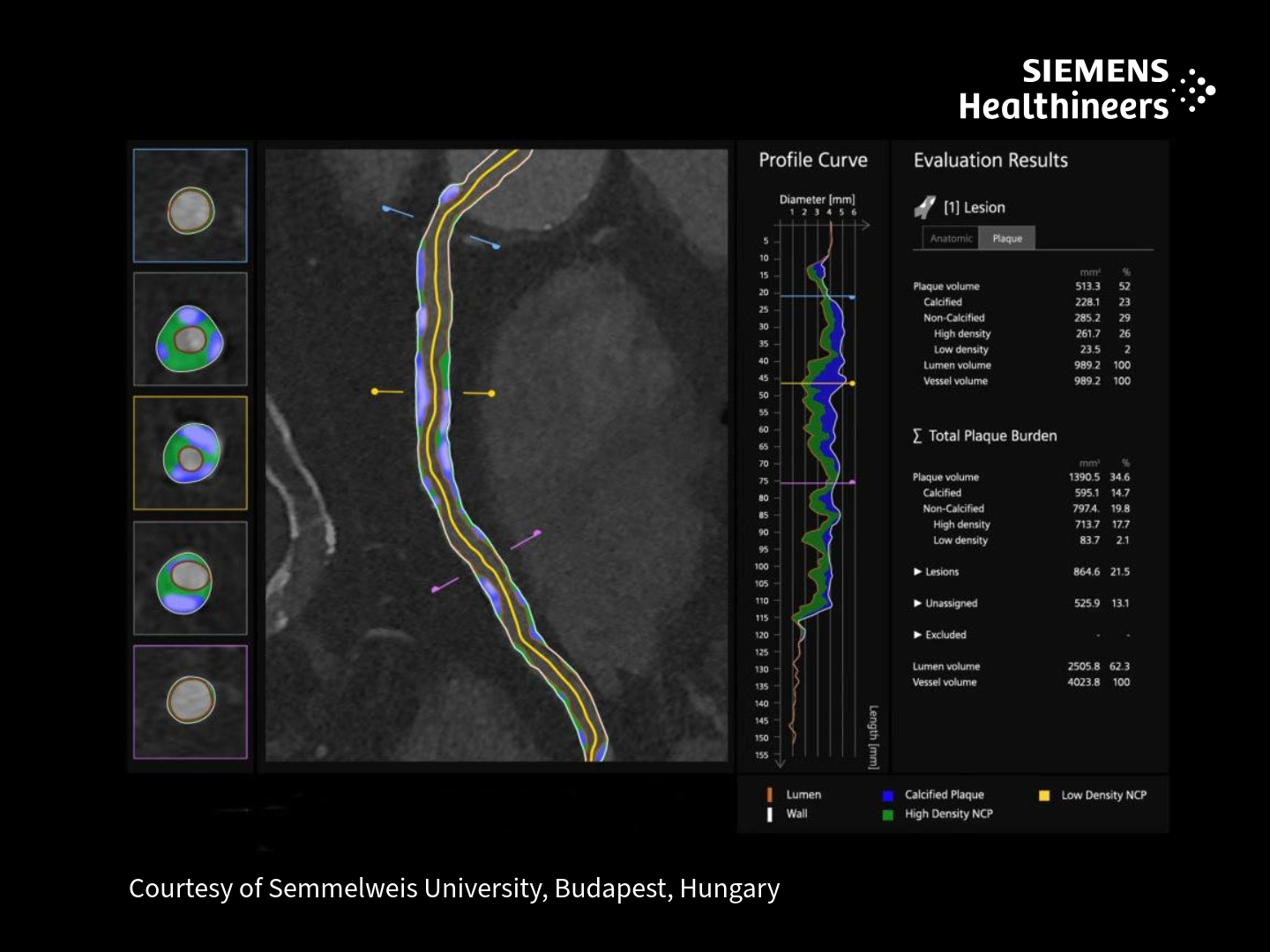
- How high-risk plaque is defined in a contemporary, plaque-focused concept (burden, composition, inflammation, remodeling, thrombogenicity).
- The clinical significance of plaque rupture vs. plaque erosion and how mechanisms differ by sex.
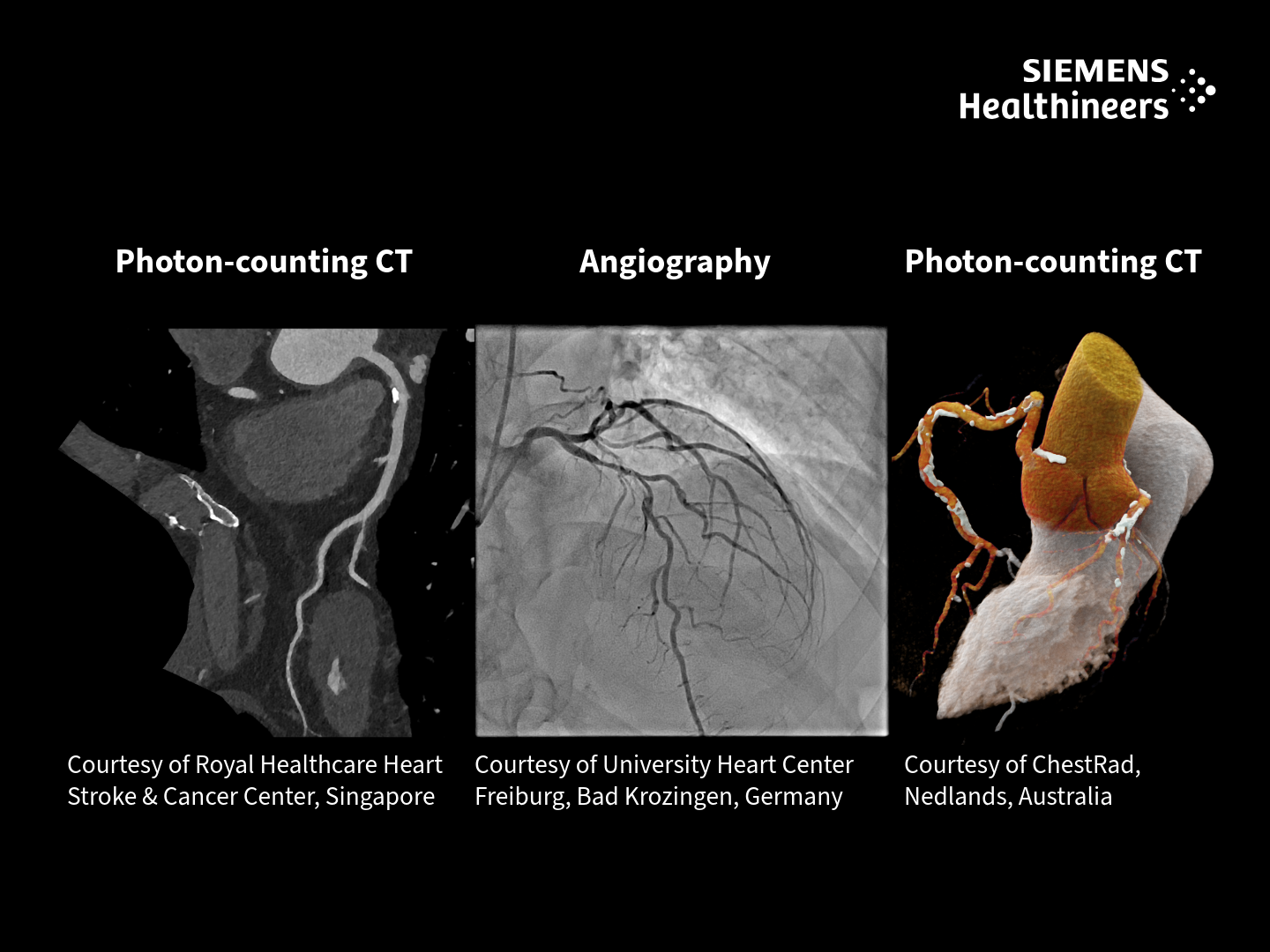
- The role of imaging and, particularly, coronary CT, in identifying high-risk plaque features and quantifying plaque burden.
- Why sex-specific plaque morphology has therapeutic and treatment implications, including earlier individualized risk assessment strategies.
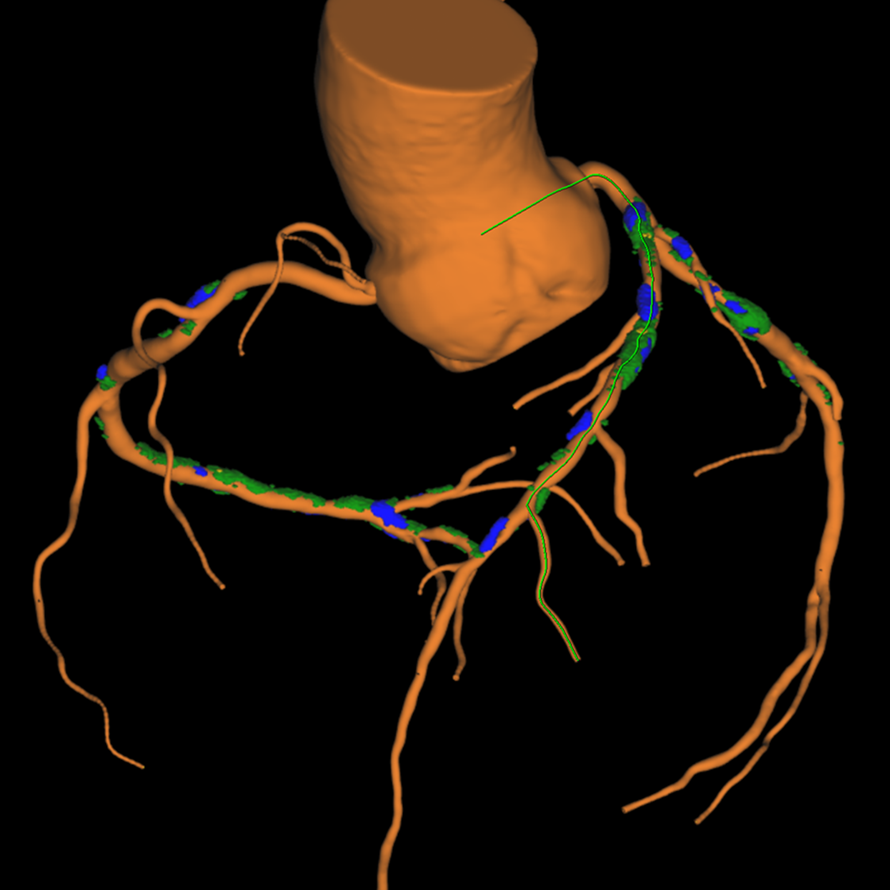
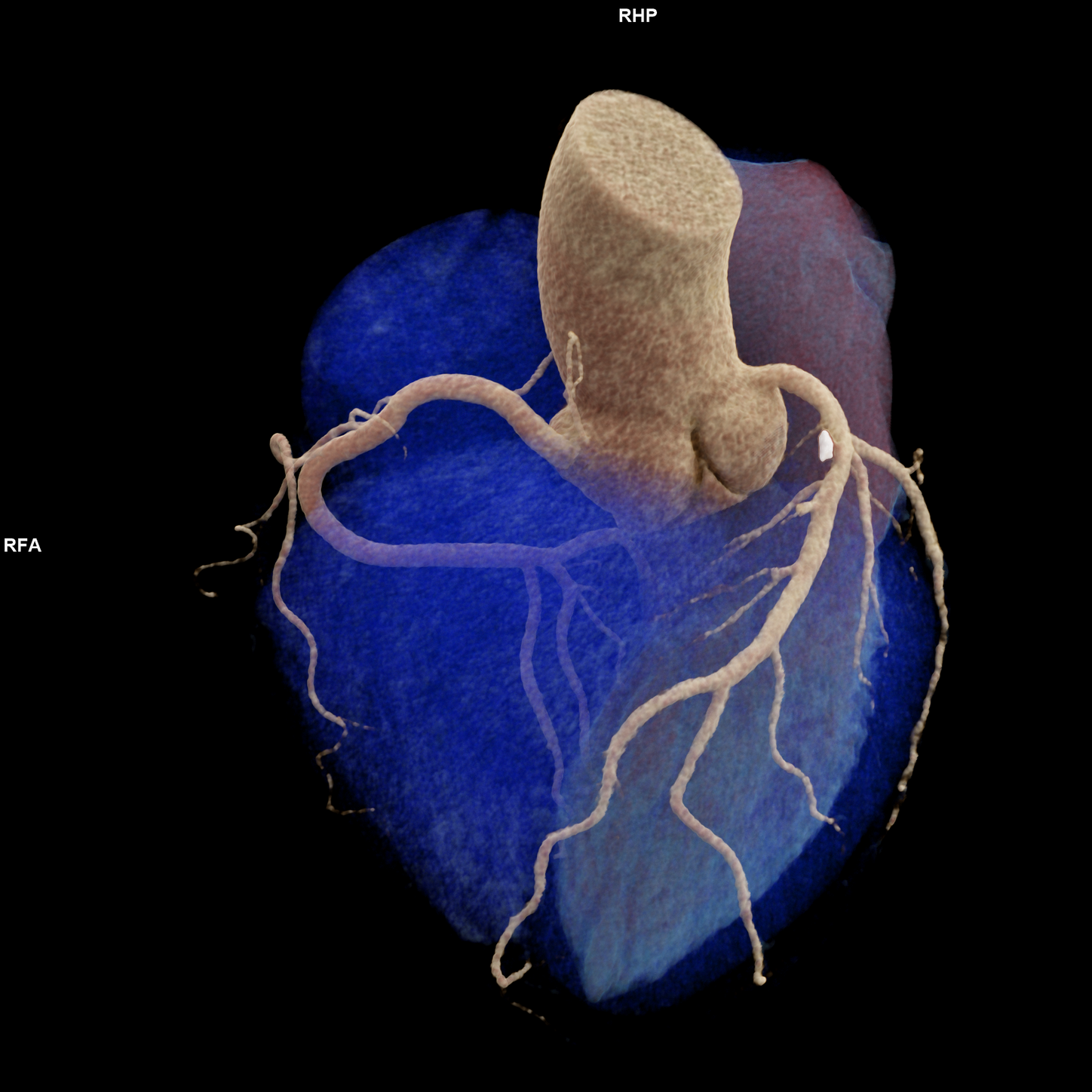
3D CT volume rendering
Courtesy of National Institute of Cardiology Warsaw, Poland
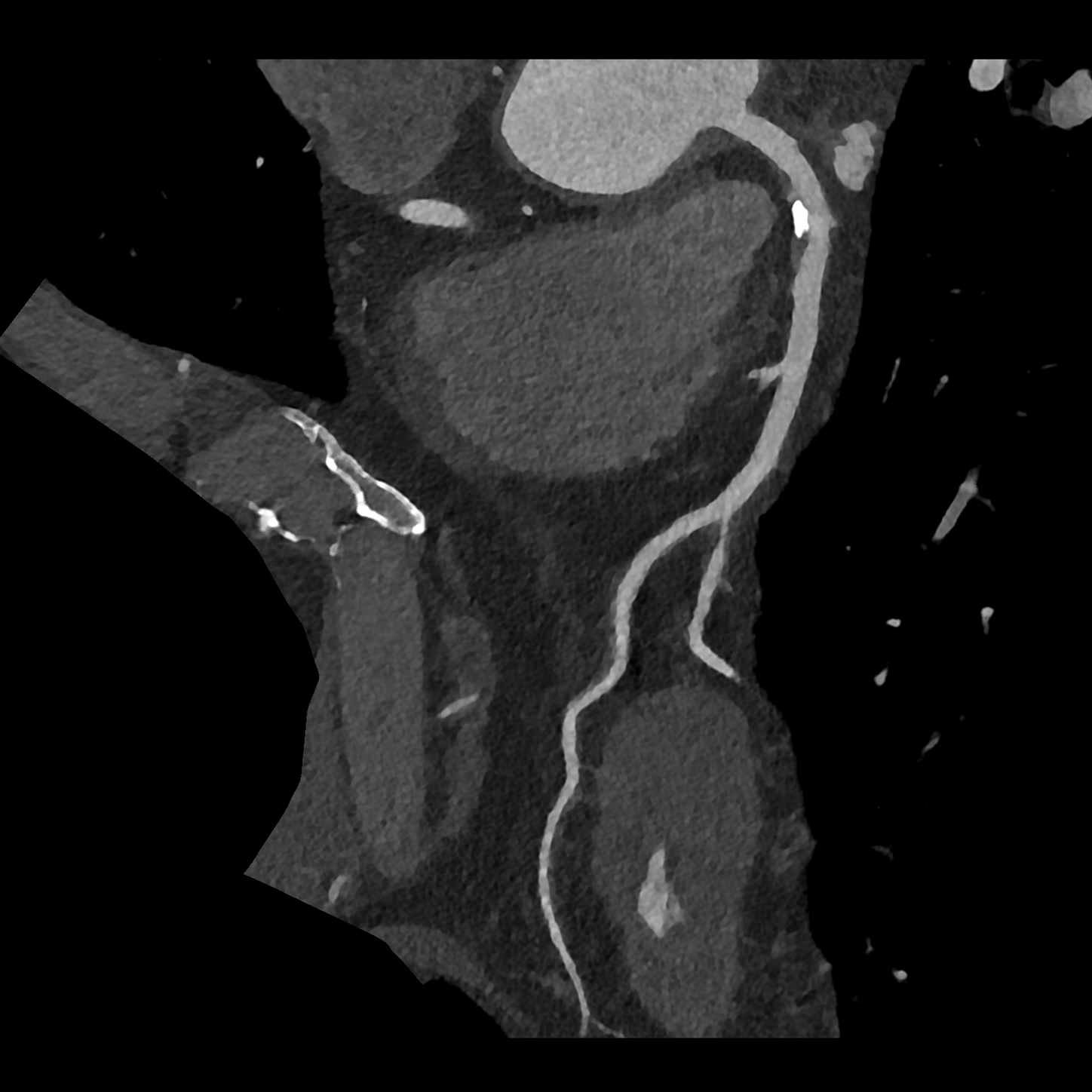
Photon-counting CT
Courtesy of Royal Healthcare Heart Stroke & Cancer Center, Singapore
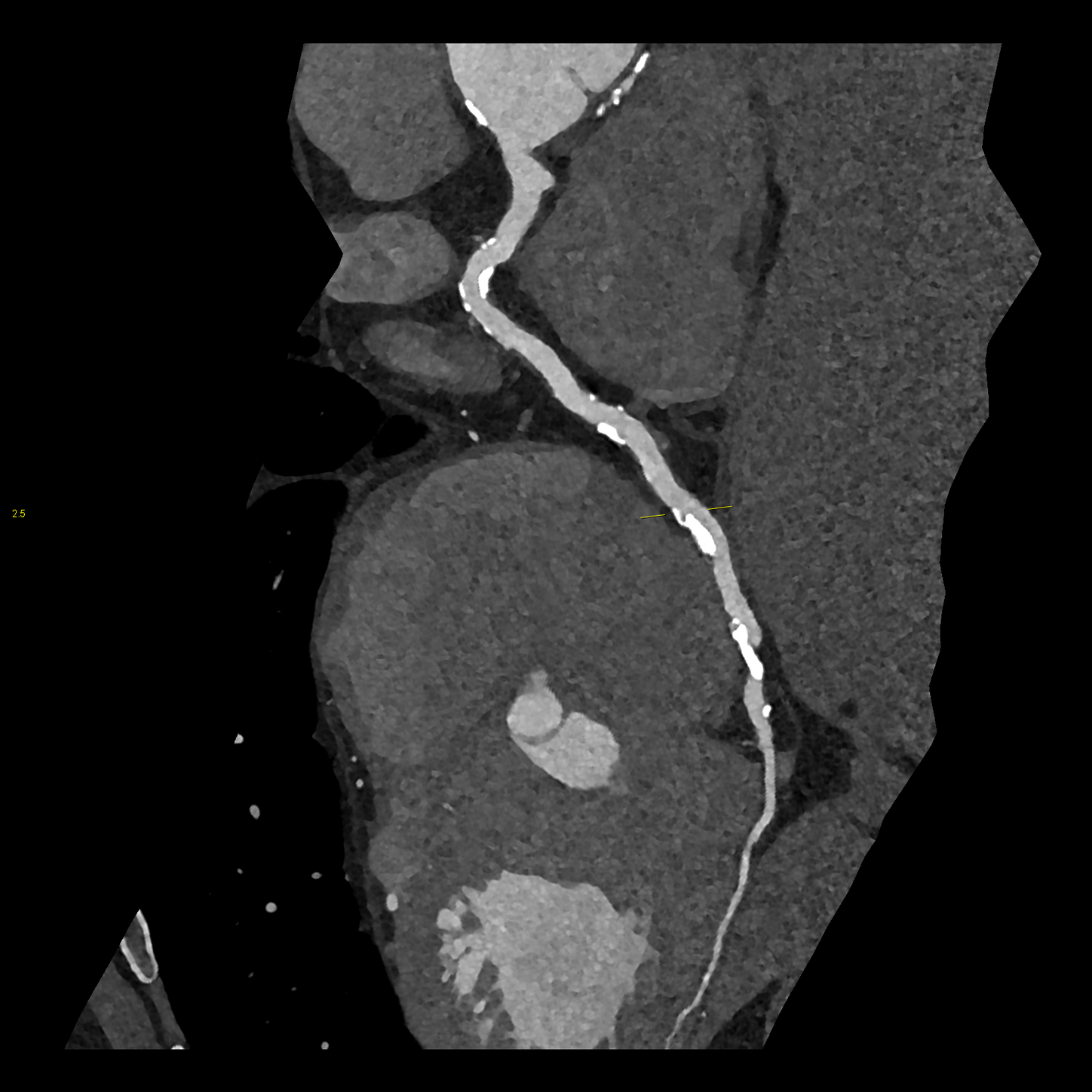
3D photon-counting CT volume rendering
Courtesy of Royal Healthcare Heart Stroke & Cancer Center, Singapore
Claudia is a health economist with special interest in women's heart health and genderspecific pathophysiology. She works as global Medical Affairs manager in the Cardiovascular Care team.