
Sustainability in Computed TomographyImaging a greener tomorrow
The healthcare sector is currently the fifth largest contributor to global greenhouse gas emissions1. At Siemens Healthineers, we are committed to reducing our climate footprint to a minimum. We strive to achieve net-zero emissions by 2050 – and to support you in reaching your own goals with sustainable Computed Tomography (CT). Our CT innovations are designed to lower energy consumption, conserve resources, and help address global healthcare challenges.
Sustainable power consumption
Designed with sustainability and efficiency in mind, our latest CT scanners consume significantly less power compared to previous generations. Discover how sustainable CT technology can help you save energy with ease while supporting your environmental goals.
Sustainable use of resources
Every stage of a CT system’s lifecycle influences its environmental footprint. To help preserve natural resources, we prioritize reusability and recyclability across our systems and components. Discover how we advance sustainable CT imaging – from design to end of life.
Customer voices
Find out what your peers have to say about our sustainable CT scanners and smart features that help save energy, space, and raw materials.
Sustainable imaging at the University Hospital Basel
Discover how University Hospital Basel is making sustainability a core part of radiology operations.
Without compromising patient care or staff efficiency.
“This enhances the system’s capabilities while extending its lifetime, reducing waste, cost and effort. The replaced components seamlessly integrate into our refurbished systems portfolio, enabling a circular economy. Because every action to preserve resources counts, we create new possibilities in a world of limited resources.”14
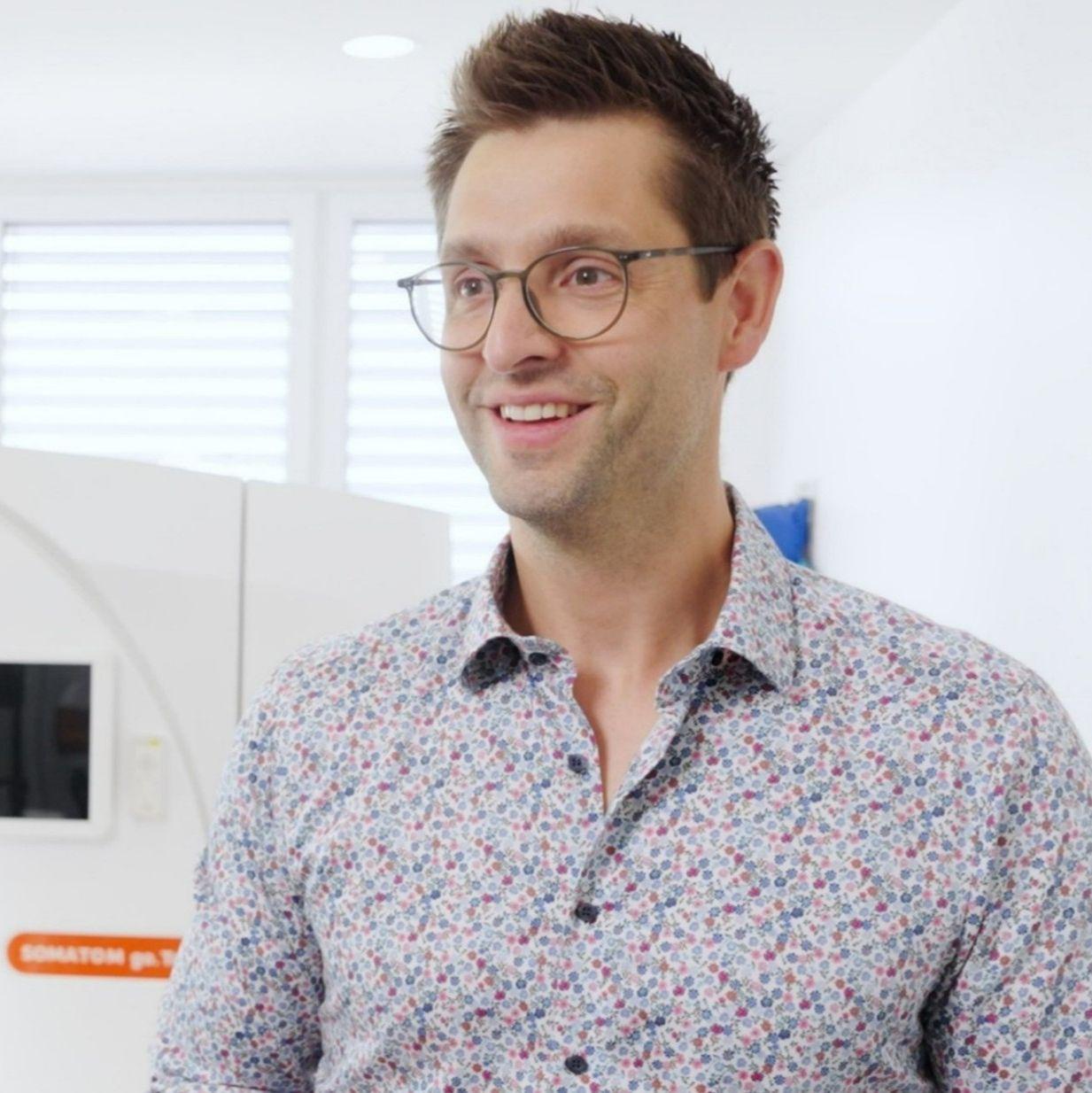
Specialist in Diagnostic and Interventional Radiology, Medical Director and Managing Director at Evidia MVZ Radiologie Franken GmbH, Fürth, Germany
White paper
Interested in exploring sustainability in CT imaging in greater depth? Download our white papers to learn how we drive energy efficiency, conserve resources, and optimize the lifecycle of our CT systems.
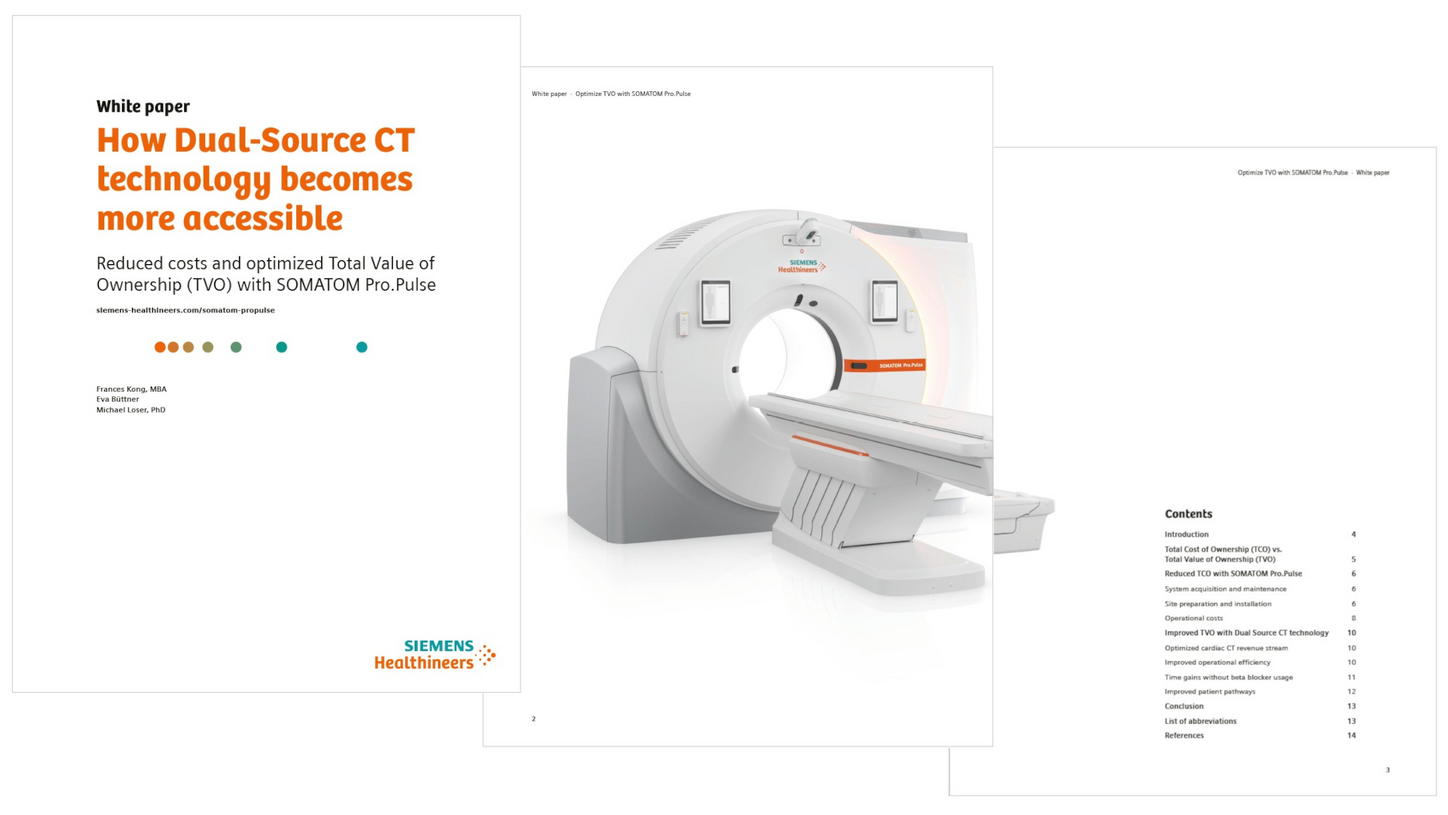
How Dual Source CT technology becomes more accessible
Power consumption, site preparation, operational efficiency: Many aspects have an impact on a CT system’s total cost of ownership (TCO). Find out how our state-of-the art system design helps significantly decrease the annual costs of our Dual Source system SOMATOM Pro.Pulse, even when compared to a conventional single source system.

Saving energy in radiology
Radiology equipment is a major energy consumer, but even simple changes can deliver significant energy savings. Discover practical strategies and advanced technologies that help substantially reduce energy consumption – without compromising patient care.
FAQs
Sustainable CT systems are designed to keep energy consumption down, extend system lifecycles, conserve resources, and support responsible end-of-life management. Features such as energy saving modes, upgrades, and recyclable components help minimize environmental impact.
In many real-world settings, a significant share of CT energy use occurs while the system is idle and
not scanning. Energy consumption can be lowered by using power-saving features, switching the
system off during extended periods of inactivity, and upgrading to newer, more energy-efficient CT
technologies.
Not when it is done as part of a planned, vendor-recommended power management strategy. For shorter periods of inactivity, energy-saving or eco modes may be the most appropriate option, while complete shutdown can help save more energy during extended downtime, such as overnight. The right approach balances energy efficiency with operational readiness, helping reduce energy consumption without compromising workflow or patient care.
Depending on the system and usage patterns, the latest CT technologies can significantly cut daily energy consumption compared to previous generations, helping lower both environmental impact and operating costs.
Radiology departments can track sustainability progress using key metrics such as energy consumption (kWh), idle-time share, scans performed per kWh, and estimated CO2e based on local electricity grid factors. Monitoring these indicators over time helps identify opportunities for greater efficiency and quantify improvements. Operational measures, such as adherence to shut-down and power-management routines, can provide additional insight into the effectiveness of sustainability initiatives.
Upgrades help extend the useful life of existing systems, decreasing the need for premature replacement and conserving resources while maintaining access to the latest innovations and performance improvements.
Recyclability and refurbishment are important elements of a more sustainable approach to CT imaging. Designing systems and components for recyclability helps recover valuable materials at the end of a product’s life and supports a more circular use of resources. Refurbished components help conserve raw materials and avoid emissions associated with manufacturing new systems and parts – while continuing to meet high standards for quality, safety, and performance.
No. Sustainability initiatives are designed to complement clinical excellence. Energy-efficient technologies, upgrades, and lifecycle extension measures help lower the environmental impact while supporting high-quality patient care.
Sustainability in CT imaging is considered throughout the entire lifecycle – from design and manufacturing to operation, upgrades, servicing, refurbishment, and end-of-life management – to help reduce environmental impact and conserve resources.
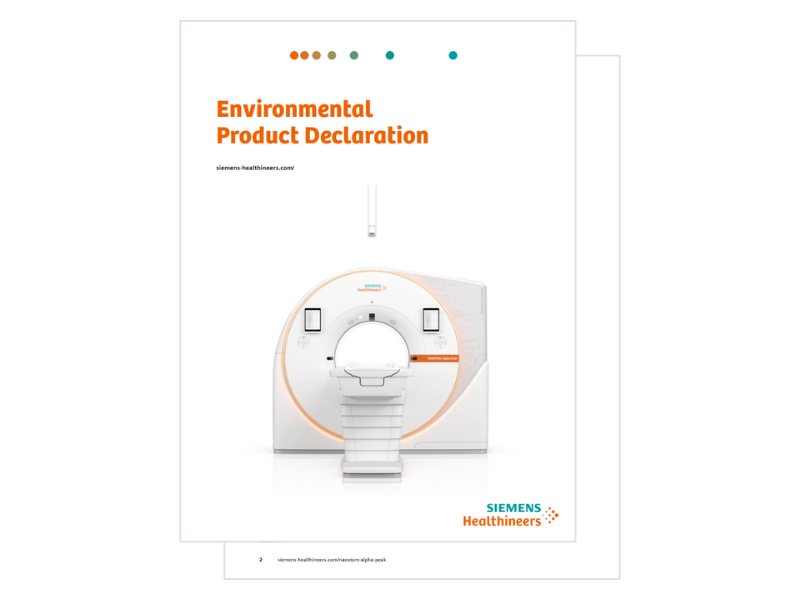
Environmental Product Declaration
Brochures are currently available for the following systems:
- NAEOTOM Alpha/NAEOTOM Alpha.Peak (pdf) 0.46 MB
- NAEOTOM Alpha.Pro (pdf) 0.74 MB
- NAEOTOM Alpha.Prime (pdf) 1.19 MB
- SOMATOM Pro.Pulse (pdf) 1.04 MB
- SOMATOM Force (pdf) 1.58 MB
- SOMATOM Drive (pdf) 0.65 MB
- SOMATOM X.ceed (pdf) 0.51 MB
- SOMATOM X.cite (pdf) 1.38 MB
- SOMATOM go.Top (pdf) 1.04 MB
- SOMATOM go.All (pdf) 1.04 MB
- SOMATOM go.Up (pdf) 1.04 MB
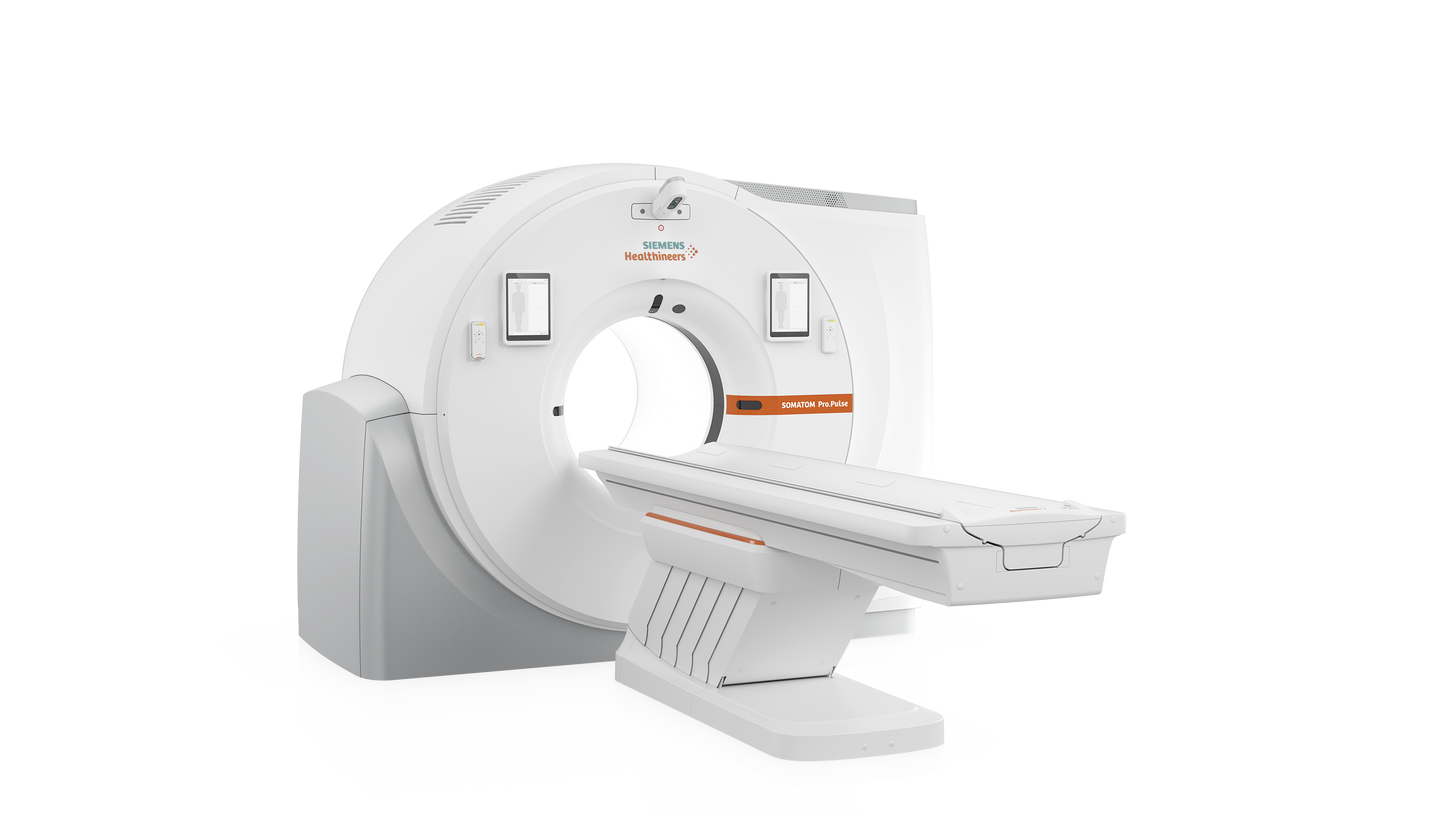
Sustainable products
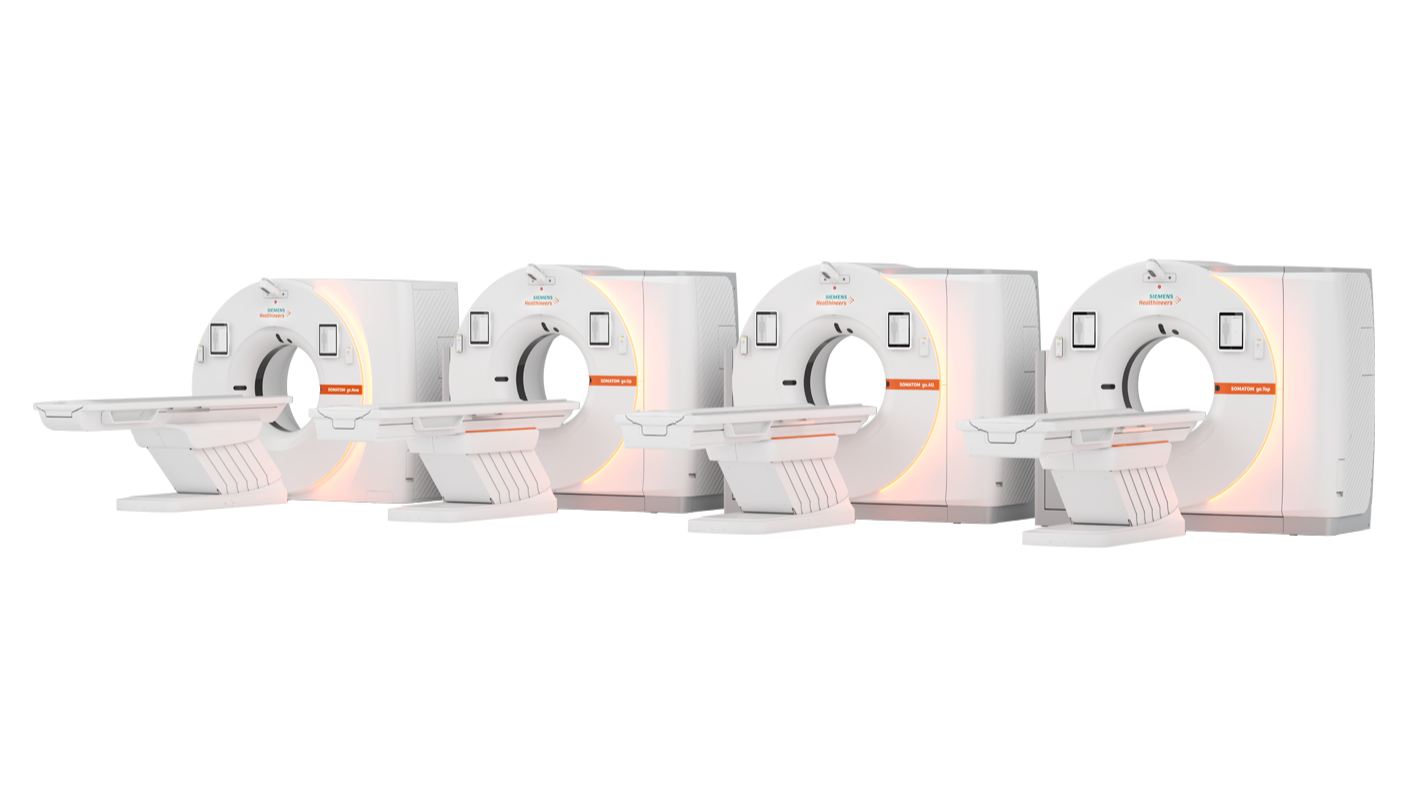
Discover our sustainable CT scanners


Did this information help you?
The products/features (mentioned herein) are not commercially available in all countries. Their future availability cannot be guaranteed.
1
Karliner J, et al. Health Care’s climate footprint: the health sector contribution and opportunities for action. European Journal of Public Health, volume 30, issue supplement 5, September 2020. Healthcare's climate footprint - Arup
2
Depending on CT system: >77% saving when comparing SOMATOM Emotion 16 to SOMATOM go.Now, data on file
3
Data on file: Energy consumption data comparison
4
Calculation based on SOMATOM Force switched off for 12 hours, data on file
5
Please double check the requirements of your system and its Instruction for Use
6
Available with syngo.CT VB20; not available for SOMATOM go.Now, SOMATOM go.Up and SOMATOM On.Site
7
Depending on CT system: 60% saving when comparing SOMATOM Perspective 128 to SOMATOM go.Top, data on file
8
Available for SOMATOM Drive, Edge Plus, Edge, Confidence, Definition AS, Flash and Force. This mode must be activated under service mode for SOMARIS/7 based systems.
9
Depending on CT system: 68 % for SOMATOM Definition Edge
10
Calculation based on SOMATOM Force switched off for 12 hours, including wall switch, data on file
11
Data on file
12
Based on the average of components re-used per returned CT SOMATOM Definition Edge eco system in 2022-2024. Whether components are actually refurbished versus harvested for parts or otherwise recycled is dependent on the state of the system.
13
ecoline and Circuline are not commercially available in all countries. The future availability cannot be guaranteed.
14
The statements by customers of Siemens Healthineers described herein are based on results that were achieved in the customer's unique setting. Since there is no "typical” hospital and many variables exist (e.g., hospital size, case mix, level of IT adoption) there can be no guarantee that other customers will achieve the same results.