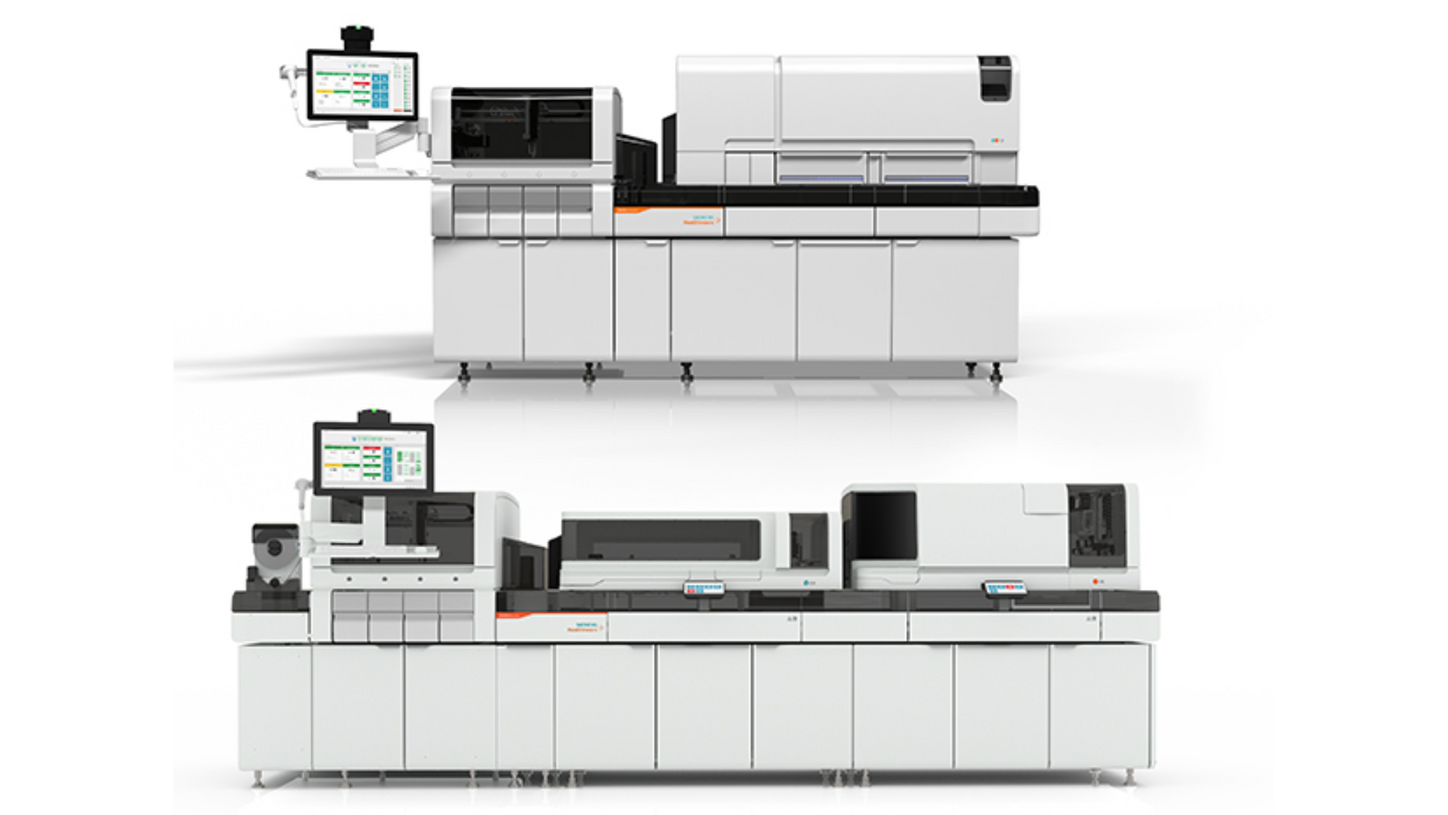
Atellica Task Targeted AutomationOne-touch. Up to 12 automated tasks.
Atellica Task Targeted Automation transforms essential pre and post analytical tasks into streamlined, one touch workflows. Its compact, modular design helps multidisciplinary labs reduce manual work, improve consistency and accelerate sample processing, without the complexity of full laboratory automation.

Benefits
By combining task targeted automation with one-touch sample preparation, laboratories can significantly reduce manual handling, improve turnaround time and standardize workflows while preserving existing analyzer infrastructure.
Atellica Task Targeted Automation automates up to 12 essential lab tasks across multiple tube types and more than 30 rack styles. Flexible operating modes adapt to changing priorities throughout the day, while the modular design allows labs to automate the processes that matter most.
- One-touch sample preparation: Consolidate labor-intensive activities to improve safety, consistency, and staff satisfaction.
- More time for higher value work: Reduce repetitive tube handling so skilled lab professional can focus on exceptions, quality and clinically important activities.
- Faster, more consistent workflows: Standardize sample preparation and routing to reduce variation and support predictable turnaround times.
- Purpose fit investment: Introduce automation where it creates the greatest value without committing to a full laboratory automation configuration.
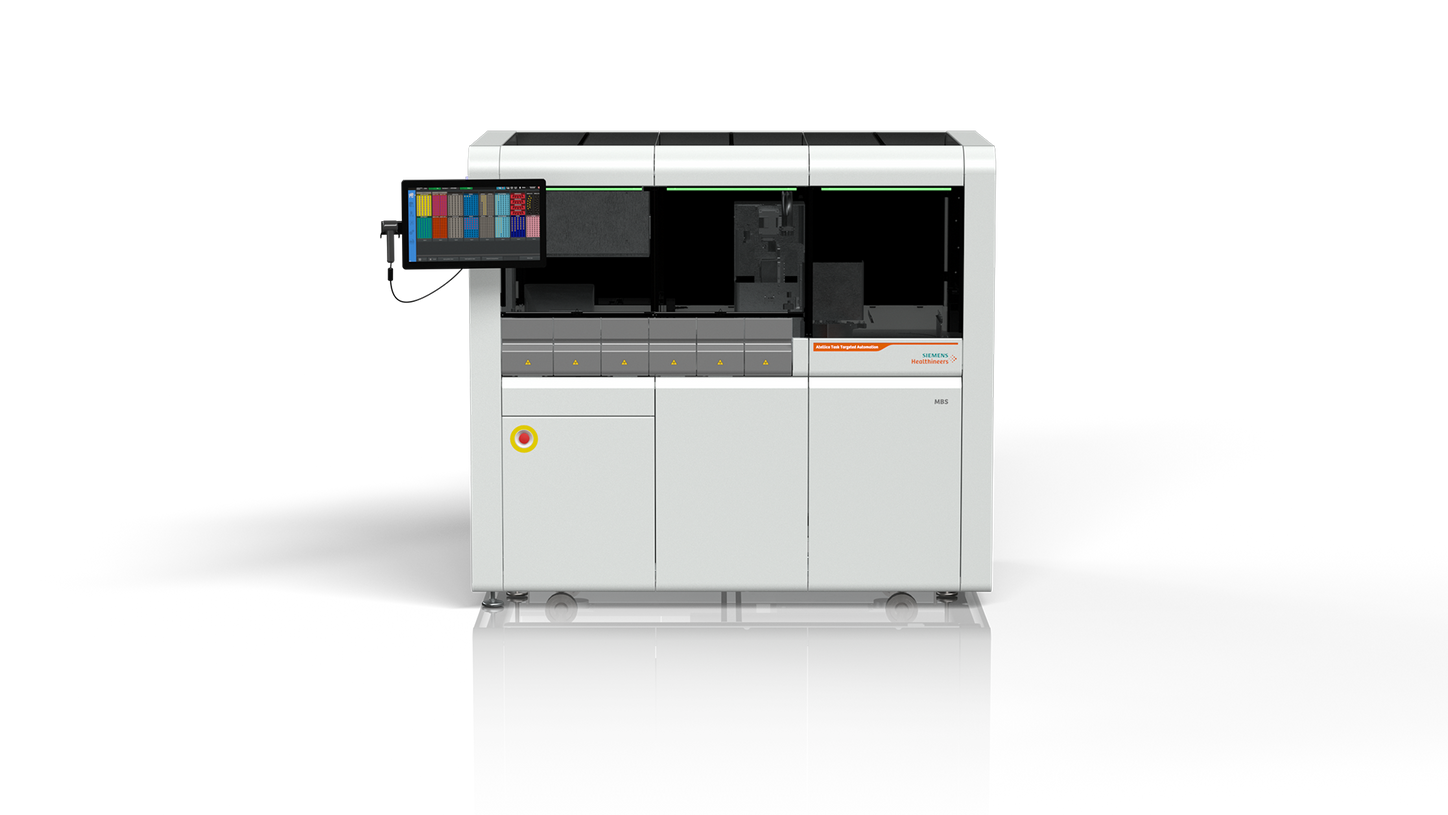
Select the processing modules that address your current workflow priorities, with the flexibility to add functions and capacity over time.
- Automate repetitive tasks: Automate up to 12 tasks, including check in, inspection, centrifugation, decapping, aliquoting to and from tubes or microplates, pre- and post-analytical sorting, recapping, tracking, and archiving.
- Reduce manual rack sorting: Sort and track tubes directly into a broad and expanding range of analyzer-specific and storage racks, supporting multidisciplinary testing across the laboratory.
- Adapt and expand: Add modules or functions as testing volumes, workflows, and operational priorities evolve.


Change operating modes and automate microplate work.
- Change operating modes: Switch between predefined workflows throughout the day to support scheduled activities and predictable demand. For example, perform sample reception and preliminary sorting in the morning, prepare aliquots for afternoon send-outs and create microplates for scheduled batch work.
- Automate microplate preparation: Create and dispense aliquots into 96-well microplates for long-term storage, biobanking, microbiology, infectious disease testing, drugs of abuse testing and other batch-based uses.
- Support multiple disciplines: Configure workflows around the needs of chemistry, immunoassay, hematology, coagulation, microbiology, molecular diagnostics and other laboratory areas.
Module Specifications
Customize functionality to choose the features that make sense for your lab
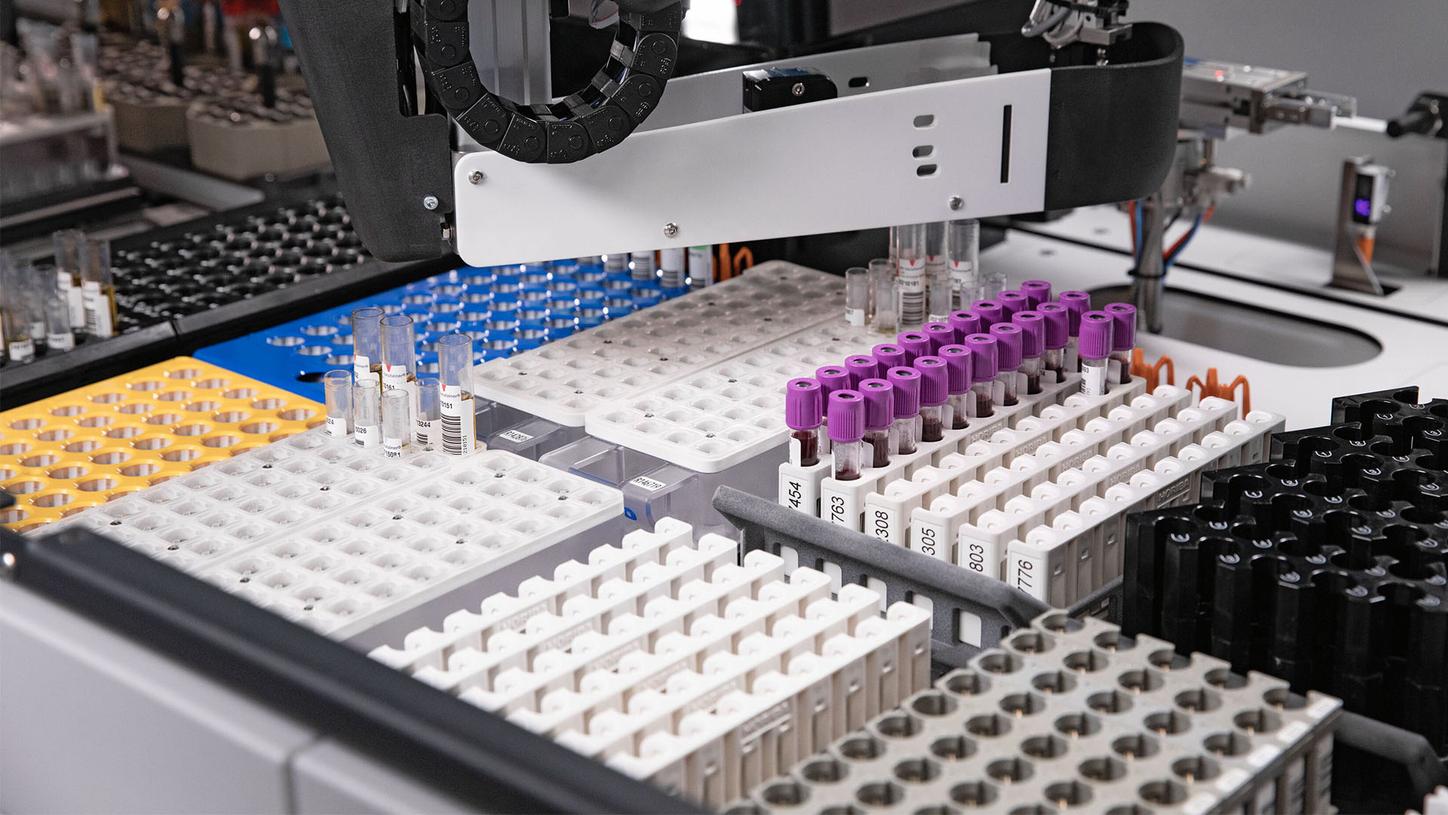
Sample Loading and Sorting
- Throughput: up to 650 tubes/hour
- Input/output capacity: up to 1,152 tubes
- Provides the foundation for sample loading, identification, routing, and sorting
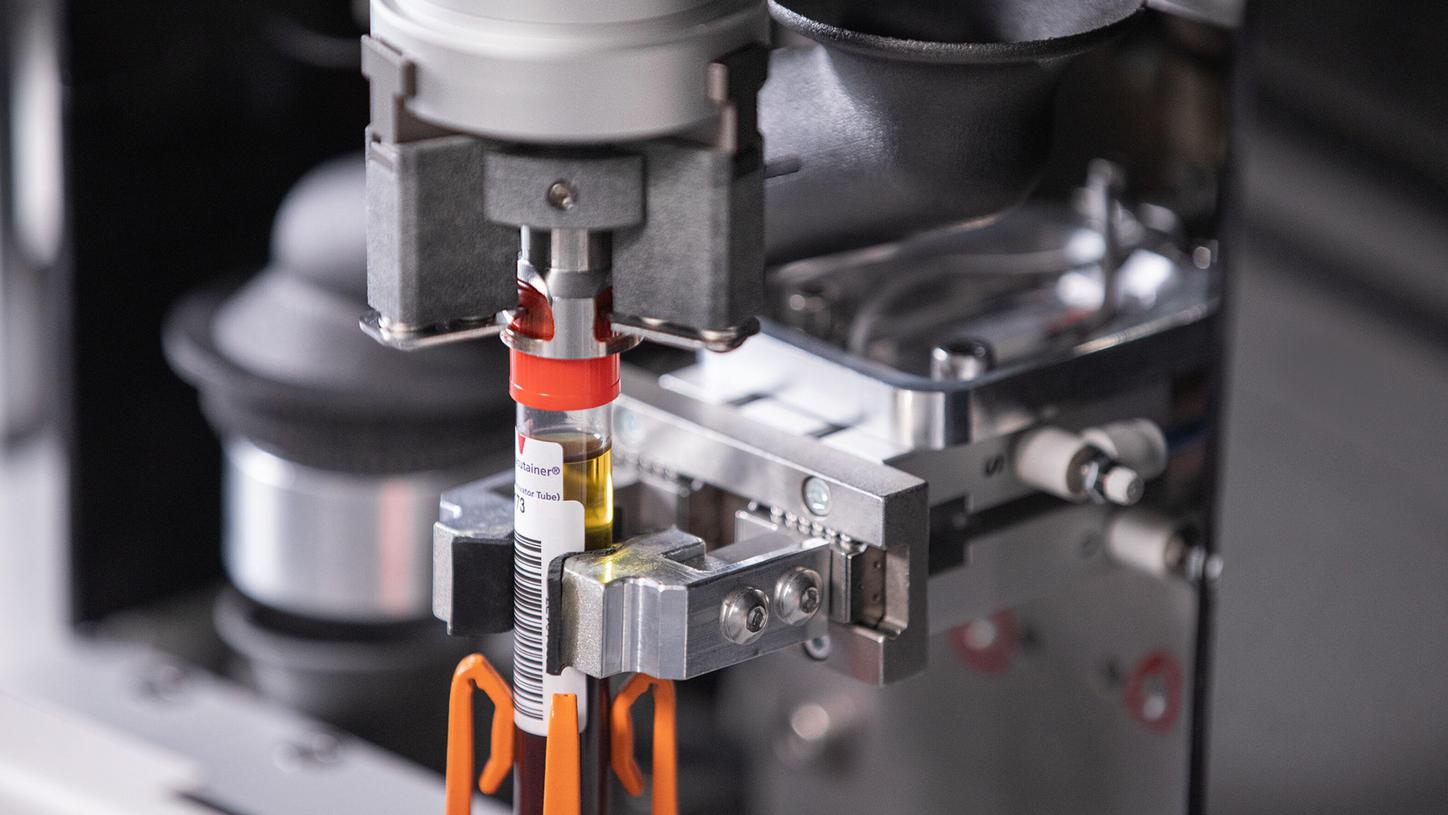
Decapper Module (DM)
- Throughput: up to 750 tubes/hour
- Removes screw caps, pressure-fit plastic caps, and rubber closures
- Supported tube dimensions: 12–16 mm diameter and 75–110 mm in height with cap††
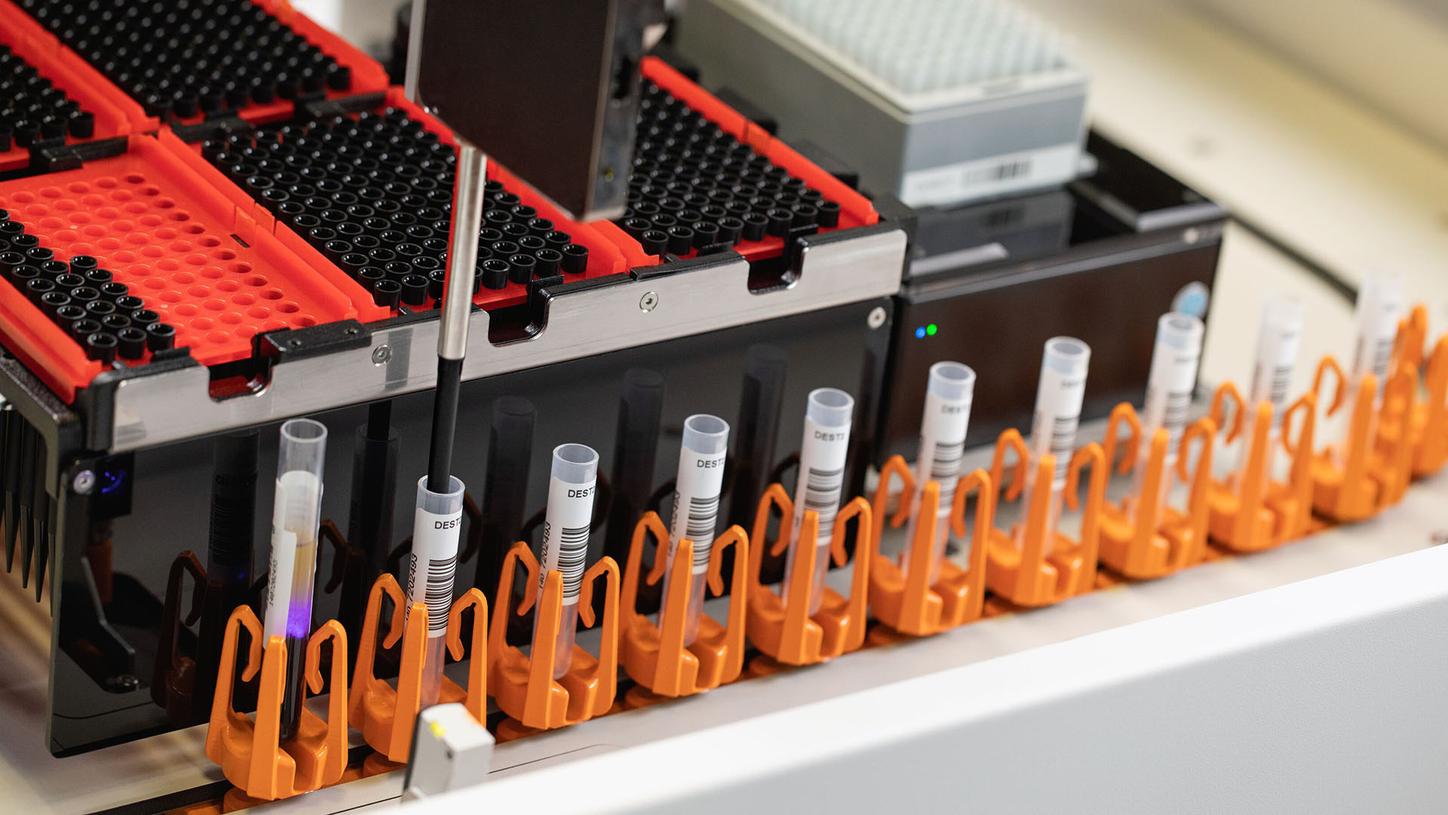
Multifunctional Aliquot Module (MAM)
- Throughput: up to 300 aliquots/hour‡‡
- Aliquot Tip Capacity: up to 480 tips (5 x 96)
- Secondary Tube Capacity: up to 500 tubes, including barcode labeling
- Liquid-level sensing and clot detection
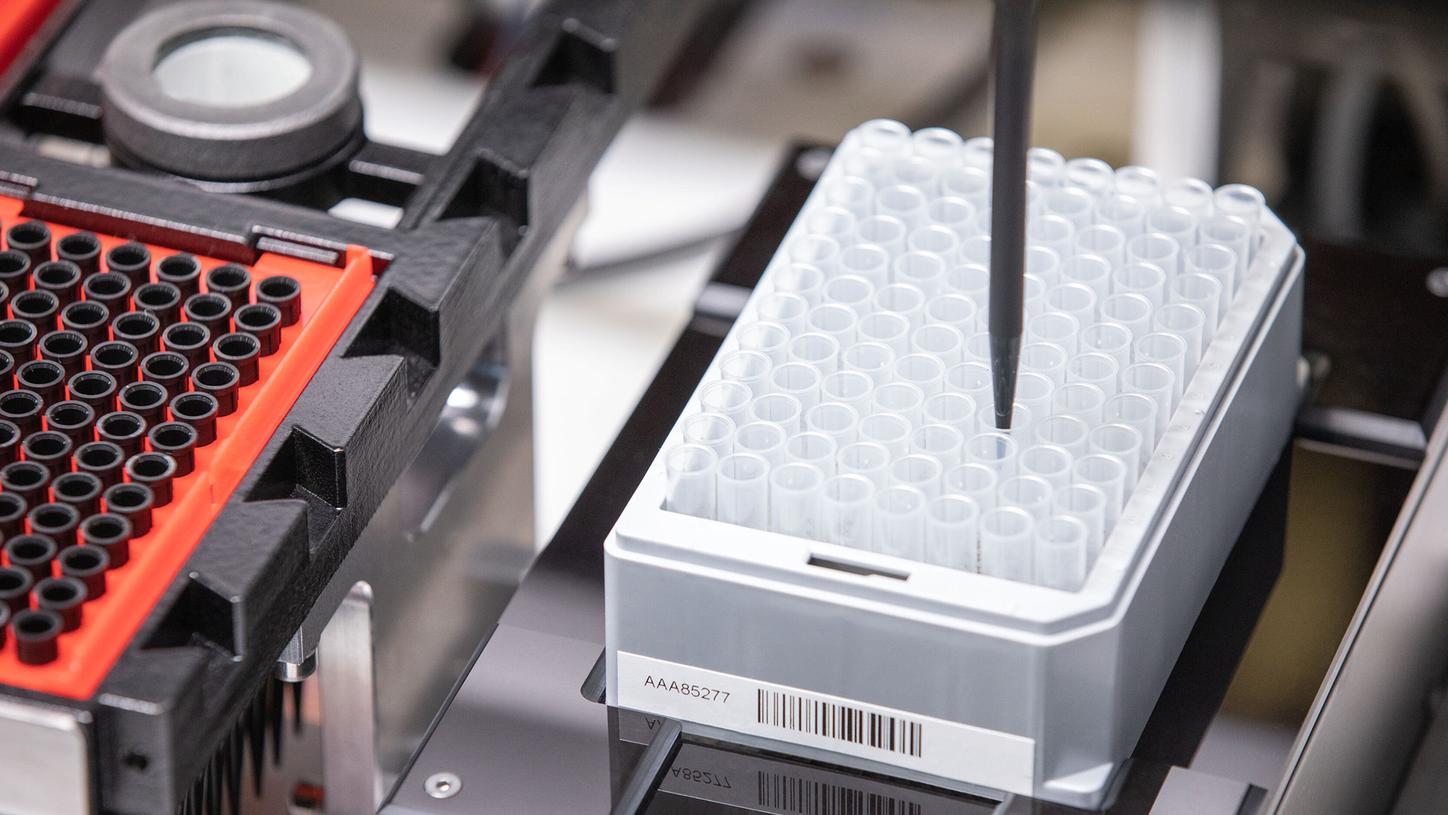
Microplate Module (MM)
- Throughput: up to 250 primary samples/hour§§
- Capacity with optional 1D Barcode Scanner: two 96-well SBS microplates***
- Capacity with optional 2D Barcode Scanner: one 96-well SBS microplate
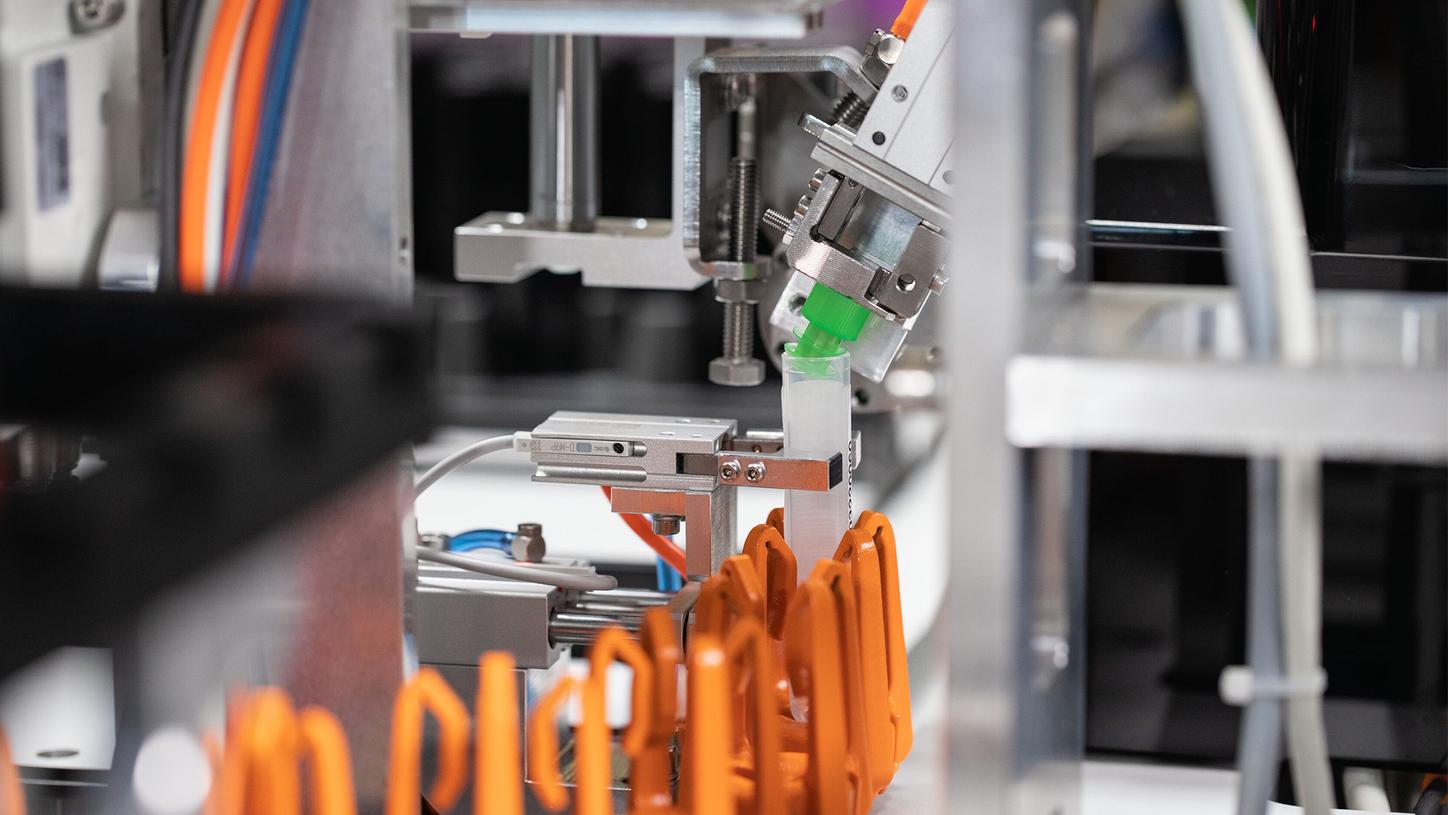
Recapper Module (RM)
- Throughput: up to 650 tubes/hour
- Secondary Tube Cap Capacity: up to 600 caps
- Supported tube dimensions: 12–13 mm in diameter for primary and secondary tubes
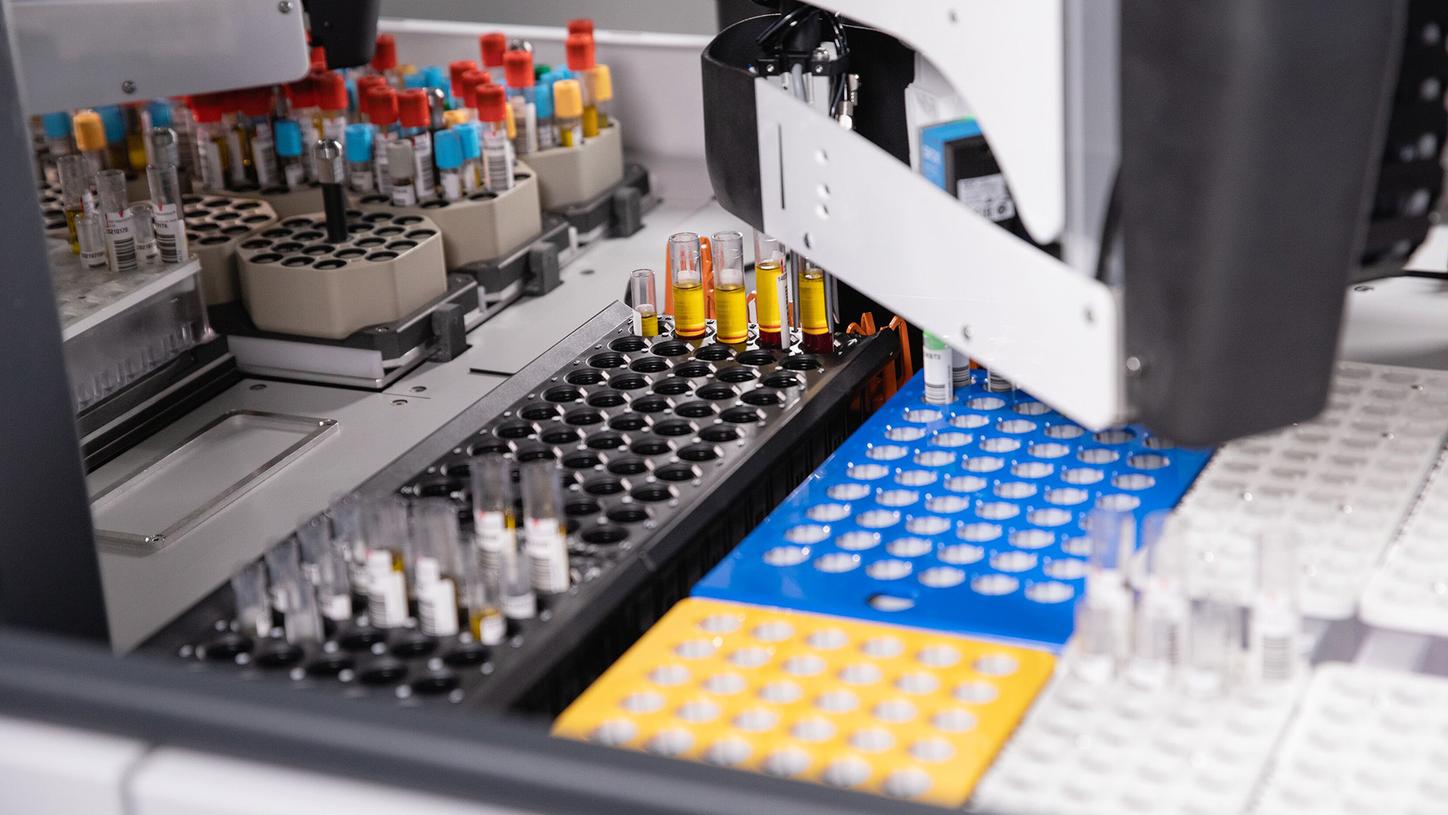
Increase capacity and support continuous sample loading
- The optional High Throughput Modules adds a second robotic arm and two dedicated input drawers. With this configuration, the Multifunctional Base System drawers are reserved for output sorting, while the additional robotic arm loads samples and transfers tubes between the base system and the Centrifuge Module.
- Throughput: up to 1,150 tubes per hour
- Combined MBS and HTM input/output capacity: up to 1,536 tubes when using FlexLab X racks†
- Drawer capacity: upto192 tubes per drawer†
- Optional air compressor
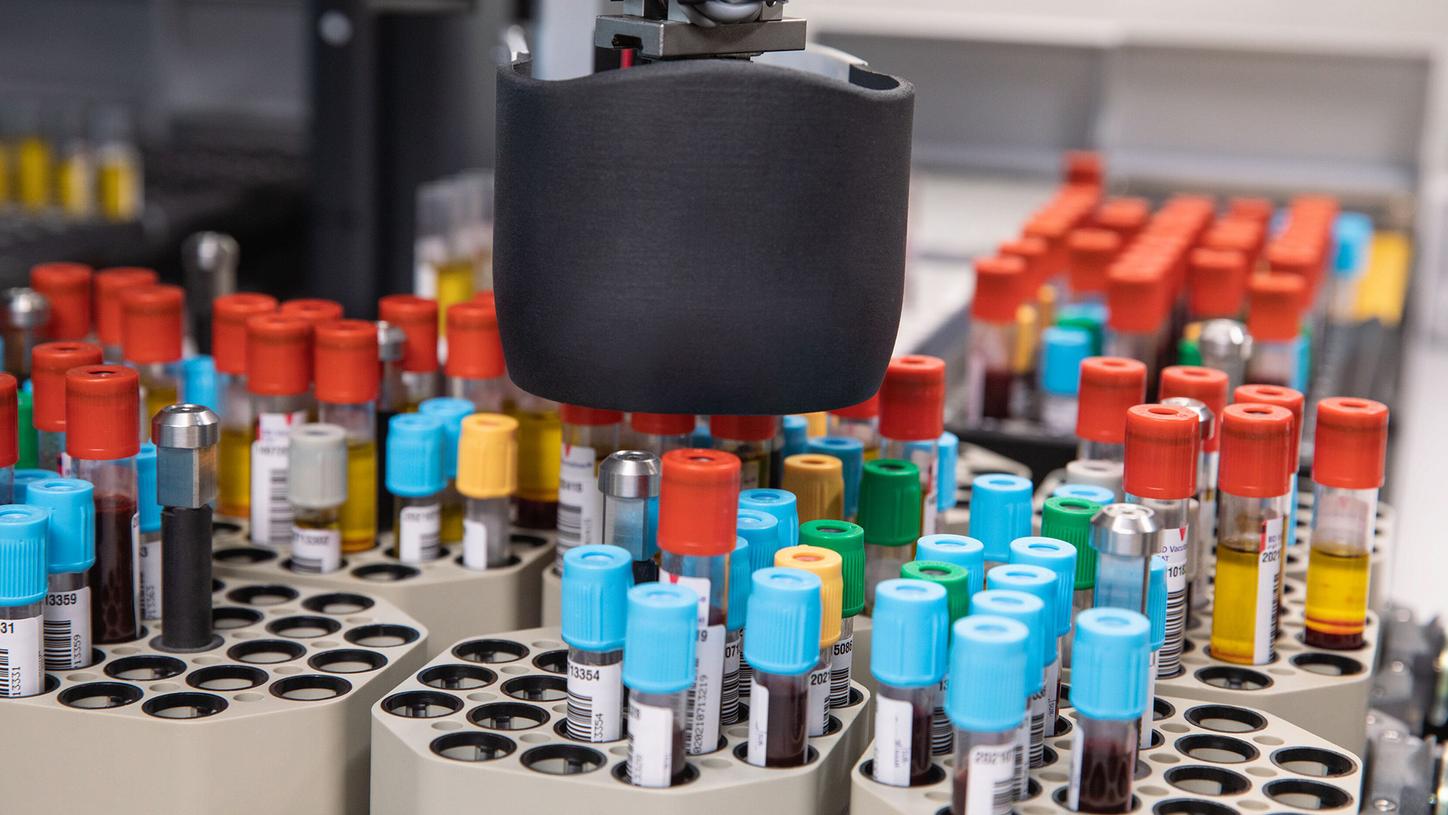
Supports continuous centrifugation across three active lanes
- Throughput: up to 300 tubes/hour with 10-minute spin time
- Capacity: up to 240 tubes in 12 weight-balanced buckets, 20 tube buckets
- Programmable speed: up to 4,500 RPM Programmable spin time and temperature: -20°C to 40°C
- Continuous loading and unloading in batches of up to 80 tubes
Evidence
“Innovation requires bravery, not recklessness. We dedicated four months to planning the transition from the previous 2017 configuration, and the results were worth it. During our innovation upgrade, the lab avoided downtime while maintaining testing quality and response times. Effective planning and execution contributed to a low-stress lab environment during the transition period."**

Related Products
Automation with less limitation. Advanced, attainable automation for labs of all sizes.
Explore an automation portfolio designed to help laboratories of different sizes, disciplines and levels of complexity address their most important workflow needs.
Atellica Integrated Automation

FlexLab X Automation
Extend beyond the track. Atellica Task Targeted Automation can complement FlexLab X Total Lab Automation by addressing important off-track and multidisciplinary tasks—or operate independently where lab automation is not required.