As nuclear medicine evolves, medical institutions are rethinking
how hybrid imaging can support both innovation and efficiency
in a broad range of treatment pathways.
Data and images courtesy of PeaceHealth Sacred Heart Medical Center at RiverBend, Springfield, Oregon.
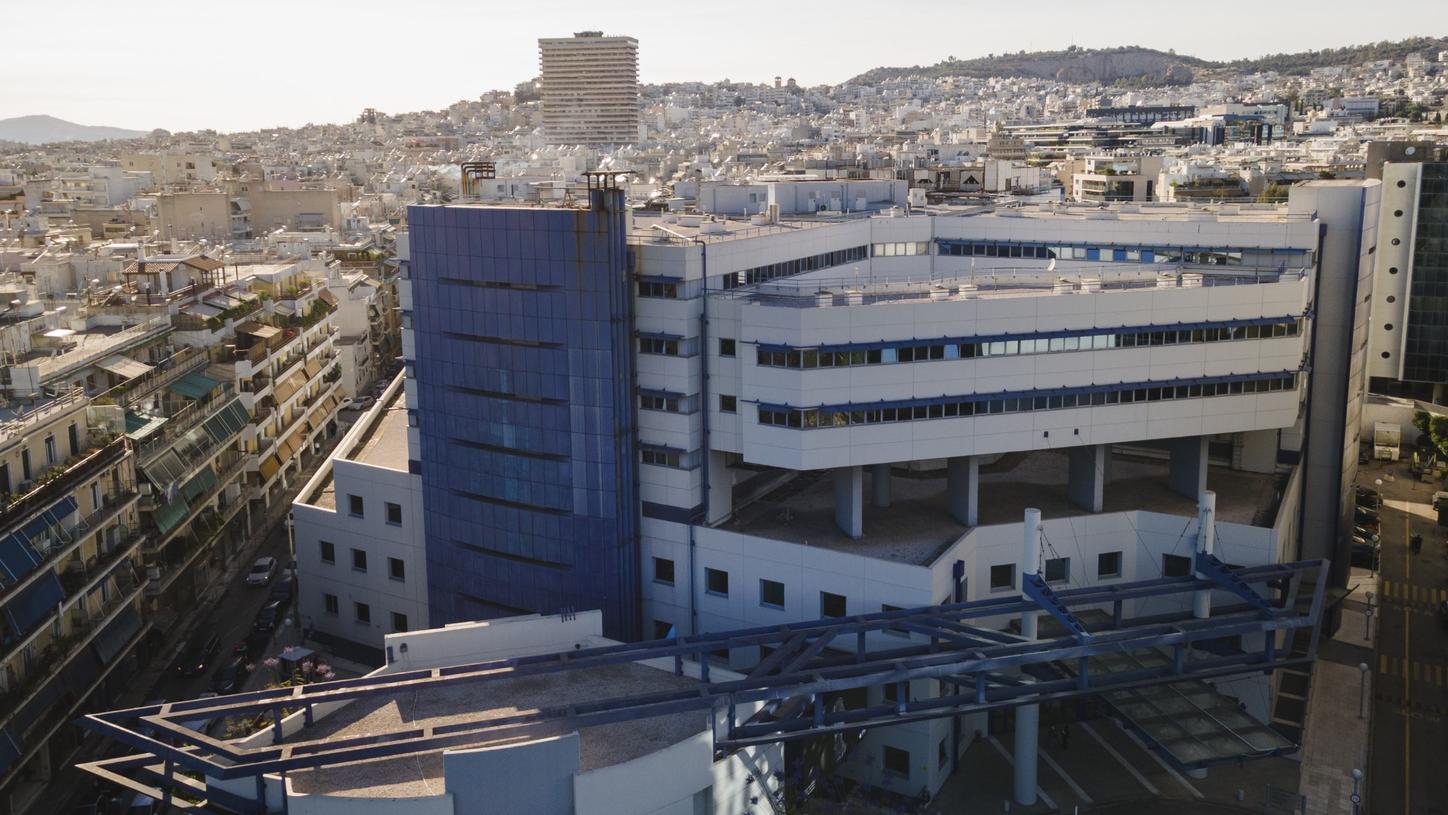
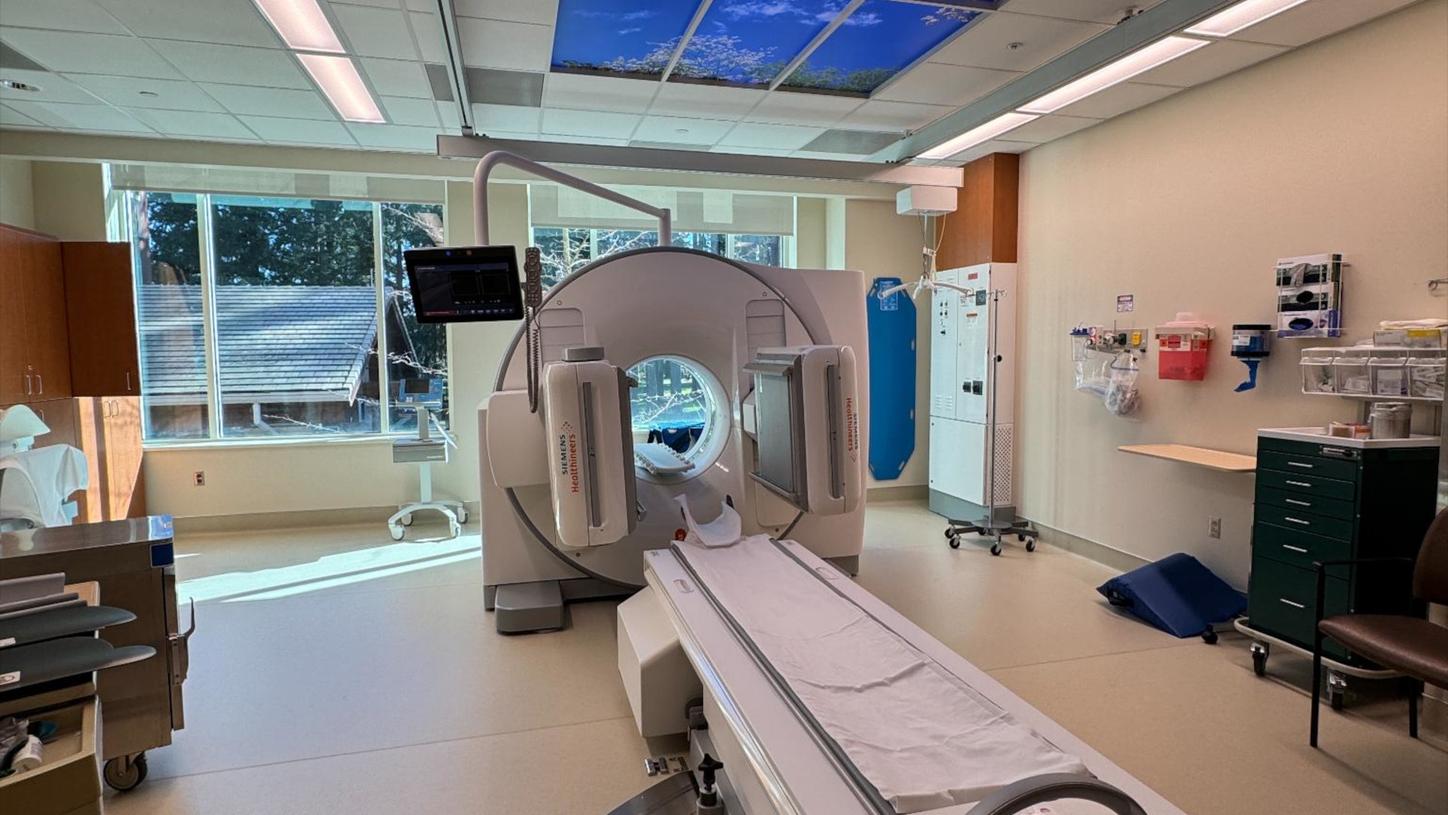
At PeaceHealth Sacred Heart Medical Center at RiverBend in Springfield, Oregon, U.S., this evolution includes the recent installation of their new SPECT/CT system—a decision driven by clinical need, workflow priorities, and growing demand in theranostics.
Currently, PeaceHealth’s nuclear medicine department supports both inpatient and outpatient care, with about 75% of its exams performed in the outpatient setting. The team comprises nine technologists and five imaging systems, including two dedicated cardiac cameras, two SPECT-only systems, and most recently one SPECT/CT system—Symbia Pro.specta.
“We needed a system that could expand our clinical reach, increase throughput, and support advanced therapies like theranostics,” says Tom Voelkel, a nuclear medicine technologist at PeaceHealth.
Why SPECT/CT—and why now
Before selecting Symbia Pro.specta, the team had explored a CZT-based SPECT/CT system. But as Voelkel explained, while CZT detectors offer high efficiency, various factors, including its prohibitive cost, influenced the hospital’s decision to move away from CZT.
“We were looking for a modern hybrid system that could give us 32-slice CT capability and robust clinical performance,” he explained. “Symbia Pro.specta had the features we needed, plus advanced tools like xSPECT Quant that bring the power of quantitation into the SPECT world. That was really important as we look toward future theranostics use cases.”
Theranostics leadership—from day one
PeaceHealth is no stranger to theranostics. In fact, the team began administering Lutathera® (Lu-177 dotatate) very soon after it received FDA approval. They were also early adopters of PLUVICTO® (lutetium Lu-177 vipivotide tetraxetan), making them one of the first nonresearch hospitals in the U.S. to deliver both therapies.
“We kind of just stepped off the plank and did it,” remarks Toni Bamford, lead nuclear medicine technologist and resident theranostics expert. “When Pluvicto was approved, we were ready to start because we had already been doing Lutathera. It was a joint effort by the whole team to get everything in place.”
While PET/CT has traditionally played a more significant role in nuclear medicine for cancer diagnosis and management, insurance approval delays and limited access are shifting some of that imaging burden onto SPECT/CT. PeaceHealth is now seeing more cases where PET/CT is used for initial staging and eligibility assessment, and SPECT/CT is used for interim therapy monitoring.
“We have new orders coming in where the provider requests a SPECT/CT scan after, say, the second injection to evaluate response,” explains Bamford. “It’s an evolving space, and we’re seeing more integration of hybrid imaging in these treatment pathways.”
“Theranostics is going to be the new normal in cancer care. With Symbia Pro.specta, we’re ready for it.”
Expanding applications across the board
Beyond theranostics, their new SPECT/CT is being used across a wide variety of clinical pathways, from orthopedics and neurology to pulmonary imaging and oncology. According to Bamford, one of the biggest growth areas has been in joint replacement evaluation.
“We didn’t really see those referrals with our SPECT-only systems,” she notes. “But now that providers are seeing the quality of the images from SPECT/CT, we’ve definitely seen an increase in those studies.”
Dr. Ashley Buice, one of the department’s nuclear medicine physicians, says the hybrid imaging capability has dramatically increased diagnostic confidence. “I always feel more certain in my reads when I have the anatomic CT fused with the functional data,” she remarks. “Even with something like a Datscan™ (Ioflupane I123 Injection) the attenuation correction alone improves clarity. It really elevates the level of interpretation we can provide.”
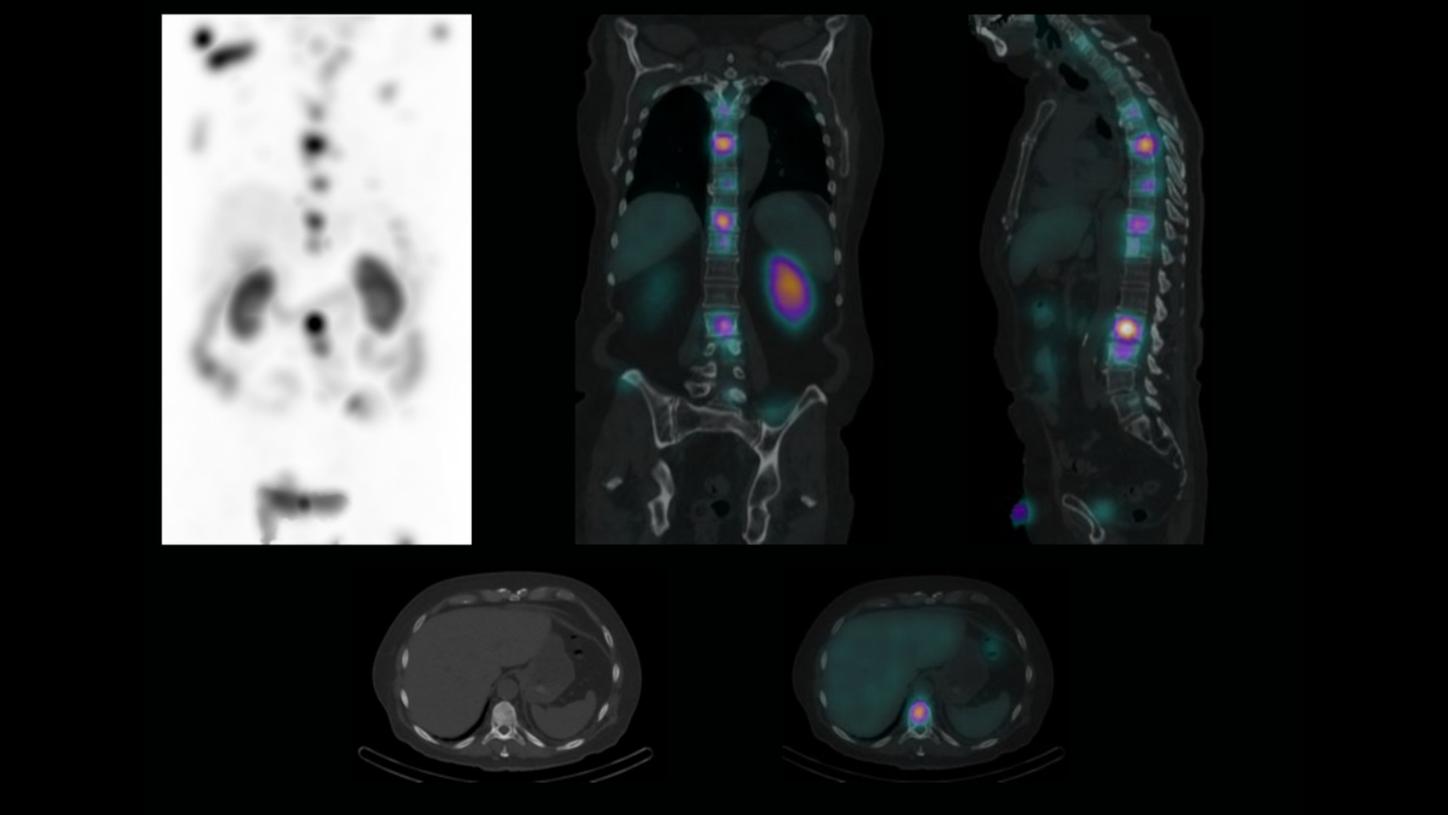
Patient with history of metastatic castrate-resistant prostate cancer underwent Lu-177 vipivotide tetraxetan treatment. Fast whole-body SPECT/CT confirmed that the treatment was irradiating metastatic disease as expected. Acquisition time: 15 minutes total. 5 minutes per bed.
Growing demand, improved workflow
With utilization on the rise and exam diversity increasing, the PeaceHealth team says their SPECT/CT is running near full capacity—especially during afternoon slots.
“If every patient who could be scanned on that camera were scheduled, we could easily justify a second one,” states Bamford. “Our afternoon schedule is typically packed with SPECT/CT studies: Datscans, thyroid dual imaging, and pulmonary scans. It’s been a significant shift.”
Fortunately, workflow and efficiency gains have helped the team keep up with demand. Key features like the Plan&GO, an intelligent bedside ruler for scan range setup, and the synthetic planar imaging and halftime acquisition protocols have all reduced scan times and improved throughput.
“For spine imaging, we started out booking 90-minute slots,” explains Bamford. “Now we can complete those in about 40 minutes. And with halftime bone scans, we’ve gone from 25–30 minutes to 12–15 minutes.”
“Especially in oncology, being able to compare uptake and activity between lesions over time is incredibly valuable.”
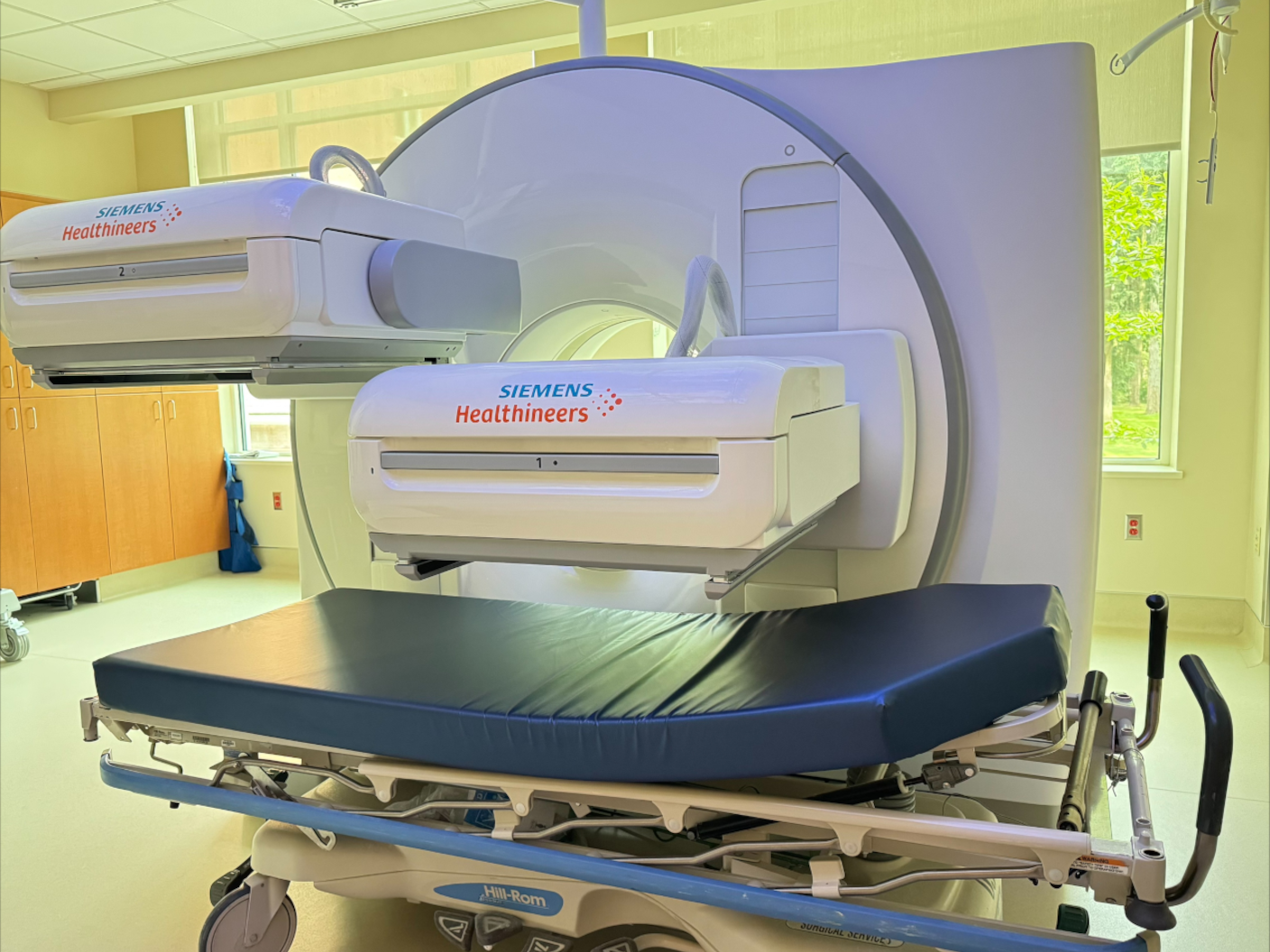
For a diverse patient population that includes individuals with limited mobility, such as those who are bed‑ or wheelchair‑bound, Symbia Pro.specta is designed to effectively address a wide range of clinical needs.
Quantification and the future of response assessment
One of the most anticipated tools in PeaceHealth’s theranostics program is xSPECT Quant, which allows for standardized, accurate, reproducible, absolute quantification. “We can now generate standardized uptake values from SPECT/CT in many cases,” asserts Voelkel. “That opens up new potential for assessing tumor burden, guiding therapy decisions, or even modifying treatment earlier if it’s not working.”
Buice agrees: “Especially in oncology, being able to compare uptake and activity between lesions over time is incredibly valuable. With our relationship with the local cancer institute and a large oncologic patient base, this is a major opportunity for us.”
The system integrates directly with the radiology information system (RIS), enabling automatic protocol recognition, and the team has also begun using Symbia Pro.specta to perform diagnostic CT when ordered, as well as calcium scoring in conjunction with myocardial perfusion studies.
Bridging the gap in the community
As the only facility in the region with a SPECT/CT system like Symbia Pro.specta, PeaceHealth is filling a critical access gap— particularly for patients who would otherwise need to travel hours north to larger academic centers like Oregon Health & Science University (OHSU).
“There’s no question we’re helping reduce the travel burden for patients,” declares Bamford. “And as new recommendations come out for hybrid imaging in theranostics protocols, I think we’re only going to get busier.” She added that with national awareness campaigns, more patients are asking their doctors about these therapies.
“When patients start asking their providers about theranostics, it drives change from the ground up,” she adds. “And it helps validate the need for tools like SPECT/CT in more places, not just major cancer centers.”
“[xSPECT Quant] opens up new potential for assessing tumor burden, guiding therapy decisions, or even modifying treatment earlier if it’s not working.”
Strong start—and a clear path forward
Though the PeaceHealth team is still in the early stages of optimizing theranostics imaging workflows with Symbia Pro.specta, they are already seeing how its versatility supports everything from complex liver dosimetry planning (90Y) to orthopedic studies and faster spine workups.
“The system’s flexibility is what makes it so valuable,” acknowledges Buice. “It allows us to deliver high-quality care across clinical areas, while also preparing us for what’s next in molecular imaging.”
Bamford concurs: “Theranostics is going to be the new normal in cancer care. With Symbia Pro.specta, we’re ready for it.”
About the author
Claudette Lew is a freelance medical writer and editor and writes frequently for Nuclear Medicine News & Stories