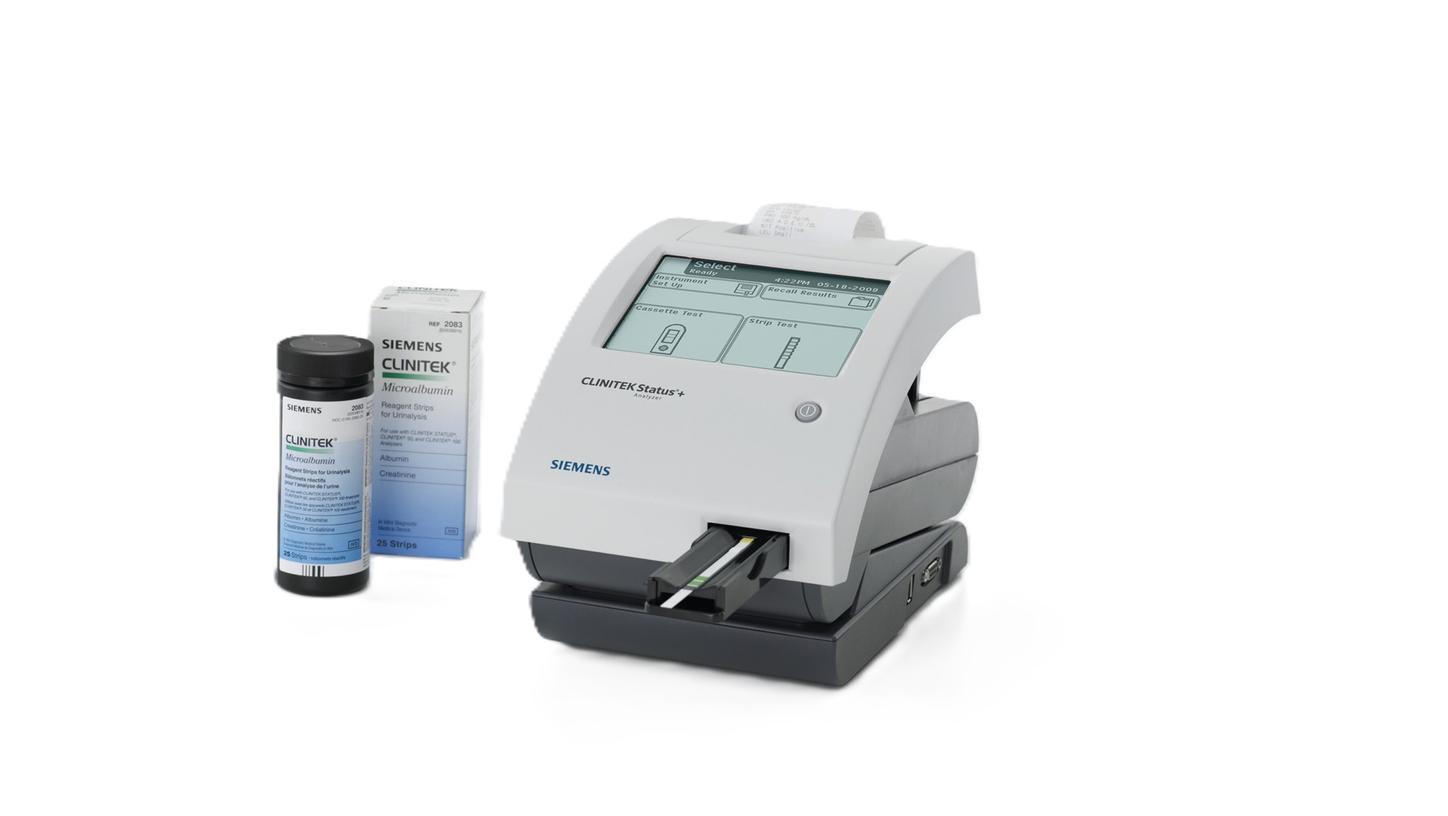
CLINITEK Microalbumin 2 Reagent StripsIn-office, clinic or hospital testing for early detection of chronic kidney damage
CLINITEK Microalbumin 2 Strips provide semi-quantitative albumin, creatinine and albumin-to-creatinine ratio results in one minute.1 The CLINITEK Microalbumin 2 test is useful to test for microalbuminuria in patients with risk factors for kidney damage. These risk factors include hypertension, obesity, heart disease, race, and age (60+ years old).2
NOTE: patients with diagnosed diabetes require a quantitative uACR and eGFR test annually to comply with the HEDIS (KED) quality measure.
The strips are run on the CLINITEK Status family of analyzers.
- Albumin, creatinine, and albumin-to-creatinine ratio results to help identify clinically relevant microalbuminuria
- Results are corrected for varying urine concentrations when used on the CLINITEK Status family of analyzers, replacing the need for 24-hour urine collection and measurement
Features & Benefits
CLINITEK Microalbumin 2 Reagent Strips make it simple and easy to test patients with diabetes. Because testing for microalbuminuria can detect kidney damage in its early stages, physicians may begin intervention earlier than might otherwise have been possible. CLINITEK Microalbumin 2 Reagent Strips permit detection of elevated albumin sooner, more sensitively and more specifically than products designed for general protein testing.3,4
The CLINITEK Microalbumin 2 Reagent Strips provide semi-quantitative results with a hard-copy report on the CLINITEK Status family of analyzers, making them ideal for point-of-care testing. Patient samples can be tested immediately during a physician, clinic or hospital visit, rather than sending them out and waiting for results. The strips are also convenient for testing random urine samples, eliminating the need to collect a timed sample.
The CLINITEK Microalbumin 2 Reagent Strips are CLIA-waived for use on the CLINITEK Status Family of Analyzers.
Assays
The microalbumin 2 test includes:
- Albumin
- Creatinine
- Albumin-to-Creatinine (A:C) ratio results (semi-quantitative)
Technical Specifications
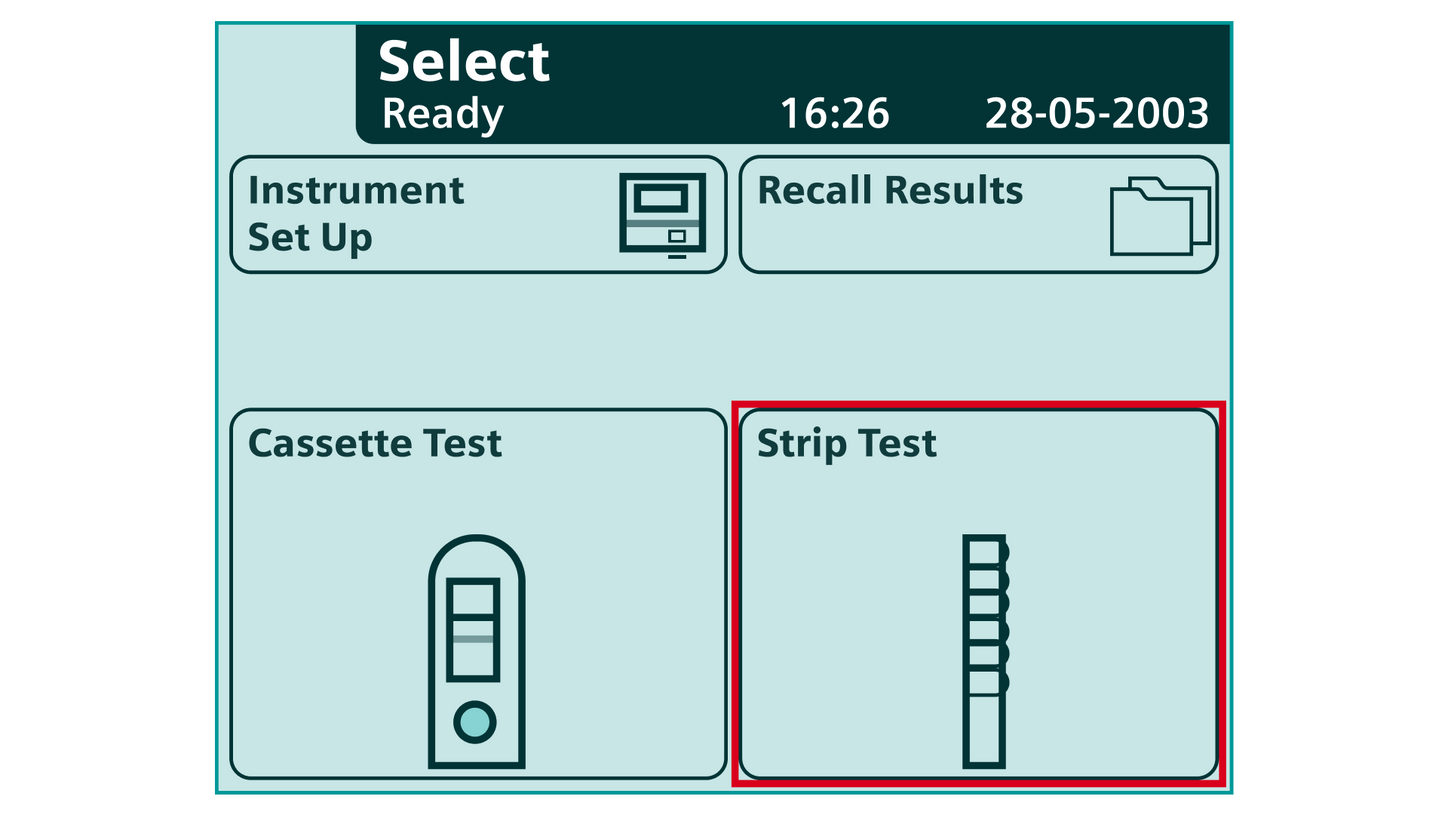
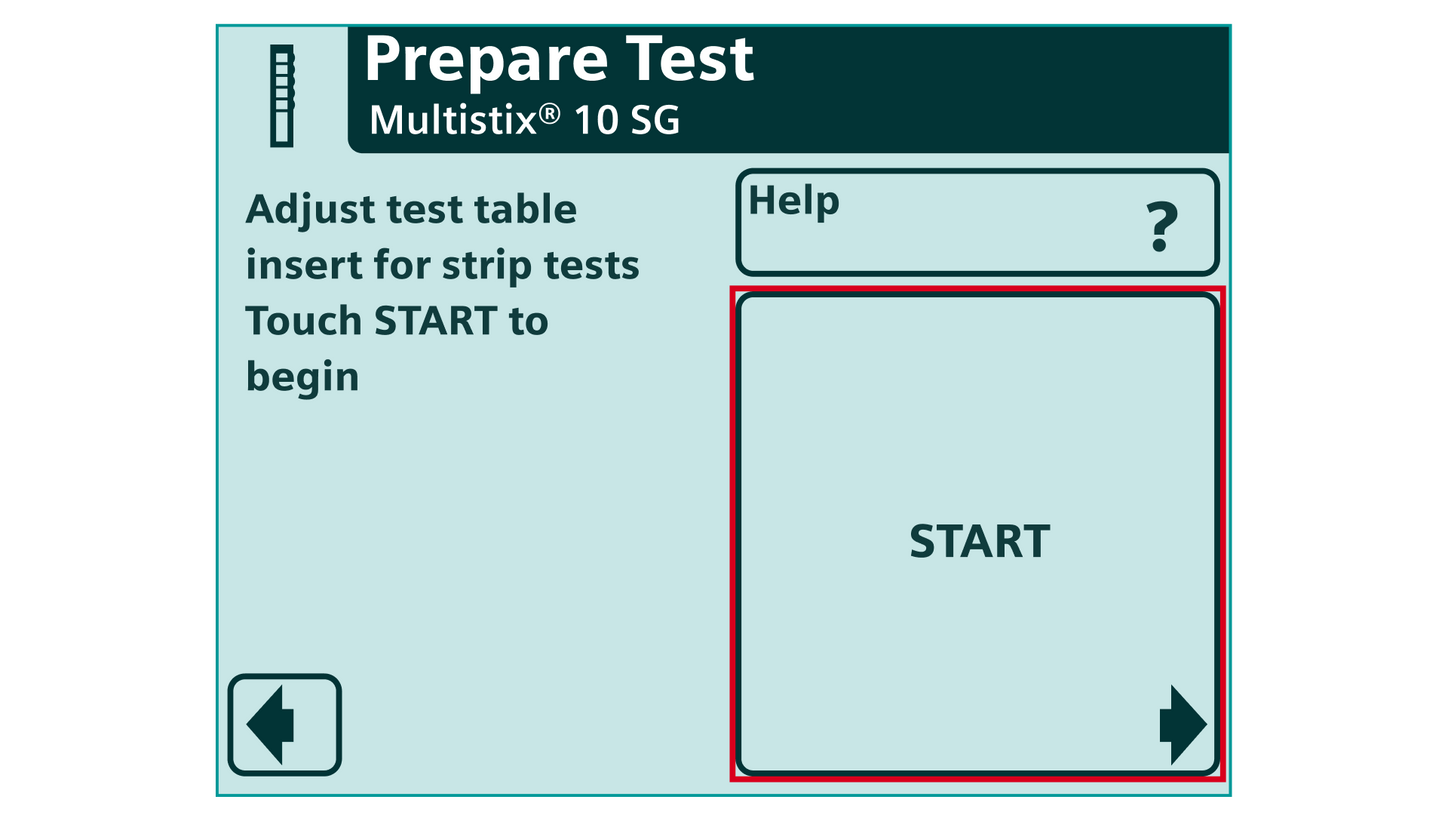
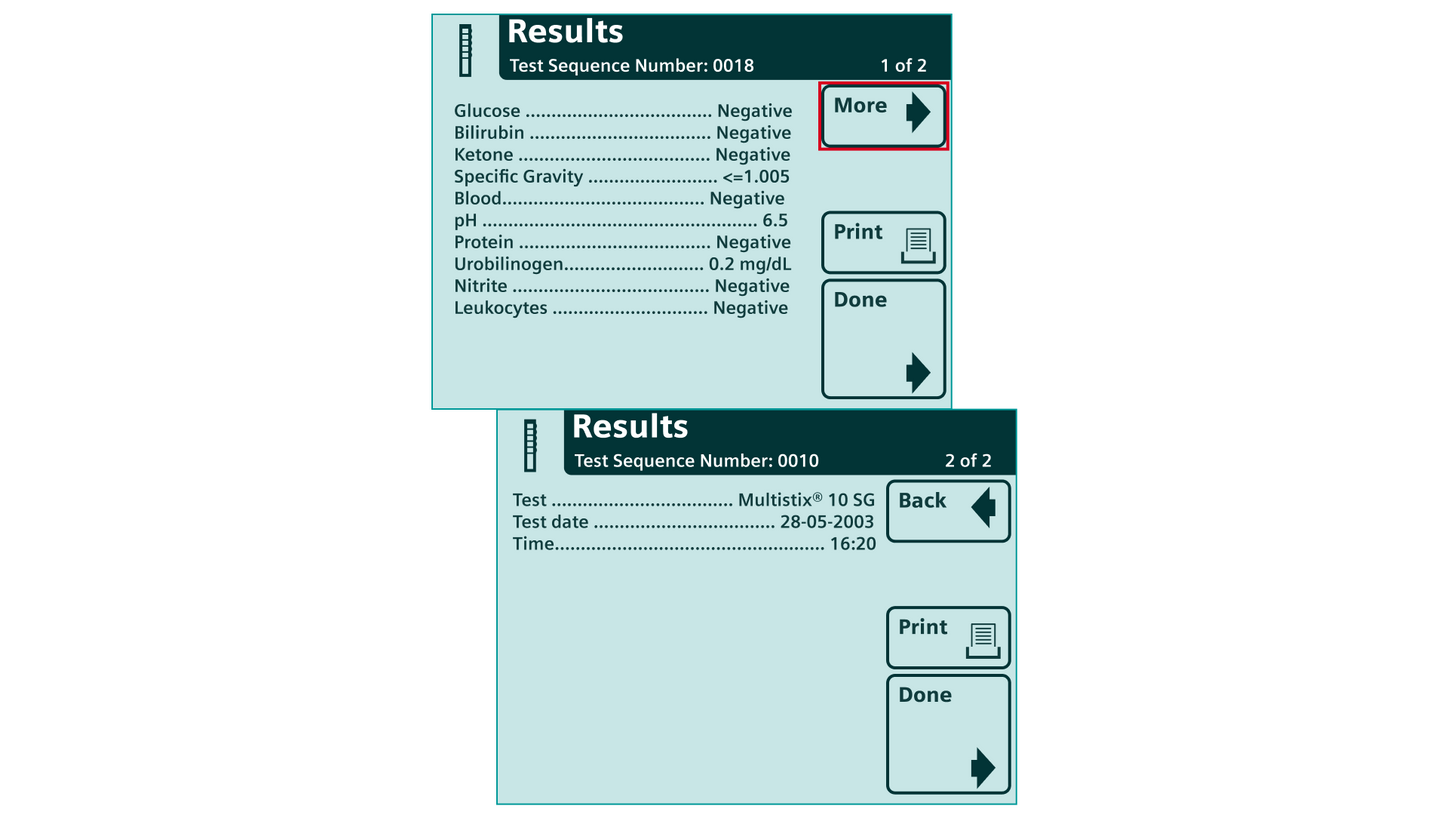
Quick Reference Guide for CLINITEK Status+ Analyzer
Getting Started




Did you know?5
Hundreds of millions of people in the U.S. are at risk for chronic kidney disease (CKD)1-8
CKD can be treated, and the earlier the treatment starts, the better.9 Early-stage chronic kidney disease is often asymptomatic, making CKD testing imperative for at-risk patients.*
- Race*: 124 million6-8
- Obesity: 121 million5
- Heart Disease: 121 million3
- High Blood Pressure: 116 million4
- Age (60+): 75 million2
- Diabetes**: 37 million2
CLINITEK Microalbumin 2 and uACR testing can fill
the care gap to help identify kidney damage!5
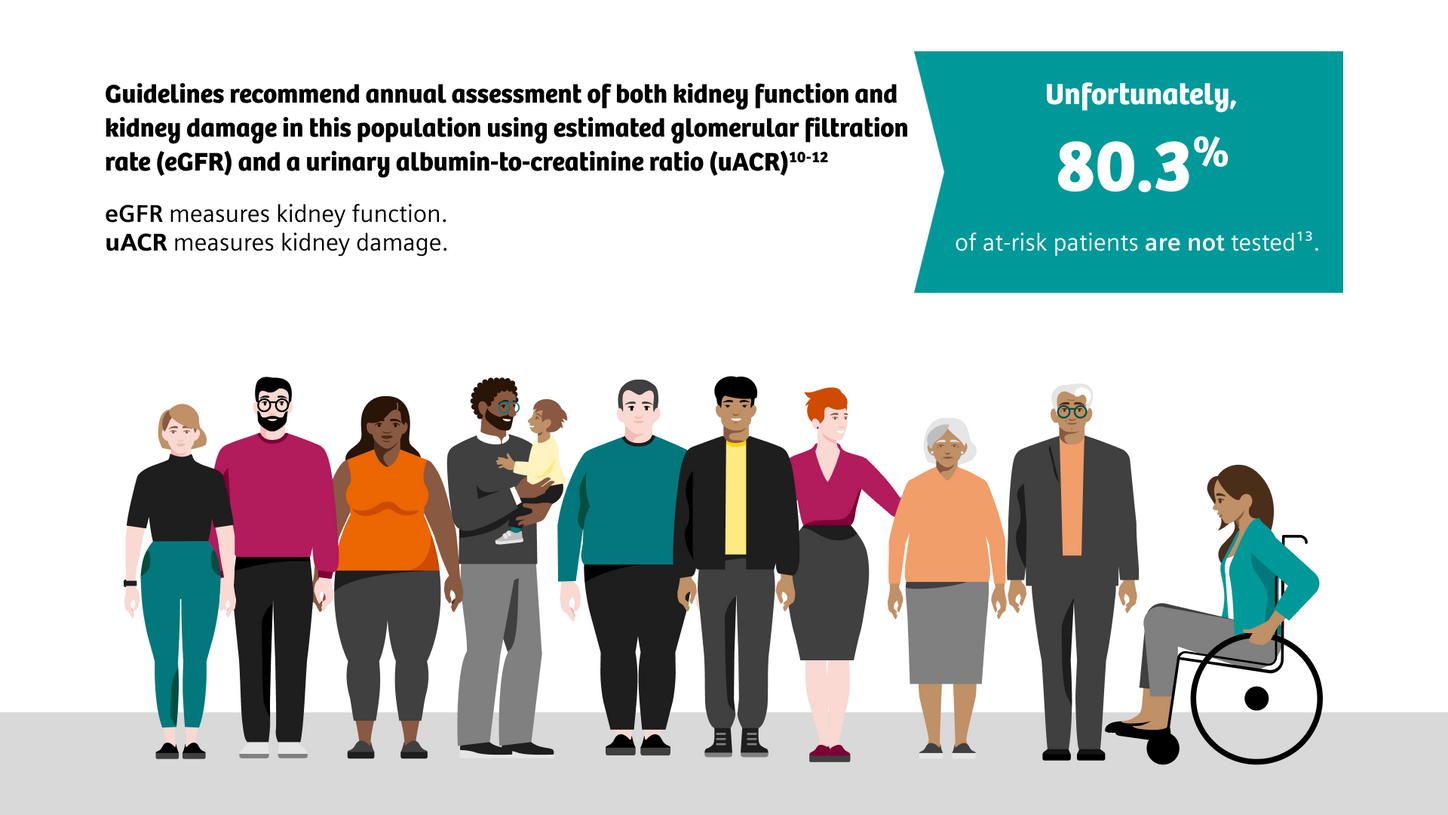

The lack of uACR testing drives the lack of complete testing for CKD! Only 21% of at-risk patients undergo uACR testing versus 89.6% for eGFR.13
