In head and neck cancers, accurate definition of targets and nearby organs at risk (OARs) is critical due to complex anatomy and the precision required by conformal treatment approaches. MRI provides enhanced soft‑tissue differentiation and supports more accurate delineation of tumors and critical structures.
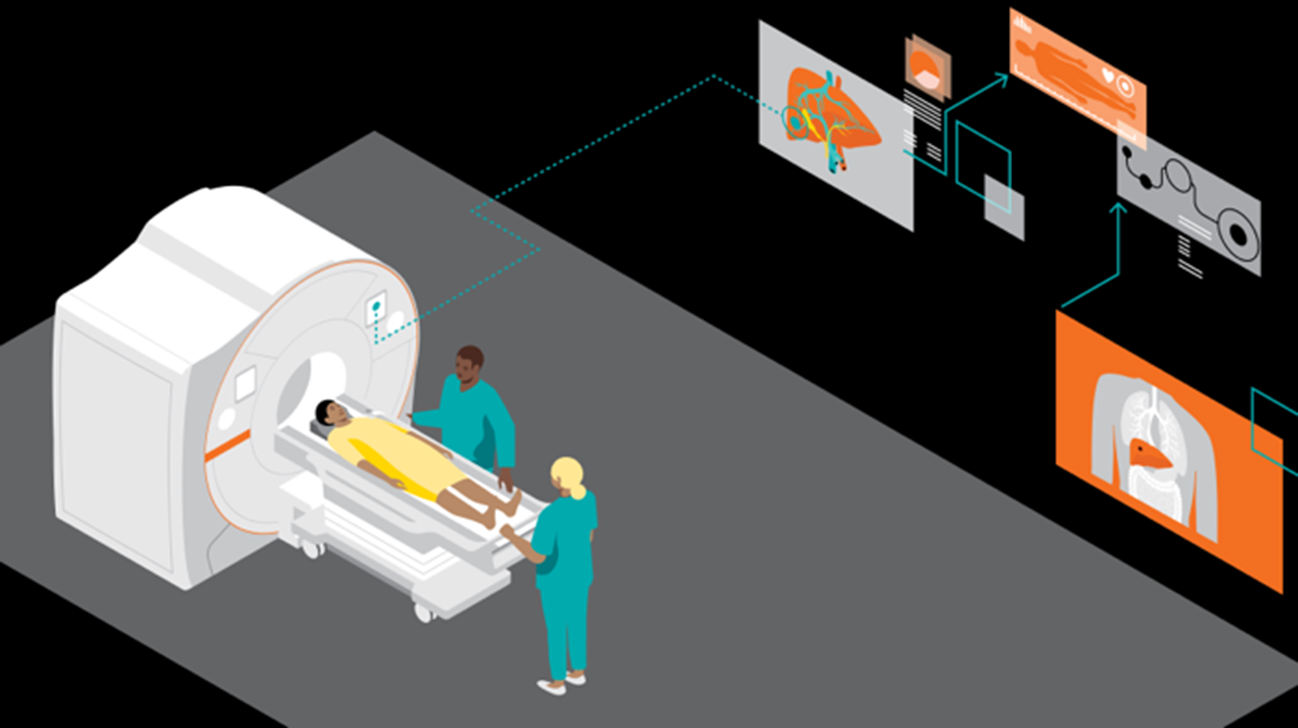
Accurate imaging is essential in liver cancer radiation therapy, where precise target definition directly impacts treatment safety and effectiveness. MRI offers superior soft‑tissue contrast and improved lesion detection, supporting more confident tumor delineation.
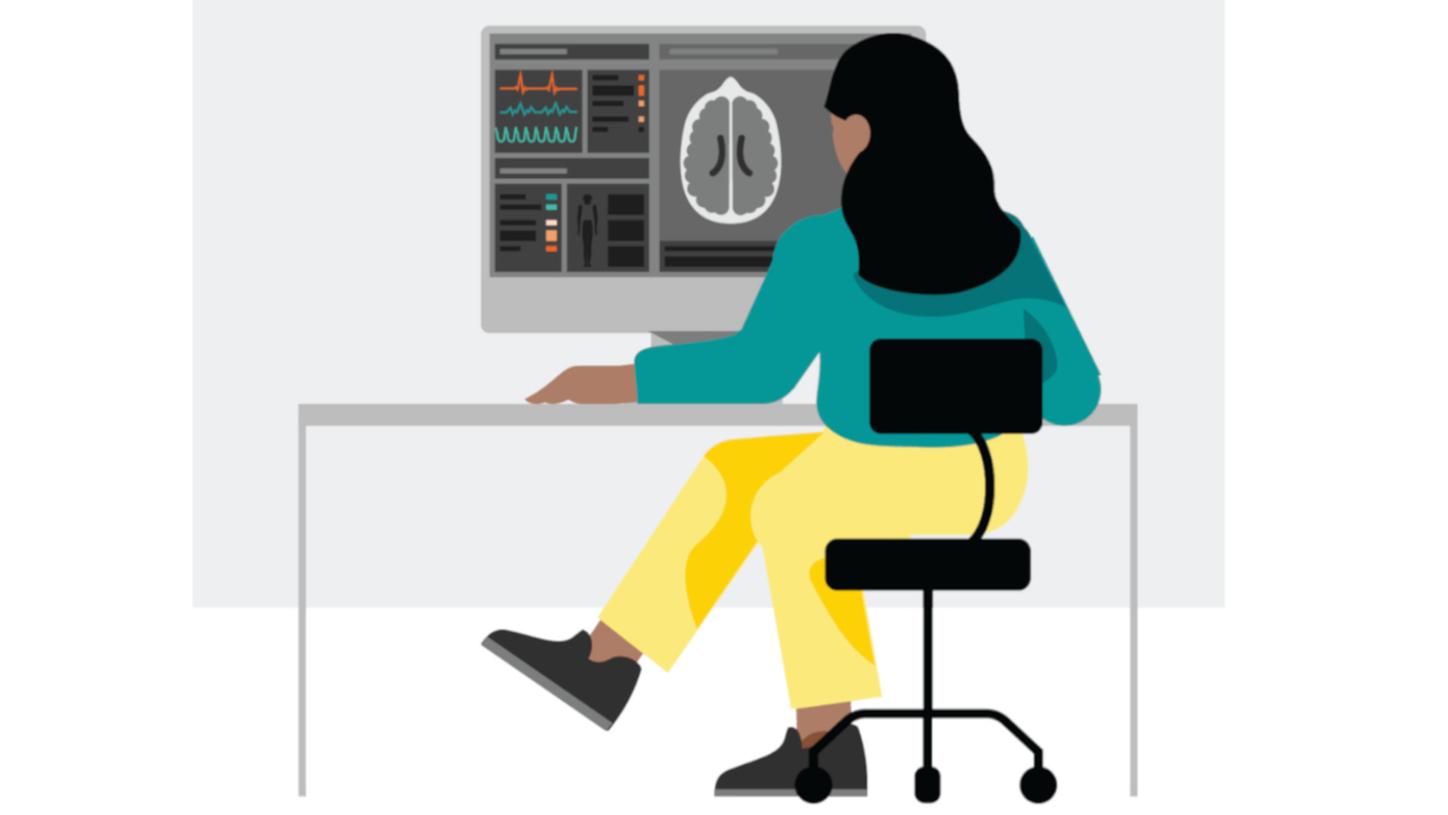
Precision is paramount in radiation therapy for brain tumors to ensure effective treatment while protecting healthy tissue. Magnetic resonance imaging (MRI) is an essential tool in treatment planning, offering exceptional soft‑tissue contrast, detailed anatomy, and functional imaging capabilities.
Prostate cancer treatment demands precision to balance effective therapy with minimal side effects. Advances in MRI for simulation and planning in radiation therapy have improved tumor visualization and support more tailored and adaptive care.
In radiation therapy simulation and planning, MRI provides superior soft‑tissue contrast and has become a gold standard for imaging prostate, brain, liver, and head and neck tumors, improving target delineation accuracy.
Both MRI and CT play essential roles in radiation therapy planning, each offering unique and complementary strengths. MRI provides distinct advantages for adaptive radiation therapy planning, particularly for tumors.