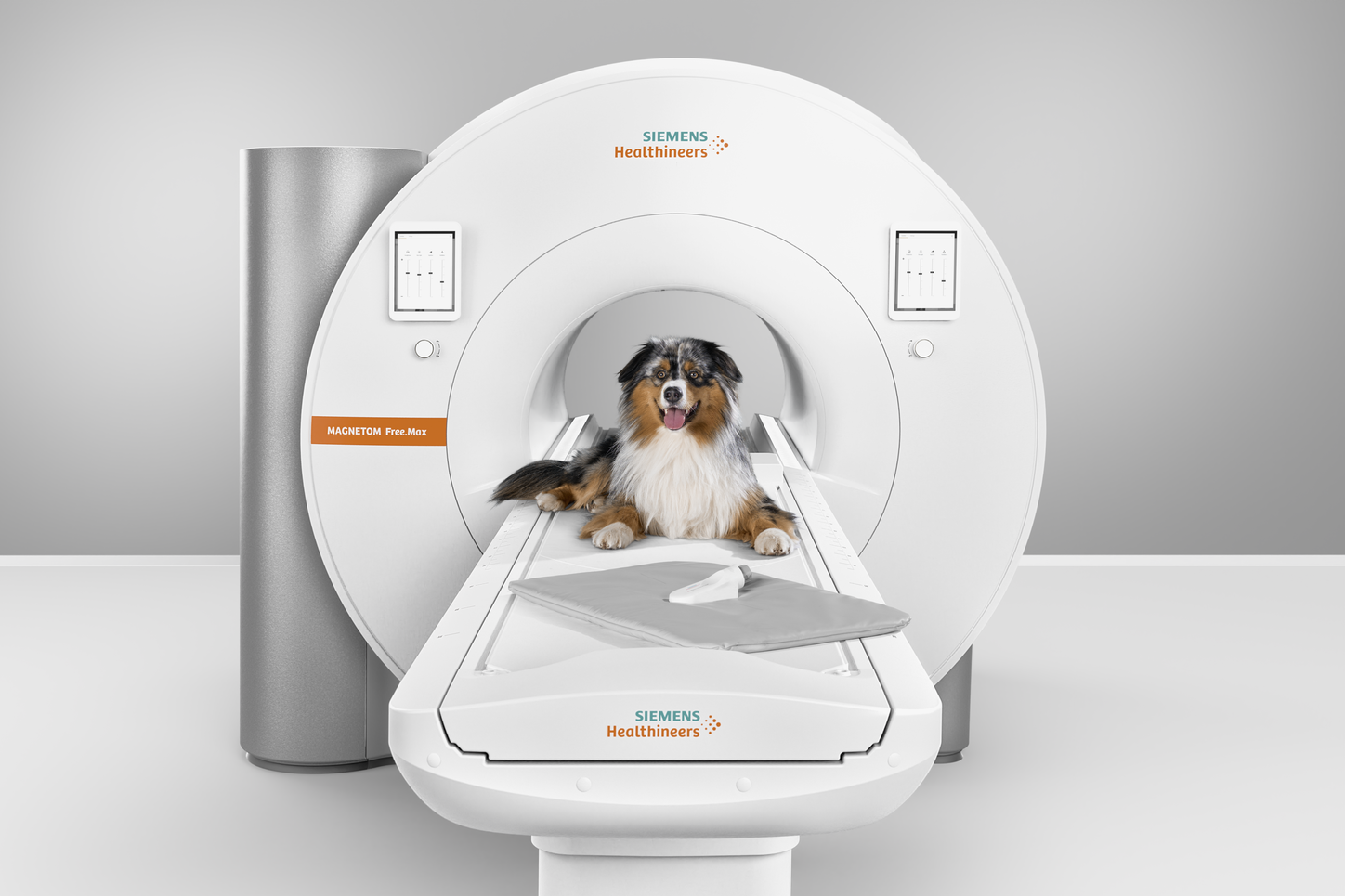
Veterinary SolutionsWith a trusted partner in Veterinary Diagnostic Imaging and Pathology solutions.
Magnetic Resonance Imaging
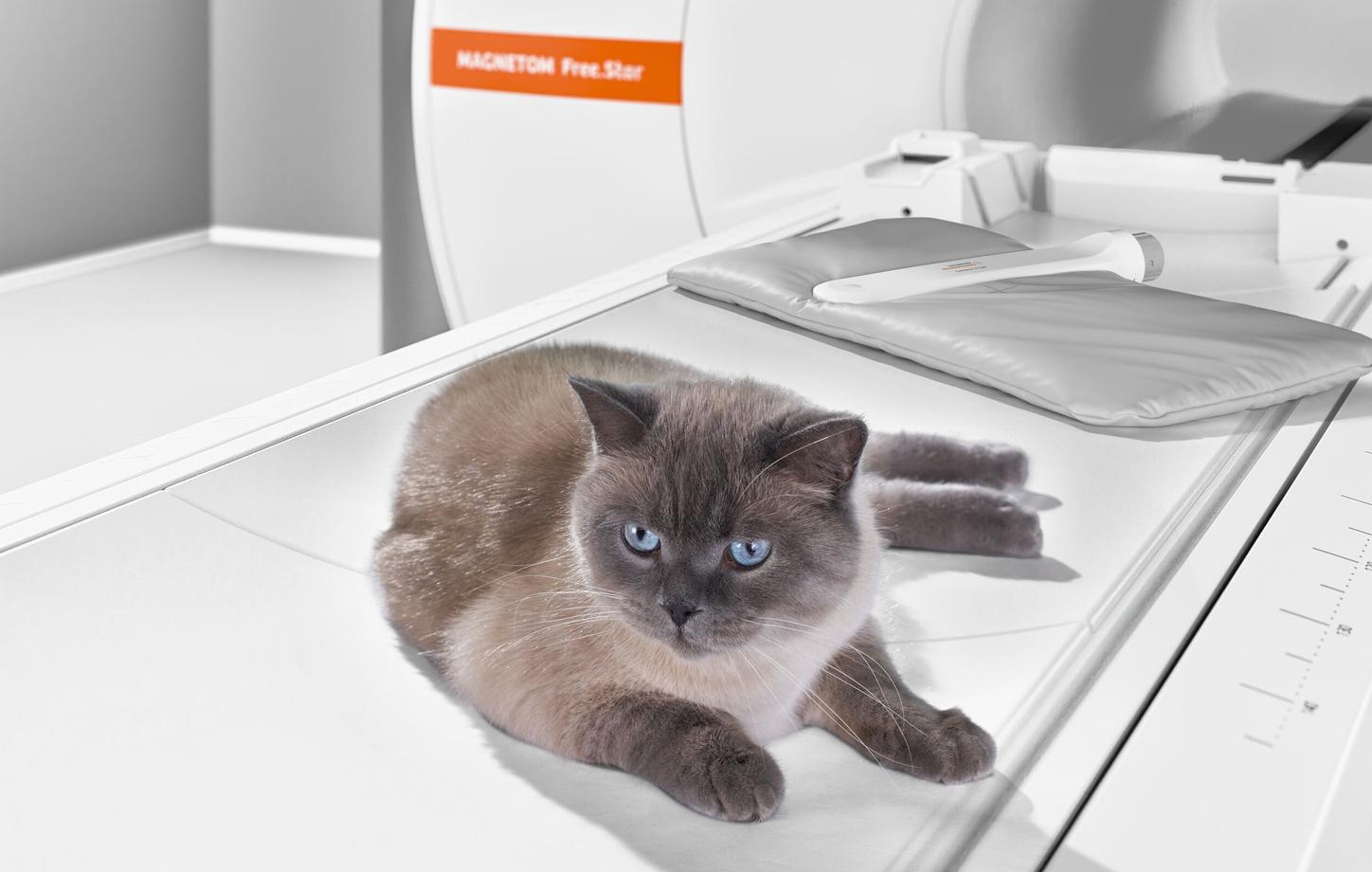
World-class magnetic resonance imaging for animal patients.
Numbers of pets worldwide are increasing. Our furry friends are more than ever part of our families and deserve to have access to high-quality care. Companion animals (dogs and cats) are commonly affected by neurological and musculoskeletal conditions, which are suited to MR imaging. Whilst principles for MRI remain the same regardless of species, scanning veterinary patients requires a mindset shift from scanning human patients.
With our MAGNETOM portfolio, we can support you provide the best care for our furry friends and extend diagnostic certainty to all family members.

Evidence

Uncovering neurological insights
Dog brain exam


Customer experience
Computed Tomography
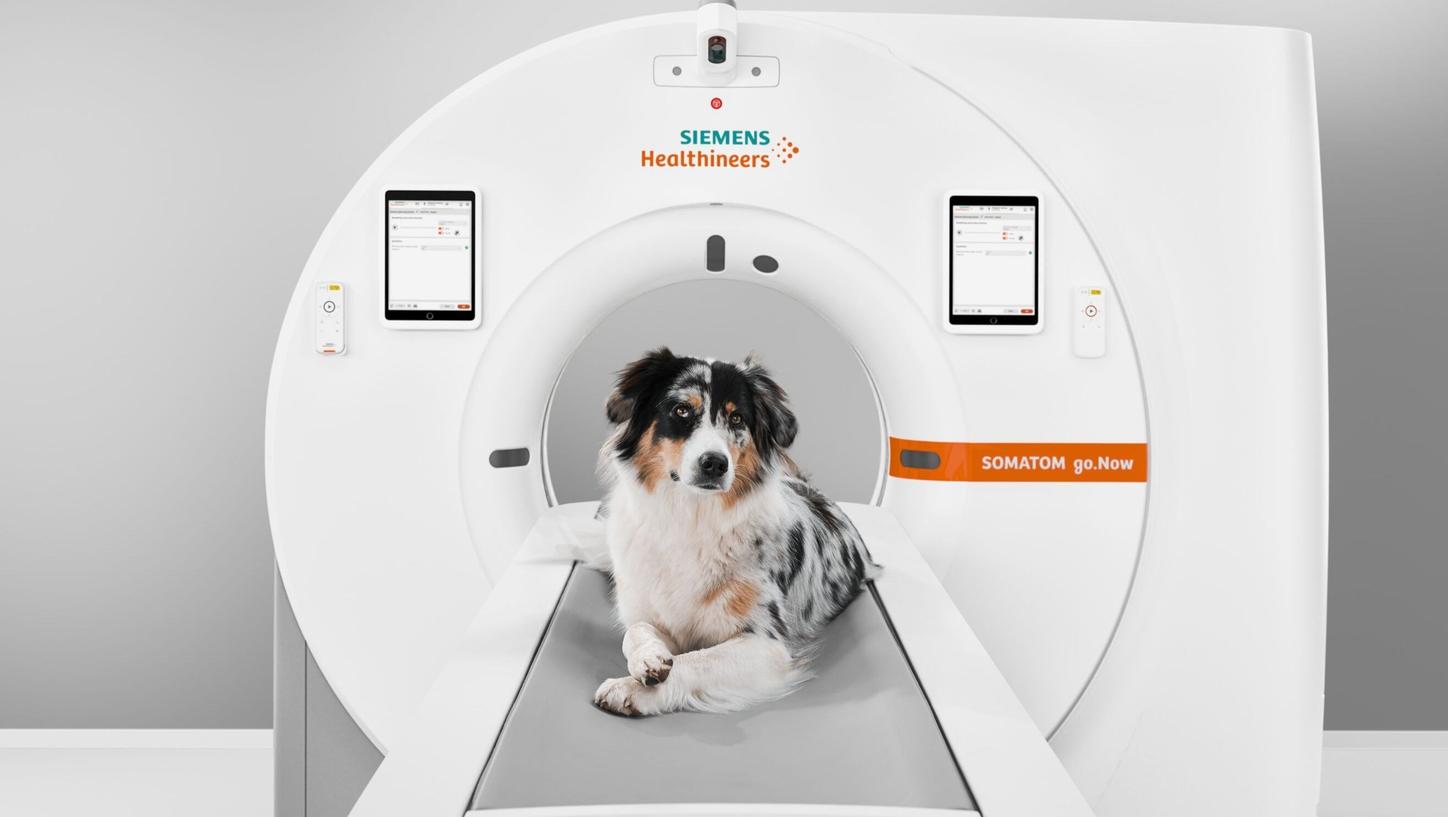
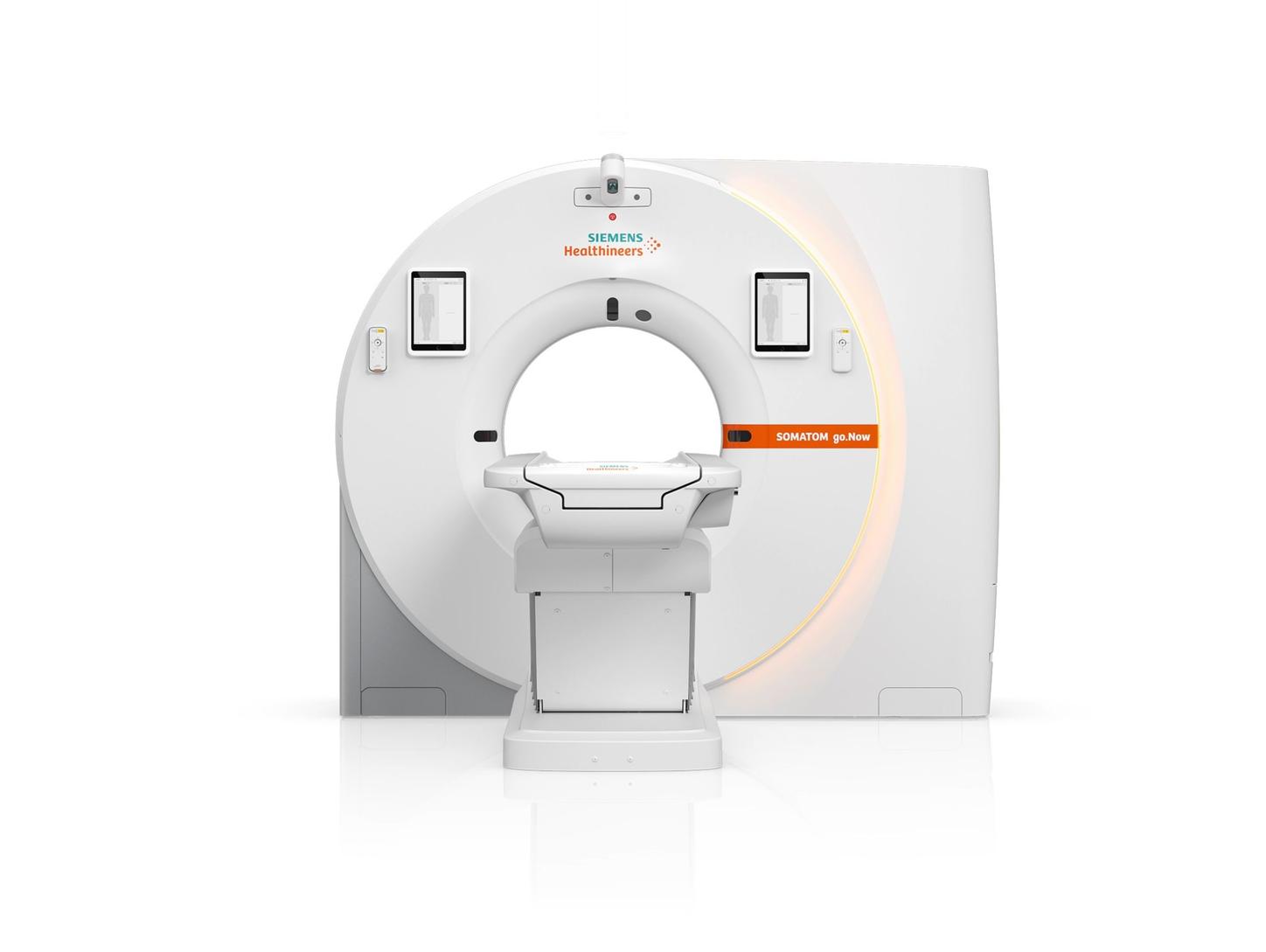
World-class computed tomography for animal patients.
With cancer remaining a leading cause of death in dogs2, timely and precise diagnosis is essential to prevent advanced disease and unnecessary suffering. Computed tomography (CT) plays a vital role in expanding diagnostic capabilities across a wide range of clinical applications. By delivering fast, high-resolution imaging with reduced radiation exposure, CT enhances clinical confidence and supports efficient, high-quality veterinary care.
Patient story
Mobile C-arm
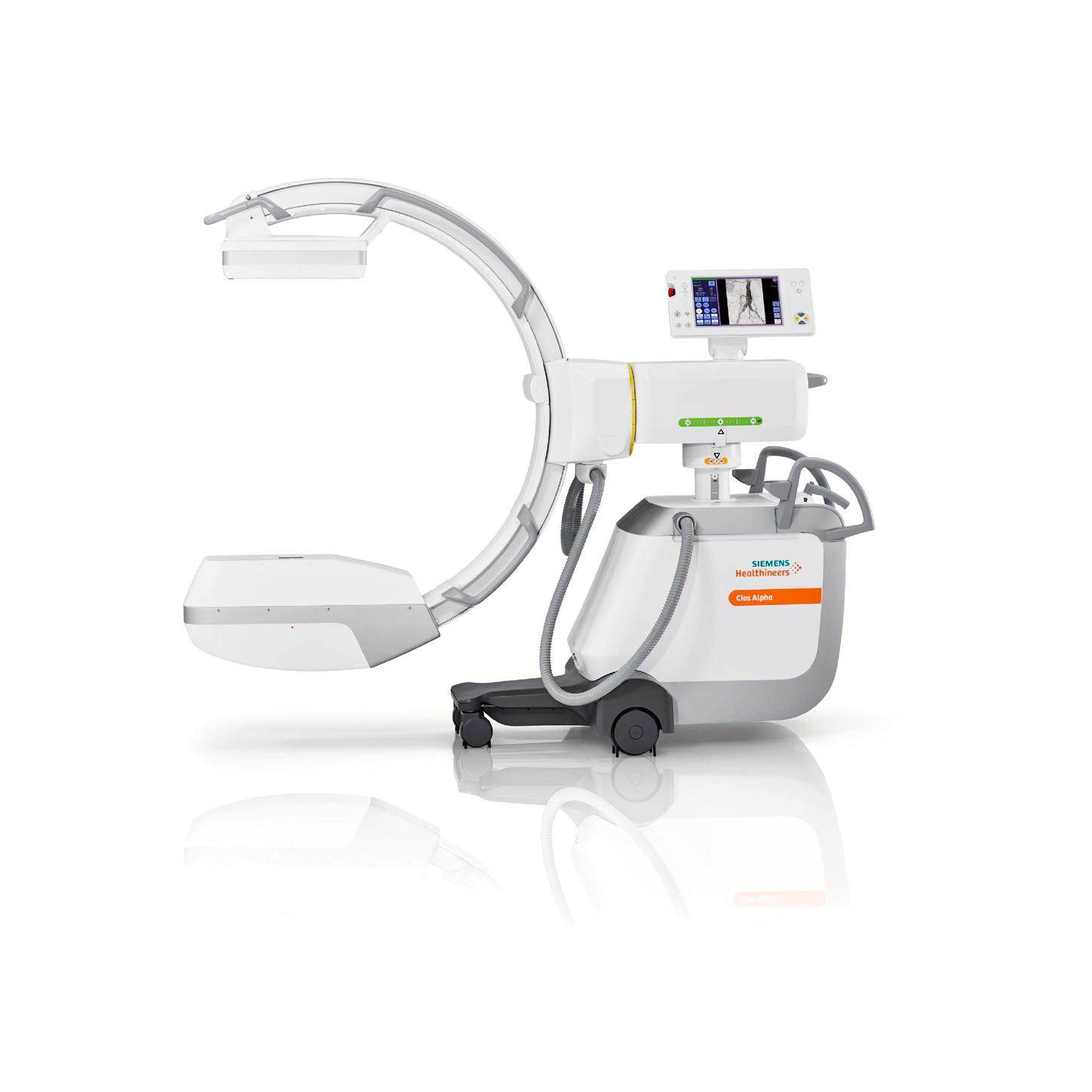
Cios Fit
A mobile C-arm for 2D intraoperative imaging
Optimize your imaging with Cios Fit, a robust, multidisciplinary mobile C-arm designed to meet the tough demands of surgical settings. It features state-of-the-art imaging technology and an intuitive touch-and-play concept. Available with the proven image intensifier (II), the advanced flat detector (FD), or the integrated display (ID), Cios Fit enables high-quality care, consistent results, and streamlined workflows.
More information

MAGNETOM World Hot Topic – Canine and feline MRI
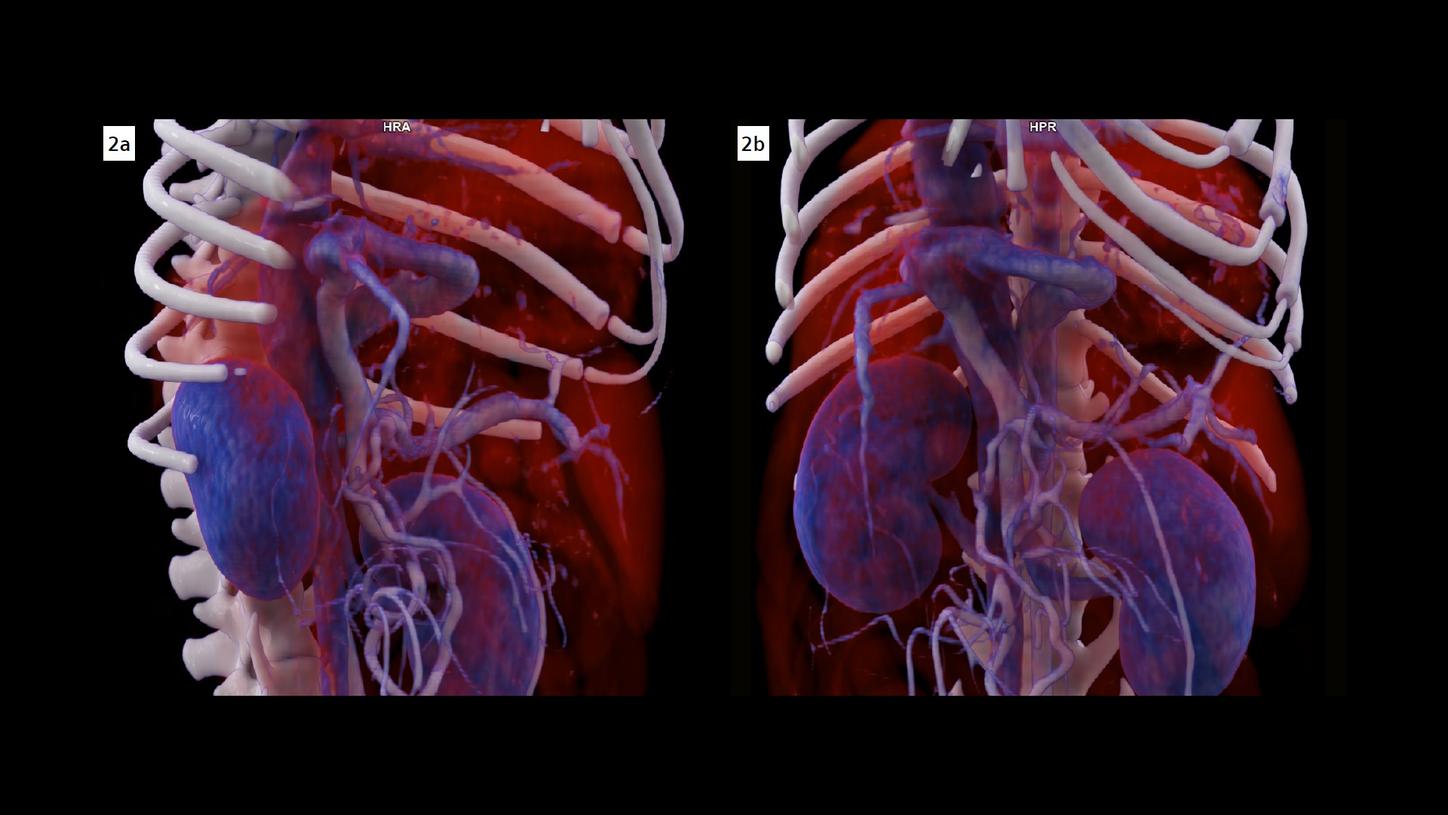
An extrahepatic portocaval shunt in a dog
An abdominal CT angiography (CTA) was requested to identify the suspected anomalous vessel of a 2-year-old dog, weighing 7.6 kg.