Learn More about ToRCH
Understanding this group of illnesses can help clinician’s counsel their patients to help prevent infection, and address fetal outcomes if infected. Patient history and risk factors guide prenatal and maternal testing for ToRCH. These tests are often performed in the first trimester of pregnancy.
In healthy individuals, Toxoplasma infection can be treated effectively if diagnosed early.
Toxoplasma gondii (T. gondii) is an intracellular parasitic protozoan that is a parasite of birds and mammals, with cats being the primary host. Infection is typically spread by eating raw or undercooked meat containing cysts or by coming in contact with oocyst-infected cat feces. Climate, dietary customs, and presence of cats influence the prevalence of T. gondii, which can vary considerably by geographical location and age.1
Toxoplasma IgG and IgM Assay benefits
- Detect Toxoplasma IgG and IgM antibodies on a single automated system.
- Consolidate ToRCH and routine assay testing on one system to improve lab productivity.
- Automate manual ToRCH testing to reduce hands-on labor and increase efficiency.
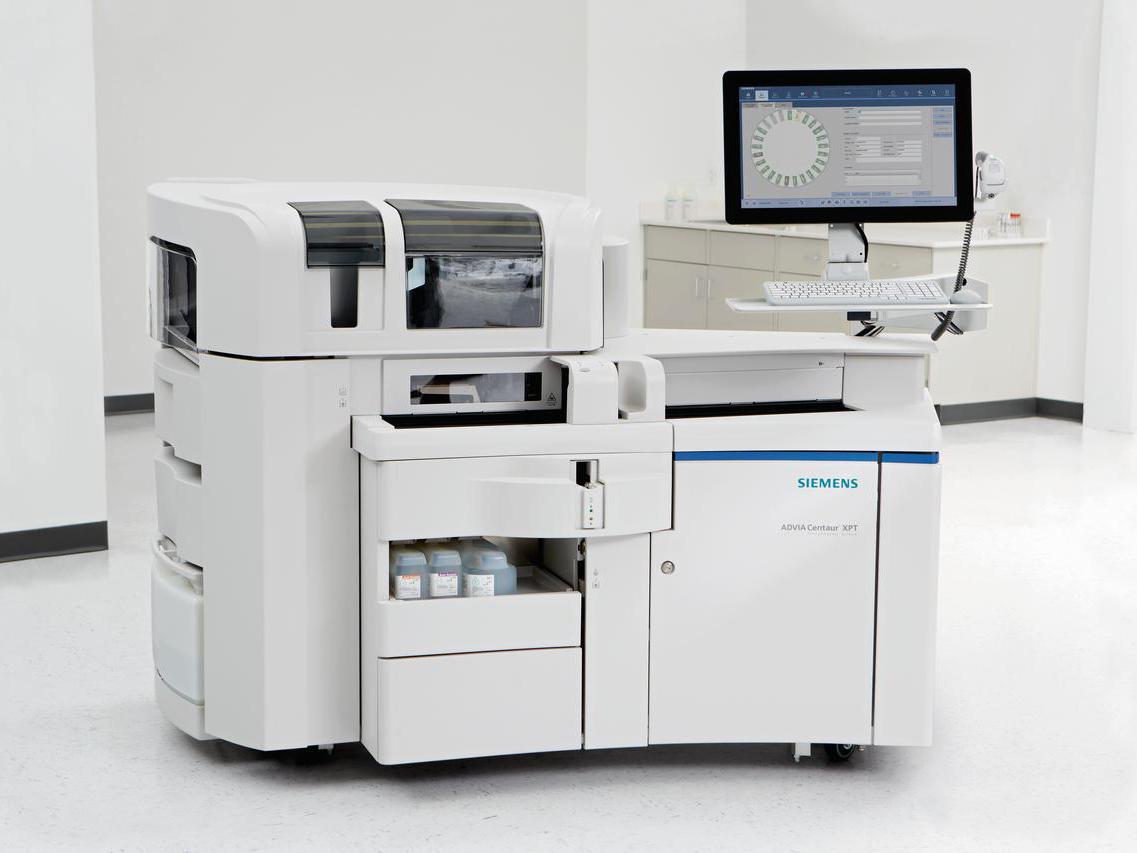
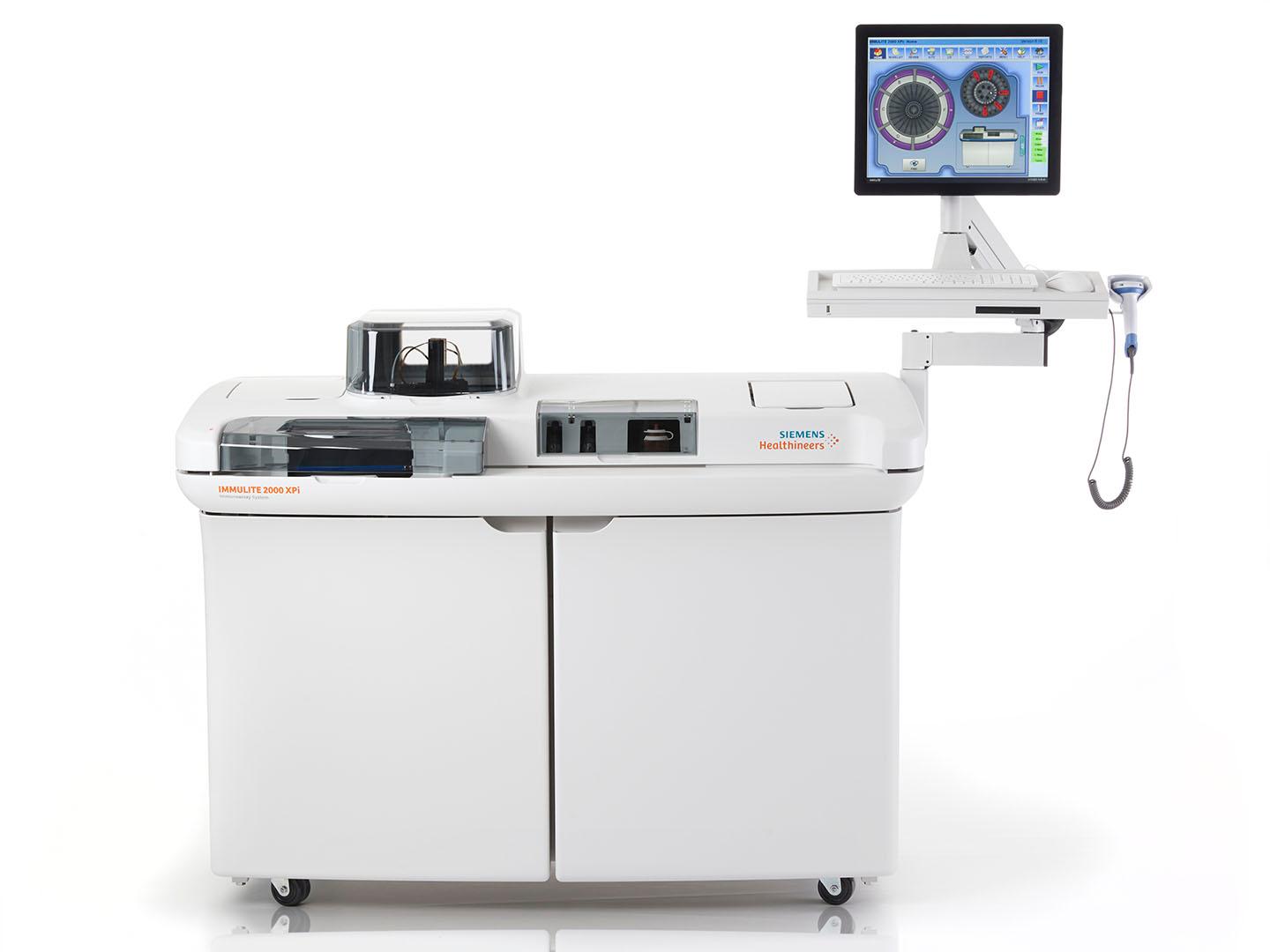
Toxoplasma IgG and IgM assays are available on the Atellica® CI Analyzer, Atellica® IM Analyzer, ADVIA Centaur® XP/XPT Immunoassay Systems and IMMULITE® Immunoassay Systems.

Other infections can include illnesses such as HIV.
The “O” in the acronym ToRCH is for “Other,” which includes infectious diseases that are vertically transmitted and can cause damage to the developing fetus.

Rubella infection during pregnancy can be dangerous for a developing baby and can cause congenital Rubella syndrome.
Rubella is a member of the togaviridae family. Primary infections are generally mild, with non-specific symptoms such as a mild rash, low-grade fever, and lymphadenopathy. In contrast, primary infections during pregnancy can pass transplacentally to the fetus and can lead to fetal death or congenital Rubella syndrome. The risk of fetal infection is greatest during the first trimester of pregnancy. Babies born with congenital Rubella syndrome may exhibit low birth weight, deafness, eye disease, mental retardation, and cardiac abnormalities.1
Rubella IgG and IgM Assay benefits
- Detect Rubella IgG and IgM antibodies with good sensitivity and specificity on an automated system.
- Consolidate ToRCH and routine assay testing on one system to improve lab productivity.
- Automate manual ToRCH testing to reduce hands-on labor and increase efficiency.
Rubella IgG and IgM assays are available on the Atellica® CI Analyzer, Atellica® IM Analyzer, ADVIA Centaur® XP/XPT Immunoassay Systems and IMMULITE® Immunoassay Systems.

Cytomegalovirus (CMV) is a member of the herpes-virus family and can be found in approximately 40–100% of the world's population. Most CMV infections are asymptomatic, but can cause serious health problems when passed congenitally, and with immunocompromised individuals (e.g. HIV-infected persons, organ transplant recipients).
Effective management of CMV infection in pediatric and adult patients is achieved by establishing the stage of CMV infection through accurate monitoring of humoral response.
The Siemens Healthineers CMV IgG and IgM† assays available on the Atellica® CI Analyzer, Atellica® IM Analyzer and the ADVIA Centaur® XP/XPT Immunoassay Systems offer an aid in the diagnosis of recent or current CMV infection in individuals for whom a CMV test was ordered.
Benefits of the Siemens Healthineers CMV IgG and IgM Assays
- Produce faster results and reduce costs by reducing repeat testing with no equivocal zone.
Achieve accuracy when determining patient serological status with high sensitivity and specificity.
- Reach a broader patient population at risk for CMV, for both adult and pediatric populations.

Type-specific diagnosis can guide duration and dosage of antiviral therapy.
Herpes simplex virus (HSV) causes acute and recurrent infections, which are often subclinical.2 However, it may cause generalized and fatal infection in newborns and immunocompromised people. Two types of HSV are serologically distinguishable: herpes simplex virus type 1 (HSV-1) and herpes simplex virus type 2 (HSV-2).3
HSV1 and HSV2 Assay benefits
- Achieve accurate test results with HSV-1 or HSV-2 specific IgG antibodies with recombinant type-specific glycoproteins.
- Produce faster results and decrease costs by reducing repeat testing with no equivocal zone.
- Increase lab efficiency by utilizing an automated assay that requires less hands-on labor.
HSV1 and HSV2 assays are available on the Atellica® CI Analyzer, Atellica® IM Analyzer and the ADVIA Centaur® XP/XPT Immunoassay Systems.
The Herpes I & II IgG combined assay is available on IMMULITE® Systems.

Untreated Syphilis cases may result in serious complications, and can cause life-threatening damage to a fetus if vertically transmitted during pregnancy.
Syphilis can be considered part of the ToRCH panel (falling under the “Other” category). Syphilis is a sexually transmitted disease that can cause serious health problems if left untreated. Syphilis is divided into stages—primary, secondary, latent, and tertiary—with different signs, symptoms, and diagnostic features.8
The U.S. Preventive Services Task Force recommends that the following groups be tested for syphilis:
- All pregnant women should be tested at their first prenatal visit. For high-risk women, many organizations recommend repeat serologic testing in the third trimester and at delivery.
- Individuals who participate in high-risk activities, such as commercial sex workers, persons who exchange sex for drugs, those with other sexually transmitted diseases (including HIV), and contacts of persons with active Syphilis, should be tested.
The Siemens Healthineers Syphilis assay offers good assay performance
- Receive results quickly with a treponemal antibody test that has good precision and good agreement with a comparative automated Syphilis assay.
- Detect true positives with good sensitivity and reduce false positives with good specificity.
- Consolidate Syphilis testing with other high-volume ID, ToRCH, and routine assays on one system to improve lab productivity.
The Syphilis assay is available on the Atellica® CI Analyzer, Atellica® IM Analyzer, ADVIA Centaur® Immunoassay Systems and IMMULITE® Immunoassay Systems.

EBV is the classic cause of infectious mononucleosis (IM) and is generally acquired by oral transmission of infected saliva.
Epstein-Barr virus (EBV) is a member of the herpes-virus family and a worldwide infectious agent that is the classic cause of infectious mononucleosis (IM).4 IM is often diagnosed based on the presentation of characteristic symptoms of sore throat, lymphadenopathy, and fever, along with a positive heterophile antibody test and a characteristic hematological picture of lymphocytosis (>50%) with 10% or more of the lymphocytes identified as atypical.5
EBV is generally acquired by oral transmission of infected saliva. Following multiplication in epithelial cells of the oropharynx, the virus selectively infects B lymphocytes in the peripheral blood and other reticuloendothelial tissues. EBV has been intimately associated with several human tumors, including African Burkitt lymphoma, nasopharyngeal carcinoma, Hodgkin's disease, and B-cell lymphomas and leiomyosarcomas in organ transplant recipients and patients with immunodeficiency disorders.6
Siemens Healthineers offers the following EBV panel on the IMMULITE® 2000 and IMMULITE® 2000 XPi systems.*†
- Epstein-Barr Virus (EBV) VCA IgG Assay
- Epstein-Barr Virus (EBV) VCA IgM Assay
- Epstein-Barr Virus (EBV) EBNA IgG Assay
Approximately two-thirds of the world’s population is infected with H. pylori, which can be treated with appropriate antibiotic regimens.
Helicobacter pylori (H. pylori) is a gram-negative bacteria that causes more than 90% of duodenal ulcers and up to 80% of gastric ulcers. Most individuals infected with H. pylori are asymptomatic. However, H. pylori is associated with gastritis and duodenal and gastric ulcers. Infected persons have an increased risk of developing gastric cancer and mucosa-associated lymphoid type (MALT) lymphoma compared to the non-infected. Appropriate antibiotic regimens can eradicate the infection in most patients, with complete resolution of inflammation and a minimal chance of ulcer recurrence.7
There are multiple laboratory methods to detect H. pylori infection, including the H. pylori fecal antigen test, carbon-13 urea breath test, antibiogram, and H. pylori serology.
Siemens Healthineers offers an H. pylori IgG assay on IMMULITE® systems.