- Home
- Photon-counting CT Talks, Pilsen 2025
Photon-counting CT TalksFIVE YEARS OF CLINICAL IMAGING
Charles University, Faculty of Medicine in Pilsen

Program
Day 1, Thu June 5th | ||
from 8:10 | Shuttle Departures from Hotels to the Faculty of Charles University in Pilsen for workshops | |
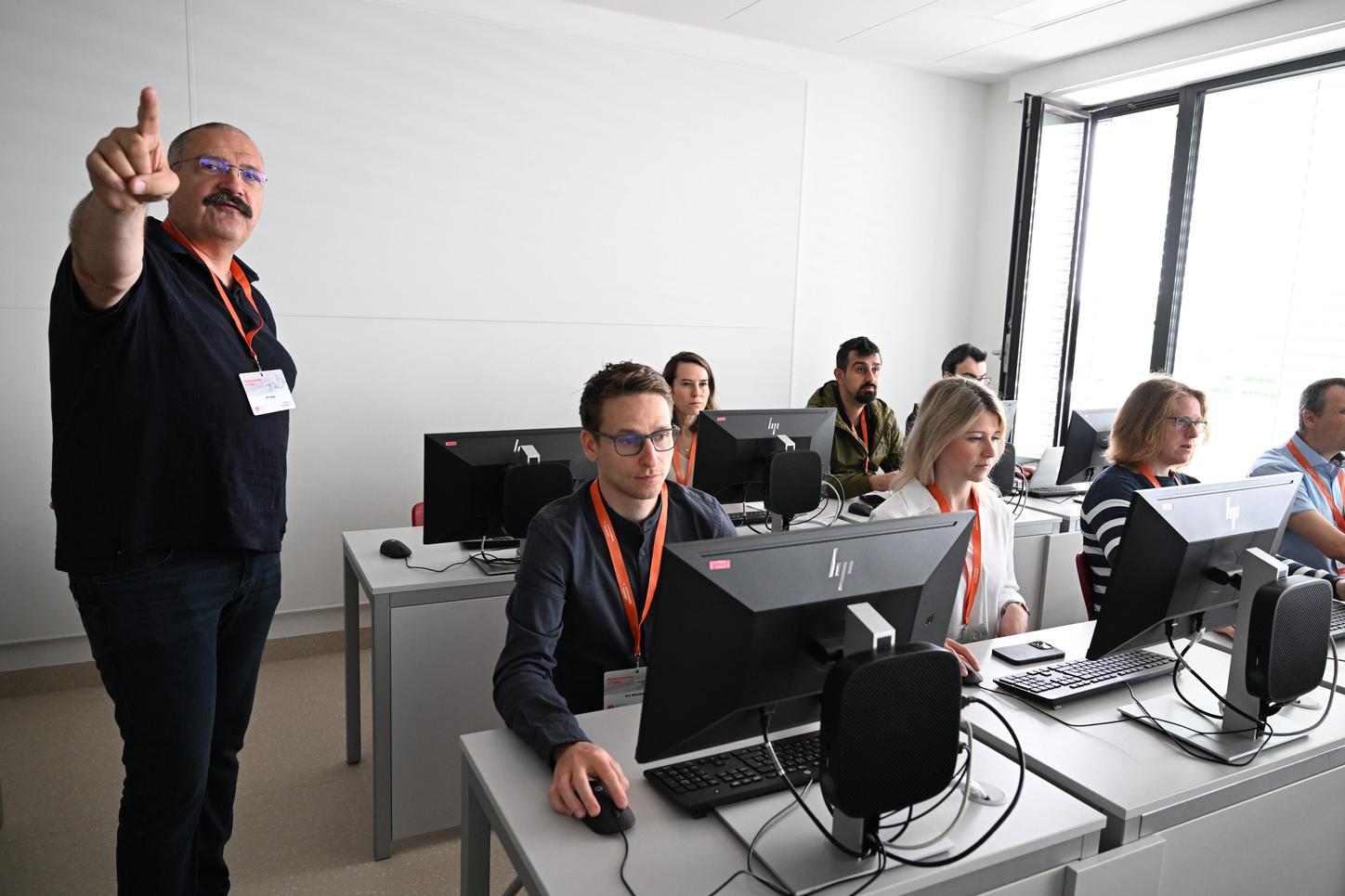
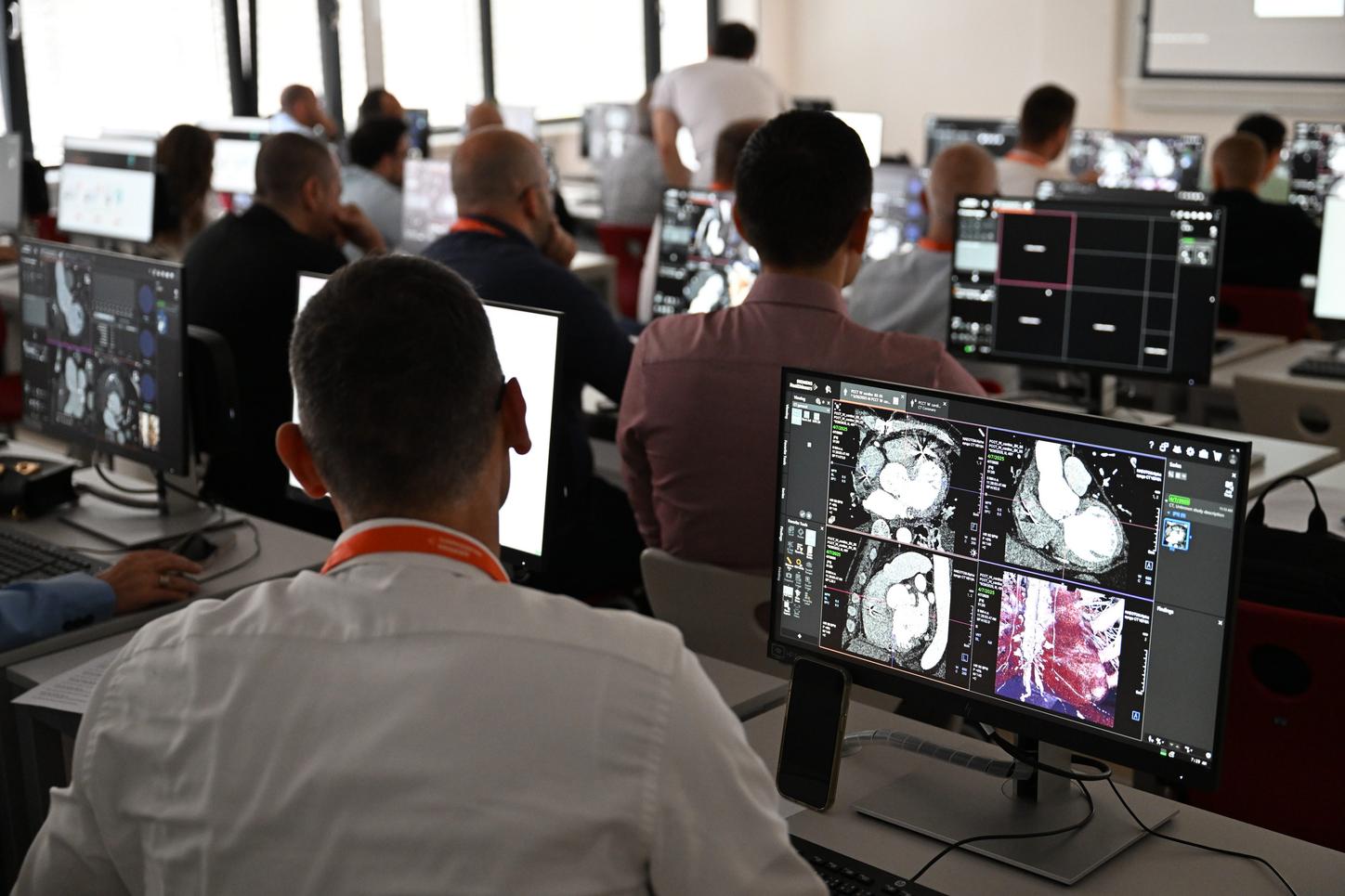
9:00–12:00 | Syngo.via simulator workshop I. | |
11:00 | Shuttle Departures from Hotels to the Faculty of Charles University in Pilsen | |
12:00–13:00 | Lunch | |
13:00–13:30 | Welcome address | J. Ferda, Ph. Fischer, B. Ohnesorge |
13:30–15:00 | Five years of clinical imaging with PCCT | |
20 min. | From physics to imaging | T. Flohr, Erlangen, Maastricht |
20 min. | Technology deep dive and future perspectives | B. Schmidt, Forchheim |
20 min. | Five years of photon-counting CT in clinical imaging | J. Ferda, Pilsen |
20 min. | Discussion | |
15:00–15:30 | Coffee break | |
15:30–16:45 | PCCT imaging strategies | |
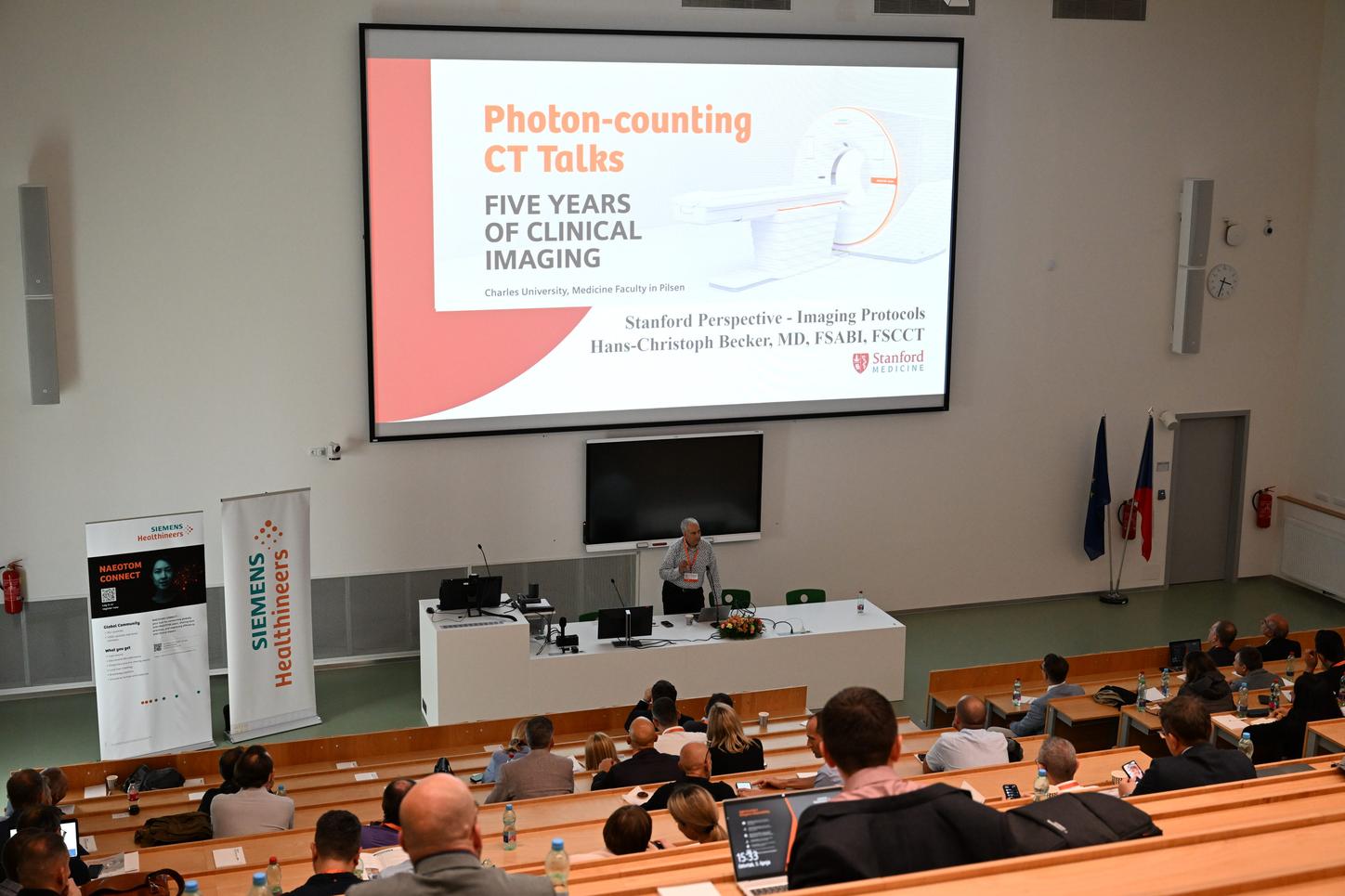
20 min. | Stanford perspective - imaging protocols | Ch. Becker, Stanford |
20 min. | Tübinigen perspective - oncology imaging | A. S. Brendlin, Tübingen |
20 min. | Maastricht perspective - contrast material application | J. Wildberger, Maastricht |
20 min. | Surgeon's experience - pancreatic surgery planning with PCCT | J. Moláček, Pilsen |
16:45–18:00 | PCCT special focus in Pilsen | |
20 min. | Stroke imaging | F. Heidenreich, Pilsen |
20 min. | Children imaging | J. Ferda, Pilsen |
20 min. | Lung carcinoma screening | H. Mírka, Pilsen |
20 min. | Discussion | |
18:00 | Transfer to dinner location | |
19:00 | Dinner at Pilsner Urquell Brewery | |
Day 2, Fri June 6th | ||
from 8:10 | Shuttle Departures from Hotels to the Faculty of Charles University in Pilsen | |
9:00–10:30 | PCCT in cardiovascular imaging - ultra HD or spectral? | |
20 min. | Coronary arteries and myocardium - Zürich perspective | H. Alkadhi, Zürich |
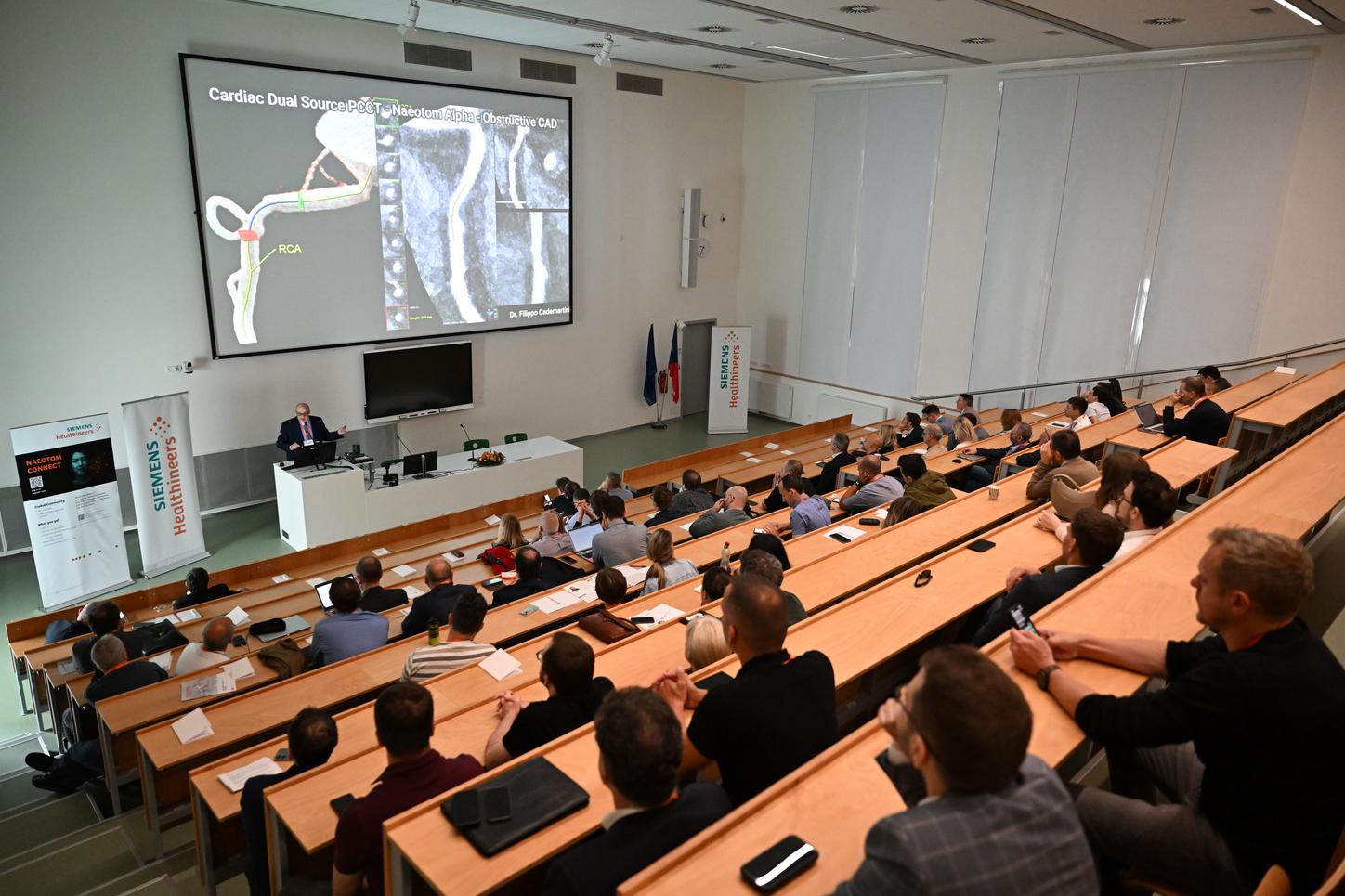
20 min. | Coronary arteries and myocardium - Napoli Perspective | F. Cademartiri, Napoli |
20 min. | Coronary arteries and myocardium - Pilsen Perspective | J. Baxa, Pilsen |
30 min. | Discussion | |
10:30–11:00 | Coffee break | |
11:00–12:45 | PCCT - AI, radiomics and informatics infrastructure | |
20 min. | Radiomics and PCCT | M. Frölich, Mannheim |
20 min. | AI in cardiac imaging with PCCT | J. Schoepf, Charleston |
20 min. | IT infrastructure perspective | Th. Kurmann, Vienna |
30 min. | Discussion | |
12:45 | Closing remarks | J. Ferda, Ph. Fischer, B. Ohnesorge |
13:00–14:00 | Lunch | |
14:10 | Airport shuttle (direction Prague) |
Recordings of the Talks
Day 1
Whether you’d like to revisit the key insights or catch up on sessions you missed, full recordings of the talks are available below.
1/9
Lung carcinoma screening - H. Mírka
From physics to imaging - T. Flohr
From physics to imaging - T. Flohr
Technology deep dive and future perspectives - B. Schmidt
Technology deep dive and future perspectives - B. Schmidt
Five years of photon-counting CT in clinical imaging - J. Ferda
Five years of photon-counting CT in clinical imaging - J. Ferda
Stanford perspective - imaging protocols - Ch. Becker
Stanford perspective - imaging protocols - Ch. Becker
Tübinigen perspective - oncology imaging - A.S. Brendlin
Maastricht perspective - contrast material application - J. Wildberger
Surgeon's experience - pancreatic surgery planning with PCCT - J. Moláček
Stroke imaging - F. Heidenreich
Lung carcinoma screening - H. Mírka
From physics to imaging - T. Flohr
From physics to imaging - T. Flohr
Technology deep dive and future perspectives - B. Schmidt
Technology deep dive and future perspectives - B. Schmidt
Five years of photon-counting CT in clinical imaging - J. Ferda
Five years of photon-counting CT in clinical imaging - J. Ferda
Stanford perspective - imaging protocols - Ch. Becker
Stanford perspective - imaging protocols - Ch. Becker
Tübinigen perspective - oncology imaging - A.S. Brendlin
Maastricht perspective - contrast material application - J. Wildberger
Surgeon's experience - pancreatic surgery planning with PCCT - J. Moláček
Stroke imaging - F. Heidenreich
Lung carcinoma screening - H. Mírka
1/9
Day 2
Whether you’d like to revisit the key insights or catch up on sessions you missed, full recordings of the talks are available below.
1/5
Daily Routine - J. Ferda
Coronary arteries and myocardium - Zürich perspective - H. Alkadhi
Coronary arteries and myocardium - Napoli Perspective - F. Cademartiri
Coronary arteries and myocardium - Pilsen Perspective - J. Baxa
Children Imaging - J. Ferda
Daily Routine - J. Ferda
Coronary arteries and myocardium - Zürich perspective - H. Alkadhi
Coronary arteries and myocardium - Napoli Perspective - F. Cademartiri
Coronary arteries and myocardium - Pilsen Perspective - J. Baxa
Children Imaging - J. Ferda
Daily Routine - J. Ferda
1/5
Photo Gallery
1/12
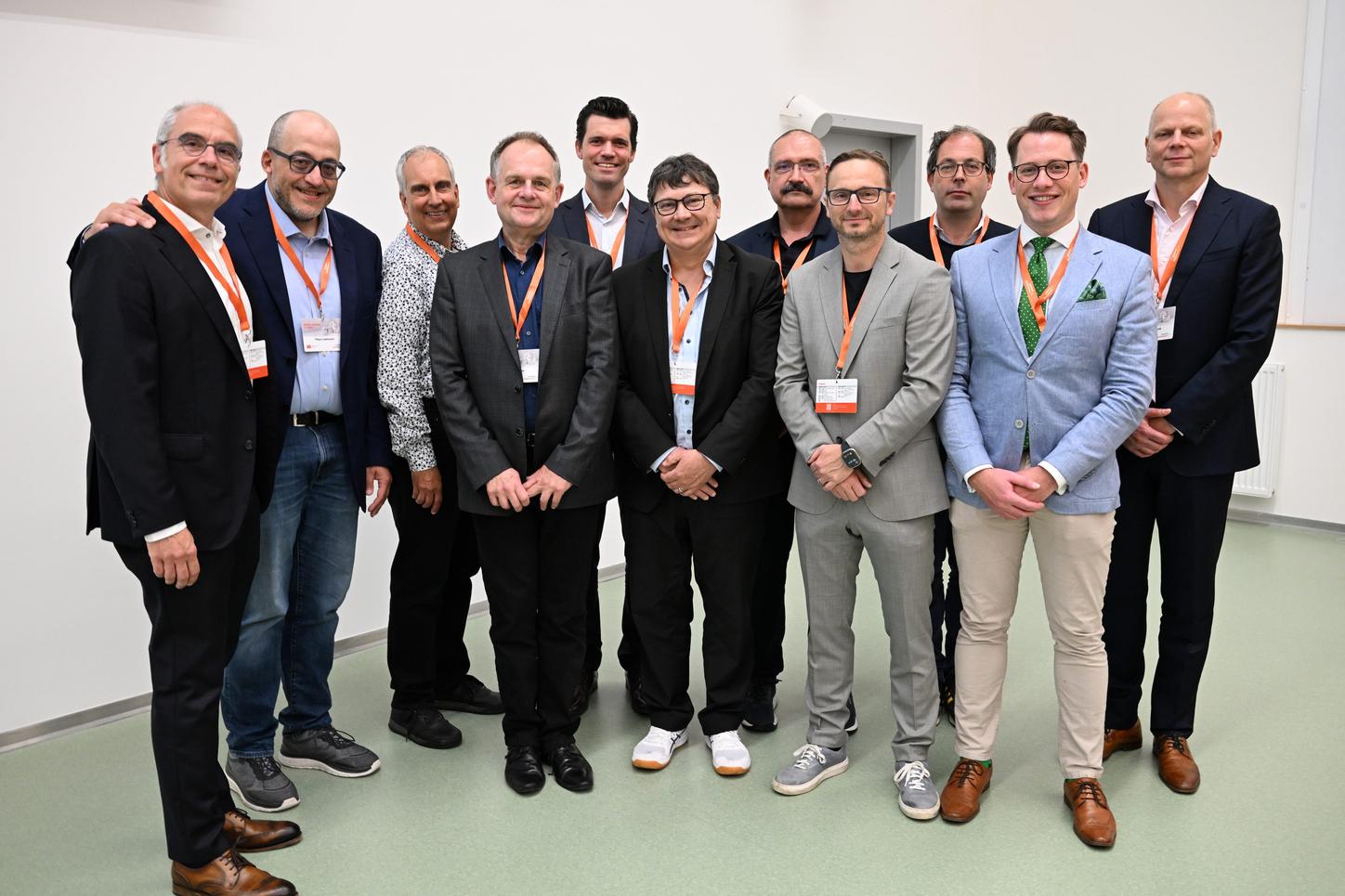
1/12
Speakers' Bios
Thomas Kurmann
Thomas Kurmann is Head of Digital for Central Eastern Europe and Central Asia at Siemens Healthineers. He studied Business Informatics at Carinthia University of Applied Sciences. At Siemens Healthineers, he leads digital transformation initiatives across healthcare systems in the region, with a focus on patient-centered innovations such as digital health platforms and integrated care solutions.
Under his leadership, the region has been recognized for excellence in digital diagnostics, including the implementation of the „Hallo Gesundheit“ patient portal in Austria.
Prof. Dr. Jiří Ferda, MD, PhD
Prof. Dr. Jiří Ferda, MD, PhD is Head of the Department of Imaging Methods at the Faculty of Medicine in Pilsen, Charles University, and University Hospital Pilsen. He also leads the Institute of Anatomy and serves as Vice-Dean for General Medicine and Non-Medical Study Programs.
Prof. Ferda specializes in advanced CT and hybrid imaging techniques, including PET/CT and PET/MRI, with a focus on oncological and vascular diagnostics. He is President of the Czech Neuroradiological Society and Vice-President of the Czech Radiological Society.
Prof. Ferda has authored over 100 scientific publications and contributed to several monographs and book chapters.
Philipp Fischer
Philipp Fischer is Head of Computed Tomography at Siemens Healthineers, where he leads the development of advanced CT technologies, including photon-counting CT. Under his leadership, Siemens Healthineers has introduced the Naeotom Alpha class, the world‘s first photon-counting CT scanners, enhancing diagnostic precision and patient care.
Fischer‘s work focuses on expanding access to high-performance imaging solutions globally, aiming to scan 1 billion patients with photon- counting CT within the next decade.
Bernd Ohnesorge
Bernd Ohnesorge is President of Europe, Middle East, and Africa (EMEA) at Siemens Healthineers. He holds a master‘s degree in data communication and digital signal processing from Friedrich-Alexander University Erlangen-Nuremberg and earned his Ph.D. in biomedical engineering from Ludwig Maximilian University of Munich.
Since joining Siemens in 1994, Dr. Ohnesorge has held various leadership roles across imaging modalities and regions, including Head of Magnetic Resonance and CEO of Siemens Healthcare China. He has authored over 30 scientific publications and holds 16 international patents.
Thomas Flohr
Thomas Flohr is a Senior Principal Key Expert in Computed Tomography at Siemens Healthineers and an adjunct professor of medical physics at Eberhard Karls University in Tübingen, Germany. He is recognized as a key innovator in the development of photon-counting CT technology.
Flohr holds a Ph.D. in physics and has authored over 80 scientific publications. He has been instrumental in advancing CT technology, including the development of Dual Source CT and photon-counting CT systems. In 2021, he was a finalist for the German Future Prize for his contributions to photon-counting CT.
Bernhard Schmidt
Bernhard Schmidt is Senior Director of CT R&D Collaborations and Senior Key Expert at Siemens Healthineers. He holds a Ph.D. in physics and has authored over 300 scientific publications with nearly 45,000 reads and approximately 15,000 citations.
Dr. Schmidt has contributed to more than 15 patents in the field of medical imaging. His research focuses on photon-counting CT, spectral imaging, and advanced image reconstruction techniques. He has been instrumental in developing clinical applications for photon-counting detector CT systems and has collaborated with leading institutions such as Mayo Clinic and Ruijin Hospital.
Clinical Professor Dr. Hans-Christoph Becker
Clinical Professor Dr. Hans-Christoph Becker currently serves as Clinical Professor of Radiology at Stanford University and practices at Stanford Health Care and Stanford Medicine Children’s Health. He completed his medical studies and doctoral training at Ludwig-Maximilians-University in Munich, Germany, where he specialized in in vivo and in vitro H1-NMR spectroscopy of intracerebral tumors. He completed his residency in diagnostic radiology and a fellowship in cardiovascular radiology at LMU, later becoming Professor of Radiology and Section Chief for Body CT at the university’s Grosshadern campus.
His academic work includes a professorial thesis on CT of coronary atherosclerosis, and he has published extensively on CT radiation exposure, neuro- and cardiac CT angiography, cardiac perfusion CT, rotating C-arm CT in liver interventions, and tumor response assessment in oncologic imaging.
PD Dr. med. Andreas S. Brendlin
PD Dr. med. Andreas S. Brendlin serves as Senior Consultant for Hybrid Imaging (PET-CT / PET-MRI) at the Department of Radiology at the University of Tübingen, where he also studied. His expertise lies in diagnostic and interventional radiology, nuclear medicine, and molecular imaging, with a strong focus on oncologic diagnostics.
He is an active member of several international professional societies, including the DRG, ESR, and RSNA, and is involved in both research and academic teaching. In his work, he combines cutting-edge clinical practice with the latest advancements in medical imaging science.
Prof. Dr. Joachim Wildberger
Prof. Dr. Joachim Wildberger is a full Professor of Radiology and Chairman of the Department of Radiology and Nuclear Medicine at Maastricht UMC+. He graduated from the Rhenish-Westphalian Technical University (RWTH) in Aachen, Germany, in 1994 and completed his residency in Diagnostic Radiology at University Hospital Aachen.
Dr. Wildberger’s research focuses on technical developments in CT, contrast media, cardiac imaging, and image-guided interventions. As Principal Investigator for Imaging within CARIM, he integrates various imaging modalities into cardiovascular diagnostics to improve patient care.
Prof. Dr. Jiří Moláček
Prof. Dr. Jiří Moláček is Head of the Department of Surgery at the Faculty of Medicine in Pilsen, Charles University, and University Hospital Pilsen. He earned his medical degree and Ph.D. from Charles University.
Prof. Moláček specializes in vascular surgery, with clinical and research interests in aortic aneurysms, vascular graft infections, and oncovascular procedures. He has authored over 180 scientific publications and serves as Vice-Dean of the Faculty of Medicine in Pilsen
Dr. Filip Heidenreich
Dr. Filip Heidenreich is a radiologist at the Department of Imaging Methods at the Faculty of Medicine in Pilsen, Charles University, and University Hospital Pilsen. He earned his medical degree and Ph.D. from Charles University.
Dr. Heidenreich specializes in advanced diagnostic imaging, with a focus on computed tomography and magnetic resonance imaging. His clinical and research interests include the application of cutting-edge imaging techniques in the diagnosis and management of complex medical conditions.
doc. Dr. Hynek Mírka, MD, PhD
doc. Dr. Hynek Mírka, MD, PhD is Deputy Head of the Department of Imaging Methods at the Faculty of Medicine in Pilsen, Charles University, and University Hospital Pilsen. He earned his medical degree and Ph.D. from Charles University.
Dr. Mírka specializes in radiology, with clinical and research interests in computed tomography, fluoroscopy, nuclear medicine, positron emission tomography, interventional radiology, and genitourinary imaging. He has authored over 70 scientific publications and is actively involved in medical education and research.
Dr. Hatem Alkadhi
Dr. Hatem Alkadhi is a Professor of Diagnostic and Interventional Radiology at the University of Zurich and works at the University Hospital Zurich. He completed his medical studies at Ludwig-Maximilians-University Munich, Germany, and earned his doctorate in neuroradiology with a focus on the motor cortex anatomy. Dr. Alkadhi underwent extensive clinical and research training at institutions such as the University Hospital Zurich, the National Center of Competence in Research (NCCR) in Neural Plasticity and Repair, and Harvard School of Public Health.
His research interests include advanced imaging techniques, computer-aided medical interventions, and image-guided surgery. He holds a Master of Public Health from Harvard and has been a full professor since 2015 at the University of Zurich.
Prof. Filippo Cademartiri
Prof. Filippo Cademartiri is a leading clinical radiologist specializing in advanced imaging technologies in cardiology, oncology, and gastroenterology. He earned his medical degree and specialization in Diagnostic and Interventional Radiology, both cum laude, from the University of Parma.
Currently, he serves as Director of Clinical and Research Imaging for Advanced Cardiovascular Diagnostics at IRCCS SYNLAB SDN in Naples. Author of over 1,000 scientific publications (h-index 90), he is among the most cited radiologists worldwide.
Prof. Dr. Jan Baxa, MD, PhD
Prof. Dr. Jan Baxa, MD, PhD is Deputy Head for Education and Research at the Department of Imaging Methods, Faculty of Medicine in Pilsen, Charles University, and University Hospital Pilsen. He earned his medical degree and Ph.D. from Charles University.
Prof. Baxa specializes in radiology, with clinical and research interests in computed tomography, magnetic resonance imaging, and interventional radiology. He is actively involved in medical education and has contributed to numerous scientific publications in the field of diagnostic imaging.
Prof. Dr. med. Matthias Frölich, MHBA
Prof. Dr. med. Matthias Frölich, MHBA is a senior radiologist at the University Medical Center Mannheim, where he leads the Division of Oncologic Imaging and Personalized CT and co-directs the Center for Integrative Diagnostics. He also heads the research group for AI-driven image analytics, focusing on advanced imaging technologies such as photon-counting CT and radiomics.
Prof. Frölich earned his medical degree from the Technical University of Munich and holds a Master‘s in Health Business Administration. His research emphasizes cost-effectiveness in radiology and the integration of AI in diagnostic workflows.
Prof. Dr. U. Joseph Schoepf, MD
Prof. Dr. U. Joseph Schoepf, MD is Professor of Radiology, Cardiovascular Medicine, and Pediatrics at the Medical University of South Carolina. He directs the Division of Cardiovascular Imaging and the Center for Biomedical Imaging.
A graduate of Ludwig Maximilian University in Munich, his research focuses on cardiac CT, vascular imaging, and AI applications. Author of over 1,000 publications, he is among the most cited experts in cardiovascular imaging.
Thomas Kurmann
Thomas Kurmann is Head of Digital for Central Eastern Europe and Central Asia at Siemens Healthineers. He studied Business Informatics at Carinthia University of Applied Sciences. At Siemens Healthineers, he leads digital transformation initiatives across healthcare systems in the region, with a focus on patient-centered innovations such as digital health platforms and integrated care solutions.
Under his leadership, the region has been recognized for excellence in digital diagnostics, including the implementation of the „Hallo Gesundheit“ patient portal in Austria.
Prof. Dr. Jiří Ferda, MD, PhD
Prof. Dr. Jiří Ferda, MD, PhD is Head of the Department of Imaging Methods at the Faculty of Medicine in Pilsen, Charles University, and University Hospital Pilsen. He also leads the Institute of Anatomy and serves as Vice-Dean for General Medicine and Non-Medical Study Programs.
Prof. Ferda specializes in advanced CT and hybrid imaging techniques, including PET/CT and PET/MRI, with a focus on oncological and vascular diagnostics. He is President of the Czech Neuroradiological Society and Vice-President of the Czech Radiological Society.
Prof. Ferda has authored over 100 scientific publications and contributed to several monographs and book chapters.
Philipp Fischer
Philipp Fischer is Head of Computed Tomography at Siemens Healthineers, where he leads the development of advanced CT technologies, including photon-counting CT. Under his leadership, Siemens Healthineers has introduced the Naeotom Alpha class, the world‘s first photon-counting CT scanners, enhancing diagnostic precision and patient care.
Fischer‘s work focuses on expanding access to high-performance imaging solutions globally, aiming to scan 1 billion patients with photon- counting CT within the next decade.
Bernd Ohnesorge
Bernd Ohnesorge is President of Europe, Middle East, and Africa (EMEA) at Siemens Healthineers. He holds a master‘s degree in data communication and digital signal processing from Friedrich-Alexander University Erlangen-Nuremberg and earned his Ph.D. in biomedical engineering from Ludwig Maximilian University of Munich.
Since joining Siemens in 1994, Dr. Ohnesorge has held various leadership roles across imaging modalities and regions, including Head of Magnetic Resonance and CEO of Siemens Healthcare China. He has authored over 30 scientific publications and holds 16 international patents.
Thomas Flohr
Thomas Flohr is a Senior Principal Key Expert in Computed Tomography at Siemens Healthineers and an adjunct professor of medical physics at Eberhard Karls University in Tübingen, Germany. He is recognized as a key innovator in the development of photon-counting CT technology.
Flohr holds a Ph.D. in physics and has authored over 80 scientific publications. He has been instrumental in advancing CT technology, including the development of Dual Source CT and photon-counting CT systems. In 2021, he was a finalist for the German Future Prize for his contributions to photon-counting CT.
Bernhard Schmidt
Bernhard Schmidt is Senior Director of CT R&D Collaborations and Senior Key Expert at Siemens Healthineers. He holds a Ph.D. in physics and has authored over 300 scientific publications with nearly 45,000 reads and approximately 15,000 citations.
Dr. Schmidt has contributed to more than 15 patents in the field of medical imaging. His research focuses on photon-counting CT, spectral imaging, and advanced image reconstruction techniques. He has been instrumental in developing clinical applications for photon-counting detector CT systems and has collaborated with leading institutions such as Mayo Clinic and Ruijin Hospital.
Clinical Professor Dr. Hans-Christoph Becker
Clinical Professor Dr. Hans-Christoph Becker currently serves as Clinical Professor of Radiology at Stanford University and practices at Stanford Health Care and Stanford Medicine Children’s Health. He completed his medical studies and doctoral training at Ludwig-Maximilians-University in Munich, Germany, where he specialized in in vivo and in vitro H1-NMR spectroscopy of intracerebral tumors. He completed his residency in diagnostic radiology and a fellowship in cardiovascular radiology at LMU, later becoming Professor of Radiology and Section Chief for Body CT at the university’s Grosshadern campus.
His academic work includes a professorial thesis on CT of coronary atherosclerosis, and he has published extensively on CT radiation exposure, neuro- and cardiac CT angiography, cardiac perfusion CT, rotating C-arm CT in liver interventions, and tumor response assessment in oncologic imaging.
PD Dr. med. Andreas S. Brendlin
PD Dr. med. Andreas S. Brendlin serves as Senior Consultant for Hybrid Imaging (PET-CT / PET-MRI) at the Department of Radiology at the University of Tübingen, where he also studied. His expertise lies in diagnostic and interventional radiology, nuclear medicine, and molecular imaging, with a strong focus on oncologic diagnostics.
He is an active member of several international professional societies, including the DRG, ESR, and RSNA, and is involved in both research and academic teaching. In his work, he combines cutting-edge clinical practice with the latest advancements in medical imaging science.
Prof. Dr. Joachim Wildberger
Prof. Dr. Joachim Wildberger is a full Professor of Radiology and Chairman of the Department of Radiology and Nuclear Medicine at Maastricht UMC+. He graduated from the Rhenish-Westphalian Technical University (RWTH) in Aachen, Germany, in 1994 and completed his residency in Diagnostic Radiology at University Hospital Aachen.
Dr. Wildberger’s research focuses on technical developments in CT, contrast media, cardiac imaging, and image-guided interventions. As Principal Investigator for Imaging within CARIM, he integrates various imaging modalities into cardiovascular diagnostics to improve patient care.
Prof. Dr. Jiří Moláček
Prof. Dr. Jiří Moláček is Head of the Department of Surgery at the Faculty of Medicine in Pilsen, Charles University, and University Hospital Pilsen. He earned his medical degree and Ph.D. from Charles University.
Prof. Moláček specializes in vascular surgery, with clinical and research interests in aortic aneurysms, vascular graft infections, and oncovascular procedures. He has authored over 180 scientific publications and serves as Vice-Dean of the Faculty of Medicine in Pilsen
Dr. Filip Heidenreich
Dr. Filip Heidenreich is a radiologist at the Department of Imaging Methods at the Faculty of Medicine in Pilsen, Charles University, and University Hospital Pilsen. He earned his medical degree and Ph.D. from Charles University.
Dr. Heidenreich specializes in advanced diagnostic imaging, with a focus on computed tomography and magnetic resonance imaging. His clinical and research interests include the application of cutting-edge imaging techniques in the diagnosis and management of complex medical conditions.
doc. Dr. Hynek Mírka, MD, PhD
doc. Dr. Hynek Mírka, MD, PhD is Deputy Head of the Department of Imaging Methods at the Faculty of Medicine in Pilsen, Charles University, and University Hospital Pilsen. He earned his medical degree and Ph.D. from Charles University.
Dr. Mírka specializes in radiology, with clinical and research interests in computed tomography, fluoroscopy, nuclear medicine, positron emission tomography, interventional radiology, and genitourinary imaging. He has authored over 70 scientific publications and is actively involved in medical education and research.
Dr. Hatem Alkadhi
Dr. Hatem Alkadhi is a Professor of Diagnostic and Interventional Radiology at the University of Zurich and works at the University Hospital Zurich. He completed his medical studies at Ludwig-Maximilians-University Munich, Germany, and earned his doctorate in neuroradiology with a focus on the motor cortex anatomy. Dr. Alkadhi underwent extensive clinical and research training at institutions such as the University Hospital Zurich, the National Center of Competence in Research (NCCR) in Neural Plasticity and Repair, and Harvard School of Public Health.
His research interests include advanced imaging techniques, computer-aided medical interventions, and image-guided surgery. He holds a Master of Public Health from Harvard and has been a full professor since 2015 at the University of Zurich.
Prof. Filippo Cademartiri
Prof. Filippo Cademartiri is a leading clinical radiologist specializing in advanced imaging technologies in cardiology, oncology, and gastroenterology. He earned his medical degree and specialization in Diagnostic and Interventional Radiology, both cum laude, from the University of Parma.
Currently, he serves as Director of Clinical and Research Imaging for Advanced Cardiovascular Diagnostics at IRCCS SYNLAB SDN in Naples. Author of over 1,000 scientific publications (h-index 90), he is among the most cited radiologists worldwide.
Prof. Dr. Jan Baxa, MD, PhD
Prof. Dr. Jan Baxa, MD, PhD is Deputy Head for Education and Research at the Department of Imaging Methods, Faculty of Medicine in Pilsen, Charles University, and University Hospital Pilsen. He earned his medical degree and Ph.D. from Charles University.
Prof. Baxa specializes in radiology, with clinical and research interests in computed tomography, magnetic resonance imaging, and interventional radiology. He is actively involved in medical education and has contributed to numerous scientific publications in the field of diagnostic imaging.
Prof. Dr. med. Matthias Frölich, MHBA
Prof. Dr. med. Matthias Frölich, MHBA is a senior radiologist at the University Medical Center Mannheim, where he leads the Division of Oncologic Imaging and Personalized CT and co-directs the Center for Integrative Diagnostics. He also heads the research group for AI-driven image analytics, focusing on advanced imaging technologies such as photon-counting CT and radiomics.
Prof. Frölich earned his medical degree from the Technical University of Munich and holds a Master‘s in Health Business Administration. His research emphasizes cost-effectiveness in radiology and the integration of AI in diagnostic workflows.
Prof. Dr. U. Joseph Schoepf, MD
Prof. Dr. U. Joseph Schoepf, MD is Professor of Radiology, Cardiovascular Medicine, and Pediatrics at the Medical University of South Carolina. He directs the Division of Cardiovascular Imaging and the Center for Biomedical Imaging.
A graduate of Ludwig Maximilian University in Munich, his research focuses on cardiac CT, vascular imaging, and AI applications. Author of over 1,000 publications, he is among the most cited experts in cardiovascular imaging.
Thomas Kurmann
Thomas Kurmann is Head of Digital for Central Eastern Europe and Central Asia at Siemens Healthineers. He studied Business Informatics at Carinthia University of Applied Sciences. At Siemens Healthineers, he leads digital transformation initiatives across healthcare systems in the region, with a focus on patient-centered innovations such as digital health platforms and integrated care solutions.
Under his leadership, the region has been recognized for excellence in digital diagnostics, including the implementation of the „Hallo Gesundheit“ patient portal in Austria.
More Information
Introduction by prof. Jiří Ferda
Dear Friends of Photon-Counting Computed Tomography,
It is a great pleasure and honour to welcome you all to Pilsen, at the Charles University Faculty of Medicine. We gather here to celebrate five remarkable years of clinical imaging using photon-counting computed tomography. Just as it is said that the first five years of childhood shape the entirety of a human personality, these initial five years of photoncounting CT will undoubtedly shape the future of CT technology. To me, this future is immensely exciting.
Our meeting takes place at the oldest university north of the Alps and east of the Rhine. Thus, we should fully embrace the oldest academic tradition–engaging in vigorous discussion and debate, fostering a critical exchange of ideas and visions for photon-counting CT imaging. And, in my completely unbiased opinion, we could not have chosen a better faculty anywhere in the world.
Special things happen here in Pilsen, in the heart of West Bohemia. In 1842, the renowned Pilsner Brewery introduced the world to an entirely new style of beer–Pilsner. 178 years later, another revolutionary innovation emerged at the University Hospital in Pilsen: photoncounting computed tomography entered clinical practice for the first time. Once again, Bavarians and Bohemians have come together to create something truly exceptional.
So please, remember to savour the full experience of Pilsen.
Professor Jiří Ferda, MD, PhD
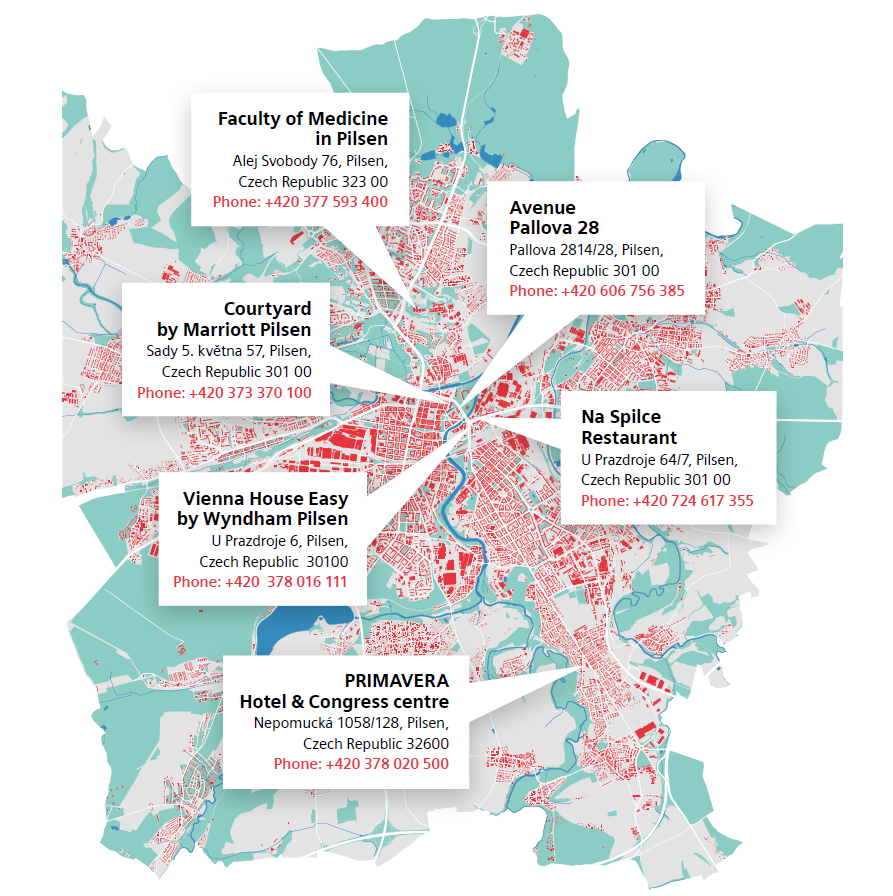
About Pilsen
Pilsen (Plzeň) is the fourth-largest city in the Czech Republic, renowned for its rich history, vibrant culture, and contributions to the brewing industry. It is internationally famous as the birthplace of Pilsner beer, which originated in 1842. The city blends historic architecture, such as the Pilsner Urquell Brewery and St. Bartholomew‘s Cathedral, with modern innovation and growth. As a center for education and technology, Pilsen is also home to a thriving medical community, fostering both local and international research.
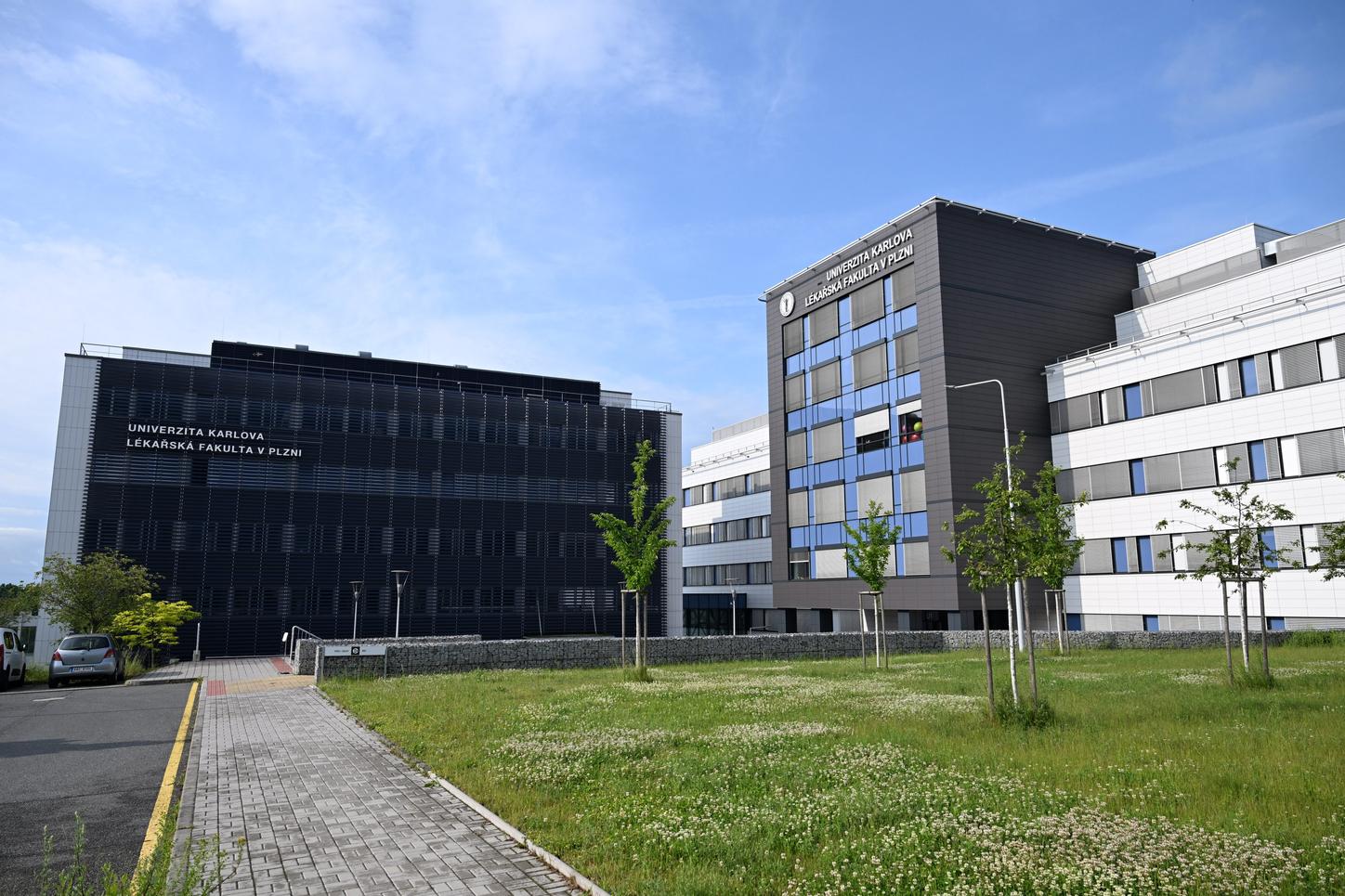
Faculty of Medicine in Pilsen, Charles University is one of the leading medical schools in the Czech Republic. It is part of Charles University, the oldest university in Central Europe, established in 1348. The Faculty of Medicine in Pilsen is known for its world-class research, innovative teaching methods, and close collaboration with University Hospital Pilsen. It offers a wide range of medical programs, including undergraduate, graduate, and doctoral courses. With a strong emphasis on clinical education, it prepares students for careers in various specialties, contributing significantly to medical advancements both locally and internationally.
FAQ
Yes, organized transportation will be arranged both upon arrival at the airport and for departure back to the airport at the end of the congress.
For local transfers during the congress, shuttle buses will be provided.
All workshops and lectures will take place at the Faculty of Medicine in Pilsen, Charles University.
Shuttles will depart on June 5 from 8:10 AM and 11:00 AM, and on June 6 from 8:10 AM. They will leave from the various hotels and pick up participants along the way. Please be aware that minor delays (approximately 10 minutes) may occur, but we kindly ask all participants to be ready on time.
Workshop and lecture materials may be provided after the event, depending on the speakers’ approval. Please check with the organizing team during the congress.
Yes, free Wi-Fi will be available for all participants at the congress venue.
Yes, meals and refreshments will be provided according to the program schedule.
Our organizing team will be available on-site throughout the congress. All key contacts and assistance information are provided in the brochure you received.
Yes. You will find local tips in the brochure you received at the hotel reception.
Pomohly vám tyto informace?
Thank you.
Would you like to provide detailed feedback?
125 / 125