Let´s face it: Cancer, chronic diseases, and other non-communicable conditions continue to rise worldwide. At the same time, healthcare providers face persistent staffing shortages. The result is clear: radiologists are expected to interpret a growing number of increasingly complex imaging studies – without having more time available.
This is exactly where we create value with AI-powered reading.
Hear from our customers1
Save time
AI-powered reading speeds up workflows and reduces turnaround times. By automating post-processing and reporting, AI helps radiologists read complex cases faster and manage rising imaging volumes efficiently, even in interpreting complex datasets.
Time savings achieved by customers:1
- 22% Reading time reduction2
- Up to 75% faster scan workflows
- 36% reduced scan time per patient
- Up to 7 minutes faster exam turnaround
- Up to 30 minutes time saved a day for reporting
Increase confidence
AI-powered reading helps reduce your cognitive load. It highlights suspicious findings, prioritizes cases, and reduces reporting variability. This supports faster, more accurate diagnoses and enables consistent, high-quality care across all sites.
Greater diagnostic confidence achieved by customers:1
- 43% Reading variation reduction3
- AI as a true tie breaker
- Consistent diagnostic decisions
- Confident decision support
- Improved diagnostic accuracy
Save costs
AI-powered reading solutions are not isolated solutions: seamlessly integrated in one platform, further enriched by research and proven third party applications they streamline the entire radiology workflow, simplify case prioritization, boost efficiency and help reduce operational costs.
Operational efficiencies achieved by customers:1
- 40% Cost saved4
- Continuous innovation access
- Faster, cost-efficient operations
- 400k reduced IT and application costs
Building on decades of expertise in advanced image interpretation, we provide AI-powered reading solutions that help healthcare organizations manage these pressures. Rapid post-processing, automated multimodality reading, and personalized therapy planning streamline workflows, automate repetitive tasks, and support clinical decision-making across the entire patient pathway. In short: AI helps save valuable time, increase diagnostic confidence and reduce operational costs.
Excellence in AI-powered reading with holistic patient care approach
Data courtesy of Wentworth-Douglas Hospital, Dover, New Hampshire, USA
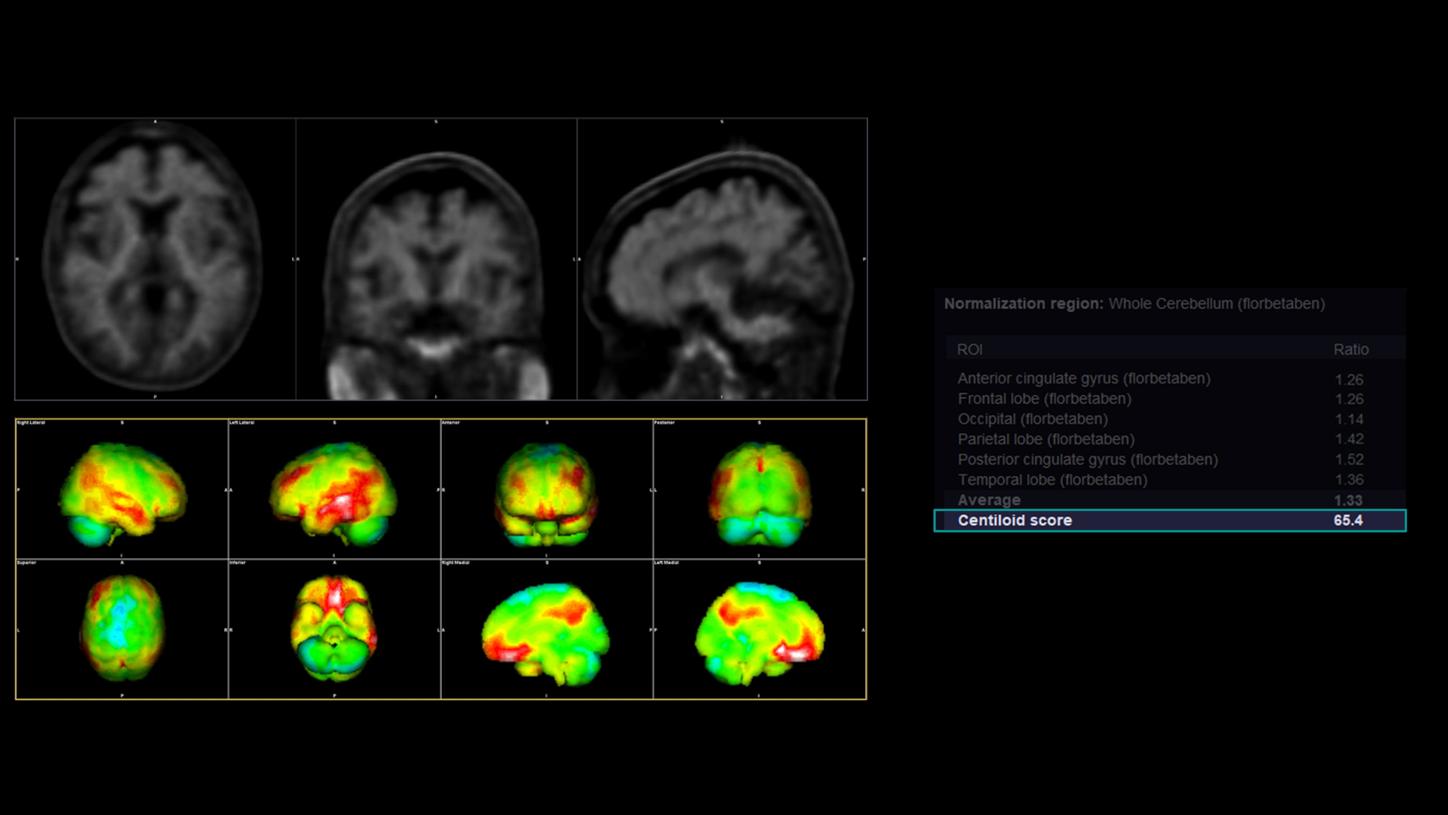
Alzheimer´s Care: Standardized Insights. Automated Workflows. Confident Decisions.
Neurodegenerative diseases such as Alzheimer’s disease (AD) are entering a new era, with emerging therapies bringing new hope while increasing the demand for advanced, standardized imaging. Quantitative imaging can support confident clinical decision-making across the Alzheimer`s care pathway – from brain morphometry to aid differential diagnosis, to standardized amyloid PET assessment with Centiloid scoring, and integrated tau PET quantification to support disease characterization and therapy-related decision-making.
Al-powered automation and quantitative analysis help simplify complex workflows, reduce reading time, and deliver standardized, reproducible results. This enables clinicians to identify appropriate patients more efficiently, manage growing imaging workloads, and provide consistent, high-quality care with greater confidence.

Courtesy of Siemens Healthineers
Stroke Management
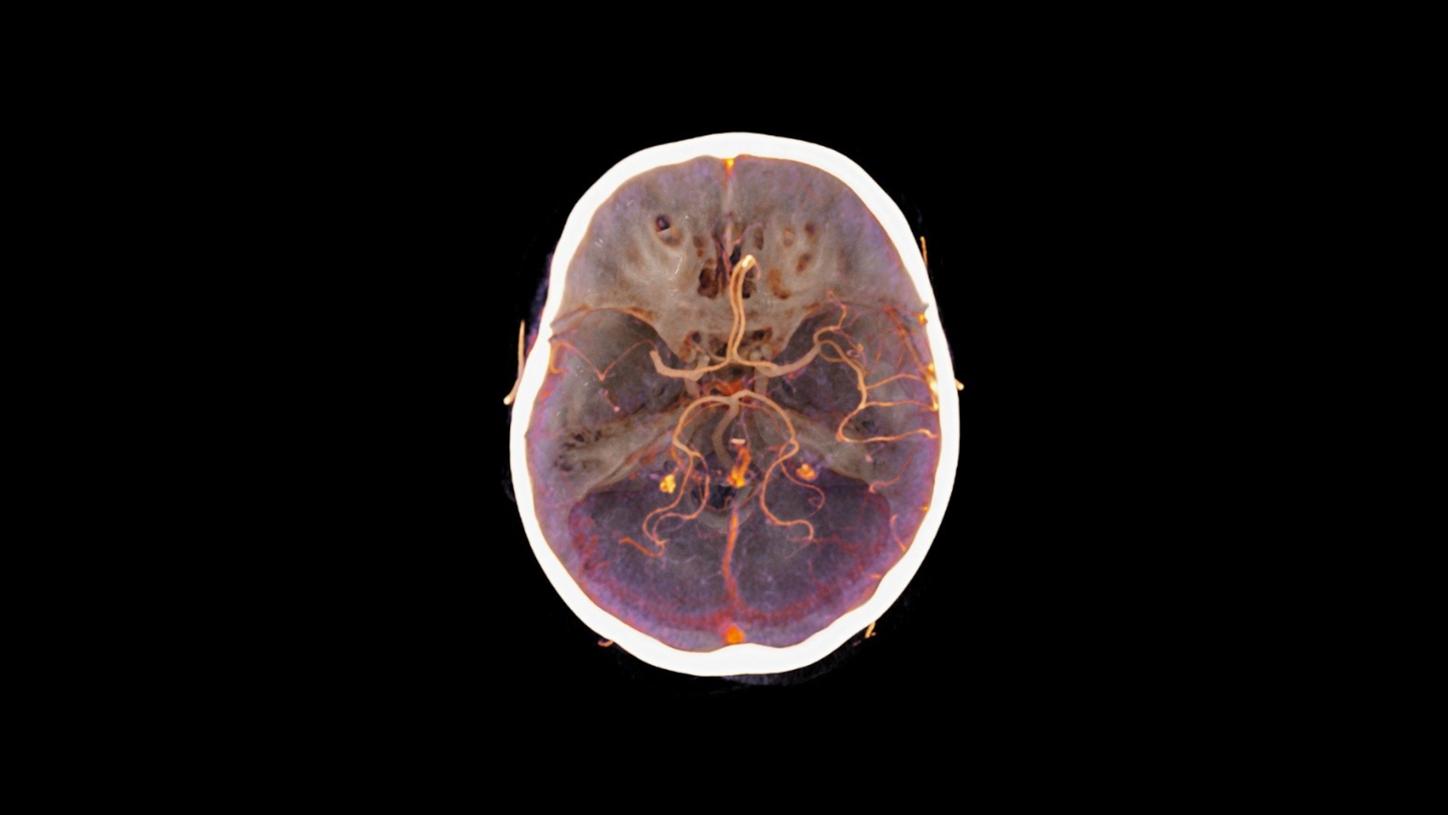
For stroke patients, time is of the essence. Every minute saved can positively impact patient outcomes. That’s why it’s critical to save time along the entire stroke pathway – from first symptoms to treatment and follow‑up care. Stroke care does not happen in isolation. It follows interconnected patient pathways where imaging and clinical decision‑making support faster, informed action – during the acute event, throughout secondary prevention, and even before hospital arrival with the Mobile Stroke Unit (MSU)5. AI-powered solutions, comprehensive overviews with multimodality layout and several timepoints, patient triaging in worklists and immediate alerts help to be ahead of time. As an example, syngo.CT LVO Detection5 with automated support for emergency triage helps detect and flags suspected large vessel occlusions. syngo.CT Vessel Hyperdensities5 assists in automated localization and segmentation of LVOs.
Courtesy of Siemens Healthineers
Cardiovascular Care
Cardiovascular diseases remain the leading cause of death worldwide and continue to contribute to increasing costs in healthcare systems. To improve your personalized cardiovascular care delivery, support detection and risk assessments, enhance diagnostic confidence, and make well-informed therapy decisions we are committed to support you with AI-powered solutions.
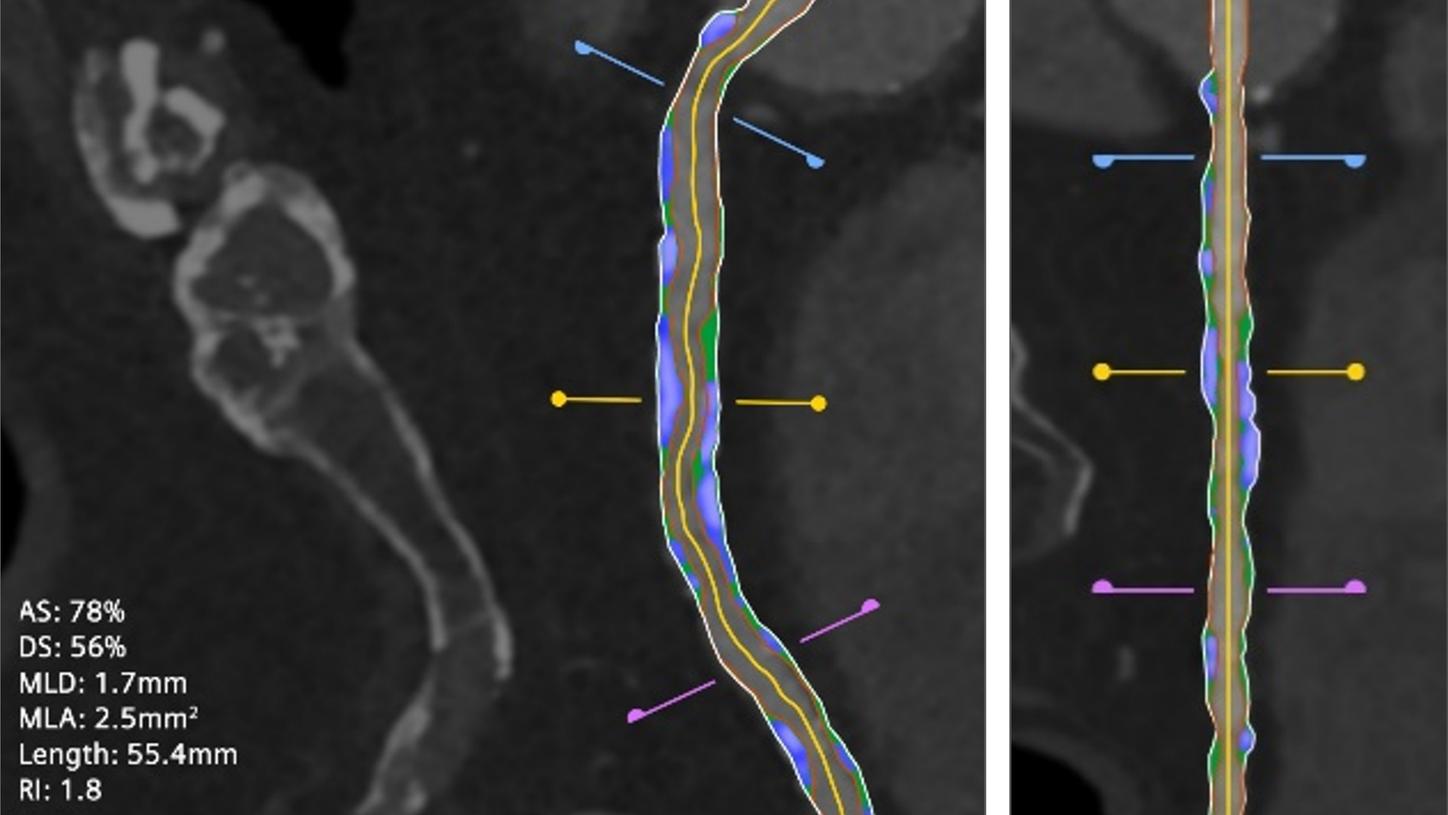
From the detection of coronary artery disease or structural heart disease to the analysis of myocardial infarction, our AI-powered reading solutions are designed to assist your diagnostic with automated workflows and AI-driven results. Like syngo.CT Coronary Cockpit5: It automatically segments and labels coronaries and visualizes as well as quantifies plaque types for the whole coronary tree or individual lesions. It also allows for placing stent markers for PCI planning purposes.

Courtesy of Siemens Healthineers
Prostate Cancer Care – Automated precision detection,
reporting, and contouring
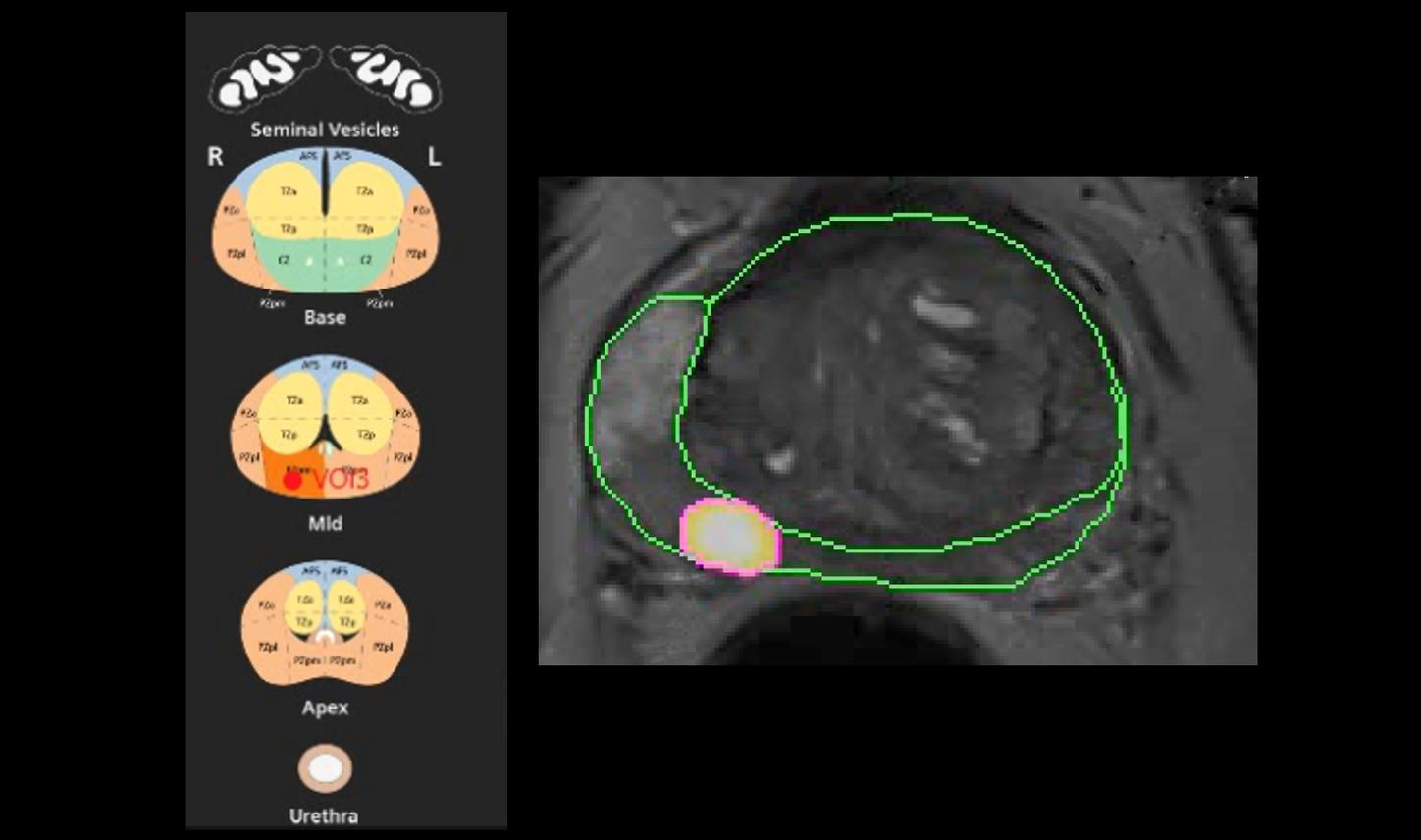
With AI-powered prostate reading solutions the specific DSA density and PI-RADs classification of potential lesions are calculated immediately and transferred to a pre-populated report. Automatic segmentation and volumetric assessments of the prostate gland save valuable time. All results are seamlessly transferred to the Ultrasound system enabling targeted biopsy of suspicious lesions and a confident TRUS guided biopsy procedure. Fully automated pelvic region contouring allows for a personalized precise radiotherapy planning. Rapid Results Technology archives automated and standardized results in your PACS, without the need for manual user interaction.

Lung Cancer Care – AI-powered chest CT reading for early detection and follow-up
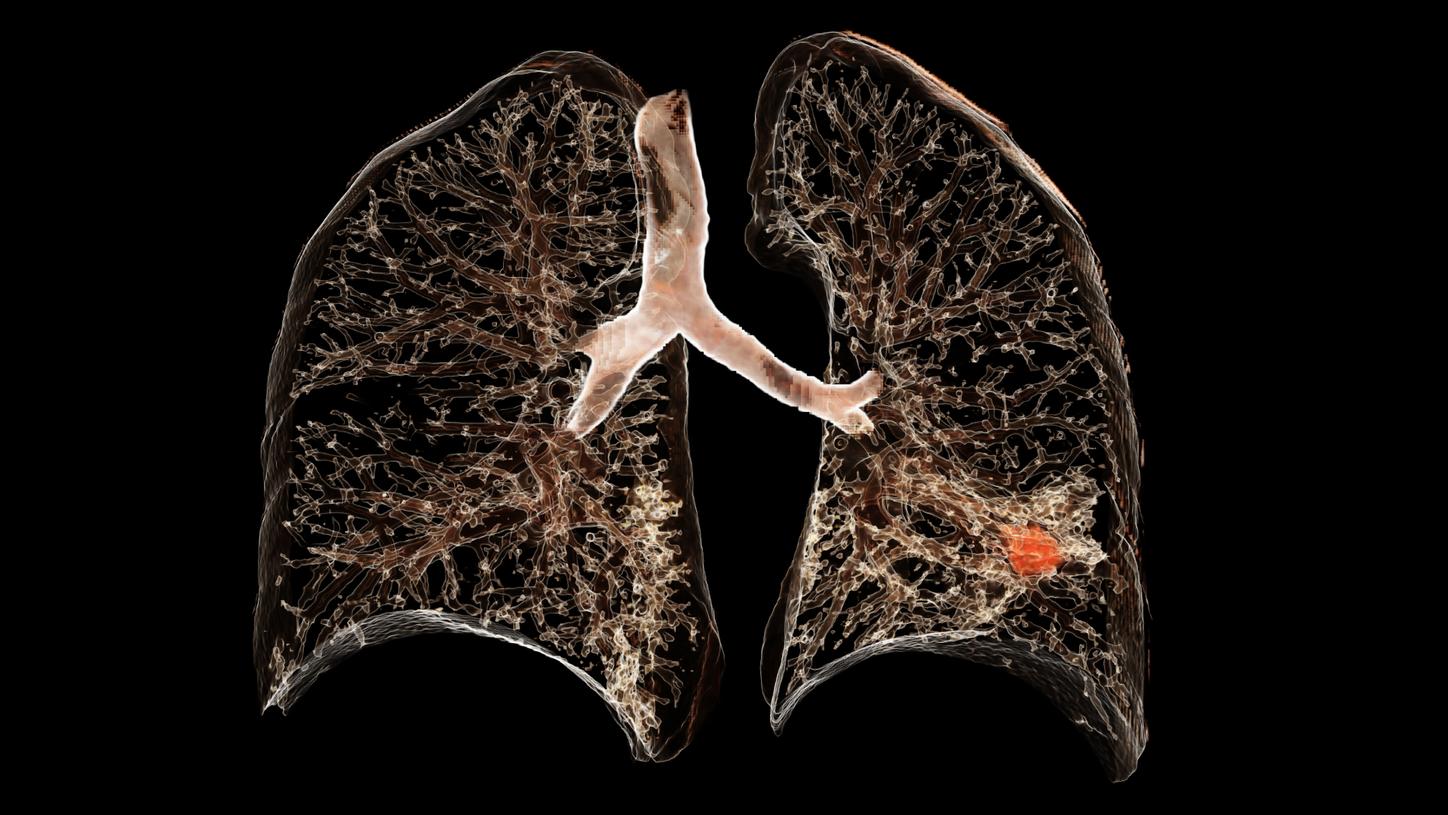
Our AI-powered chest CT reading solution provides automated pulmonary nodule detection, volumetric analysis, and comparison with prior examinations to support confident lung cancer detection and surveillance. Integrated reporting and workflow automation improve reading efficiency while supporting standardized screening programs and longitudinal patient management. Future capabilities such as Lung-RADS classification, longitudinal volumetric tracking, and AI-supported workflow integration will further strengthen standardized population-based lung cancer screening.

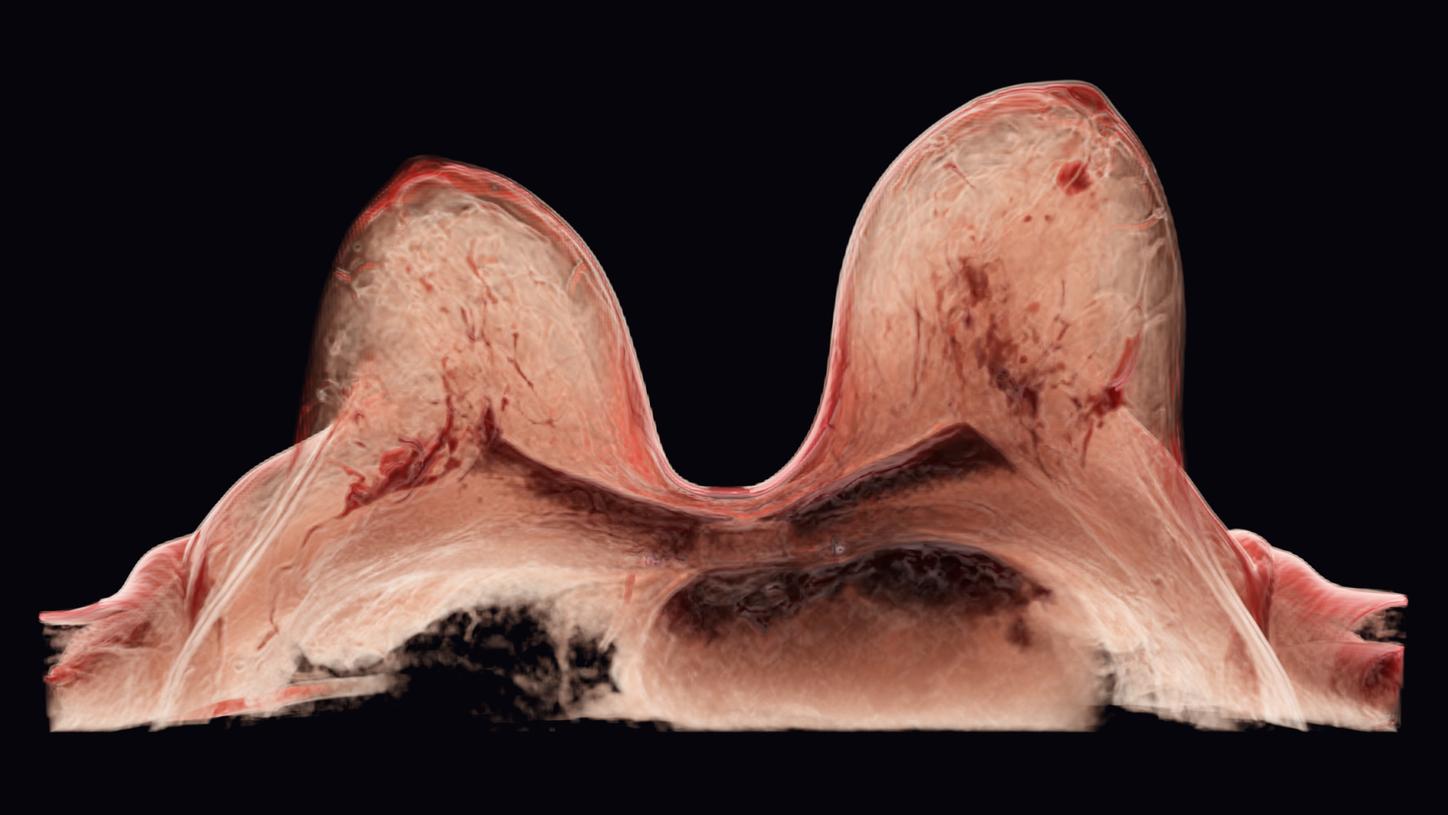
Breast Cancer Care – AI-powered breast imaging for early detection and treatment planning
With AI-powered breast imaging solutions, we support radiologists across the entire breast cancer pathway – from screening and diagnosis to treatment planning. AI-assisted X-ray image analysis enhances lesion detection, improves workflow efficiency, and contributes to more consistent image interpretation. AI-powered contouring further supports precise target delineation for radiation therapy planning, enabling standardized workflows and personalized treatment strategies.

Data courtesy of Wentworth-Douglas Hospital, Dover, New Hampshire, USA
Alzheimer´s Care: Standardized Insights. Automated Workflows. Confident Decisions.
Neurodegenerative diseases such as Alzheimer’s disease (AD) are entering a new era, with emerging therapies bringing new hope while increasing the demand for advanced, standardized imaging. Quantitative imaging can support confident clinical decision-making across the Alzheimer`s care pathway – from brain morphometry to aid differential diagnosis, to standardized amyloid PET assessment with Centiloid scoring, and integrated tau PET quantification to support disease characterization and therapy-related decision-making.
Al-powered automation and quantitative analysis help simplify complex workflows, reduce reading time, and deliver standardized, reproducible results. This enables clinicians to identify appropriate patients more efficiently, manage growing imaging workloads, and provide consistent, high-quality care with greater confidence.

Courtesy of Siemens Healthineers
Stroke Management
For stroke patients, time is of the essence. Every minute saved can positively impact patient outcomes. That’s why it’s critical to save time along the entire stroke pathway – from first symptoms to treatment and follow‑up care. Stroke care does not happen in isolation. It follows interconnected patient pathways where imaging and clinical decision‑making support faster, informed action – during the acute event, throughout secondary prevention, and even before hospital arrival with the Mobile Stroke Unit (MSU)5. AI-powered solutions, comprehensive overviews with multimodality layout and several timepoints, patient triaging in worklists and immediate alerts help to be ahead of time. As an example, syngo.CT LVO Detection5 with automated support for emergency triage helps detect and flags suspected large vessel occlusions. syngo.CT Vessel Hyperdensities5 assists in automated localization and segmentation of LVOs.
Courtesy of Siemens Healthineers
Cardiovascular Care
Cardiovascular diseases remain the leading cause of death worldwide and continue to contribute to increasing costs in healthcare systems. To improve your personalized cardiovascular care delivery, support detection and risk assessments, enhance diagnostic confidence, and make well-informed therapy decisions we are committed to support you with AI-powered solutions.
From the detection of coronary artery disease or structural heart disease to the analysis of myocardial infarction, our AI-powered reading solutions are designed to assist your diagnostic with automated workflows and AI-driven results. Like syngo.CT Coronary Cockpit5: It automatically segments and labels coronaries and visualizes as well as quantifies plaque types for the whole coronary tree or individual lesions. It also allows for placing stent markers for PCI planning purposes.

Courtesy of Siemens Healthineers
Prostate Cancer Care – Automated precision detection,
reporting, and contouring
With AI-powered prostate reading solutions the specific DSA density and PI-RADs classification of potential lesions are calculated immediately and transferred to a pre-populated report. Automatic segmentation and volumetric assessments of the prostate gland save valuable time. All results are seamlessly transferred to the Ultrasound system enabling targeted biopsy of suspicious lesions and a confident TRUS guided biopsy procedure. Fully automated pelvic region contouring allows for a personalized precise radiotherapy planning. Rapid Results Technology archives automated and standardized results in your PACS, without the need for manual user interaction.

Lung Cancer Care – AI-powered chest CT reading for early detection and follow-up
Our AI-powered chest CT reading solution provides automated pulmonary nodule detection, volumetric analysis, and comparison with prior examinations to support confident lung cancer detection and surveillance. Integrated reporting and workflow automation improve reading efficiency while supporting standardized screening programs and longitudinal patient management. Future capabilities such as Lung-RADS classification, longitudinal volumetric tracking, and AI-supported workflow integration will further strengthen standardized population-based lung cancer screening.

Breast Cancer Care – AI-powered breast imaging for early detection and treatment planning
With AI-powered breast imaging solutions, we support radiologists across the entire breast cancer pathway – from screening and diagnosis to treatment planning. AI-assisted X-ray image analysis enhances lesion detection, improves workflow efficiency, and contributes to more consistent image interpretation. AI-powered contouring further supports precise target delineation for radiation therapy planning, enabling standardized workflows and personalized treatment strategies.

Data courtesy of Wentworth-Douglas Hospital, Dover, New Hampshire, USA
Alzheimer´s Care: Standardized Insights. Automated Workflows. Confident Decisions.
Neurodegenerative diseases such as Alzheimer’s disease (AD) are entering a new era, with emerging therapies bringing new hope while increasing the demand for advanced, standardized imaging. Quantitative imaging can support confident clinical decision-making across the Alzheimer`s care pathway – from brain morphometry to aid differential diagnosis, to standardized amyloid PET assessment with Centiloid scoring, and integrated tau PET quantification to support disease characterization and therapy-related decision-making.
Al-powered automation and quantitative analysis help simplify complex workflows, reduce reading time, and deliver standardized, reproducible results. This enables clinicians to identify appropriate patients more efficiently, manage growing imaging workloads, and provide consistent, high-quality care with greater confidence.


Related products
With one of the most comprehensive portfolios of automated and AI-powered solutions we support you to stay at the forefront of AI-driven healthcare. Best of all, with Syngo Carbon Flexinity6 you can easily access the complete suite of all applications, including research and partner offerings.