
The context
Shifting more care out of hospital and into the community is one of the primary goals outlined in the NHS Long Term Plan. By providing a broad range of diagnostic services in a local setting, Community Diagnostic Centres (CDCs) are a crucial measure to achieving this and relieving pressure on overstretched hospitals.
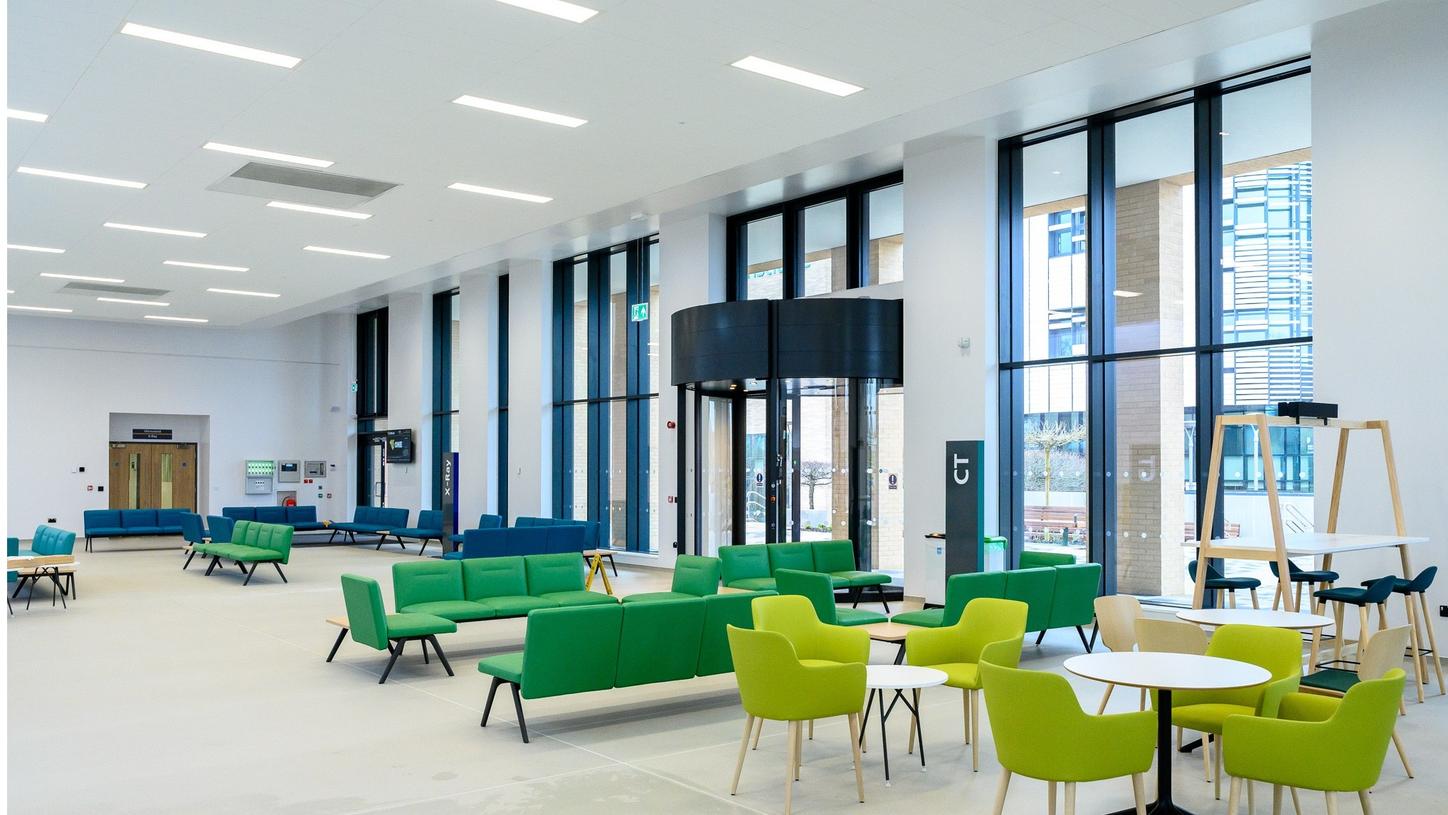
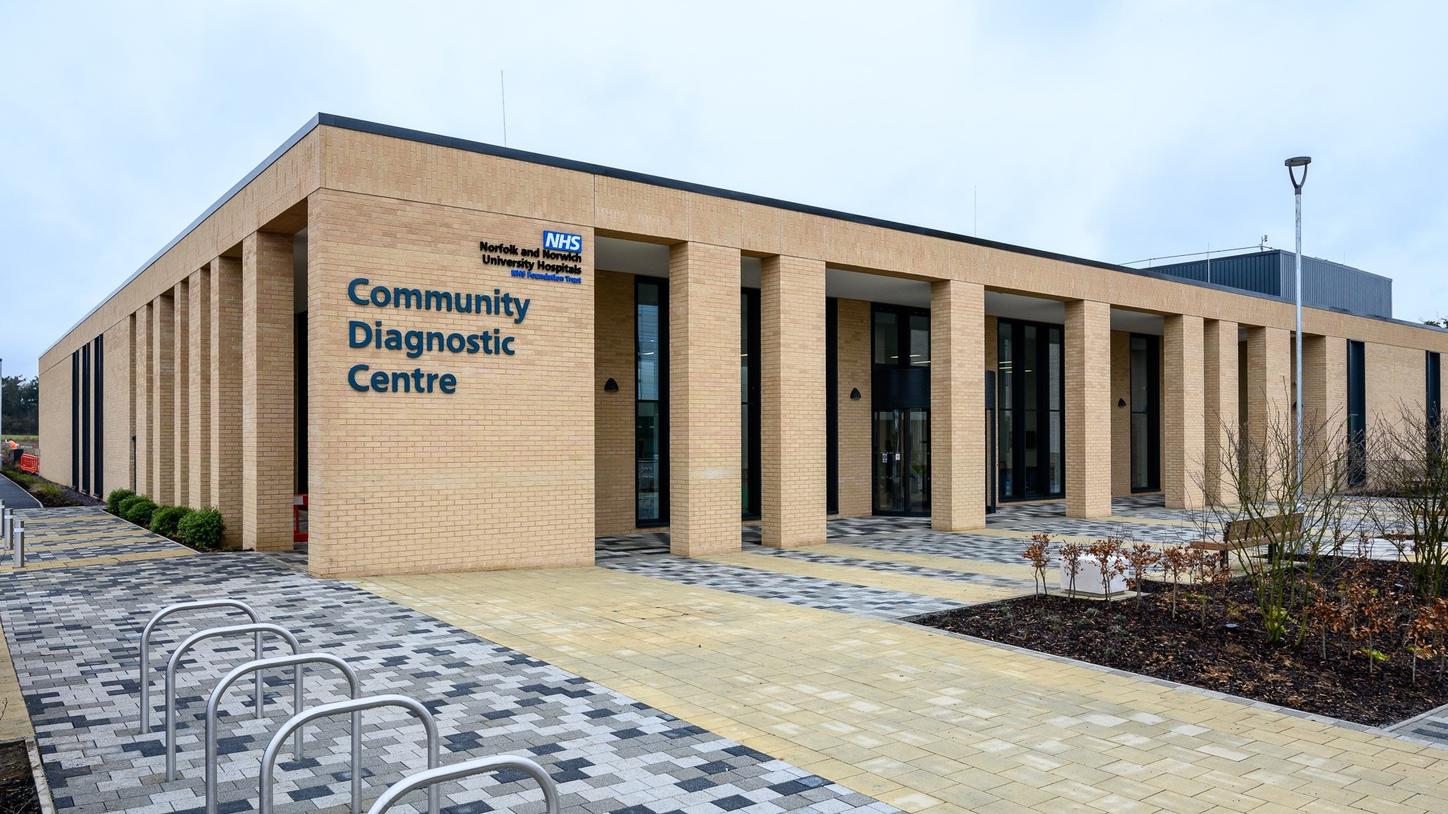
As an area with a growing, ageing population, Norfolk is experiencing rising demand for increased diagnostics capacity. Three new CDCs have been earmarked for Norfolk in response to this, including the Norfolk and Norwich University Hospitals NHS Foundation Trust (NNUH) Community Diagnostic Centre.
Ahead of the CDC's opening, priorities included exploring different operational scenarios to determine optimal patient flow, workforce and equipment utilisation. NNUH was keen to stress test the deliverability of a phased patient activity plan for each of the CT, X-ray, MR and US modalities. This would enable it to identify and mitigate potential bottlenecks and ensure optimal utilisation of imaging equipment and staffing.
At the same time, there was also an acknowledgement that the go-live planning process presented a valuable opportunity to explore new ways of working that could improve patient throughput and patient and staff experience, rather than defaulting to traditional acute hospital ways of working.
How did we help?
NNUH was already working closely with Siemens Healthineers in the form of a pre-existing Value Partnership - a long-term, performance-oriented collaboration supporting its ambitious expansion plans, and enabling improved access to innovative cancer treatment and imaging.
Using existing healthcare advisory days allocated within the Value Partnership, the Siemens Healthineers Value Advisory Services team mapped patient flows supporting workflows, stress testing these against planned activity trajectories for each modality, and then co-designed mitigations for any bottlenecks, resource assumptions or operational processes that could constrain the CDC’s imaging capacity. This utilised:
- Input from key stakeholders and clinicians on patient flows and current ways of working
- Data on the planned CDC operating model, opening hours, equipment numbers, floor plans, staff roles and responsibilities and WTE figures
- Forecast activity trajectories and waiting list figures for each modality
Using this, the advisory team created a simulation model, establishing a digital twin of each CDC modality. The simulation enabled clinical leads to run multiple scenarios to identify optimal ways of working that were used to inform patient flow, staffing model and scanner booking slots. Insights from the simulation modelling included:
- A definition of CDC maximum capacity for year 1, 2 & 3 aligned to a workforce recruitment trajectory
- A detailed report outlining the optimal operating model for each modality, including booking slots, and patient arrival frequencies, to meet business case assumptions
- The identification of potential bottlenecks, with mitigations through changes to workforce, patient flow and operational processes
What were the results?
The development of simulation models allowed NNUH to stress test different operational scenarios with small investment, surfacing insights and recommendations to optimise the service model to help the new CDC meet target patient volumes and ensure optimal flow.
The simulation modelling provided NNUH with a patient-centric visualisation of clinical processes and workflows, and transparency on resource allocation, capacity and utilisation. By comparing baseline and simulated outcomes with metrics such as patient throughput, patient waiting time and resource utilisation, the project identified opportunities to improve patient flow and resource utilisation. Insights and recommendations included:
- How to mitigate an image acquisition utilisation spike using Radiology Department Assistants (RDAs) roles and/or volunteers
- The variation of an RDA staffing model to cross-cover X-ray and ultrasound, where possible
- The definition of modality appointment and staggered arrival times to inform booking templates and avoid over-crowding
- Testing the skill mix of the CDC workforce recruitment trajectory to improve productivity and retention
Seshni Mohammed, Radiology Service Operations Manager at Norfolk and Norwich University Hospitals NHS Foundation Trust, says: “The Siemens Healthineers team worked with our service and modality leads to stress test CDC patient flow, workforce and equipment assumptions and helped identify potential flow optimisation opportunities that we were then able to consider before and during go-live.
“The simulation modelling approach provided a robust external assessment of our planning assumptions and gave us confidence we had made the right planning decisions and assumptions.”
Learn more

Value Advisory Services
Siemens Healthineers Value Advisory Services offers operational and digital support to NHS & private providers through all phases of healthcare delivery.

Value Partnerships
Value Partnerships are long-term, collaborative engagements, combining clinical insight, medical technology innovation, strategic vision, and implementation expertise.