Article authors: Jonathan A. Ripp, MD, Neil M. Rofsky, MD, F. Scott Nowakowski, MD, Julia Rosa, André Steinbuss | Reading time: 7 minutes
Best-practice: How Mount Sinai Health System translates strategy into practice
Discover how a system-wide well-being strategy can help healthcare organizations reduce operational friction, give staff more time for meaningful work, and support sustainable, high-quality care.
Why workforce well-being matters now
Approximately 50% of U.S. physicians report symptoms of burnout1
Up to 40% of academic physicians in high-intensity specialties report an intention to leave2
Workforce shortages, rising burnout, and increasing operational complexity make it harder to protect care quality and organizational stability. In the U.S., close to half of physicians report symptoms of burnout1, while studies among academic physicians point to significant retention challenges in high-intensity specialties such as radiology2.
How to turn well-being into an organizational capability
“A healthcare workforce that has well-being prioritized and elevated will be one that arrives at work with the tools and support needed to perform at the top of their license, within a community and culture where they feel valued, respected, and appreciated.”

The Mount Sinai approach
Mount Sinai treats workforce well-being as a strategic capability, not a standalone initiative. In a large and complex health system, well-being is essential to operational performance, workforce sustainability, talent retention, resilience, and quality of care. Employee well-being is shaped not only by individual support, but by how work itself is designed, led, and continuously improved.
Mount Sinai’s framework addresses four connected domains:

Mental health support
Turning strategy into action
Successful implementation combines system-wide direction with strong local ownership. Mount Sinai created a dedicated Well-Being and Work Experience Core, led by a Chief Wellness Officer. The central team provides governance, measurement, expertise, and implementation support to turn a strategic priority into coordinated actions across the organization. This is reinforced by a Well-Being Champion network that connects organizational strategy with frontline experience, and by a continuous improvement cycle that helps teams pilot, evaluate, and refine local interventions over time.
Well-being Champions embedded across departments identify local sources of distress and operational friction, gather workforce feedback, and work with leaders to test targeted solutions. The model combines central governance with frontline insight rather than imposing change only from the top down.
Organization-wide and department-level surveys reveal where action is most urgent. Interventions follow a disciplined cycle: pilot, measure, adapt, and scale what works or stop what does not. This keeps well-being initiatives practical, evidence-based, and focused on measurable improvement.
Enable radiologists to focus on high-value work
The radiology department provides an illustrative example of how Mount Sinai translates organizational strategy into local operational action.
"Listening to your staff means not only faculty and nurses, but also technologists and housekeeping. It's everyone across the board. You have to incorporate all of their thoughts into what’s going on."
What healthcare leaders can gain
Use Mount Sinai’s experience to move from isolated initiatives to a measurable, scalable approach that can:
- Strengthen retention by addressing everyday sources of strain
- Improve performance by reducing avoidable workflow friction
- Build resilience through clear ownership and leadership support
- Protect care quality by enabling staff to focus on meaningful clinical work
Six practical ways to get started
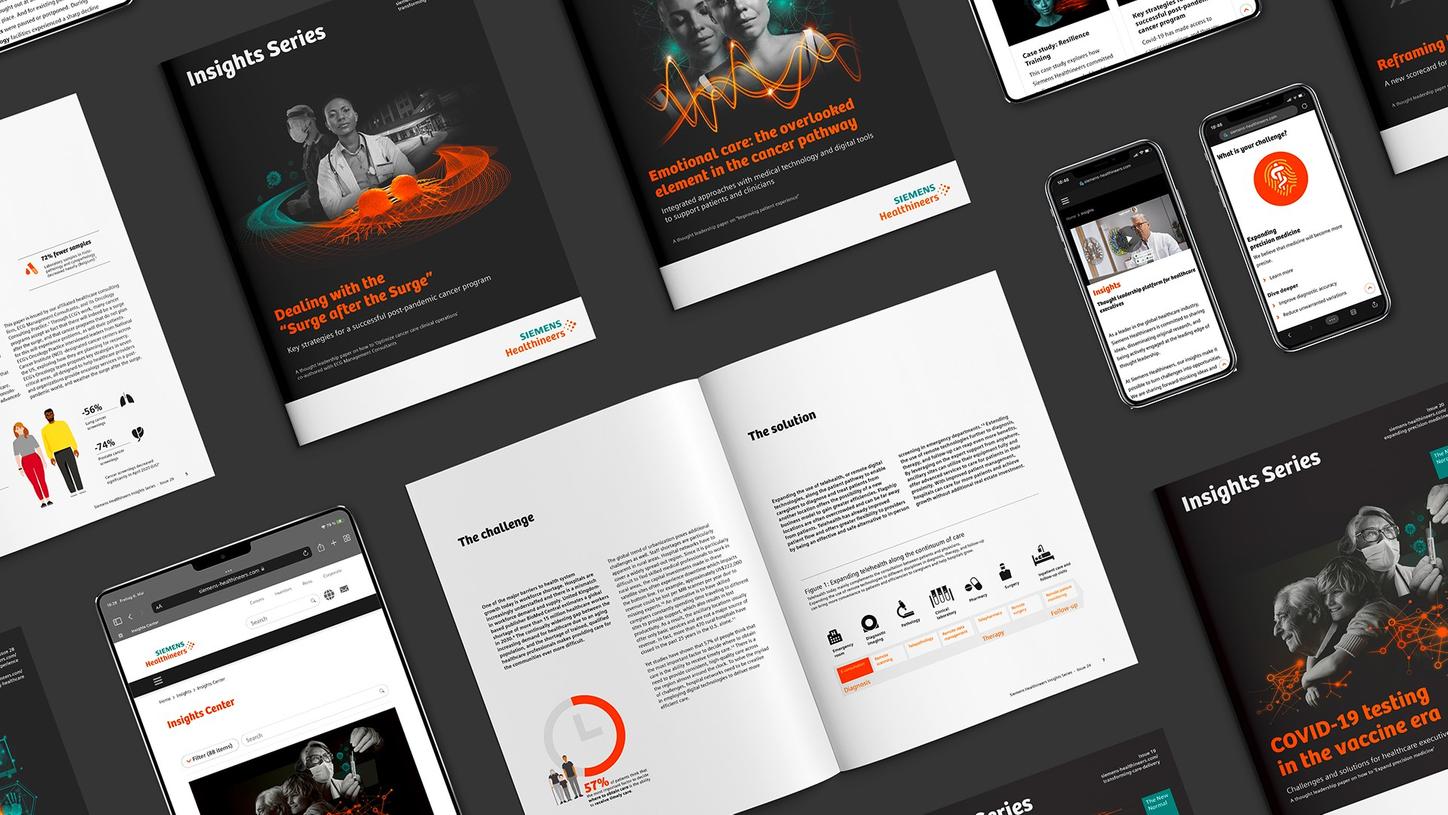
This thought leadership publication is part of the Siemens Healthineers Insights Series. It provides ideas and practical solutions on "Healthcare workforce". For more Insights, please visit siemens-healthineers.com/insights-series.
Turn the staff well-being strategy into action.
Explore the practical lessons from Mount Sinai and identify a focused starting point for your organization.

About the authors


Jonathan A. Ripp
Dean for Well-Being, Icahn School of Medicine at Mount Sinai
Jonathan Ripp, MD, is Dean for Well-Being and Chief Wellness Officer at the Icahn School of Medicine at Mount Sinai, where he leads system- wide initiatives to advance the well-being of all members of the Mount Sinai community. An internationally recognized expert in clinician well-being, burnout prevention, and workforce resilience, he is co-founder and inaugural president of CHARM, a national consortium dedicated to advancing healthcare professional well-being. His research focuses on physician burnout and evidence-based interventions that promote resilience, professional fulfillment, and sustainable healthcare workplaces.