EVAR in the Hybrid OR
Perfecting endovascular aortic repair with procedural intelligence

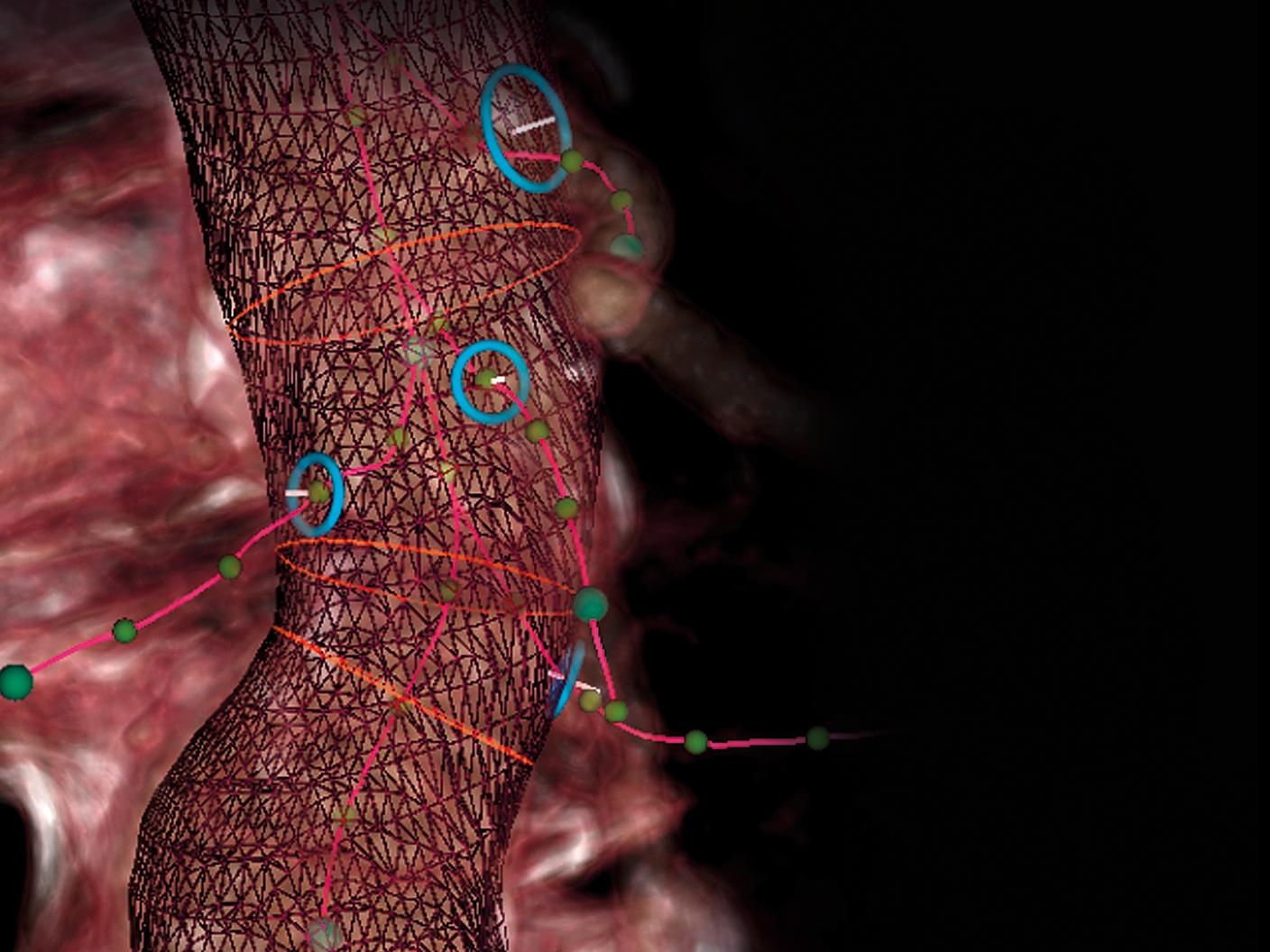
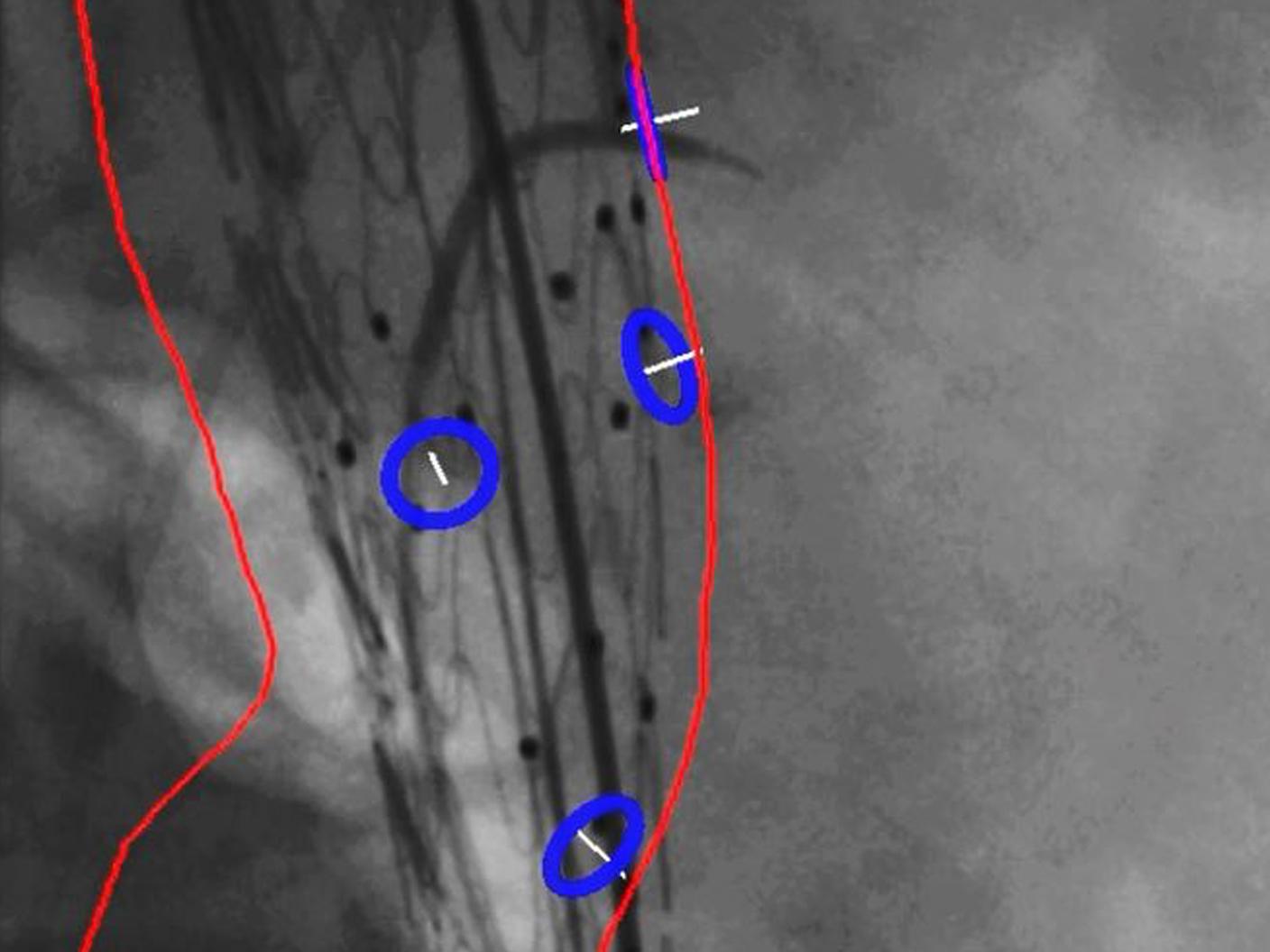
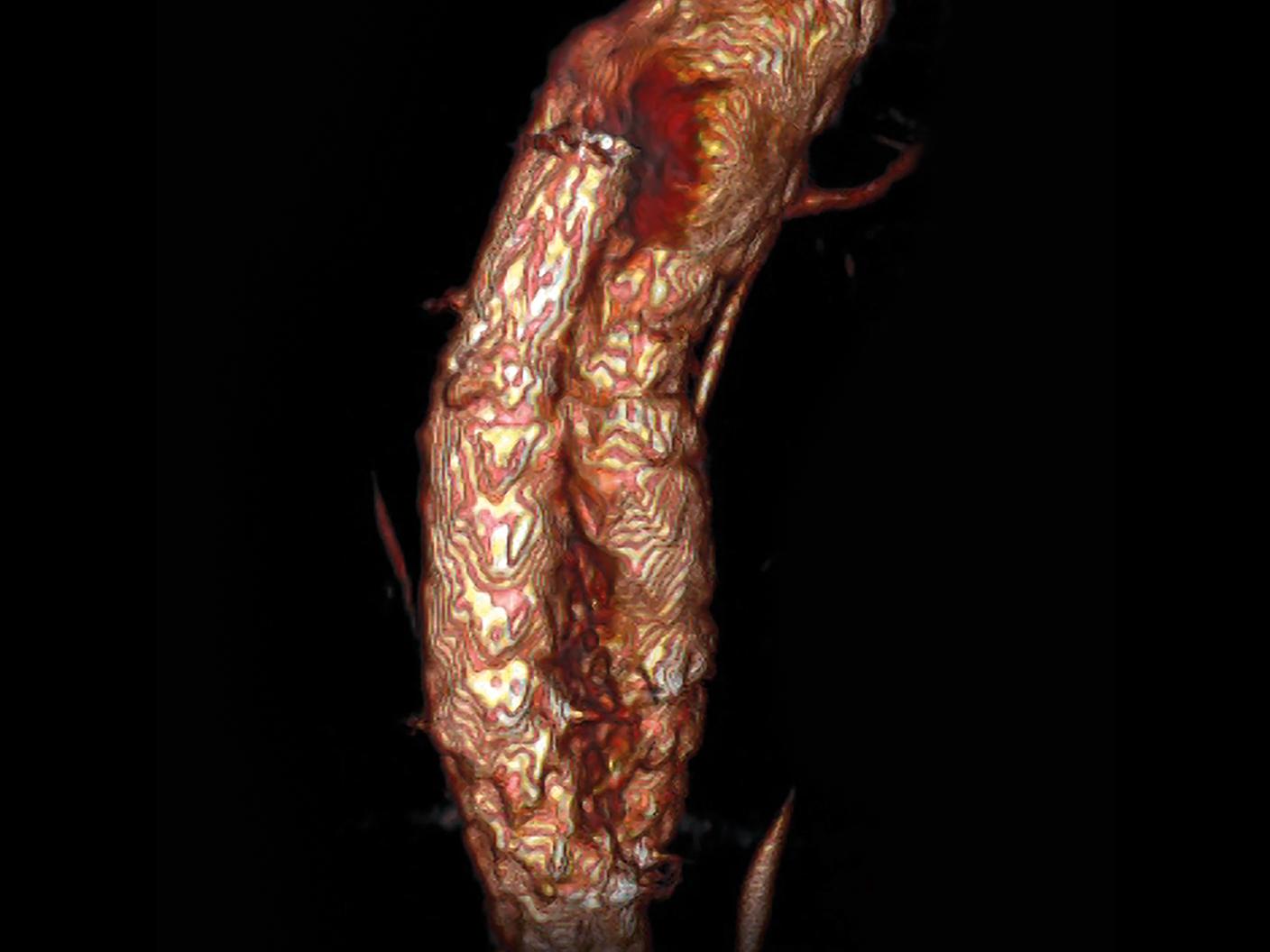
Stent deployment with fusion imaging
EVAR in the Hybrid OR
 
Contacte-nos

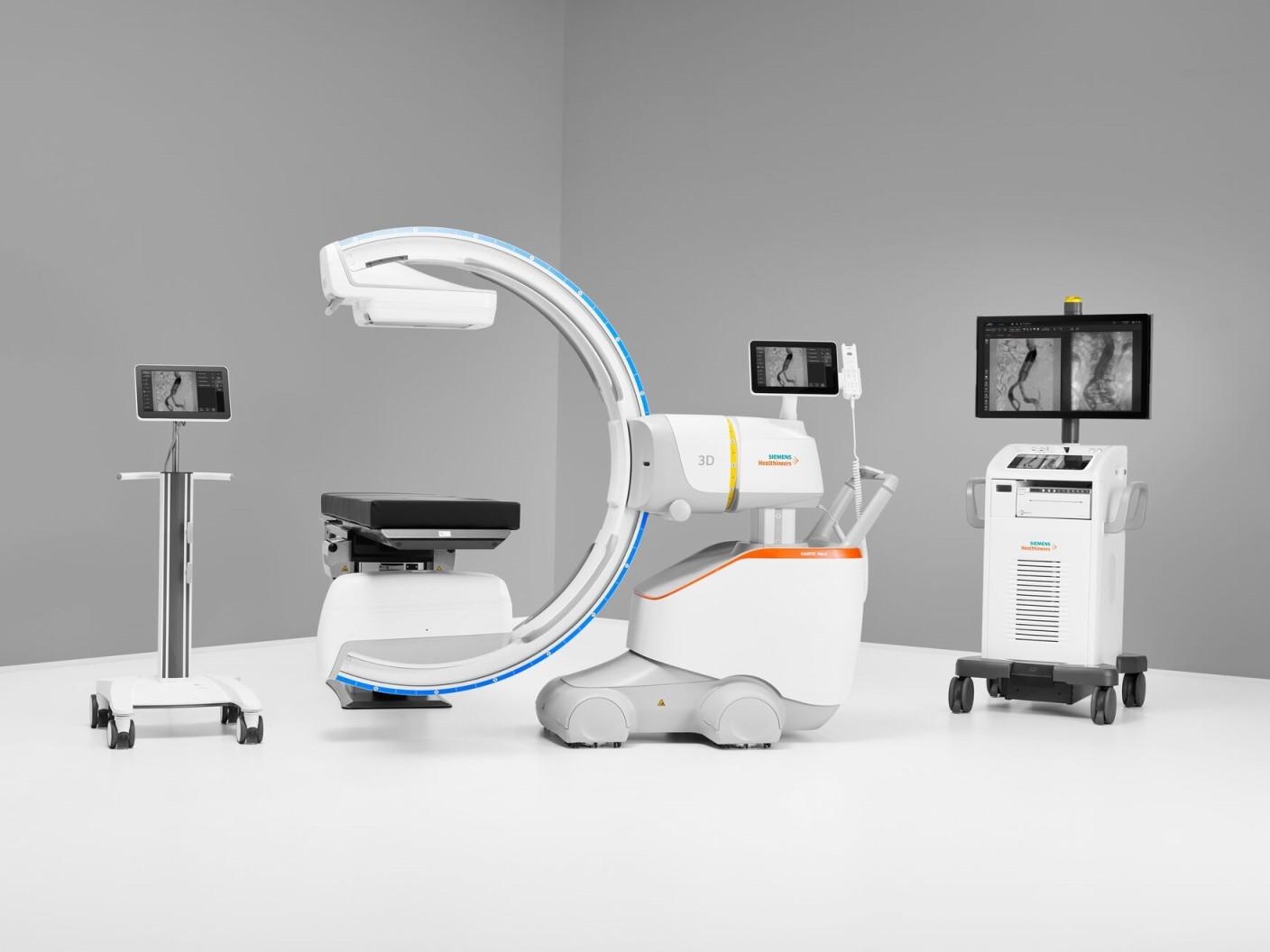
Our fixed C-arms with procedural intelligence simplify endovascular treatment. They allow you to standardize vascular workflows for routine procedures and guide you through complex cases for optimal patient outcomes.

Increasing complexity of EVAR repair
Patient demand for complex EVAR procedures is rapidly increasing. Endovascular stent grafts are already the treatment of choice for up to 80% of aortic aneurysm cases in the U.S. today1. We offer a cutting-edge portfolio of Hybrid OR solutions that help standardize all of your workflows, enabling you to perform complex treatment on a routine basis.

Procedural intelligence

Procedural intelligence changes EVAR treatment

Our fixed C-arms with procedural intelligence help you standardize and speed up your endovascular procedures. Intraoperative software guidance provides assistance throughout your EVAR treatments. With intelligent optimization of image quality and dose along with automated C-arm positioning, even complex cases are greatly simplified. Implement your own workflow to standardize system settings for EVAR procedures: select custom parameters for every procedure step just one time and then let the system set them automatically in the future.

Discover our EVAR workflow

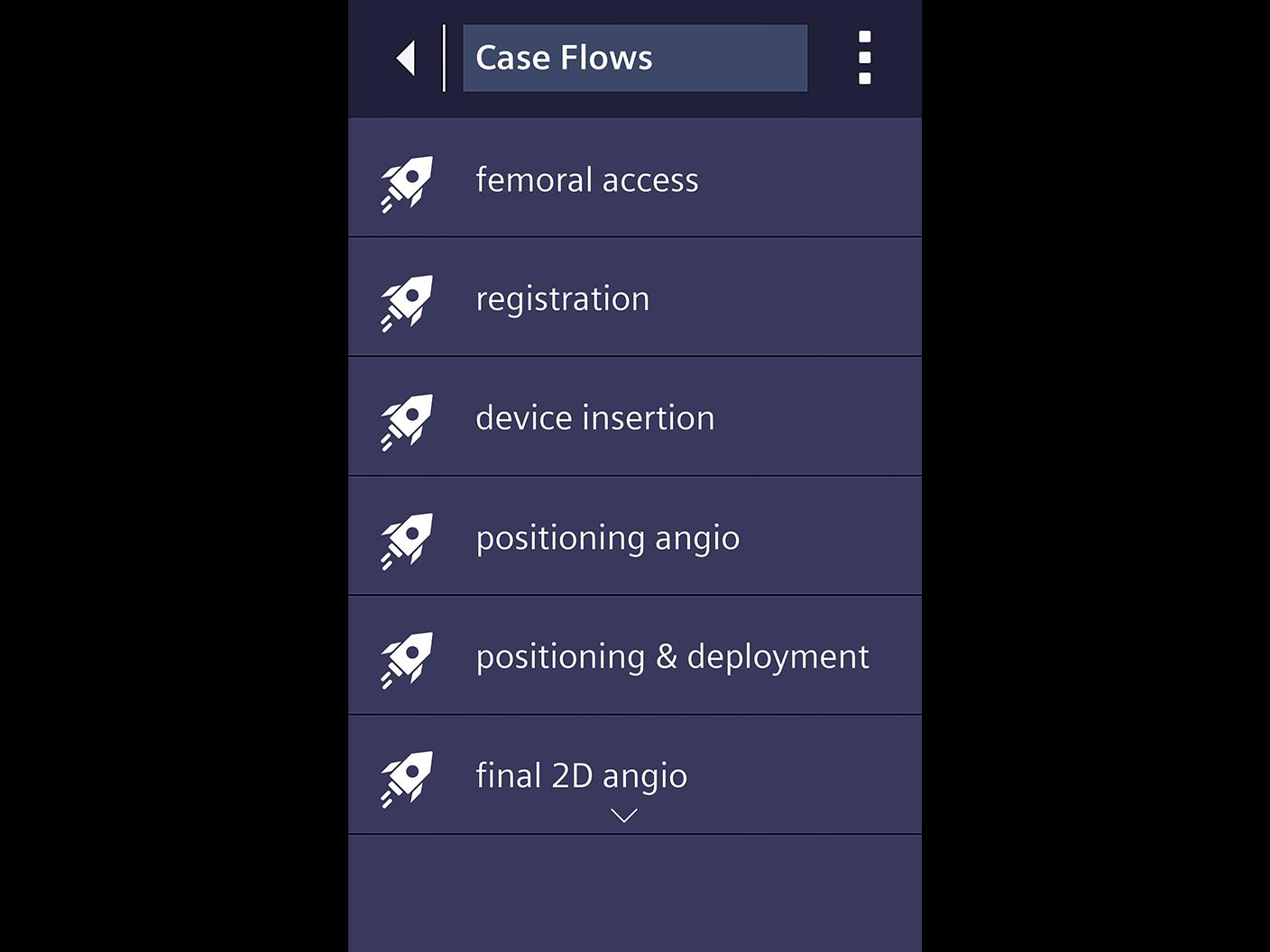
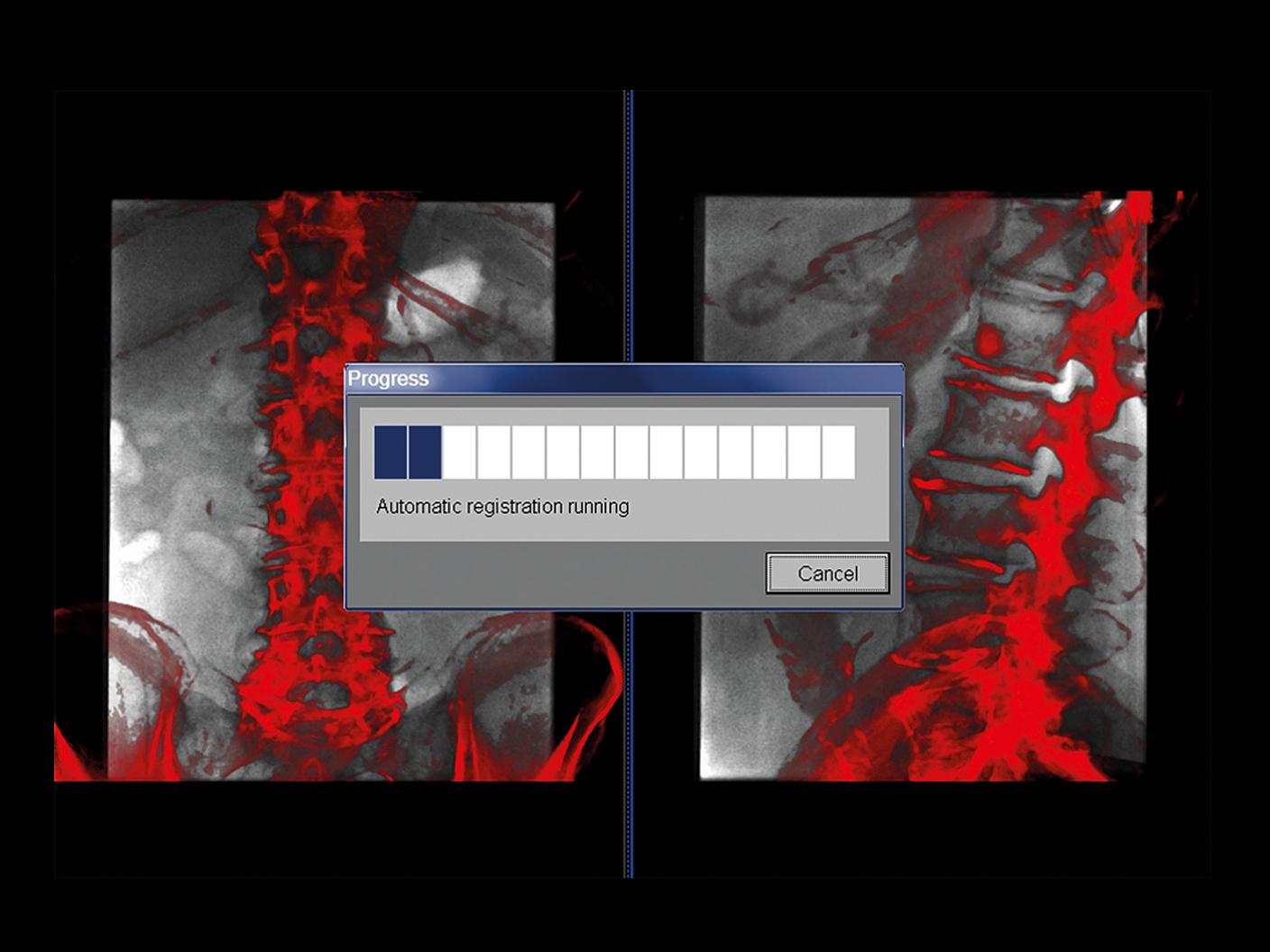
Our assisted workflow for EVAR allows you to focus entirely on precise stent deployment. Our Hybrid OR imaging systems guide you throughout the entire procedure, from initial data preparation up to 3D assessment of stent positioning.

Customer statements

Hear what our customers are saying

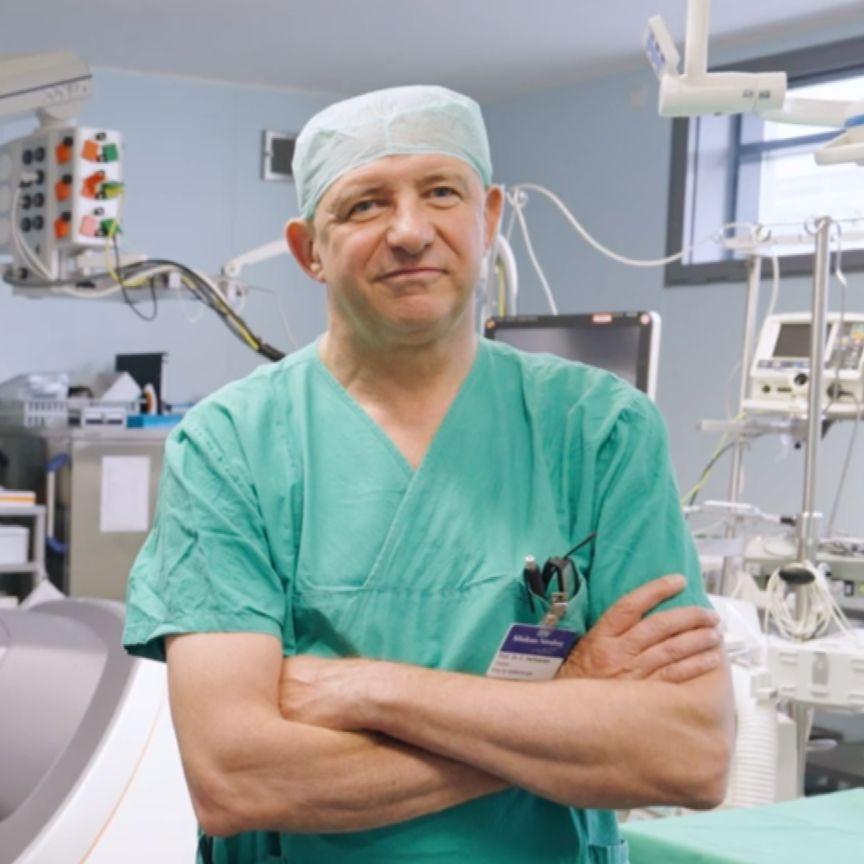
Photo of Dr. Marquardt
ARTIS pheno with syngo EVAR Guidance enables us to treat our patients with less radiation exposure, faster and more efficiently. Especially complex procedures like fenestrated stent grafts or TEVAR procedures are extremely simplified. Dr. med. Frank Marquard
Rotes Kreuz Krankenhaus, Bremen, Germany

Clinical evidence

Review the clinical evidence

(f)EVAR treatment in itself can lower complication rates2 and even reduce the risk of mortality compared to open surgery.3 Using fusion imaging – a core component of procedural intelligence – unlocks additional benefits for you and your patients.

Shorter procedures

Complex procedures without image guidance are lengthy. Fusion imaging provides continuous 3D guidance throughout the whole procedure. This approach helps reduce the procedure time by up to 30%.4

Less iodine contrast media

Renal insufficiency due to high contrast media use creates limitations for treating patients with comorbidities. Fusion imaging provides continuous guidance without additional contrast media and may therefore reduce contrast media use by up to 57%.5

The statements with footnotes in this document are based on a result of the quoted clinical study that evaluates the procedure. The results are not generated with the actual product version. It is expected, that the actual product version has similar or improved functionality to support the evaluated procedure.

Some/All of the features and products described herein may not be available in the United States or other countries.

1Ronald L Dalman and Matthew Mell, “Patient Education: Abdominal Aortic Aneurysm (Beyond the Basics),” UpToDate, last updated Jan 31, 2018, https://www.uptodate.com/contents/abdominal-aortic-aneurysm-beyond-the-basics.

2Shorter anesthesia time and less risk of necrotic tissue due to unperfused areas (A), reduced risk for patients with renal insufficiencies (B), fewer early reinterventions (C) lead to lower complication rates overall.

3Muhammad S. Sajid et al., “Endovascular Aortic Aneurysm Repair (EVAR) Has Significantly Lower Perioperative Mortality in Comparison to Open Repair: A Systematic Review,” Asian Journal of Surgery 31, no. 3 (2008): 119–123, http://doi.org/10.1016/S1015-9584(08)60071-8.

4Michael McNally et al., “Three Dimensional Fusion CT Decreases Radiation Exposure, Procedure Time and Contrast Use during Fenestrated Endovascular Aortic Repair,” Journal of Vascular Surgery 61, no. 2 (2014): 309–16

5Michael McNally et al., “Three Dimensional Fusion CT Decreases Radiation Exposure, Procedure Time and Contrast Use during Fenestrated Endovascular Aortic Repair,” Journal of Vascular Surgery 61, no. 2 (2014): 309–16