ASEAN Stroke Insights Board

Dr. dr. Affan Priyambodo, Sp. BS (K), Subsp. N-Vas
Chief Medical Officer,
Dr. Sardjito General Hospital, Indonesia

Prof. Dr. Khairul Azmi Abd Kadir
Senior Consultant, Neurointerventional Radiologist & Endovascular Neurosurgeon,
University Malaya & UMMC, Malaysia

Dr. Jay Villavicencio
Endovascular Neurosurgeon, Board of Trustee, Stroke Society of the Philippines, Philippines




Stroke care by readiness by country
- Indonesia has made substantial progress with 231 districts now thrombolysis-capable and 81 thrombectomy-capable under the national stroke program, yet services remain concentrated in Western regions, leaving Eastern Indonesia underserved.
- Malaysia has established multidisciplinary stroke teams and advanced neuroimaging in major stroke centres but faces geographic disparities limiting rural access. Inter-hospital transfer delays and workforce constraints remain critical bottlenecks.
- In the Philippines, stroke care is mostly concentrated in private hospitals while government facilities lack advanced imaging. Manila and its surrounding area of 20–30 million people remain underserved.
- Singapore has achieved a 5–6-fold reduction in stroke mortality since the 1990s through comprehensive planning, efficient emergency medical services (EMS), and consolidated stroke centres that could be reached within 15 minutes. Primary gaps exist at the community level rather than in hospital infrastructure.
- Few comprehensive stroke care centres exist in Thailand; patients outside urban areas face 1–2-hour transfers to comprehensive facilities, making timely intervention difficult. Siriraj Hospital deployed the Mobile Stroke Unit program, which operates 24/7, integrating EMS, telemedicine, AI-assisted stroke recognition, and prehospital CT imaging to shorten treatment delays before hospital arrival.
- In Vietnam, the experience of the Stroke International Service (SIS) in Can Tho City, improved intravenous tissue plasminogen activator (IV tPA) coverage in the Mekong Delta region, with mortality due to hemorrhagic stroke significantly reduced. The SIS experience demonstrates how successful public-private partnerships can support
improvements in stroke care, offering relevant learnings that could be adapted for other ASEAN countries of similar geography and level of stroke readiness.
Common challenges across ASEAN
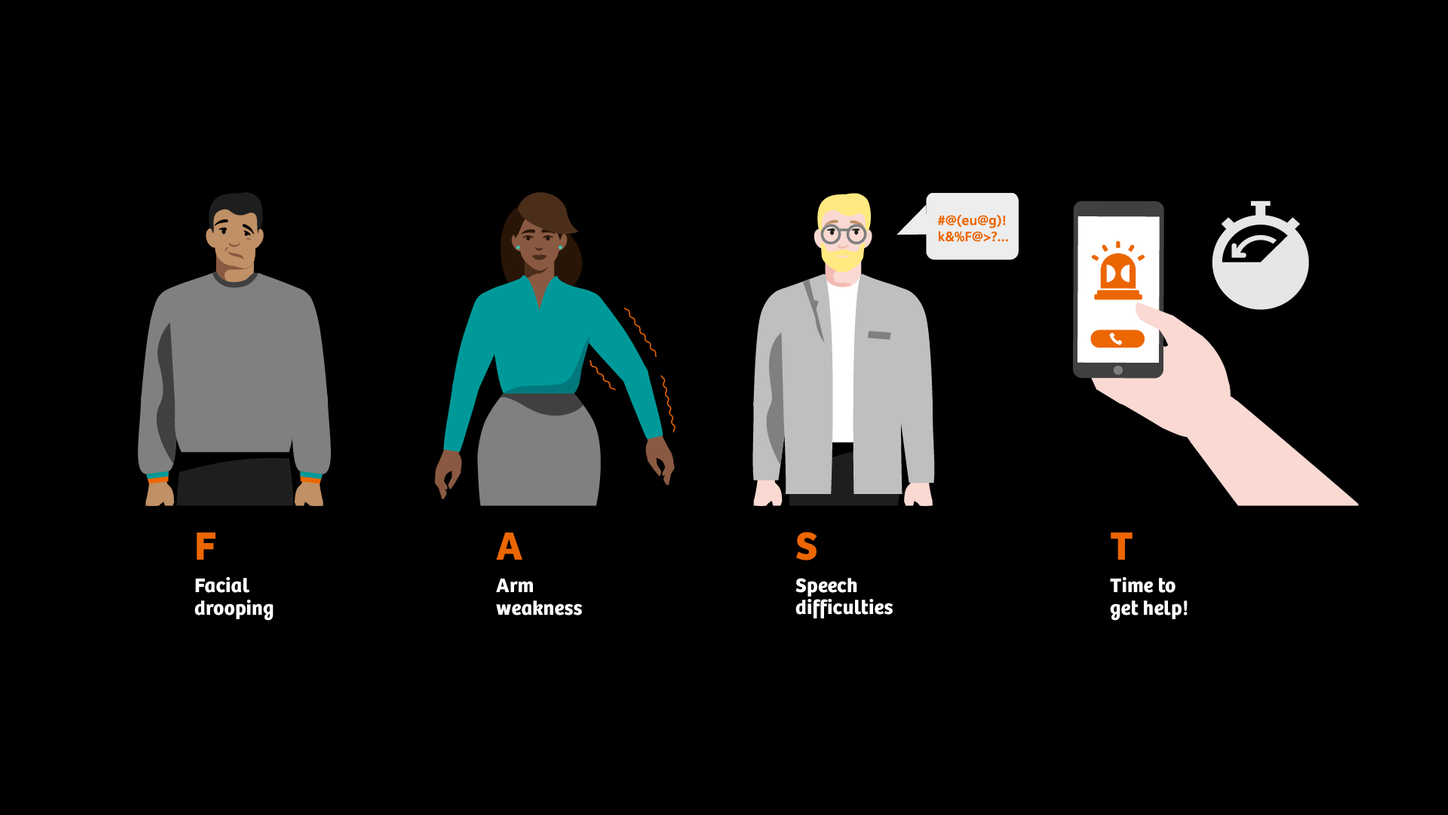
Structural delays dominate the stroke care pathway, with most time loss occurring at pre-hospital levels and during inter-facility transfers. Transportation delays and slow reporting processes are barriers to timely imaging. All countries are faced with limited public awareness of stroke symptoms, which may contribute to delays throughout the entire stroke care pathway. Workforce shortages, particularly neurointerventional nurses and neurovascular surgeons, represent a constraint across the region. Additionally, expanded reimbursement mechanisms are critical enablers; inadequate insurance coverage and government funding directly impede equitable access to stroke care.
Immediate priorities for advancing stroke readiness
Five common priorities were identified.
- Strengthen referral pathways and inter-hospital coordination, moving from proximity-based to capability-based routing and treating networks as unified systems
- Reduce door-to-treatment times by eliminating unnecessary patient transfers by bypassing the emergency department to CT suites where potential stroke patients can undergo diagnosis and treatment.
- Invest in building capabilities by prioritising training of neurointerventional nurses and neurovascular surgeons
- rather than advanced imaging devices alone.
- Leverage artificial intelligence for near-term applications including automated large vessel occlusion
- detection, ischemic penumbra assessment, and tele-stroke support for remote hospitals.
- Strengthen community support for stroke survivors and improve public recognition of FAST and stroke symptoms.
Call to action
The Advisors underscored the importance of strengthening regional collaboration and knowledge-sharing by adopting proven cases like Vietnam’s SIS, Indonesia’s hub-and-spoke system, and Singapore’s comprehensive planning approach. They called for governments to commit to increased funding and broaden national health insurance coverage, recognising these investments as essential to achieving equitable stroke care and elevating stroke readiness throughout the ASEAN region.