Hepatitis test solutionsDiagnostics built to deliver confidence
Hepatitis remains a major global public health challenge, with over 300 million people living with chronic hepatitis B or C worldwide, according to the World Health Organization (WHO).1 Despite being preventable and treatable, viral hepatitis causes more than 1.3 million deaths annually.1 Timely, accurate, and accessible testing are important to improving patient outcomes and advancing public health initiatives.2

Benefits
Our hepatitis solutions deliver trusted clinical performance and broad detection capabilities on a platform engineered for high-powered intelligent automation and workflow efficiency, supporting patients and clinicians in the fight against viral hepatitis.
Built to simplify workflows without compromising clinical confidence, our hepatitis solutions combine high performance assays with intelligent automation to support efficient and reliable decision making.
- Reduced need for repeat testing: Our HBsAg II assay is the only infectious disease assay with a secondary cut-off,3 at an index >50 and is built to streamline laboratory operations by reducing the need for duplicate repeat testing and improving workflow.
- Built-in workflow intelligence for efficiency: The Atellica Data Manager includes hepatitis algorithms that can help automate and simplify testing by facilitating assay-specific instructions for use. The lab can apply different configurations to customize the workflow and meet your needs.
Hepatitis testing can be labor-intensive and disrupt routine workflows. By consolidating a comprehensive infectious disease portfolio on the Atellica Solution, built for high performance, laboratories can streamline operations, reduce workflow interruptions, and expand testing capacity without added complexity.
The Atellica IM Analyzer software optimizes its dual incubation ring by automatically assigning longer-incubation assays, such as infectious disease testing, to the internal ring while reserving the outer ring for shorter-incubation routine and STAT assays. This intelligent workflow management system enables you to consolidate hepatitis as well as routine and STAT assays on the Atellica Solution without compromising turnaround time.4
Hepatitis Testing Overview
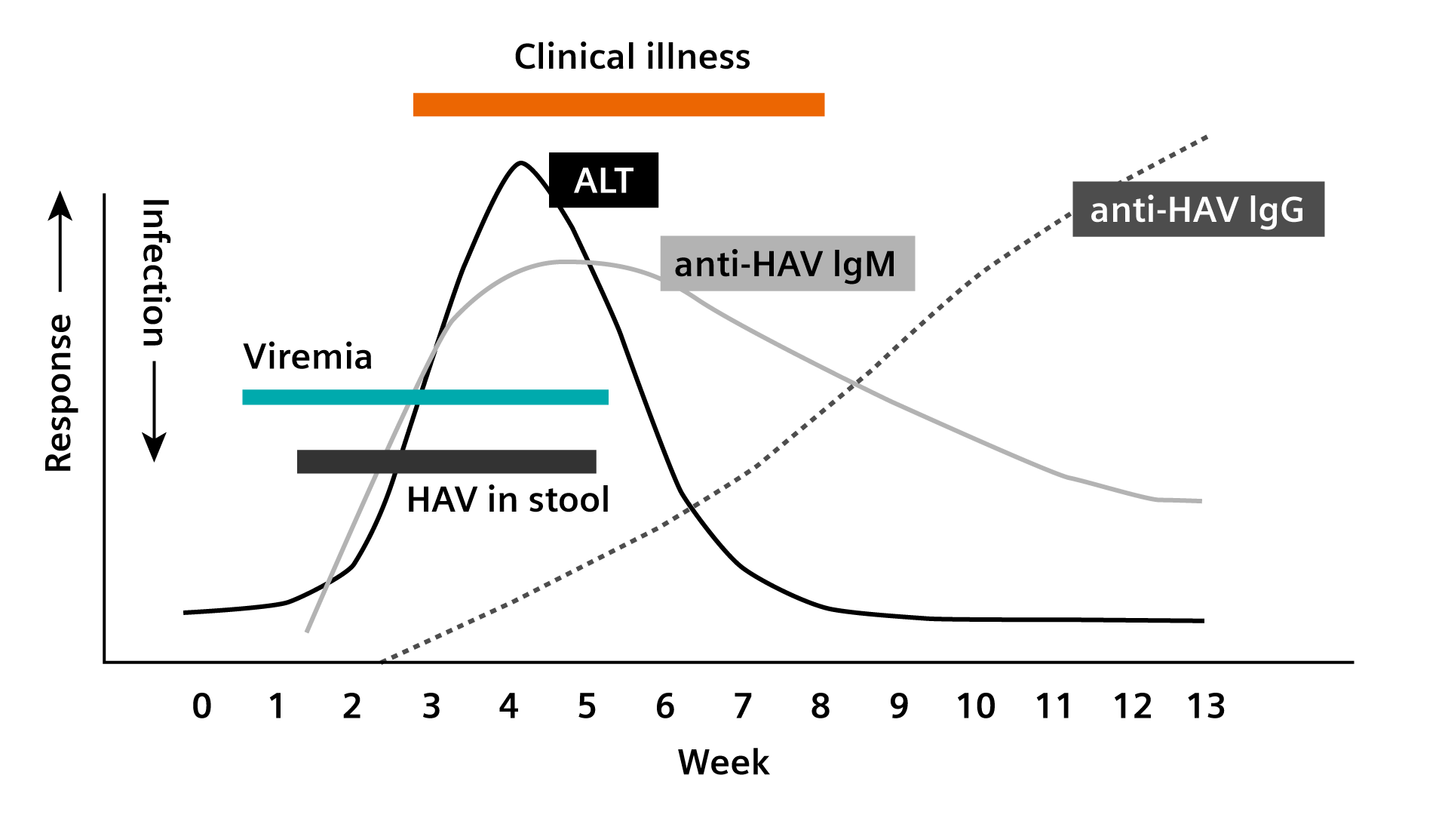
Hepatitis A5,6
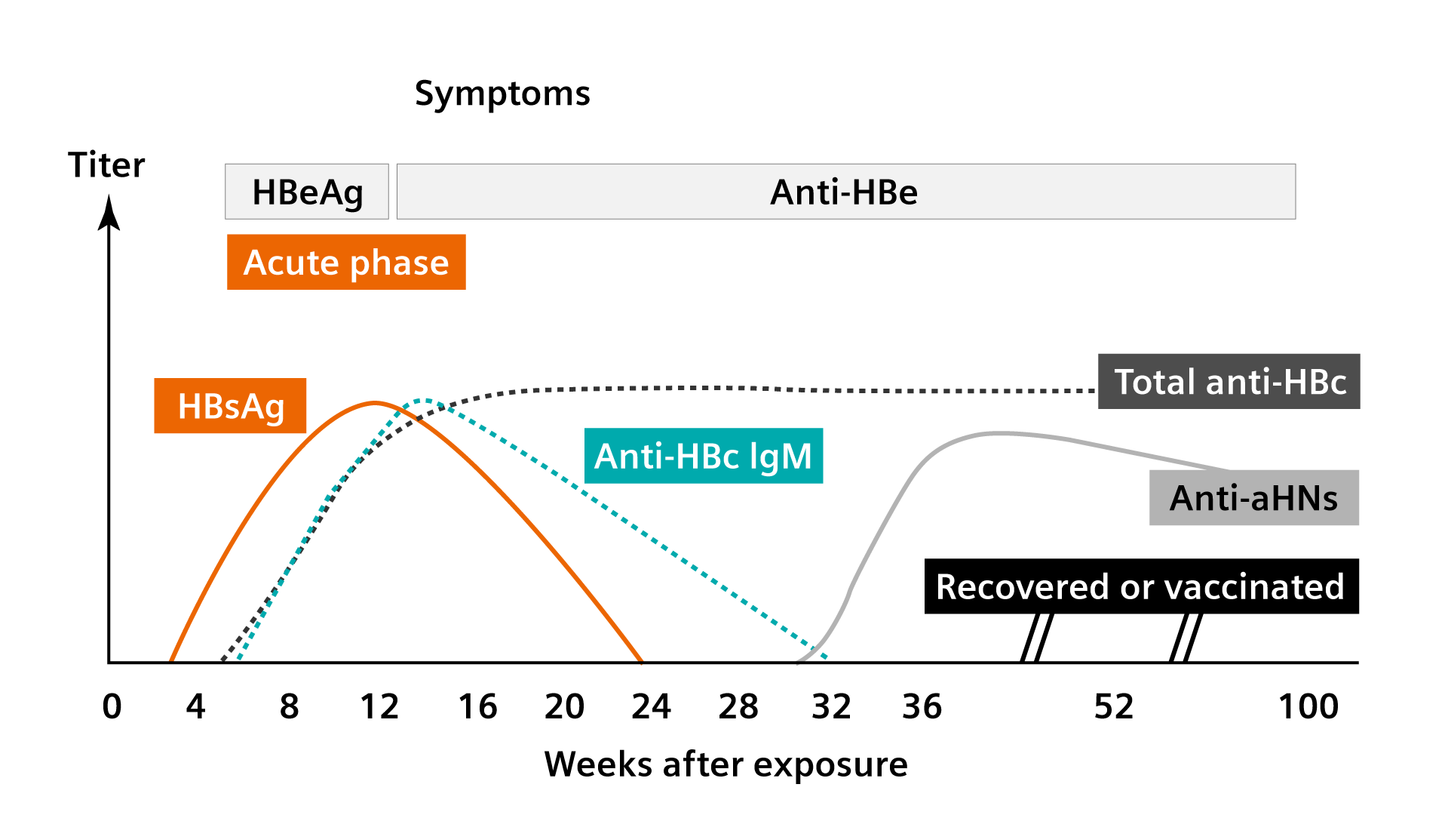
Hepatitis B7-9
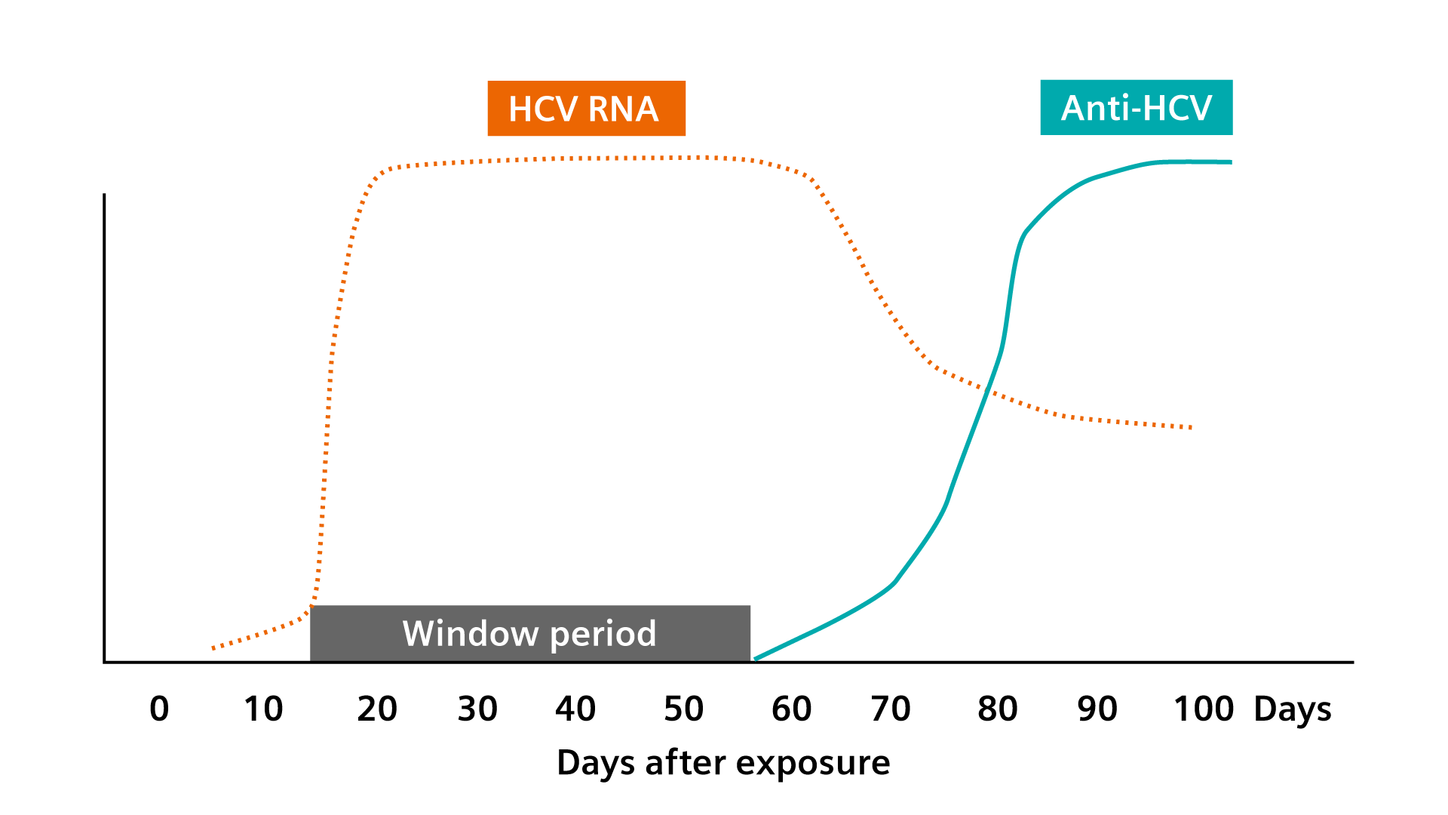
Hepatitis C10,11
Atellica IM Portfolio
Evidence
Testimonials
“The integration of serological tests, such as hepatitis, on the same automation as urgent assays had no negative impact on turnaround times. On the contrary, we observed an improvement, even for critical assays like Troponin I.”


Related Products

HIV assay

Syphilis assay