Clinical Case Study 1
A 45-year-old female with a known history of breast cancer diagnosed two years earlier was referred for routine cardiac follow-up. Her oncologic treatment included chemotherapy, radiotherapy, and subsequent mastectomy. She was currently receiving long-term HER2-targeted therapy with trastuzumab.
The patient was asymptomatic, with no clinical features suggestive of cardiovascular disease.
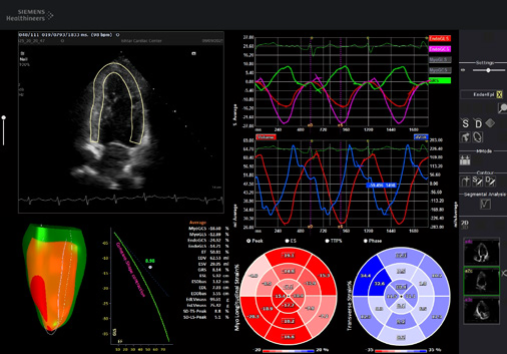
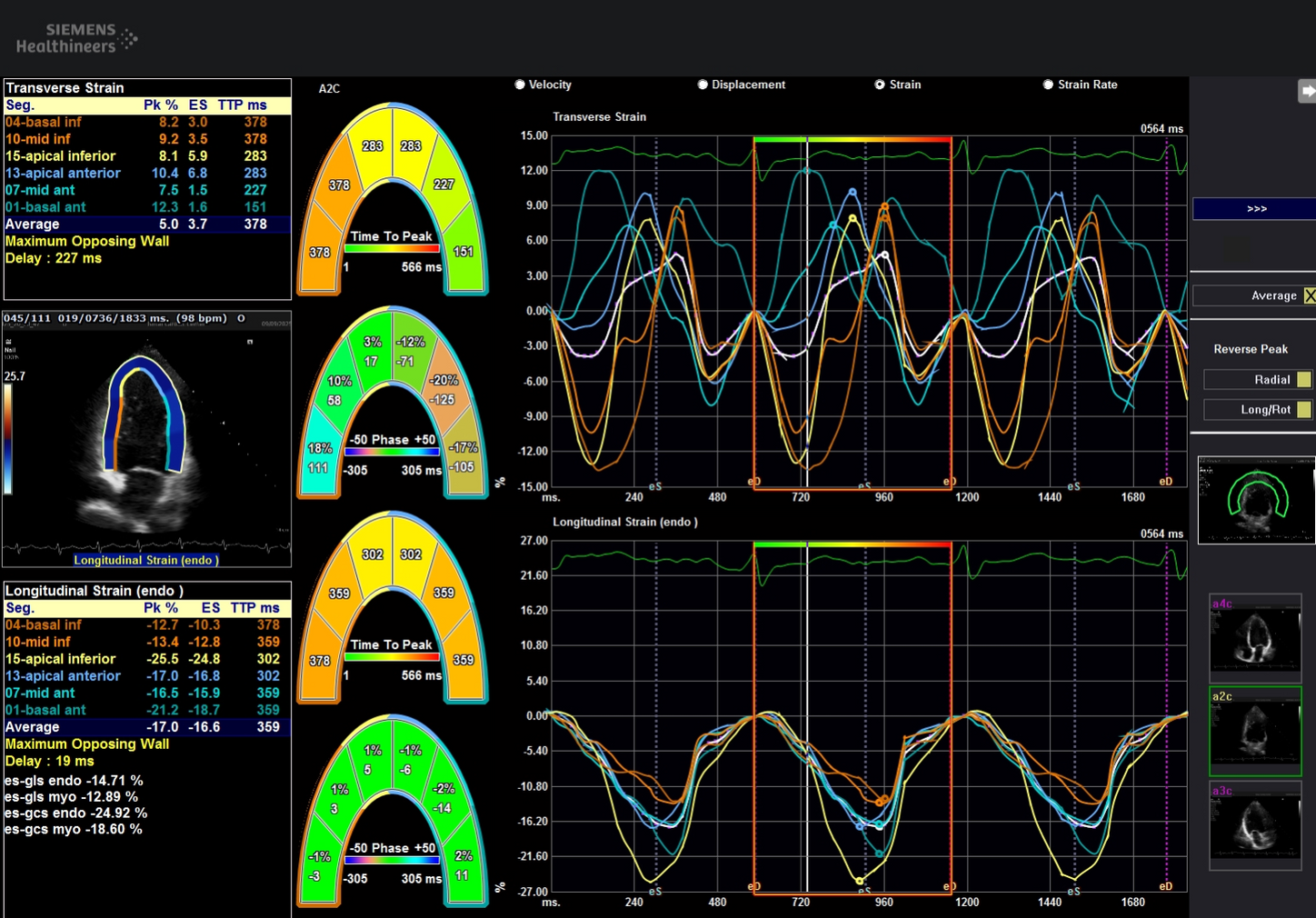
Key Findings
Conventional Echocardiographic Findings
• Left ventricular end-diastolic volume (LVEDV): 89.52 mL
• Left ventricular end-systolic volume (LVESV): 40.07 mL
• Left ventricular ejection fraction (LVEF): 55% (biplane Simpson’s method)
• Right ventricular size and systolic function: Normal
• Cardiac valves: Structurally normal with no significant stenosis or regurgitation
• Pericardium: No pericardial effusion
• Intracardiac masses: None identified
Clinical Case Study 2
A 41-year-old female with no prior history of cardiovascular disease was newly diagnosed with breast cancer and underwent mastectomy. As part of a structured cardiotoxicity surveillance program, she was referred for baseline cardiac evaluation prior to initiation of chemotherapy.
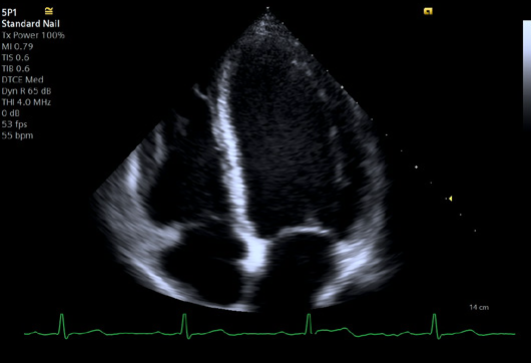
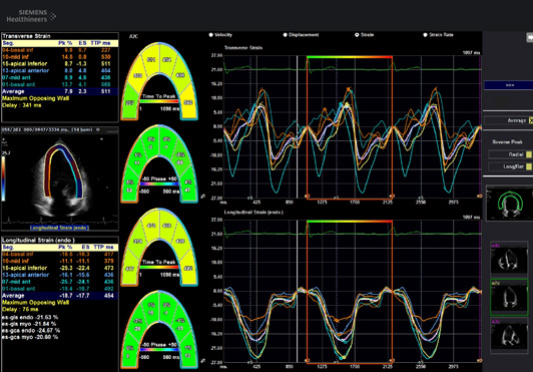
Key Findings
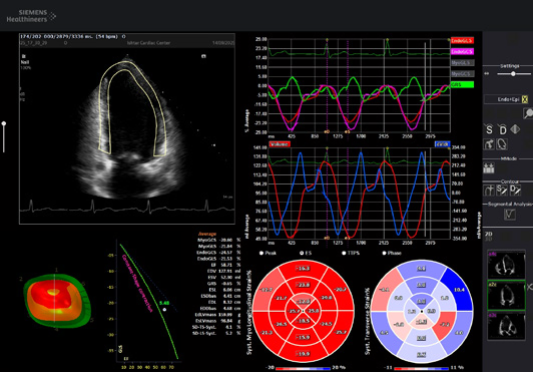
Conventional Echocardiography and Strain Imaging Findings
• Left ventricular size, wall thickness, and systolic function: Normal
• Left ventricular ejection fraction: Within normal limits
• Global longitudinal strain: Normal, comparable to reference baseline values, with no evidence of subclinical myocardial dysfunction
• Right ventricular size and systolic function: Normal
• Atrial dimensions: Normal
• Valvular assessment: No significant valvular disease
• Pericardium and intracardiac structures: No pericardial effusion or masses
Discussion
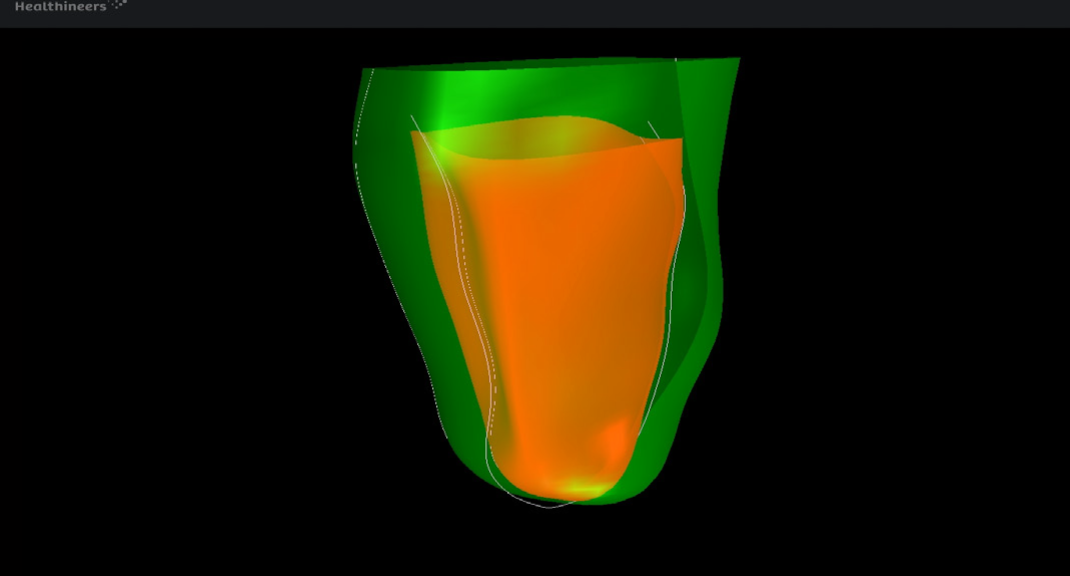
These cases illustrate two critical applications of GLS in cardio-oncology practice:
1. Early detection of subclinical cardiotoxicity in asymptomatic patients with preserved LVEF
2. Baseline cardiovascular risk stratification prior to exposure to potentially cardiotoxic agent
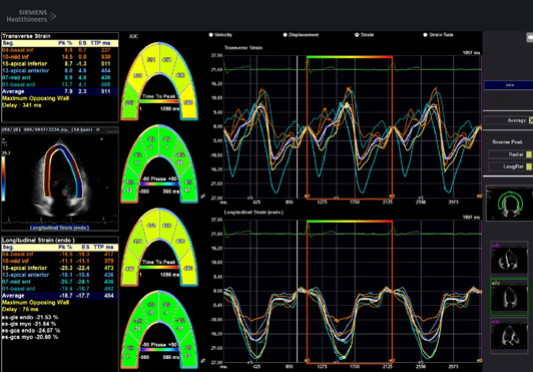
Multiple studies have demonstrated that a relative reduction in GLS precedes declines in LVEF and predicts future cardiac dysfunction. Incorporating GLS into routine surveillance enables timely cardioprotective intervention, minimizes unnecessary interruption of cancer therapy, and improves long-term cardiovascular outcomes.
Conclusion
Routine assessment of global longitudinal strain should be integrated into echocardiographic surveillance protocols for patients receiving potentially cardiotoxic chemotherapy. Early identification of subclinical myocardial dysfunction allows proactive management, preserves cardiac function, and supports uninterrupted oncologic treatment through a multidisciplinary cardio-oncology approach.