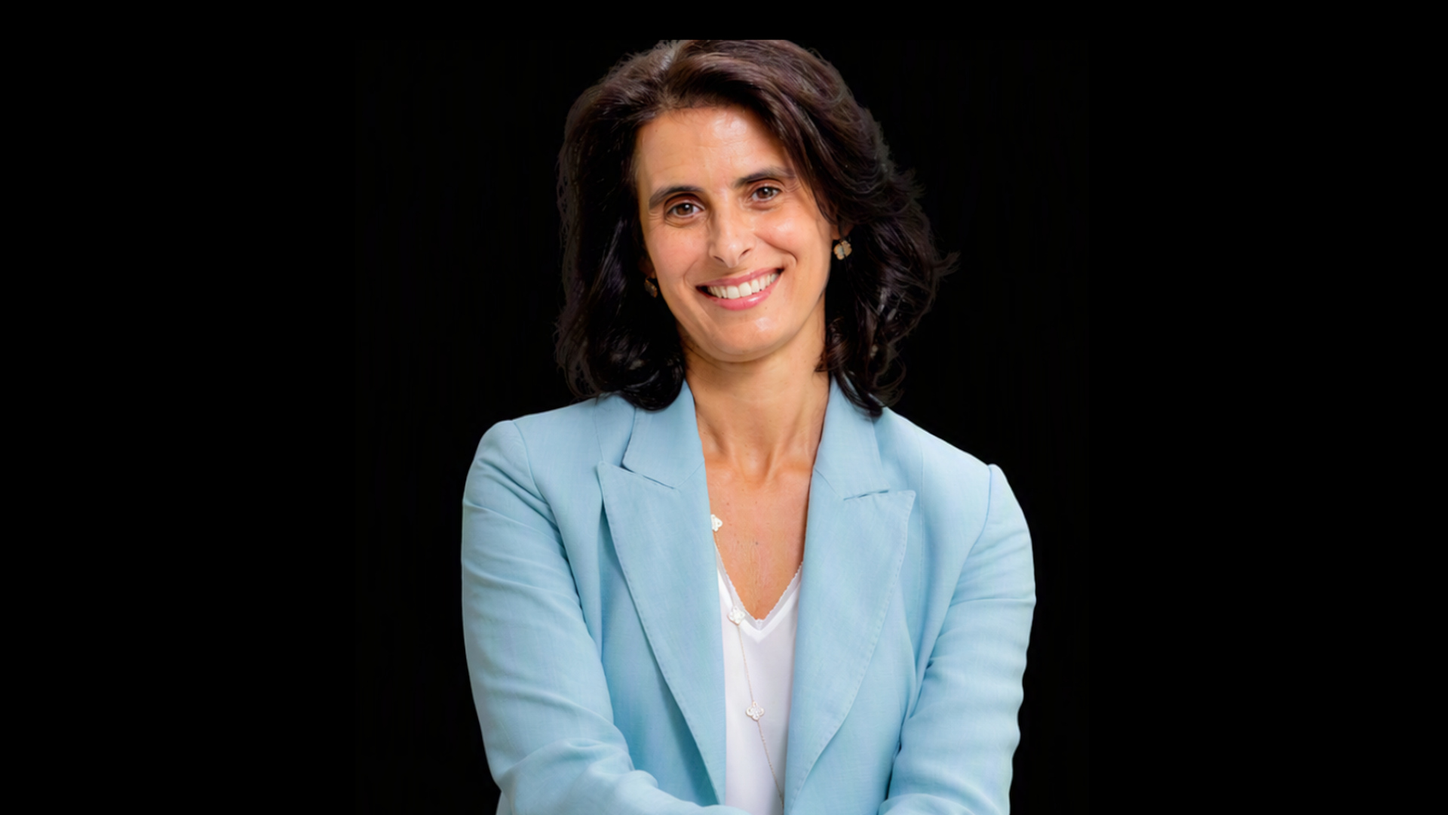
Article authors: Prof. Maria José Sousa, Joanne Grau, André Steinbuss | Reading time: 4 minutes
For healthcare providers, sustainability is becoming much more than an environmental commitment. It now affects how organizations use resources, manage risk, and stay resilient in a volatile environment.
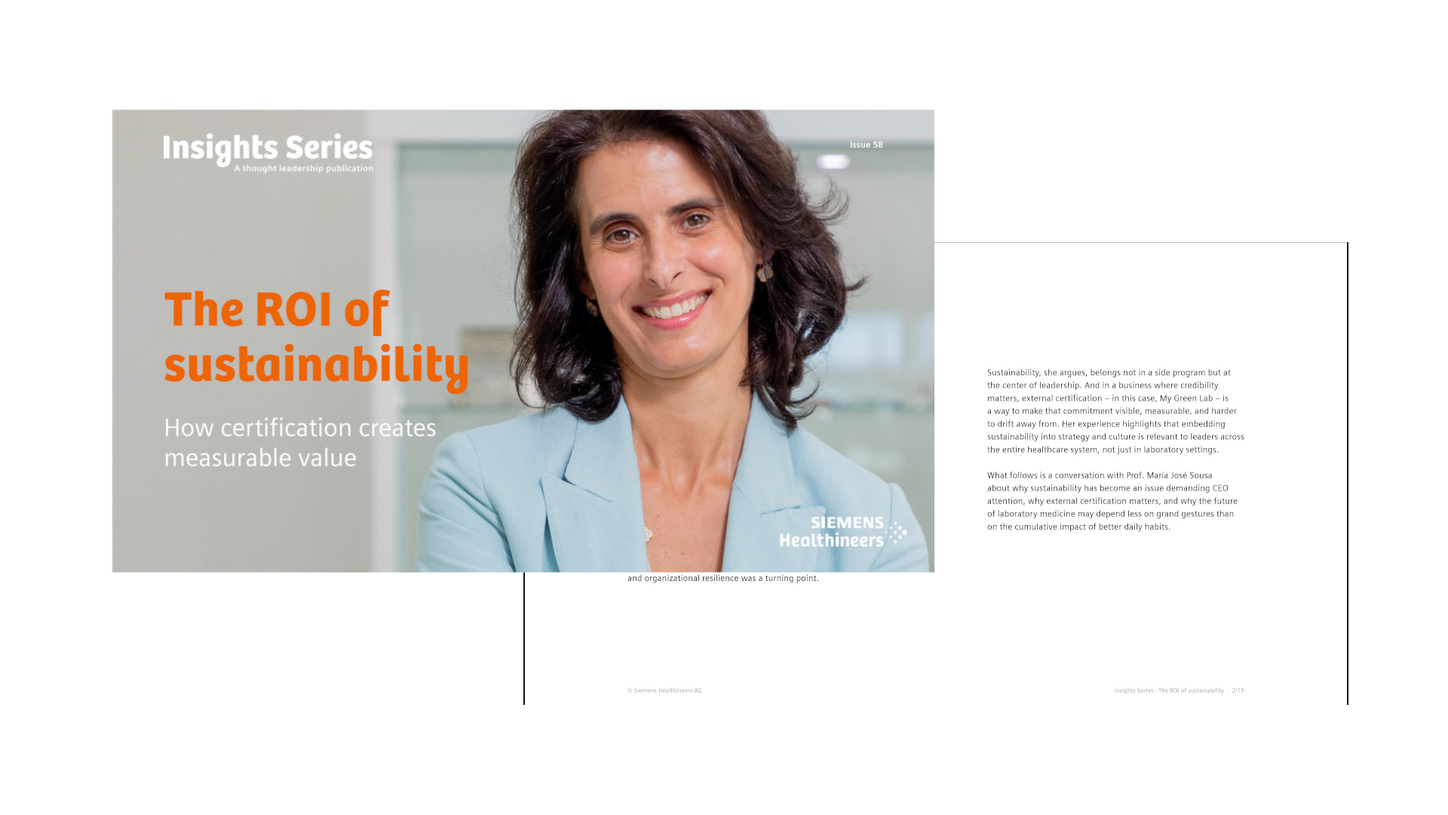
Discover in the interview with Prof. Maria José Sousa, co-CEO of Centro de Medicina Laboratorial Germano de Sousa in Portugal, how external certification can turn healthcare sustainability from a broad ambition into measurable operational progress. Learn how healthcare organizations can make impact visible, strengthen resilience, and create business value through more transparent, consistent ways of working.
“When organizations wait too long to act on sustainability, they risk losing control over their own future.”
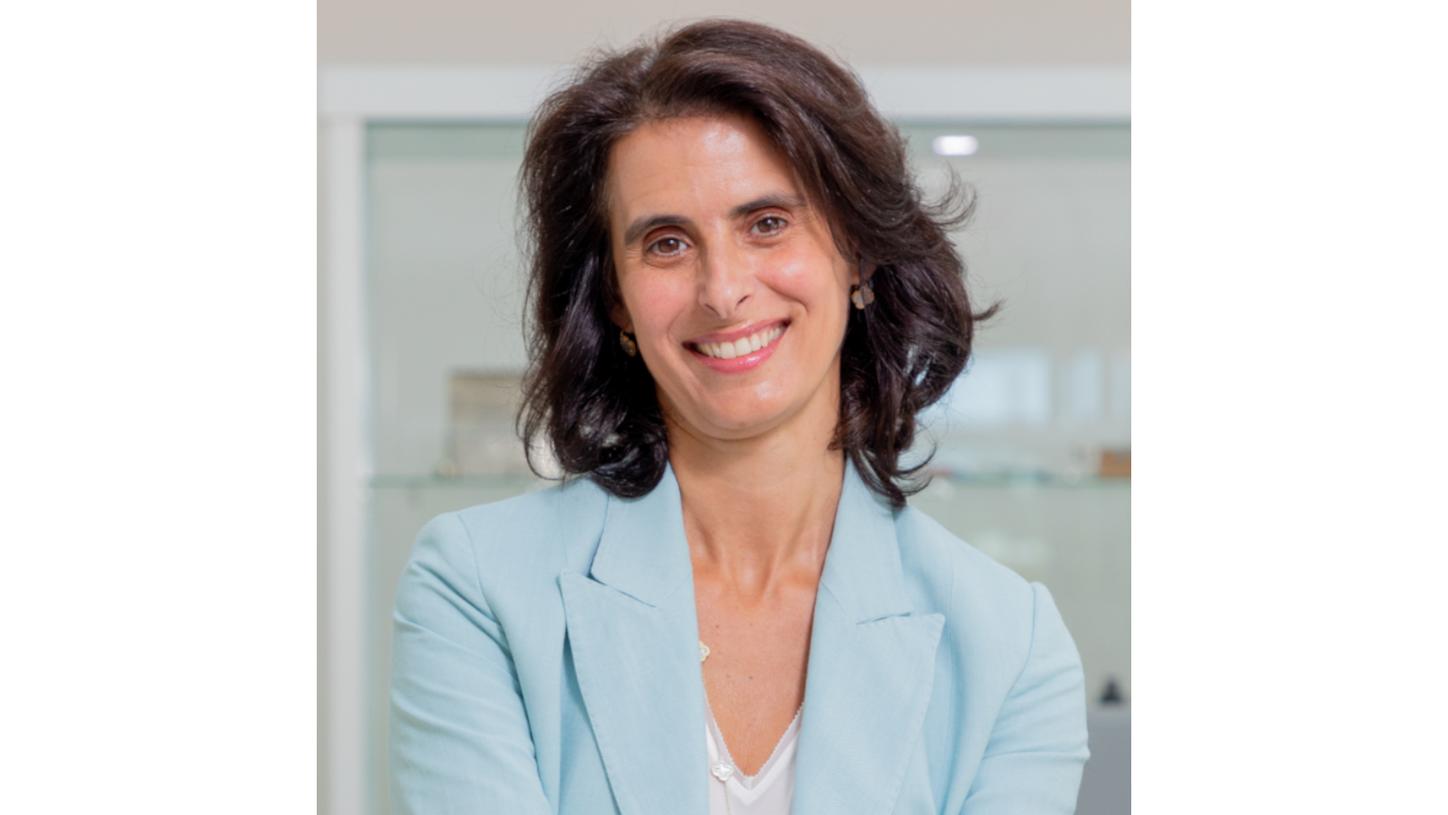
Why sustainability belongs on the leadership agenda
The reliability of healthcare operations, the confidence of stakeholders, and the capacity to adapt over time are all interconnected, and sustainability increasingly influences each of them. As healthcare sustainability plays a growing role in strategic decisions and investment choices, it has become part of the leadership agenda, helping shape the future of the organization.
Turning transparency into measurable action
The conversation with Prof. Maria José Sousa shows how certification can bring more clarity to a complex challenge. In laboratory medicine, many sustainability measures happen behind the scenes, from energy use and waste management to procurement decisions and everyday working practices. An external framework helps make these efforts more transparent, easier to compare, and more firmly embedded in daily operations.
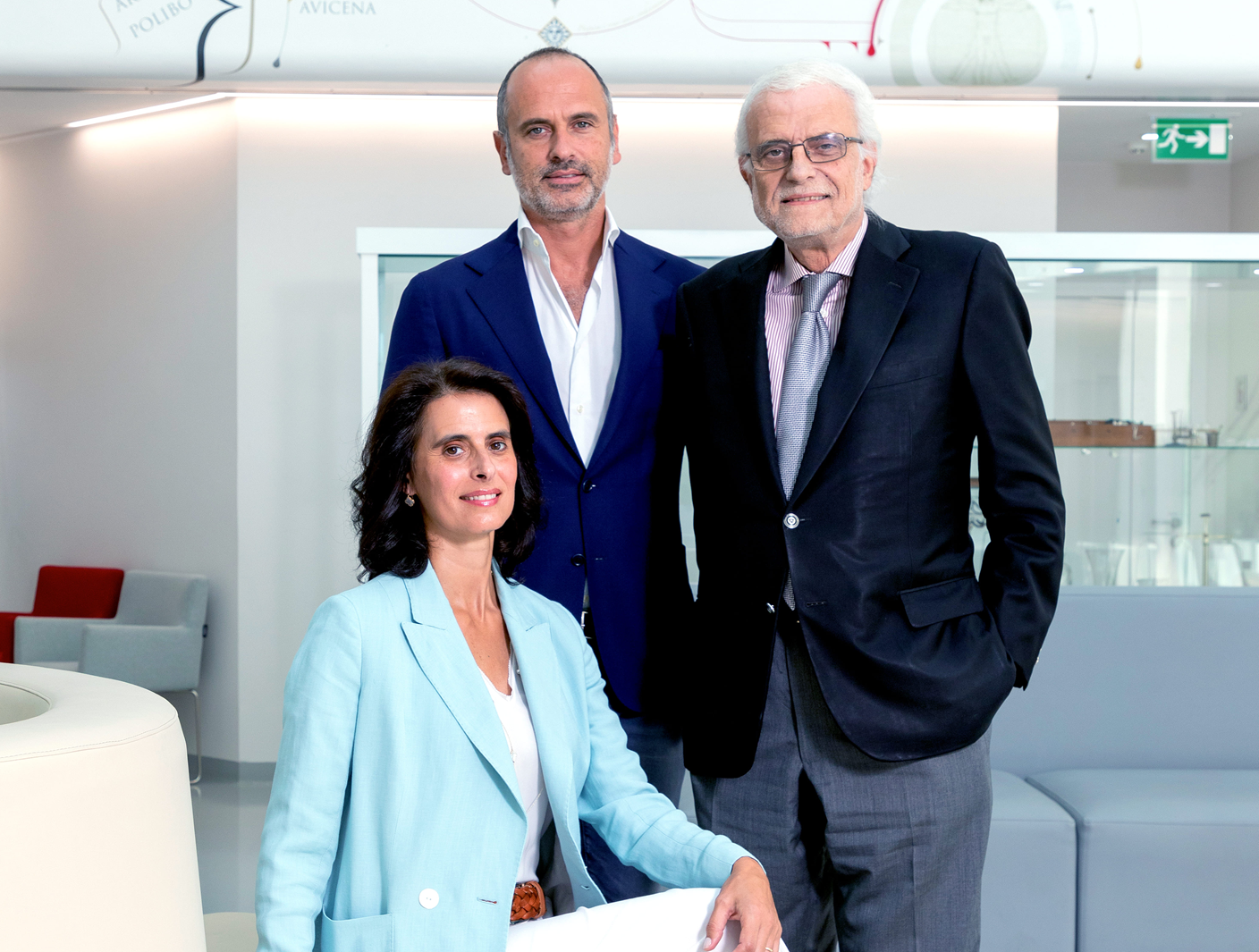
Prof. Maria José Sousa (foreground), Prof. Dr. Germano de Sousa (right) and Dr. José Germano de Sousa (left).
- Healthcare sustainability can create business value, not just additional cost. For healthcare organizations, it increasingly affects resource use, service continuity, cost control, and trust.
- Certification helps turn transparency into measurable operational progress. An external framework can help teams move beyond internal targets and see what is changing across sites and working practices.
- The ROI becomes visible when better practices scale. Less waste, more consistent processes, and stronger employee engagement can turn sustainability from an isolated initiative into a repeatable source of operational value.
In conversation with Prof. Maria José Sousa
Question (Siemens Healthineers):
Prof. Maria José Sousa, when did sustainability become a topic that demanded your personal, hands-on attention as CEO?
Answer (Prof. Maria José Sousa):
Sustainability became a CEO-level priority when it became clear that it shapes the long-term health of our organization in much the same way as clinical quality and trust. In a healthcare business, those are not separate concerns. The reliability of our operations, the confidence of our stakeholders, and our capacity to adapt over time are all interconnected.
That is especially true in laboratory medicine, where the operating model is resource-intensive, continuous, and highly dependent on resilient systems. Energy use, supply chain robustness, waste management, equipment performance, and workforce sustainability influence continuity of service, cost stability, turnaround times, and ultimately patient trust. Once that connection becomes clear, sustainability is no longer something you can manage from the sidelines.
Question (Siemens Healthineers):
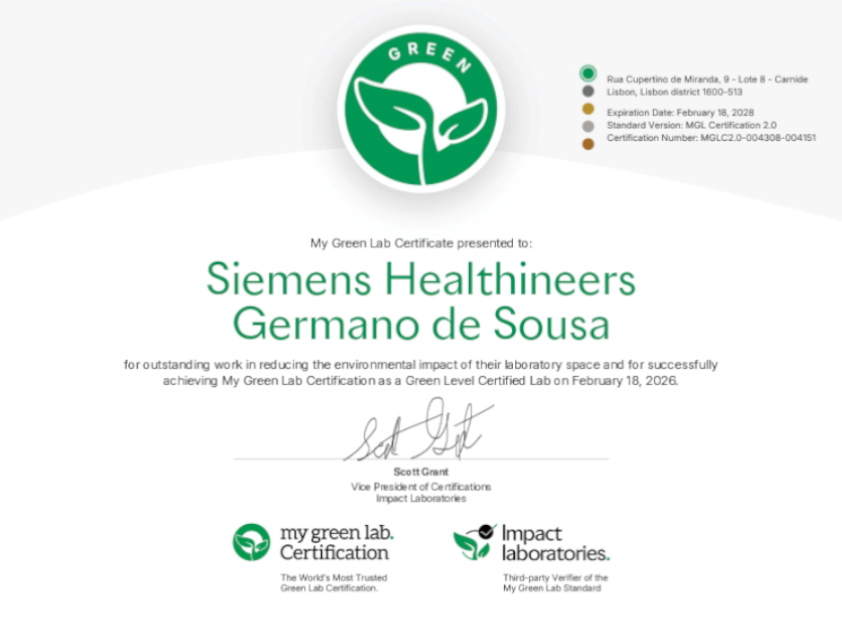
Many organizations establish internal targets for energy reduction or recycling, then stop there. You chose external certification from My Green Lab. What did that add?
Answer (Prof. Maria José Sousa):
In laboratory medicine, credibility matters. We chose My Green Lab because sustainability must be as rigorous, evidence-based, and benchmarked as our clinical practice. Internal targets matter, but on their own they can remain inward-looking. An external framework adds structure, comparability, and independent validation.
My Green Lab translates the realities of laboratory work into the language of operations. It makes sustainability concrete, measurable, and consistent across sites and teams. Just as important, it signals that sustainability is not being treated as a slogan or a side project, but with the same discipline as clinical excellence.
Read the full interview to explore how external certification can help healthcare organizations turn sustainability ambition into measurable business value.
About the authors

Prof. Dr. Maria José Rego de Sousa
co-CEO of Centro de Medicina Laboratorial Germano de Sousa
Prof. Dr. Maria José Rego de Sousa is a distinguished clinical pathologist and healthcare leader. She serves as the Co-Administrator of the Germano de Sousa Group and is an Invited Associate Professor and Head of the Laboratory Medicine Curriculum Unit at NOVA Medical School, Universidade Nova de Lisboa. A former President of the Portuguese Society of Clinical Pathology (2017–2023), she is recognized for her contributions to advancing laboratory medicine in Portugal.
Prof. Maria José Sousa holds a PhD and a Master’s degree from Universidade Nova de Lisboa and oversees the Immunopathology and Autoimmunity Laboratory, the Prenatal Diagnostics Unit, and quality management initiatives at Germano de Sousa. Her career combines clinical expertise, academic leadership, and strategic management in diagnostic medicine.

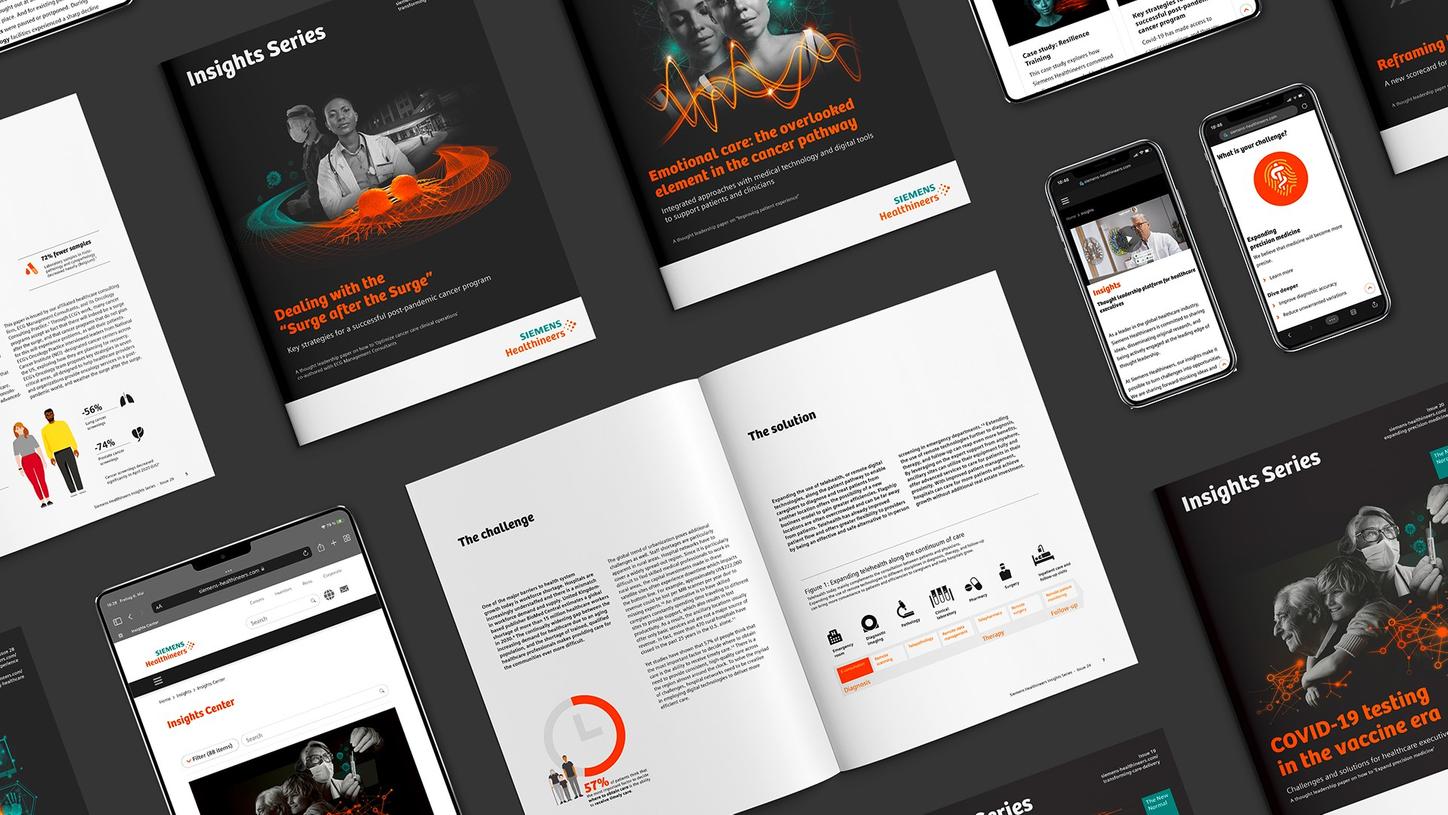
This thought leadership publication is part of the Siemens Healthineers Insights Series. It provides ideas and practical solutions on 'Resource Preservation'. For more Insights, please visit siemens-healthineers.com/insights-series.
Take full advantage of the publication
Become an expert on the topic – discuss and share it with your peers
Stay ahead - subscribe for executive insights
Discover thought-provoking ideas, gain practical solutions to today’s most pressing healthcare challenges, and receive our Insights Series.
More information for healthcare experts
Joint commitment to sustainability
- ecoline - Refurbished. Sustainable. As good as new.
- A valuable partnership: ActGreen Energy Efficiency Services - Consulting service that helps to reduce energy costs
- Sustainability in radiology - Explore diagnostic imaging products to improve energy efficiency
- Sustainability for clinical labs - Solutions for a greener future