
Celebrating our unique culture with our local Siemens Healthineers colleagues
Heritage month is celebrated annually in South Africa to mark our nation’s diverse culture and heritage. With over nine different cultures and eleven official spoken languages, the Southern tip of Africa is a country that is rich with heritage and customs.
Meet some of our local Healthineers as they share their rich histories and beliefs...
Seshni Govender was born a Pakka Tamilian and grew up loving her culture and traditions. Her parents taught her the value of spirituality and hence she grew up with a deeper understanding of not just her culture and traditions but the culture of others.
“My belief? Simply put to me, God is omnipresent, omniscient. I will always strive to be a better human being before perfecting what tradition and culture requires from me. I believe, all cultures are beautiful and truthful in their own regard, and I feel truly blessed and honored that the Almighty has granted me the opportunity to know and venture into more than one culture or belief.”
Seshni believes that her culture is deeply ingrained in who she is as an individual. “The values instilled in me by my parents have been based on our strong family culture and traditions.”
In her adult years, Seshni has fused her Tamil upbringing with the Islamic faith when she married her Muslim husband. She celebrates many festivities through the year as part of her conflated culture.
Deepavali is a celebration that is truly special to her as the Festival of Lights attributes light over darkness and is marked by lighting lamps around the home and concluded in the evening with food, family and fireworks. Another ritual on this occasion was an oil bath that is prepared for each family member whereby castor oil is applied to the ear, eye and hair of each person symbolizing a cleansing before the day ahead. The occasion is celebrated with an adornment of sparkling clothes and jewelry and an array of sweetmeats are shared throughout the day.
Ramadaan has become a more recent period that Seshni observes. The period of Ramadan encompasses approximately 30 days of abstinence from food and drink from sunrise to sunset.
Eid is then the culmination of the 30 days where the sacrifices made in the month are rejoiced and celebrated. The discipline during the month allows for a deeper connection with the Almighty and helps Seshni develop a greater appreciation for the life she and her family lead. Eid Milk is a staple food during the Eid day celebrations and this comprises of milk, almonds, vermicelli, condensed milk, sugar, and spices
Seshni speaks a little Tamil and shared these phrases with us.
Saapteengala - Have you had your meal?
Vanakkum - Adoration, worship
To Seshni blending her own heritage and that of her South African culture means embracing her differences with her countrymen and women.
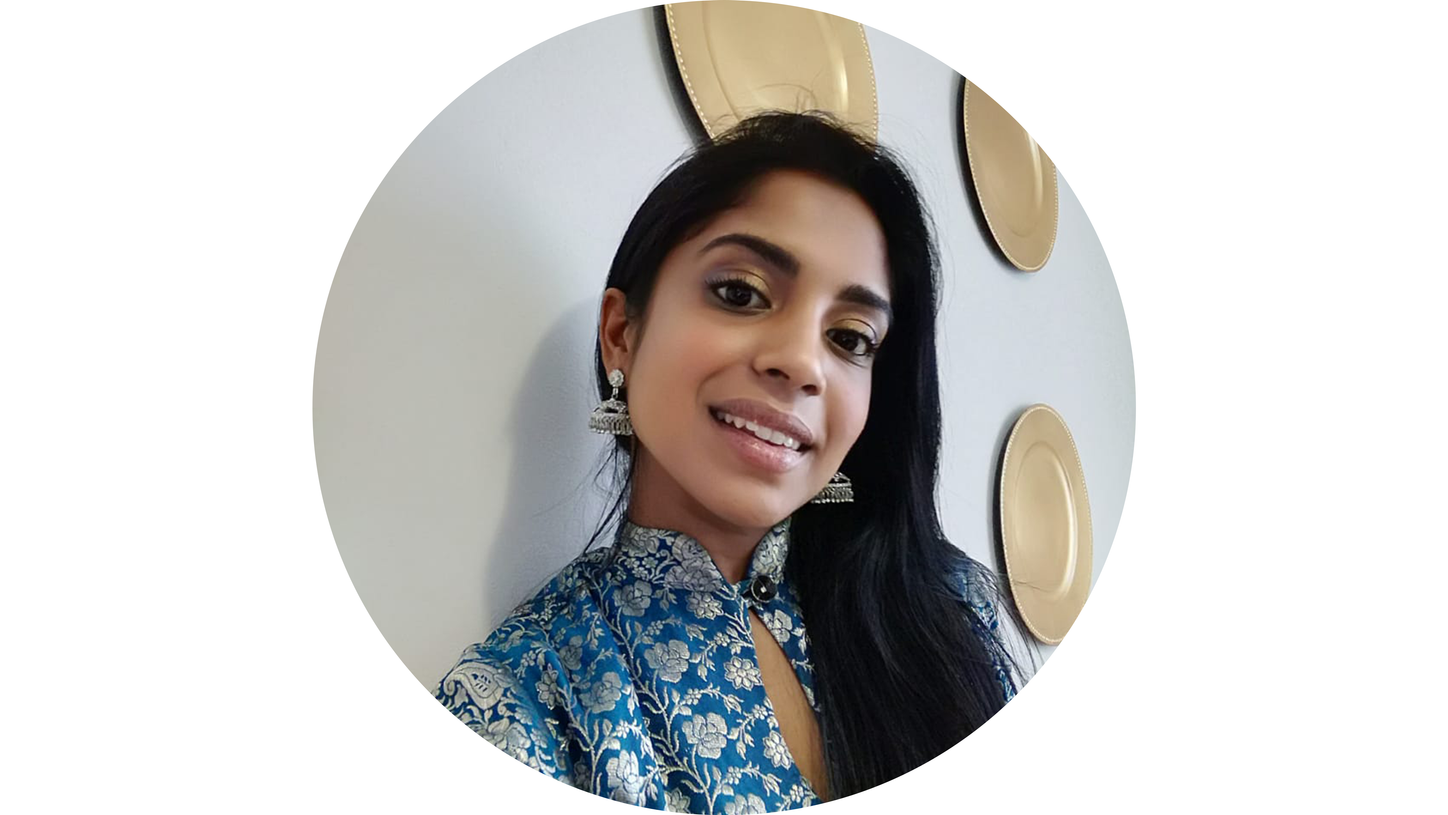
Seshni says....
“We all have qualities that make us and our families unique, from traditions to fundamental values or beliefs. I will challenge others to find the commonalty in our diversity. We all have cultures that allow for us to be humble, kind, loving, forgiving and patient. Let us choose to express this and see this in others, rather than focus on how different we all are. The core of every human remains the same. Let us choose to LOVE and understand each other. We were created share, connect, and help transform one another. After all the journeys may be different but the destination is the same.”
Karabo Khaba is a South African woman born from both Tswana parents, proudly a Motswana from the Bakgatla Clan. She also has great pride to have been born in a country with such vast cultural diversity that teaches one humility and acceptance. “Maintaining one’s culture, values and traditions is beyond price; it is my identity and personality. It is the core of who I am, where I come from and where I’m headed to.”
For Karabo, Heritage Day isn’t just a day for South Africans to get out and braai, it’s a time to celebrate our great diversity and culture.
South Africa has faced many challenges and has one of the most unique political histories of all time. Karabo acknowledge how far the people and the country has come and how much still needs to be done. “Being South African means being my brother’s keeper. Politics aside Living in this beautiful country or at least coming from such a beautiful country is something to be proud of. My South African dream is to be able to live in a society where we treat one another fairly and allow one another the space to live and work. It is essentially a process of not just owning, but overcoming the burden of our past, so we can pass something more beautiful on to our children.”
Being a South African is so much more than what the history books say. “We have our own Lingo. We have the Big five. I would like to meet a South African that doesn’t like to Braai. There is a lot that is truly unique to us, Bunny chow, Kota or Sphatlho, Malva pudding, Milktart, Rooibos tea the list is endless.”
Heritage Day is a day that celebrates South Africa’s roots; rich, vibrant and diverse. This is where it lends its name to the ‘‘Rainbow Nation.” “Heritage Day is celebrated to nurture and embrace South African culture for what it truly is, accepting all races and genders.”
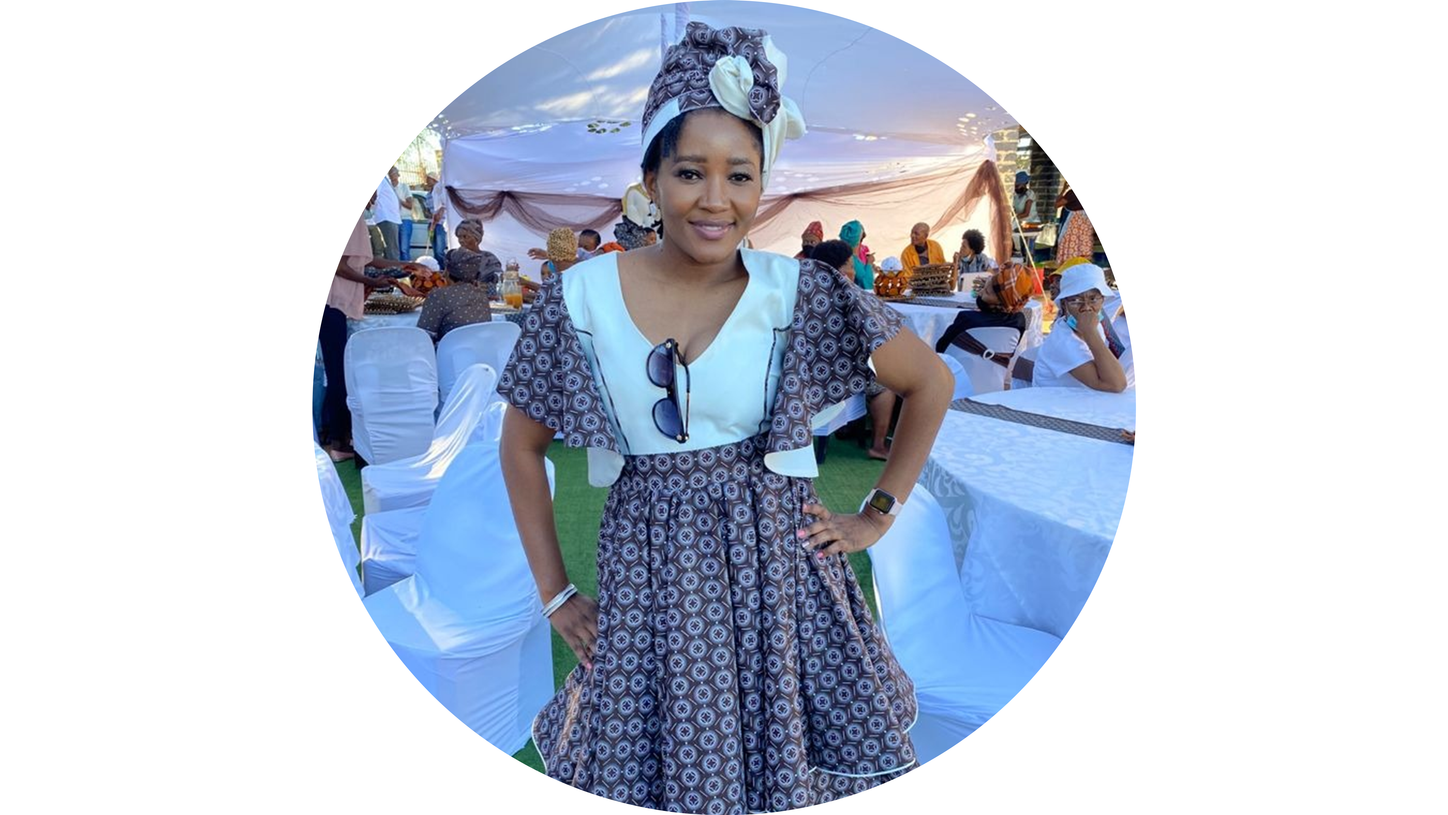
Karabo speaks 5 languages and she left us with this beautiful thought
Motho ke Motho ka Batho –” I am because you are” or can be translated as “A person is a person because of other people”
The Tswana people of South Africa are a Bantu-speaking ethnic group that resides in the southern part of Africa. The ethnic group is the native people of Botswana and spread to the North West province of South Africa, where most have created communities. This is the Motswana heritage of Tebogo Gabonewe.
“In my culture we have our unique characteristics such as our Tswana traditional dance, which we use as a tool for unity and to embrace each other. Our other unique feature of our culture is food and cuisine, the food is tantalizing and will leave you yearning for more traditional foods and drinks. When we celebrate, we sing and hear stories from our grandparents and this as a way of unity. We embrace Humanity.”
As a Motswana, Tebogo celebrates many festivals. He highlighted the Kuru dance Festival which takes place every August and is highly celebrated in Botswana, filled with traditional dances and music for three days. The Batswana traditional festival is another great celebration where the village will gather to celebrate the culture, share food, sing and dance.
Tebogo says that Respect, honour and tradition “Having a sense of Africanism” is what it means to truly be Motswana. “Being Motswana to me means embracing culture and tradition and I was always being told during my upbringing to never lose myself in the process and always remember where I come from.”
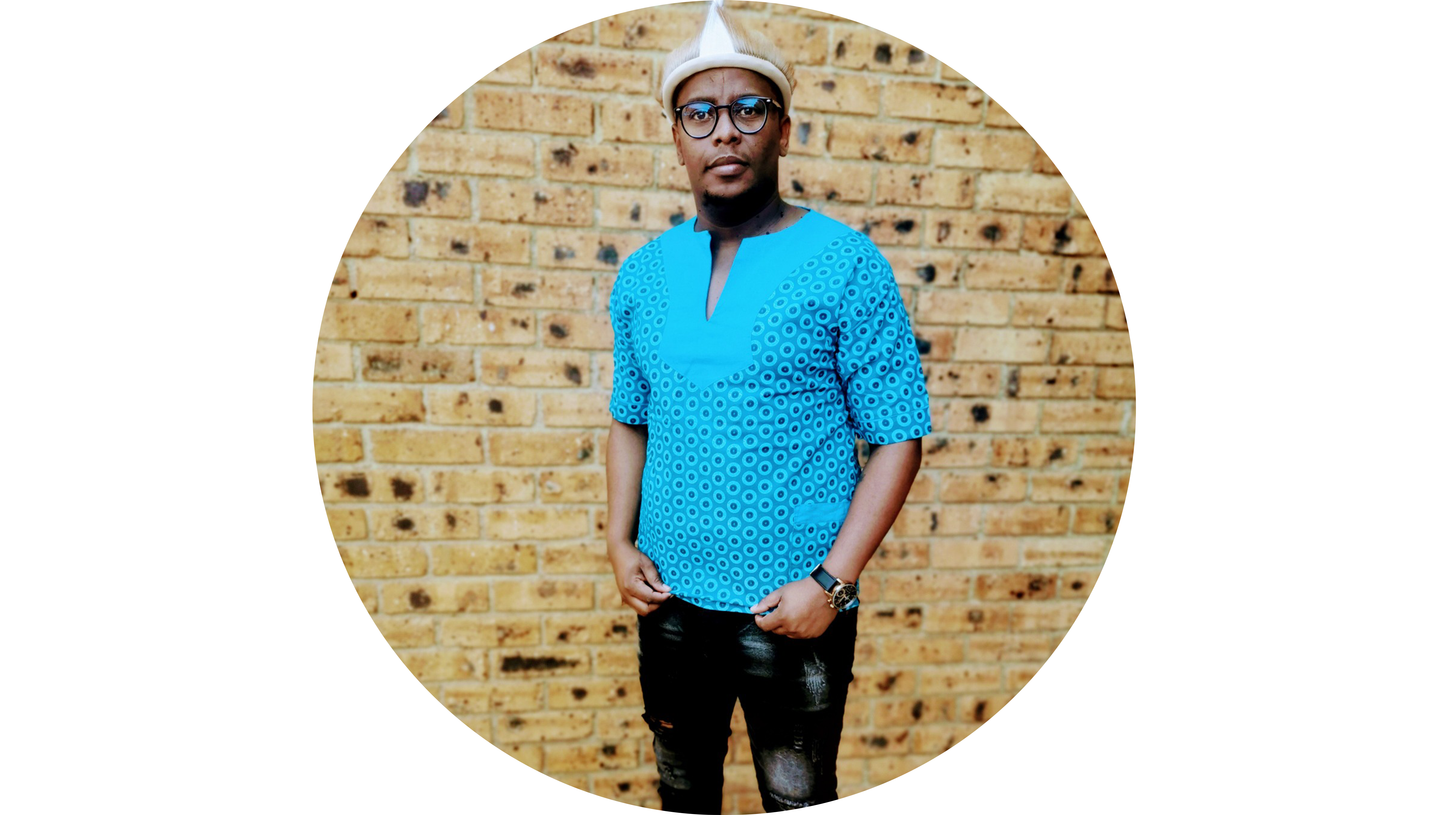
“Gaabo motho go thebe phatswa” – This translates to “Never forget your roots, never forget where you come from.”
Tebogo is proud to mesh his Motswana roots and his South Africa culture. “Being truly South African to me means embracing diversity and cultural coexistence especially in this age of life.”
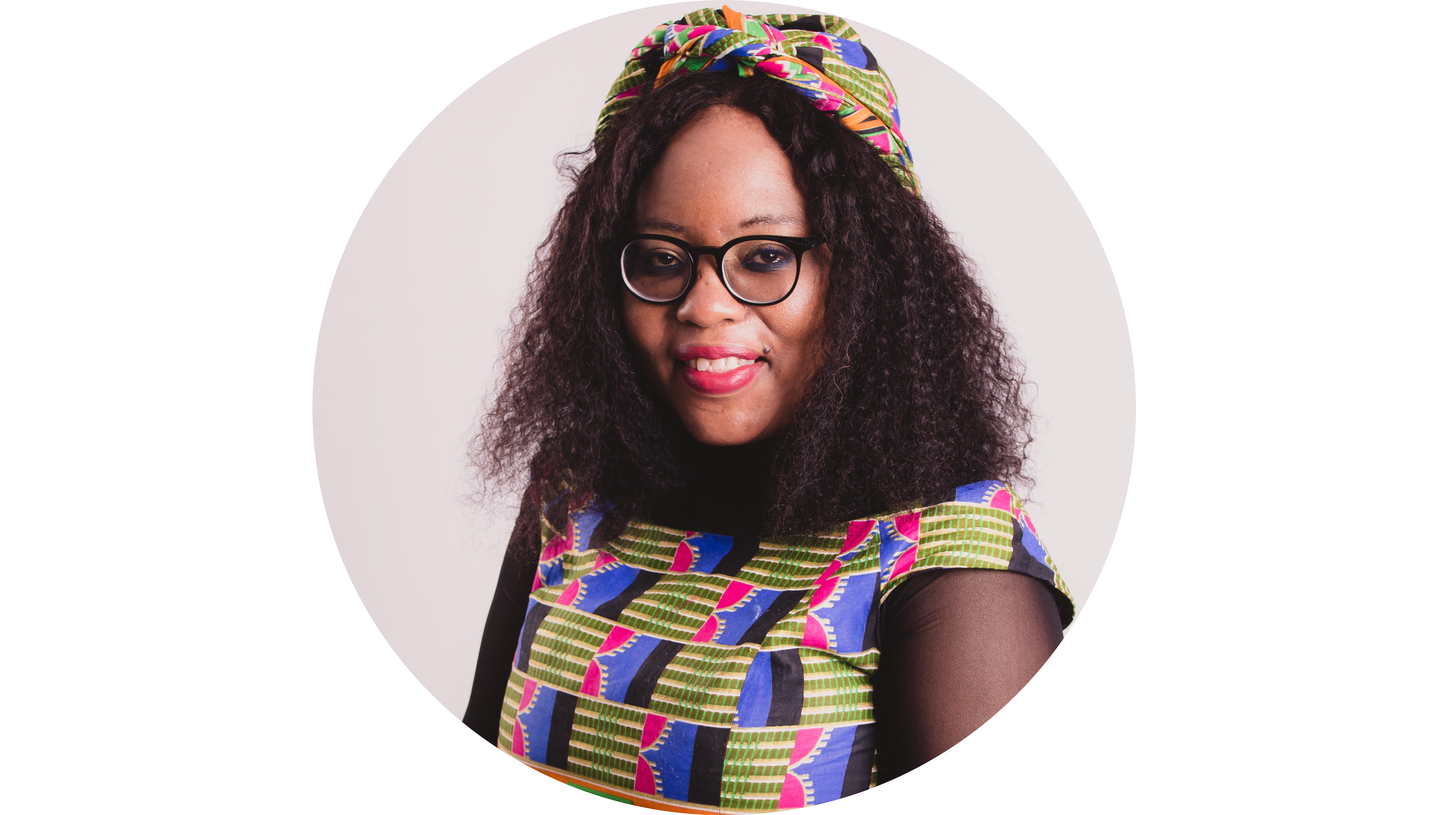
Hailing from Zimbabwe, Neo Mukono is a Shona city girl who grew up in Harare. Shona is the largest ethnic group, making up approximately 80% of the population, the majority of which are Christians. As a Christian her beliefs and values are based on the foundation and faith in the divine creator-God, who for her is Mwari.
Neo has a deep sense of culture which she believes in not limited to her nationality, ethnicity or family. “Culture for me is my way of life, how I live in my everyday life. My behavior as an individual, how I treat myself and others and how I respond to situations. My personal ethos is what I believe is truly my culture.”
“The South African principle of “Ubuntu” is no different to my culture of “hunhu” which means someone who has been raised well and taught to have good manners, the essence of humanity.”
Heroes Day is one of the public holidays celebrated in Zimbabwe and Neo shared that as a country, it serves as a reminder of the history and heritage of their nation and the sacrifice that was made by war veterans and many ‘unsung heroes’ to fight for the freedom that is seen today. Music and dance are also central to her Zimbabwean culture. ‘Mbira’ (a piece of wood with metal keys) is the national instrument that showcases the spirit and joy of the Zimbabwean people. It is used for most symbolic celebrations.
Zimbabweans celebrate all occasions with food. Traditional food for Neo’s family is Sadza, neNyama neMuriwo (pap, meat and leafy vegetables). “It is our staple food. People have it for lunch or supper. Some even have leftover sadza from the previous night for breakfast (munya). We alternate the type of Muriwo (leafy vegetables) we have the sadza with. On some days we mix the muriwo with peanut butter (dovi) on other days we have it with cooked pumpkin leaves (muboora) and on other days with plain sour milk (lacto).”
Neo is bilingual, speaking both English and Shona. She shared a beautiful phrase with us, “Muve nezuva rakanaka” which means “Have a lovely day.”
Over the years, Neo has learnt that to be a South African means being part of this beautiful country, celebrating this young democracy and hub for the African continent.
What advice would you give others to embrace a united rainbow nation?
“The secret of change is to focus not on fighting the old, but on building the new!” ~ Socrates
Neil Lipsitz is Jewish of the Ashkenazi decent with his ancestors originating from Eastern Europe.
He celebrates many festivals during the year, one of the most auspicious being Rosh Hashanah (New Year) in September, and Yom Kippur (Day of Atonement) ten days later. “On Rosh Hashanah we have a traditional family dinner to celebrate the New Year and on Yom Kippur we have another traditional dinner to “break the fast” which lasts from sunset to sunset the following day, with no food or liquids, to atone for our sins.”
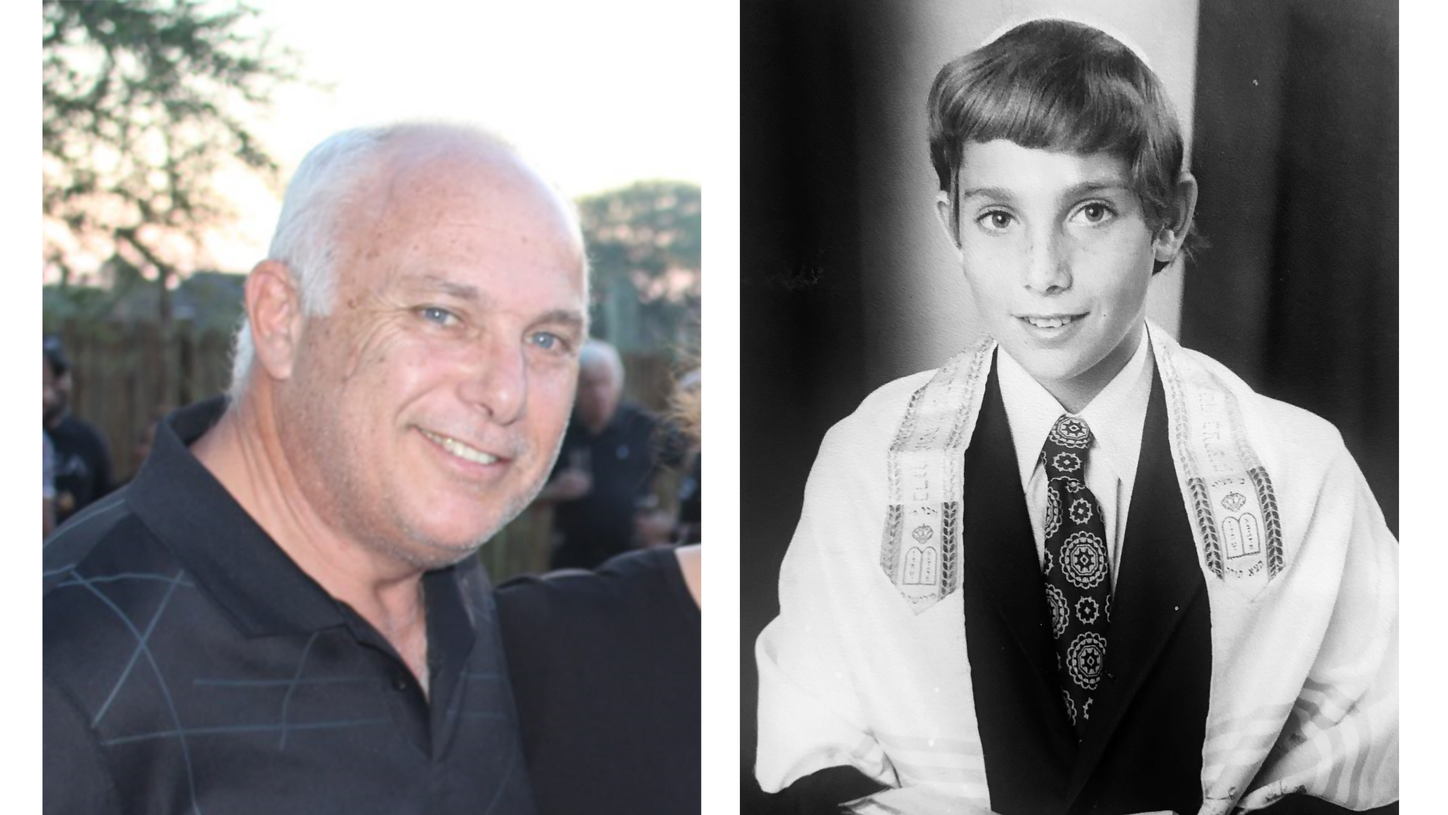
He laments that being truly Jewish is to keep the family close, caring for your elders and being respectful to all.
He identifies as a proudly South Africa and believes that the natural beauty and diversity of people is what makes South Africa a unique place to call home.
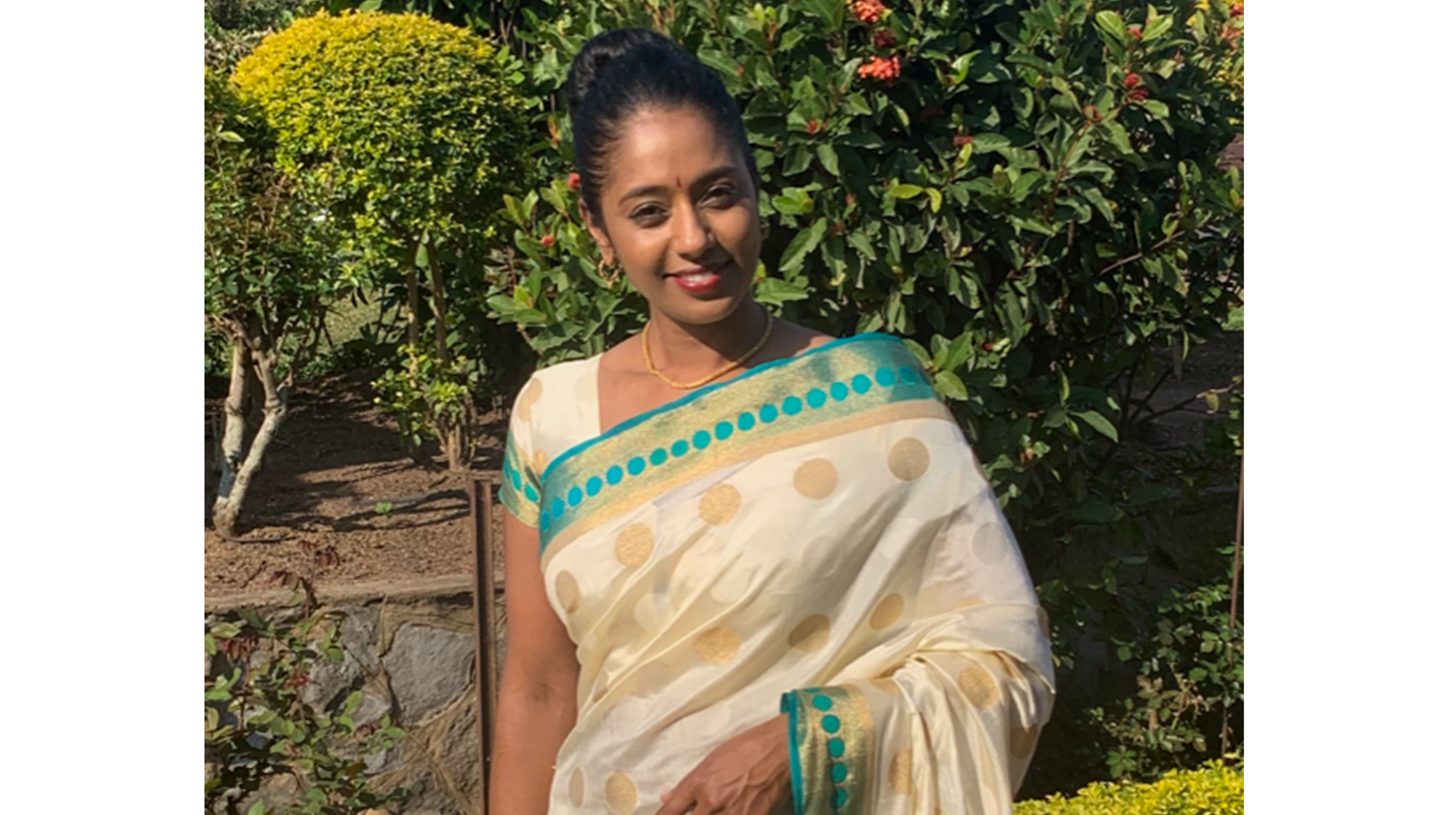
Sivani Moodliar is a Hindu and comes from the Tamil speaking diaspora of South Indian. She attributes her Hindu culture as being able to embrace, understand and uphold the different cultural elements of your community which may be your language, dress, values and customs.
As a Hindu she celebrates many symbolic occasions throughout the year.
One of her highlights is Mahashivaratri “the Great night of Shiva”- celebrated all over the world by Hindus. The name refers to the night when Shiva performs the heavenly dance. It marks the remembrance of “overcoming darkness and ignorance” in life and the world. This is usually celebrated in Feb/March. Another revered occasion is Karthikai Deepam – Not only is Deepavali a festival of lights so is Karthikai Deepam. It is the lighting of lamps to ward off evil forces and usher in prosperity and joy. This is usually celebrated in November.
Like many Indians in South Africa, her heritage is a blend of both cultures. “We need to acknowledge our history and where we have come from. Taking pride in our country. Enjoy everyone’s differences in language, food, values, music while learning to respect the differences. This is what makes us uniquely South African.”
Hailing from the East Coast of South Africa, Linda Xulu says that being part of a diverse culture and sharing in the natural beauty of his country makes him proud to be South African.
He is proud of his rich Zulu background with the mighty Shaka Zulu who was the kind of the Zulu Nation.
Linda is bilingual with Zulu as his mother tongue. It is the language of the Zulu people, with over 12 million native speakers, who primarily inhabit the province of KwaZulu-Natal. Linda shared a Zulu phrase with us.
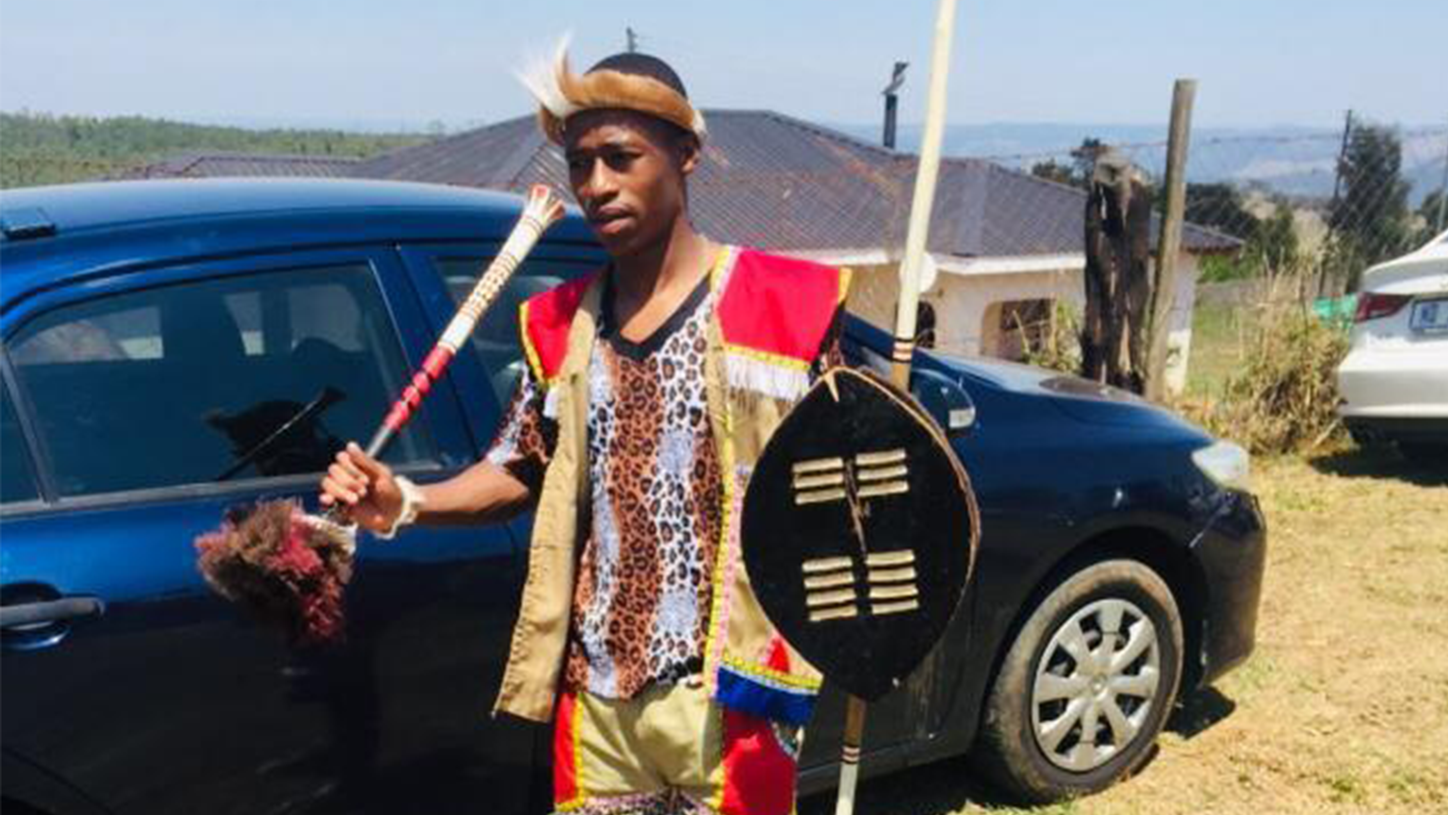
“Inkunzi isematholeni” means that the future leaders are in our youth.
The Zulu culture celebrates King Shaka Day as one of their auspicious days – this is the presumed date of the Zulu King’s death in 1828; Shaka was the most influential Zulu leader. Zulu nationals gather together every year in KZN to celebrate this day.
Another momentous occasion is Umkhosi Womhlanga. The aim of uMkhosi Womhlanga is to celebrate the maiden's purity, showcasing that they are proud of their bodies while they are being prepared for womanhood, at the same time giving the King and the nation a spectacle to marvel at, and motivate the young maidens through words and joyfulness.
Respect and appreciation of nature are what Linda believes are at the core of being truly Zulu.